
Scotland is attempting one of the most complicated balancing acts in modern public policy: reducing emissions, modernising infrastructure, protecting households from rising costs and maintaining economic growth simultaneously, while many of the country’s core systems are already under strain.
That reality emerges not from political rhetoric, but from the Scottish Government’s own recently published Climate Change Plan 2026 to 2040, alongside official fuel poverty statistics, transport transition data and the latest GDP figures released by the Chief Statistician.
Taken together, the documents describe a country in the middle of a large and expensive transition whose success increasingly depends not simply on environmental ambition, but on whether public infrastructure, private investment and household finances can move at the same pace.
The Climate Change Plan, published earlier this year by the Scottish Government, outlines major changes expected across transport, housing, energy, land use and industry over the next 15 years. The plan forms the central framework for how Scotland intends to meet its legal emissions reduction targets while adapting to growing economic and environmental pressures.
Yet the same body of official data also shows the scale of the challenge facing policymakers.
Fuel poverty remains one of the clearest examples. Scottish Government estimates published alongside the wider climate strategy indicate that around 732,000 households are currently classed as living in fuel poverty, with approximately 357,000 considered to be in extreme fuel poverty. The figures reflect the continuing pressure of energy costs on domestic households, particularly in rural and island areas where heating and transport costs are often higher.
At the same time, Scotland’s economic growth remains limited.
Official GDP estimates released in April showed Scotland’s onshore economy growing by 0.2 per cent in the three months to February 2026, following growth of 0.1 per cent in the previous rolling quarter. Monthly growth for February itself was estimated at 0.1 per cent. The figures are modest, but significant in what they suggest about the wider economic climate in which major infrastructure and environmental commitments are now expected to be delivered.
For households, many of these transitions are no longer theoretical. Heating systems, vehicle choices, insulation standards and transport costs increasingly intersect with public policy decisions that carry financial consequences for ordinary residents, particularly in rural and island communities where alternatives are often limited and infrastructure is more expensive to deliver.
Transport represents one of the largest areas of transition.
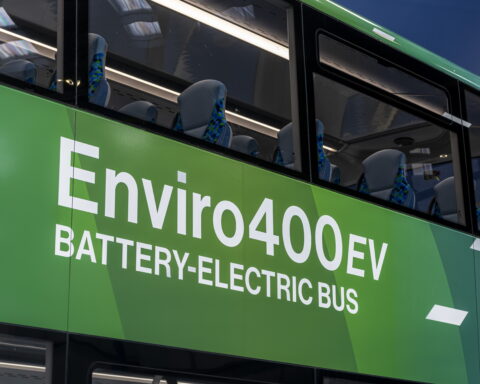
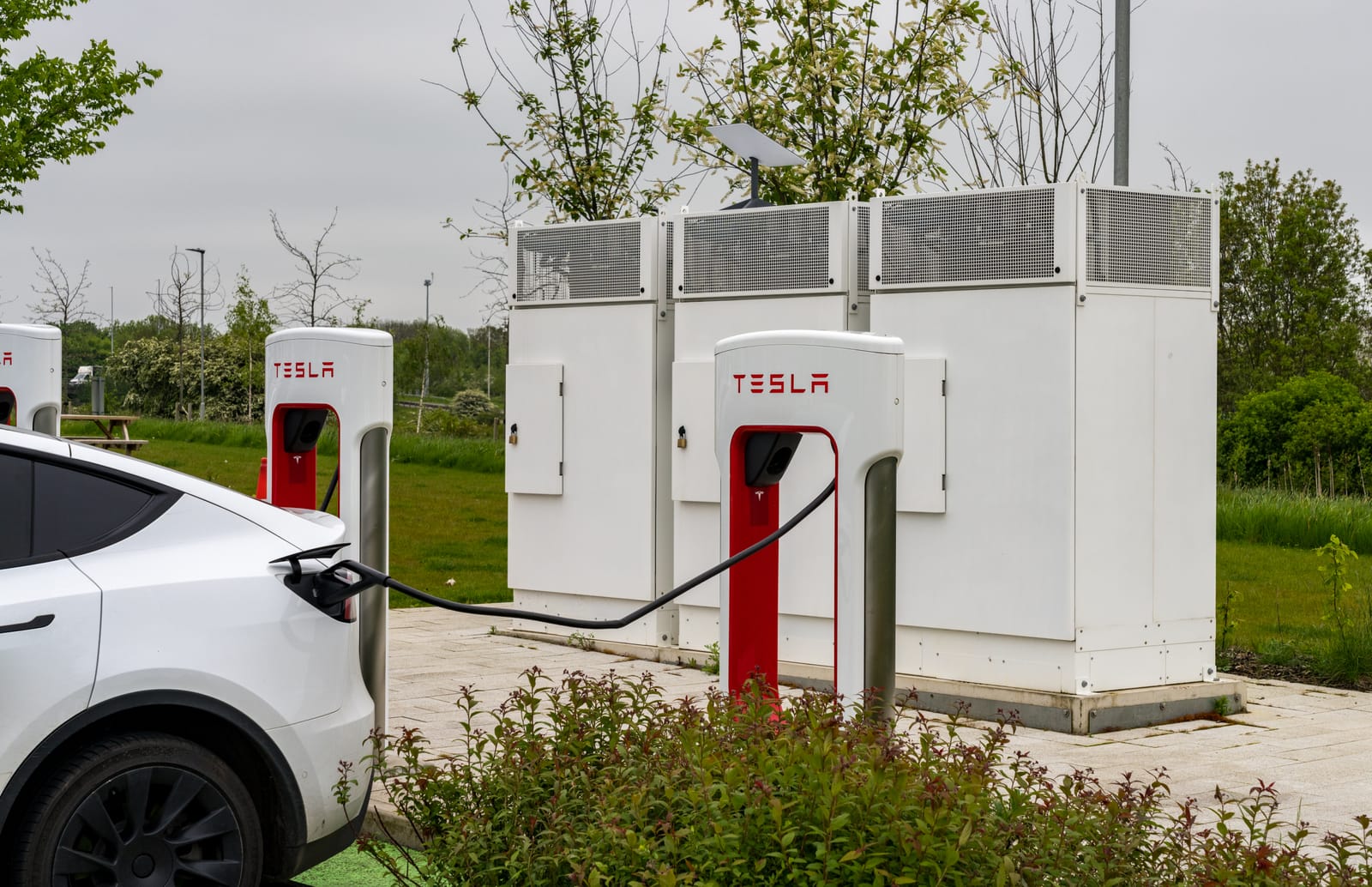
The Government’s climate plan anticipates continued expansion of electric vehicle infrastructure, further rail electrification and wider decarbonisation of public transport and vehicle fleets. Scotland now has more than 7,400 public electric vehicle charge points according to official figures referenced within the plan, although significant regional disparities remain, particularly in more remote parts of the country.
The transition carries practical implications far beyond environmental policy alone. Rural charging infrastructure, grid capacity, public transport reliability and the future cost of mobility increasingly intersect with wider economic planning.
Aviation policy is also beginning to shift. The Scottish Government intends to introduce Air Departure Tax from April 2027, replacing UK Air Passenger Duty for flights departing Scotland. Ministers have stated that the policy is intended to balance economic connectivity with environmental obligations, though debate continues around its long term impact on regional airports and business travel.
The documents also reveal a more subtle but important change in how climate policy itself is being managed.
Scotland is moving away from annual emissions targets toward a system of multi year carbon budgets, following repeated warnings from the Climate Change Committee that earlier targets had become increasingly difficult to achieve. Parliamentary scrutiny papers published this year acknowledge that previous ambitions did not always align with delivery capacity across infrastructure, transport and housing systems.
That shift may appear technical, but it marks an important change in how government performance will be measured in future years. Rather than judging progress year by year, the new approach spreads accountability across longer planning periods intended to provide greater flexibility during economic or infrastructural disruption.
Behind much of the policy language sits a broader question now emerging across official Scottish publications: how quickly can a national transition occur when the systems required to deliver it are themselves under pressure?
Housing requires large scale retrofit programmes, transport systems require electrification and charging infrastructure, industry requires investment certainty, and local authorities themselves require sufficient financial capacity to deliver long term projects. Households, meanwhile, require affordability and stability at a time when many are already managing rising costs.
Each element depends upon the others functioning at the same time.
The result is that Scotland’s climate strategy increasingly reads not simply as an environmental programme, but as a large scale national restructuring project extending into almost every part of daily economic life.
The challenge for ministers over the coming decade will not only be setting targets, but sustaining public confidence that multiple transitions can occur simultaneously without placing excessive strain on households, businesses and local services already adapting to economic uncertainty.
The official documents themselves do not describe the situation in dramatic terms.
But collectively they reveal a country attempting to modernise, decarbonise and stabilise at the same time, while managing the financial realities of doing so.