
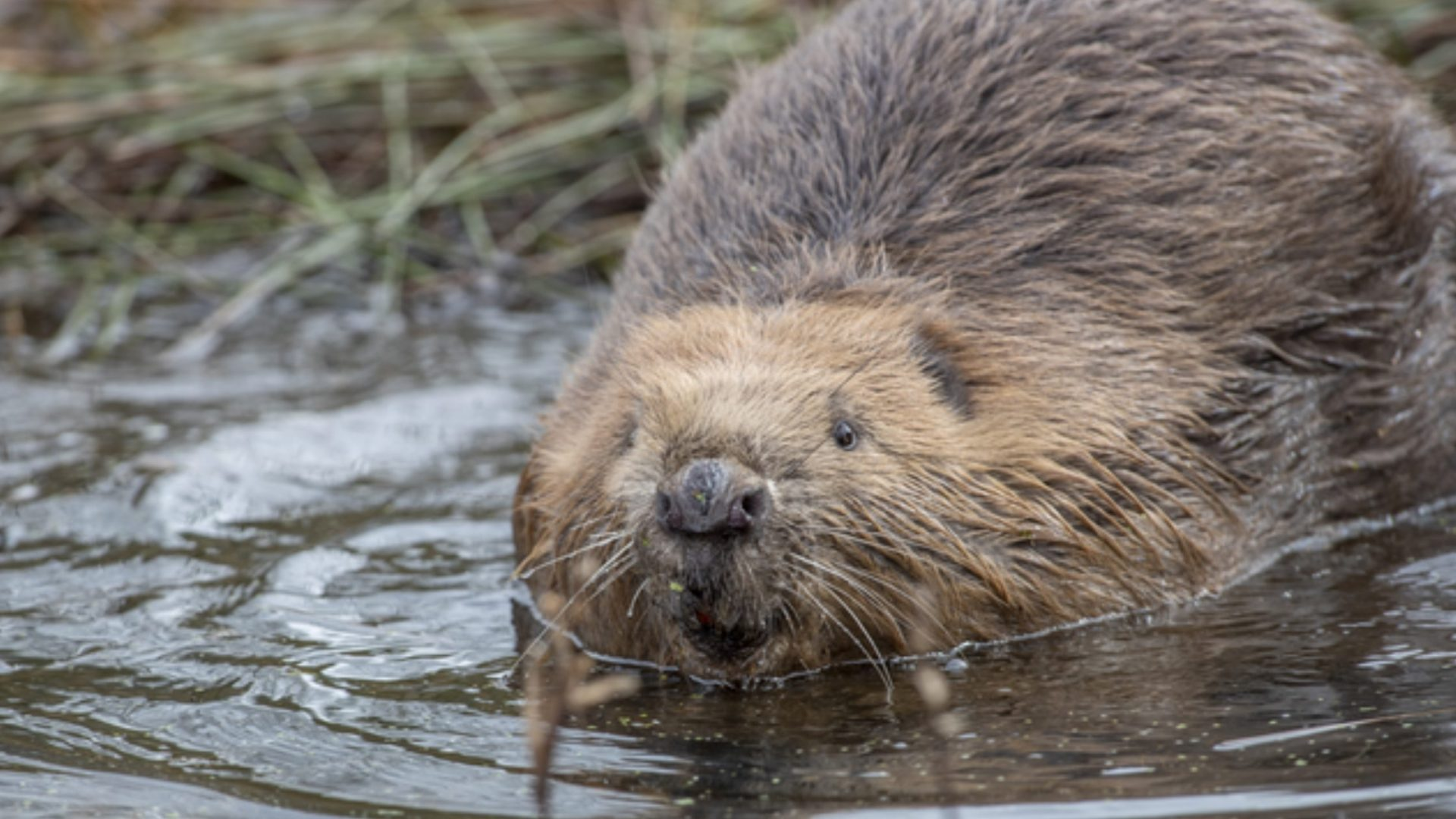
A beaver rescued after being shot in Perthshire has been successfully rehabilitated and is now living in the wild, according to animal welfare groups marking International Beaver Day.
The male beaver, named Fig, was discovered in January 2023 with severe facial injuries after being shot. The attack destroyed his upper incisors and left him with embedded shrapnel, raising initial concerns about whether he would survive, let alone return to the wild.
He was taken into care by the Scottish SPCA and transported to its National Wildlife Rescue Centre in Fishcross, near Alloa, where he underwent an extended period of rehabilitation.
The case highlights both the vulnerability of reintroduced wildlife and the increasing role of specialist rescue centres in supporting Scotland’s expanding beaver population.
Beavers were driven to extinction in Scotland several centuries ago, largely through hunting and habitat loss. Their return began in the early 21st century through a combination of formal reintroduction programmes and unauthorised releases. In 2019, the Scottish Government granted them protected status, recognising their ecological value in wetland restoration and natural flood management.
Fig’s injuries presented a particular challenge. Beavers rely on their continuously growing incisors for feeding, felling trees and maintaining territory. Damage to these teeth can be fatal if regrowth is not possible. In this case, the root structure remained intact, allowing his teeth to regenerate during his time in care.
Staff at the rescue centre monitored his recovery closely, providing a controlled environment in which he could regain strength and relearn essential behaviours. The successful regrowth of his teeth proved critical to his eventual release.
In March 2023, Fig was returned to the wild at Argaty, near Doune, in collaboration with the Beaver Trust and local partners. He was released alongside a female beaver, providing the conditions needed to establish a stable territory.
Subsequent monitoring has indicated that Fig has adapted well, forming a pair bond and contributing to a breeding population. Conservationists say this outcome represents a positive example of rehabilitation and managed reintroduction working together.
Dr Roisin Campbell-Palmer of the Beaver Trust said the case demonstrates how “welfare-led translocation” can support long-term success, noting that Fig has been able to establish natural behaviours, including breeding.
While the outcome has been described as a success, the circumstances of the original injury remain a concern. The shooting of a protected species raises questions about enforcement and awareness, particularly in rural areas where wildlife management and land use interests can intersect.
The material available does not provide details on whether the incident was investigated or whether any action was taken in relation to the shooting. Nor does it indicate how frequently similar incidents occur, though wildlife charities have previously highlighted ongoing tensions around species reintroduction.
Beavers, while widely recognised for their ecological benefits, can also alter landscapes in ways that affect agriculture and land drainage. These impacts have led to calls in some quarters for greater management controls, including licensed removal or intervention.
The Scottish Government has sought to balance these competing interests through a licensing system that allows for intervention in certain circumstances while maintaining overall protection for the species.
Fig’s case sits within that broader context. It illustrates both the potential for recovery when intervention is successful and the risks faced by animals in landscapes where conservation and land use priorities do not always align.
The role of rehabilitation centres has become increasingly important as Scotland’s wildlife populations recover and expand. Facilities such as the National Wildlife Rescue Centre provide specialist care that can make the difference between survival and loss, particularly in cases involving severe injury.
At the same time, such cases inevitably raise questions about prevention. While rehabilitation can address individual incidents, it does not in itself reduce the likelihood of harm occurring in the first place.
For conservation organisations, the long-term aim is not only to restore species but to ensure they can coexist sustainably with human activity. That requires a combination of legal protection, public awareness and, in some cases, active management.
Fig’s recovery offers a rare example of a positive outcome following a serious incident. Whether it represents a broader trend or an exceptional case is less clear from the information available.
What is certain is that Scotland’s beaver population is now firmly re-established, and with that comes both ecological opportunity and the need for ongoing management. The success of individual animals such as Fig may be encouraging, but the wider challenge lies in ensuring that such stories become routine rather than remarkable.
#ModernScot