Alongside the structured discipline of the Scottish working garden, there existed in Scotland a quieter and older tradition of cultivation, one that did not always conform to formal planting, yet was no less important. This was a looser relationship with the land, where certain plants were allowed to remain and return year after year with minimal intervention. Skirret, Good King Henry, sorrel, and sea kale belonged to this older table, as did the more readily overlooked nettle and dandelion. These were not confined to ordered plots, but found near walls, along paths, and by the coast, where they became part of the household’s extended provision.
This tradition depended less on system and more on familiarity. Knowledge of these plants was acquired through use, passed quietly from one generation to the next. A leaf gathered at the proper moment, a root lifted in the correct season, a shoot taken before it hardened, such acts required judgement. Along the coasts, sea kale and scurvy grass were gathered from ground shaped by wind and salt. Inland, perennial greens returned without the need for replanting, offering continuity without effort. Even chicory, used at times as a substitute for more costly goods, reflects this habit of adaptation.
To consider these plants now is to encounter a different form of abundance. They speak of a time when the boundaries between cultivated and uncultivated were less rigid, and where usefulness was understood. In restoring them to attention, one does not simply add variety, but recovers a broader understanding of what the Scottish land provides. This older table does not replace the working garden. It extends it, completing a picture of cultivation that is as practical and resilient as the Scots.
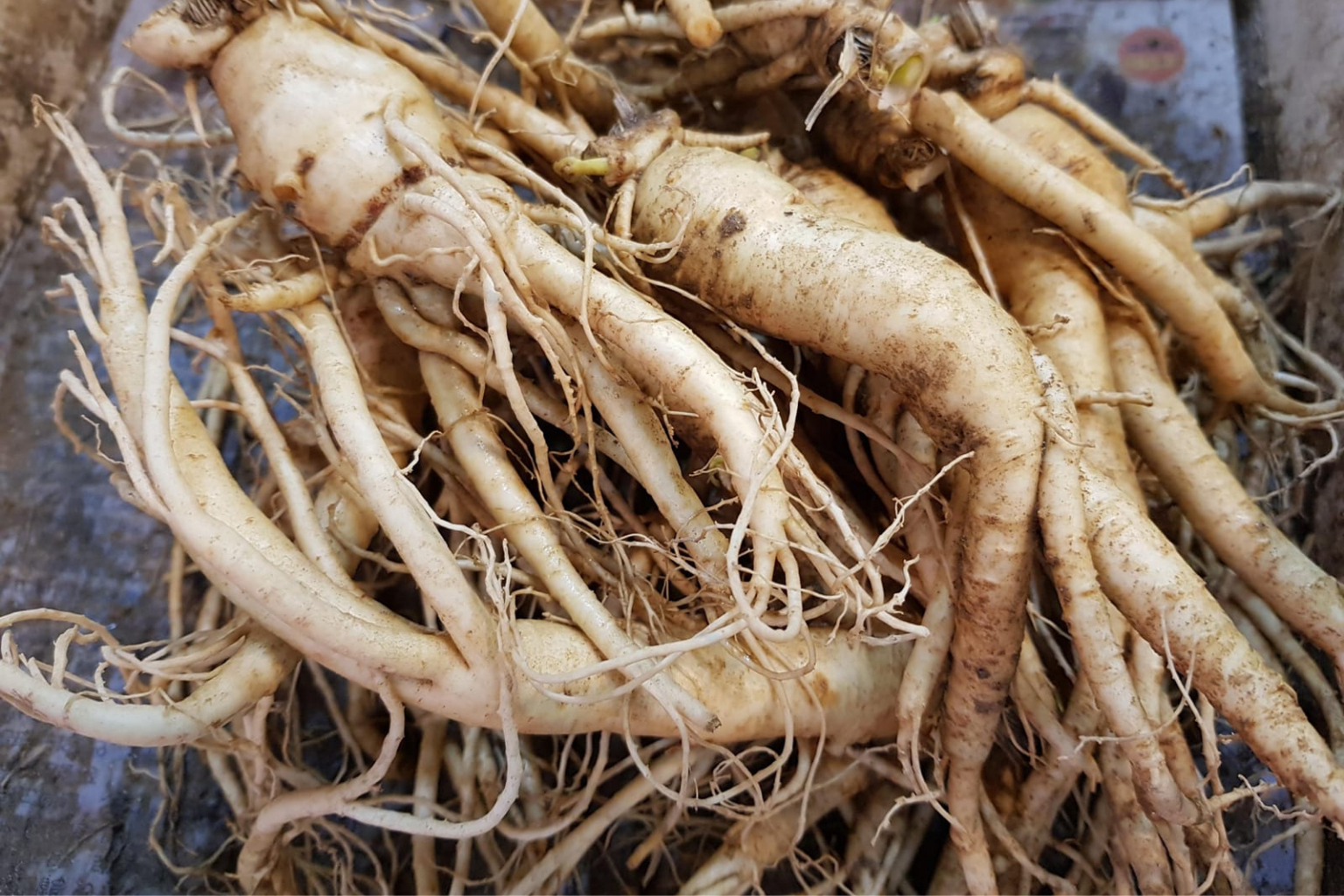
Skirret
Skirret is one of the older root crops once grown in Scotland before the widespread dominance of the potato, valued for its naturally sweet, clustered roots. It was cultivated in kitchen gardens where a steady, reliable yield was more important than uniformity. Though it fell out of favour, it remains a reminder of a different agricultural balance. It takes around five to six months to mature. It can be grown in deep containers of at least 30 centimetres, though it performs best in the ground with spacing of about 30 centimetres. Watering should be moderate and consistent. Harvesting is done by lifting the plant and separating the roots.
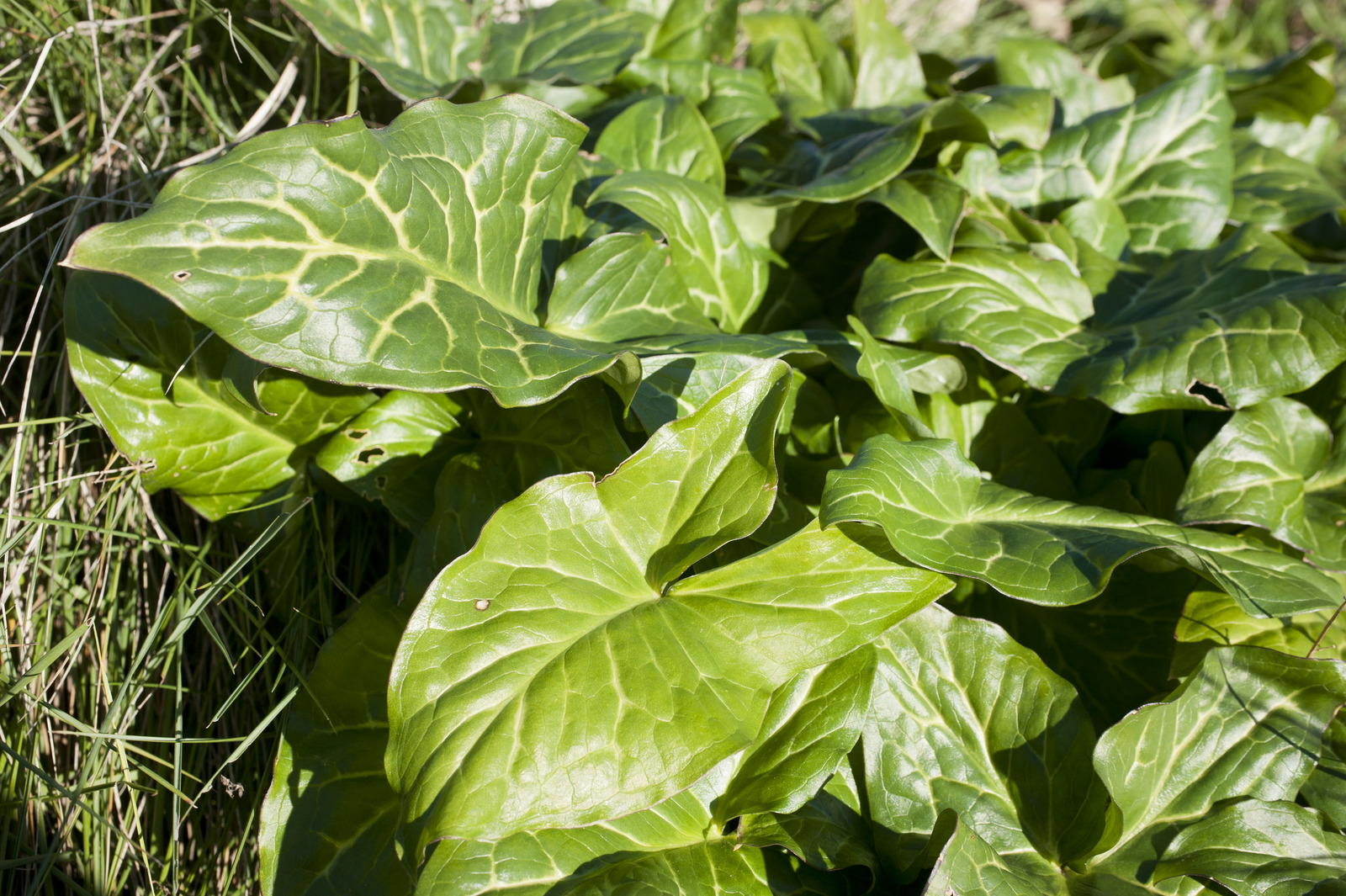
Good King Henry
Good King Henry was once a familiar sight near Scottish cottages, often growing in the same place year after year without needing to be replanted. It was valued for its usefulness rather than appearance, providing leaves that could be cooked like spinach and shoots that were sometimes treated like asparagus. As a perennial, it establishes slowly but then continues to produce. It can be grown in containers of around 25 centimetres depth, though it is better suited to the ground with spacing of about 30 centimetres. It takes a full season to establish, after which it can be harvested regularly by cutting leaves or young shoots.
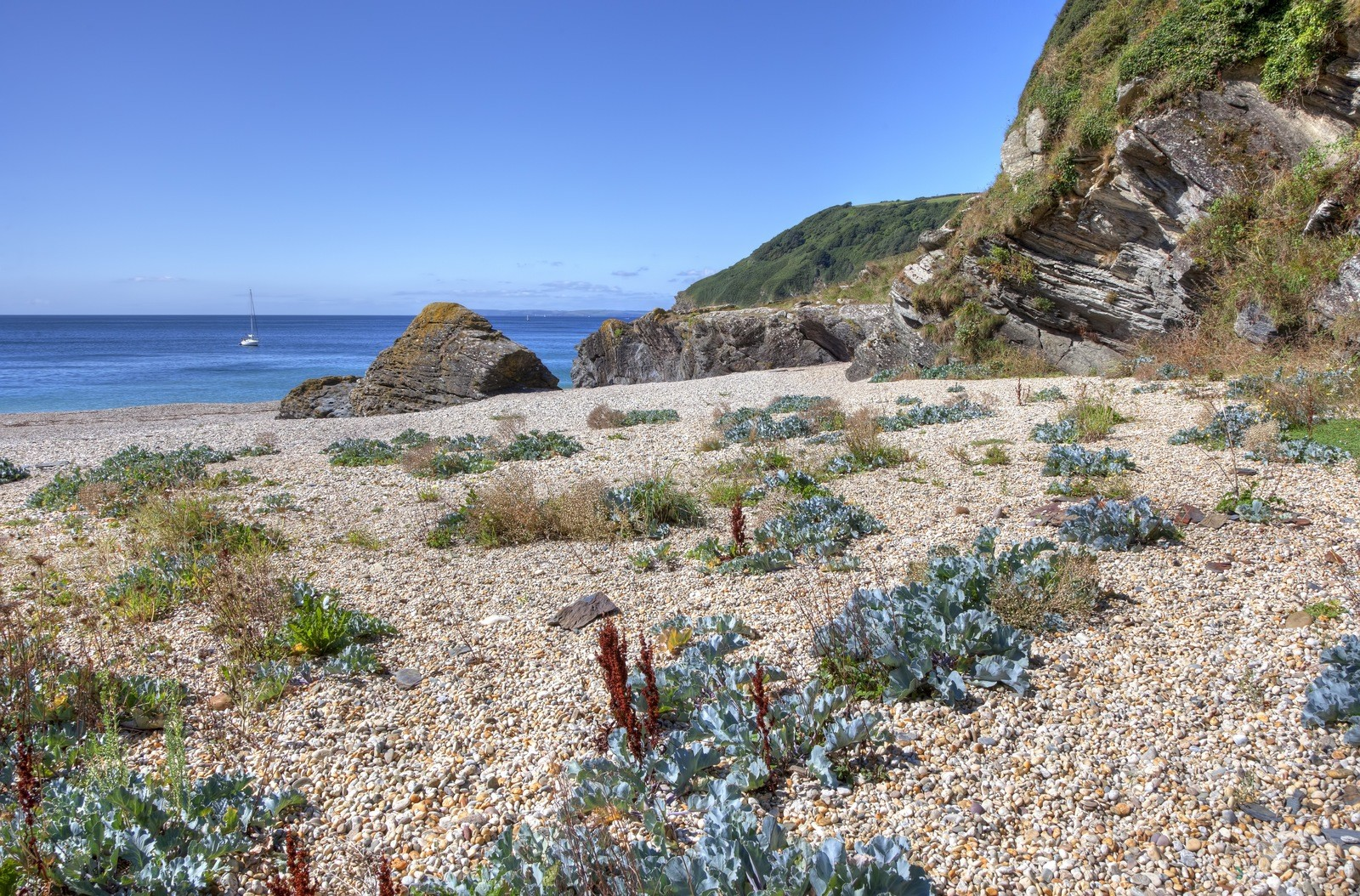
Sea Kale
Sea kale has long been associated with Scotland’s coastal edges, where it grows naturally in sandy, well-drained soils exposed to wind and salt. It was gathered as much as cultivated, particularly in communities close to the sea. Its thick leaves and tender shoots made it a valuable seasonal food. It requires depth and space, making it poorly suited to containers unless very large, and is best planted in the ground with spacing of around 60 centimetres. It takes one to two years to establish fully. Harvesting is done by cutting young shoots, often before they fully open.
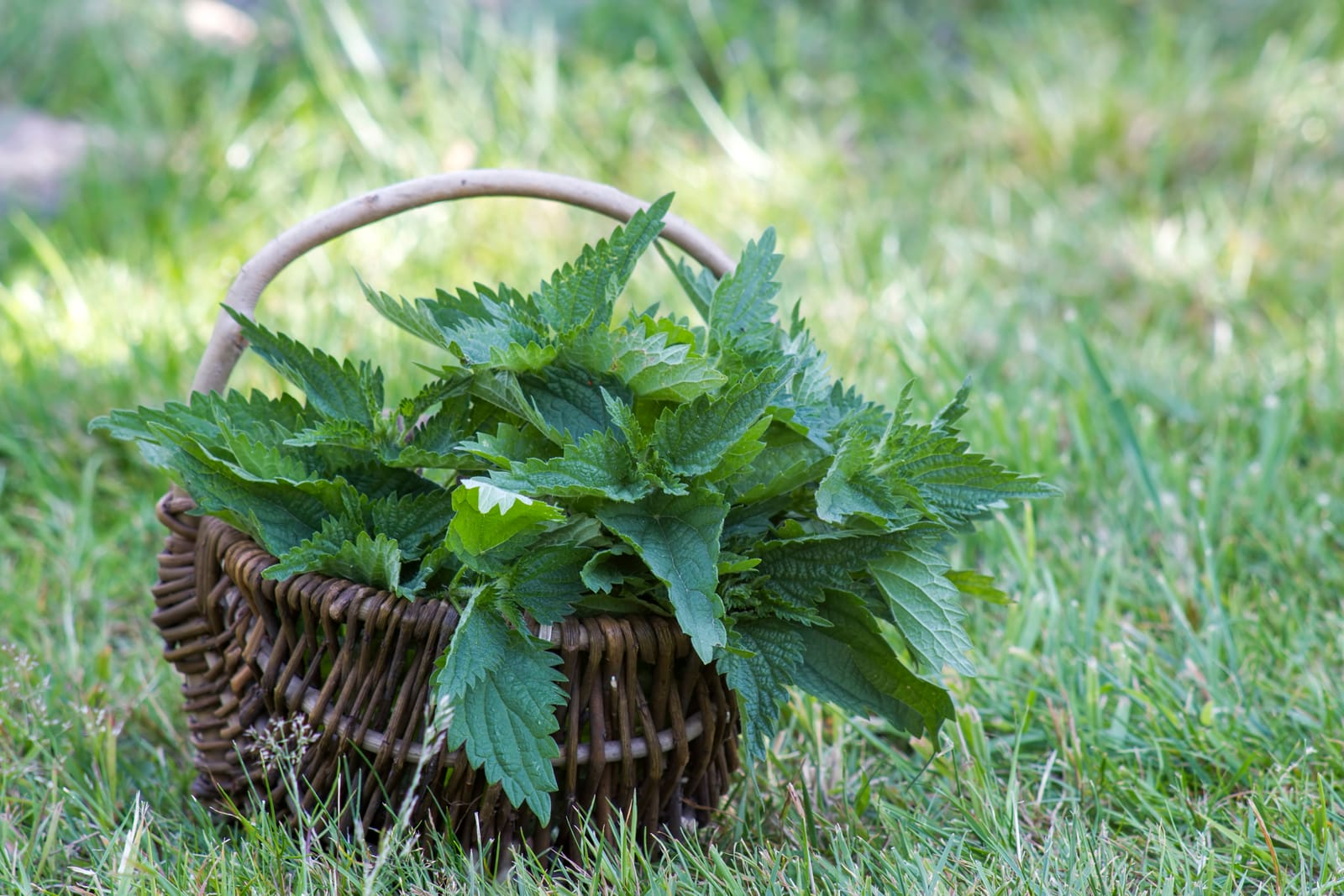
Nettles
Nettles have always been present in Scotland, not planted so much as recognised and used. In early spring, when little else was available, they provided one of the first fresh greens, commonly used in soups and broths. They grow readily in almost any soil and require no cultivation. While they can be grown in containers of around 20 centimetres depth, they are more often simply allowed to grow in place. They are ready for use within a few weeks of emerging. Harvesting is done by cutting the young top leaves, ideally before the plant flowers, when it is at its most tender.
Sorrel
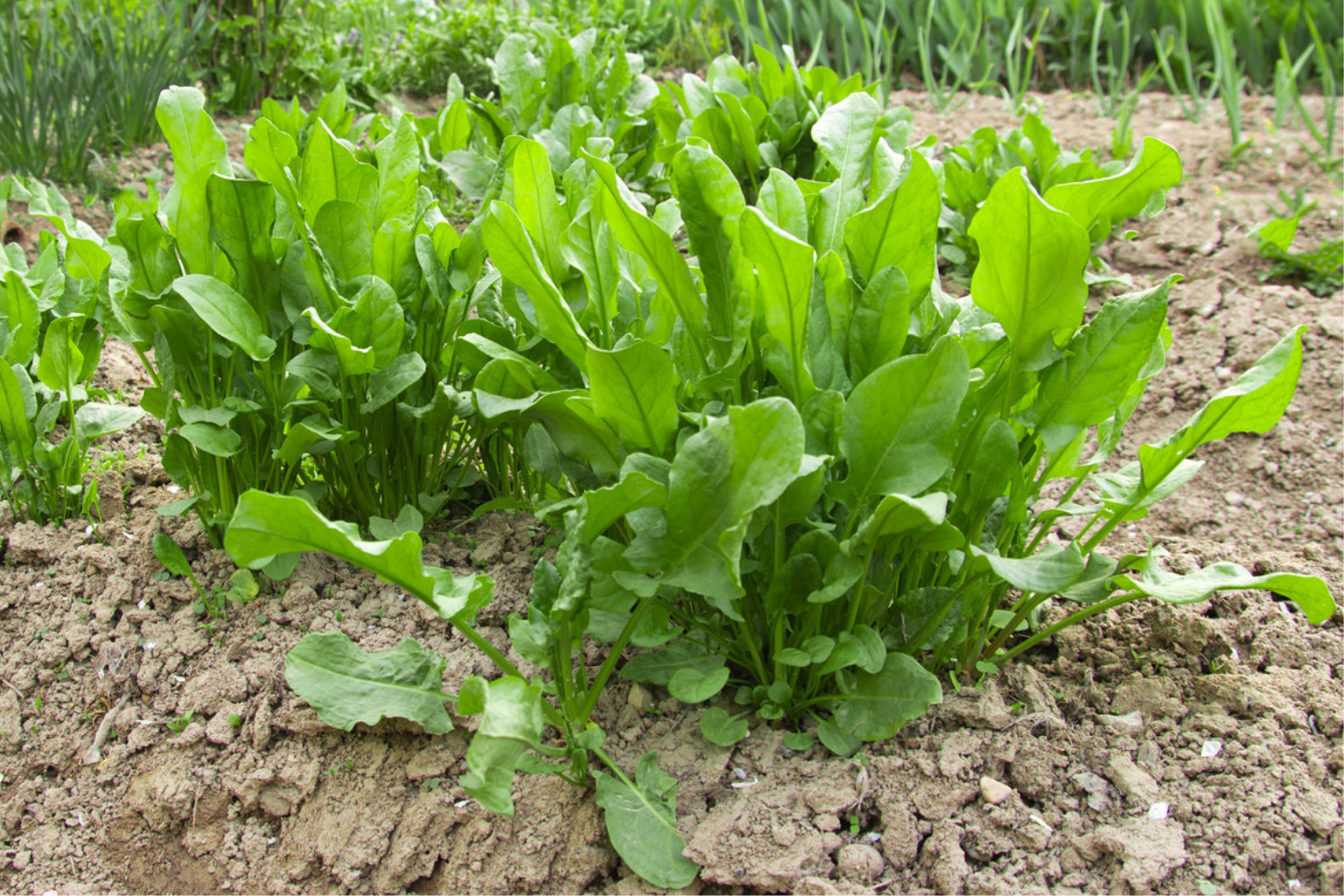
Sorrel has long been valued in Scottish cooking for its sharp, clean flavour, often used to lift heavier dishes or add freshness to broths. It grows well in the cooler climate and was commonly found in smaller garden plots. It is a perennial plant, returning year after year once established. It can be grown in containers of around 20 centimetres depth or in the ground with spacing of about 20 centimetres. It reaches usable size within four to six weeks. Leaves are harvested as needed, taken from the outer growth to allow the plant to continue producing.
Alexanders
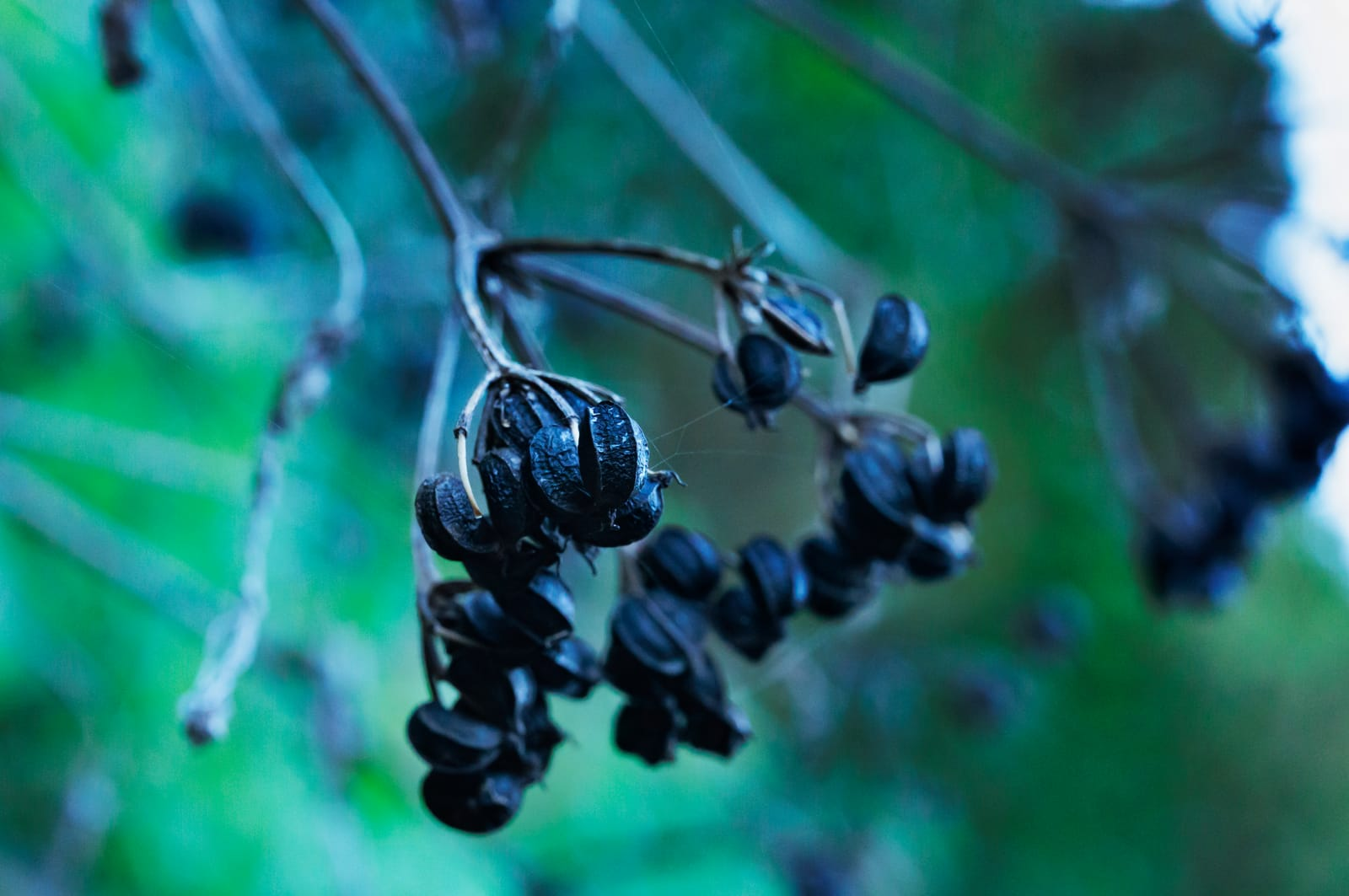
Alexanders were once widely used along Scotland’s coasts, growing naturally near the sea. Before celery became common, it served a similar role, with stems, leaves, and roots all used in cooking. The plant also produces small, dark fruits, which develop later in the season. These were less commonly eaten as a vegetable, but were sometimes used sparingly as a flavouring, valued more for their aromatic quality than for daily food. It can be grown in containers of around 30 centimetres depth, though it is better suited to the ground with spacing of about 40 centimetres. It takes around two to three months before the main stems are ready for harvesting.
Scurvy Grass
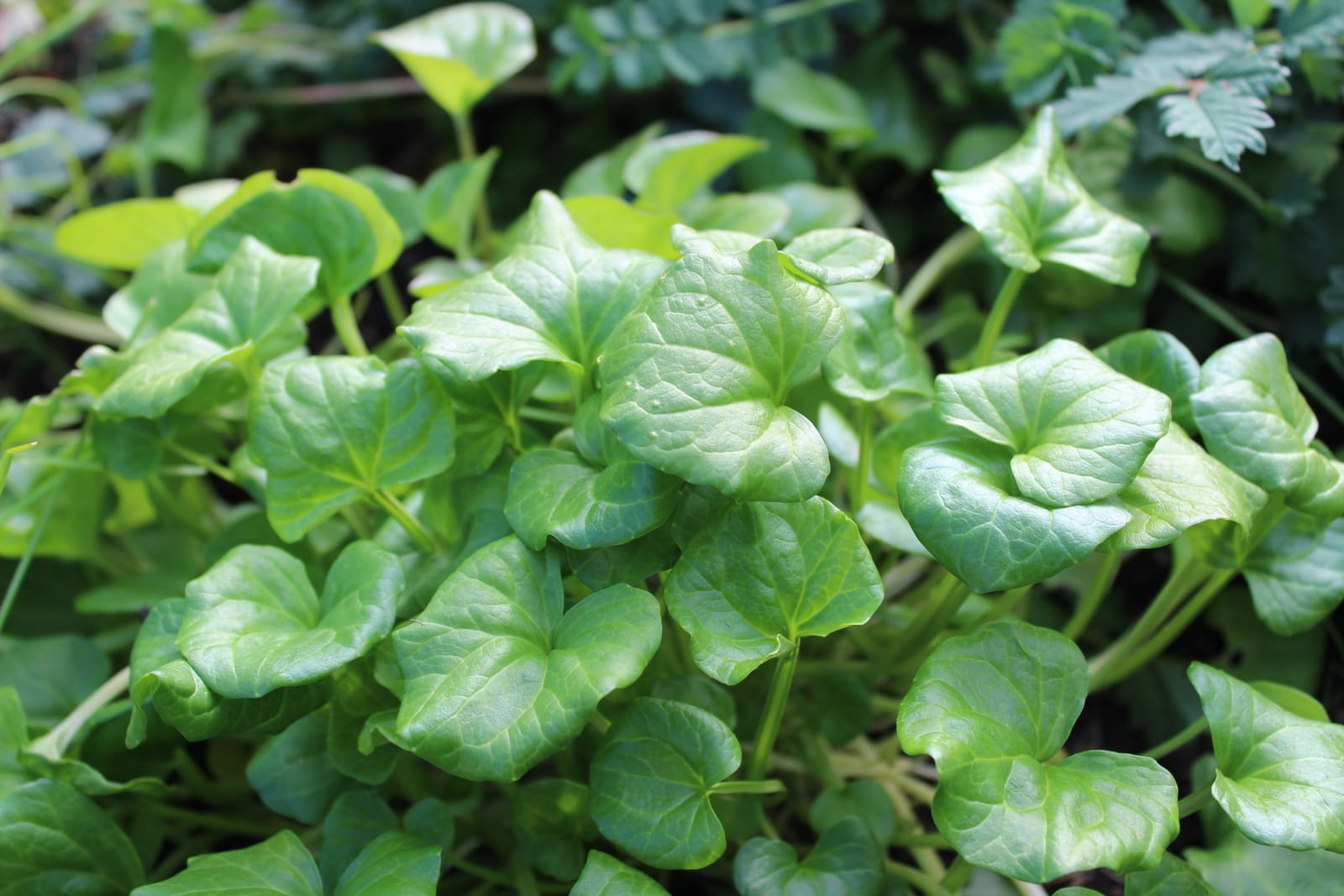
Scurvy grass holds a quieter but important place in Scotland’s coastal history, particularly among communities dependent on the sea. Rich in nutrients, it was used to prevent illness during long periods without fresh food. It grows naturally in coastal environments and requires little intervention. It can be grown in shallow containers of around 15 centimetres depth or in the ground with minimal spacing. It establishes quickly, often within a few weeks. Leaves are harvested young and used fresh, valued more for their usefulness than for their flavour.
Kohlrabi
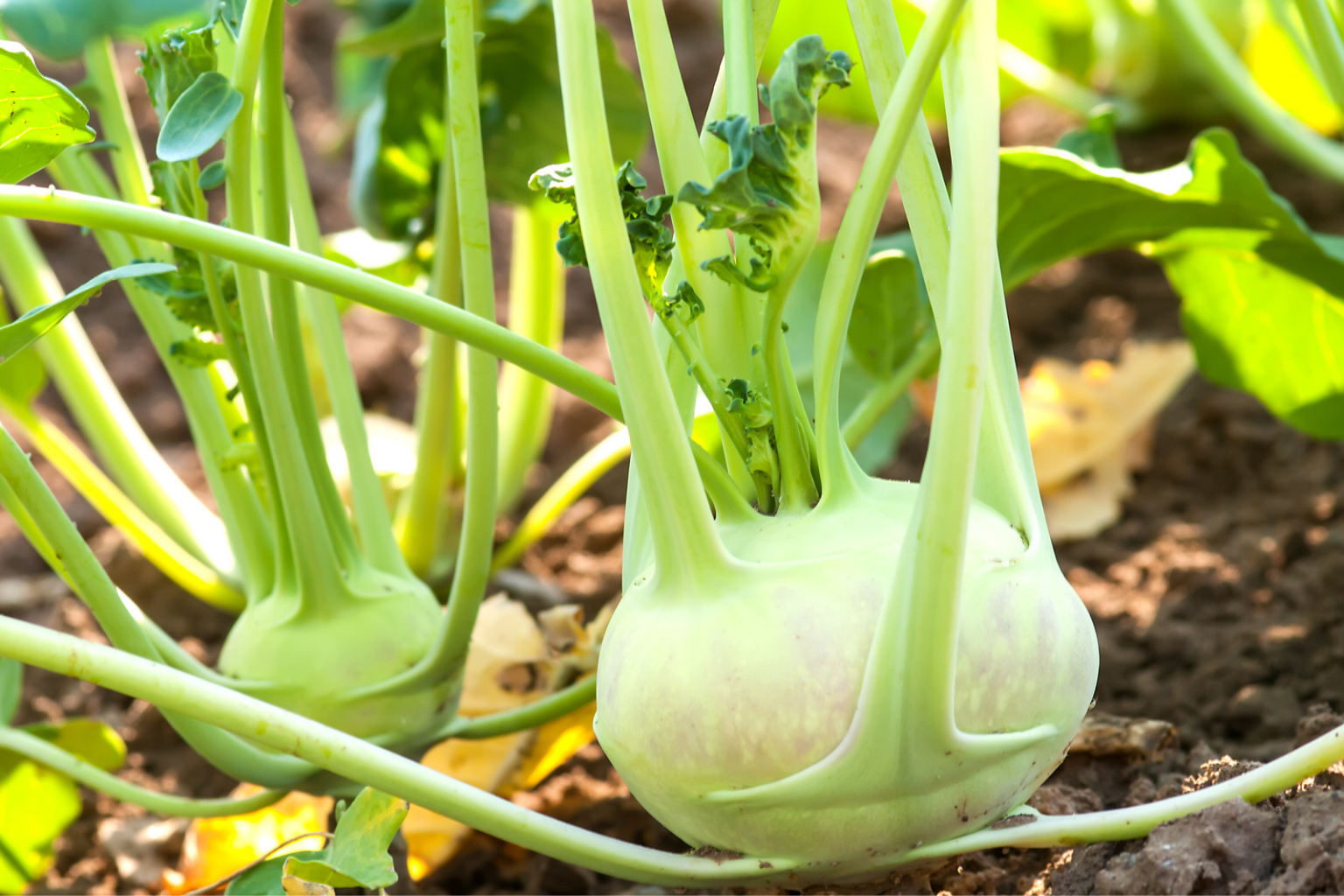
Kohlrabi, though less common today, has been grown in Scotland as a hardy and productive member of the cabbage family. It produces a swollen stem above ground, offering a reliable source of food in a relatively short time. It is well suited to the Scottish climate and can tolerate cooler conditions. It can be grown in containers of around 25 centimetres depth or in the ground with spacing of about 20 centimetres. It takes approximately 8 to 10 weeks to mature. Harvesting is done by cutting the swollen stem while still tender.
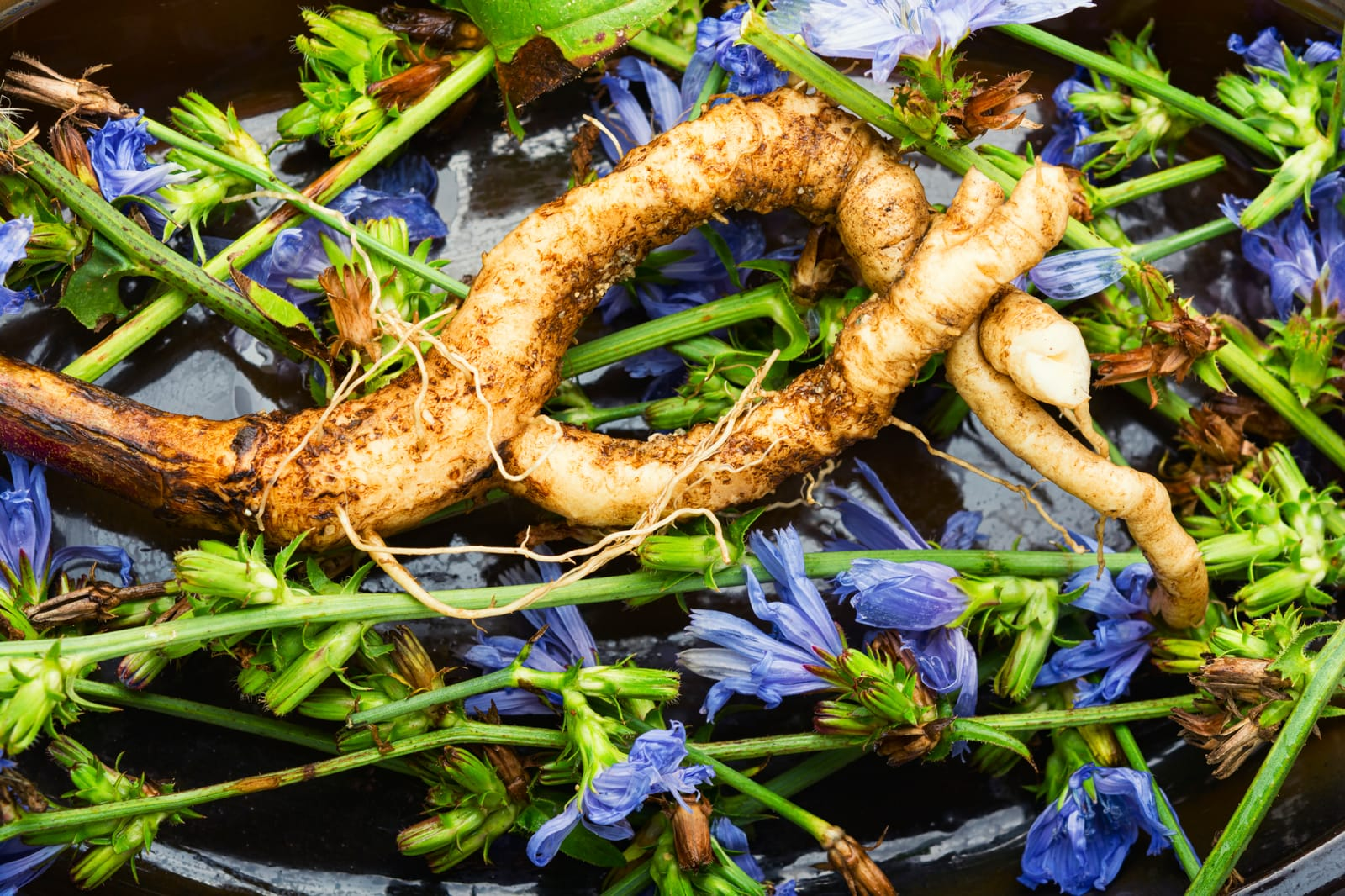
Chicory
Chicory has been used in Scotland both as a leaf and root crop, particularly during times when substitutes were needed for more expensive goods. Its roots were sometimes roasted as a replacement for coffee, while the leaves provided a bitter green. It grows well in a range of conditions and develops over a longer period. It requires a container depth of at least 30 centimetres, or ground spacing of around 20 centimetres. It takes several months to mature fully. Leaves may be harvested earlier, while roots are lifted later in the season.
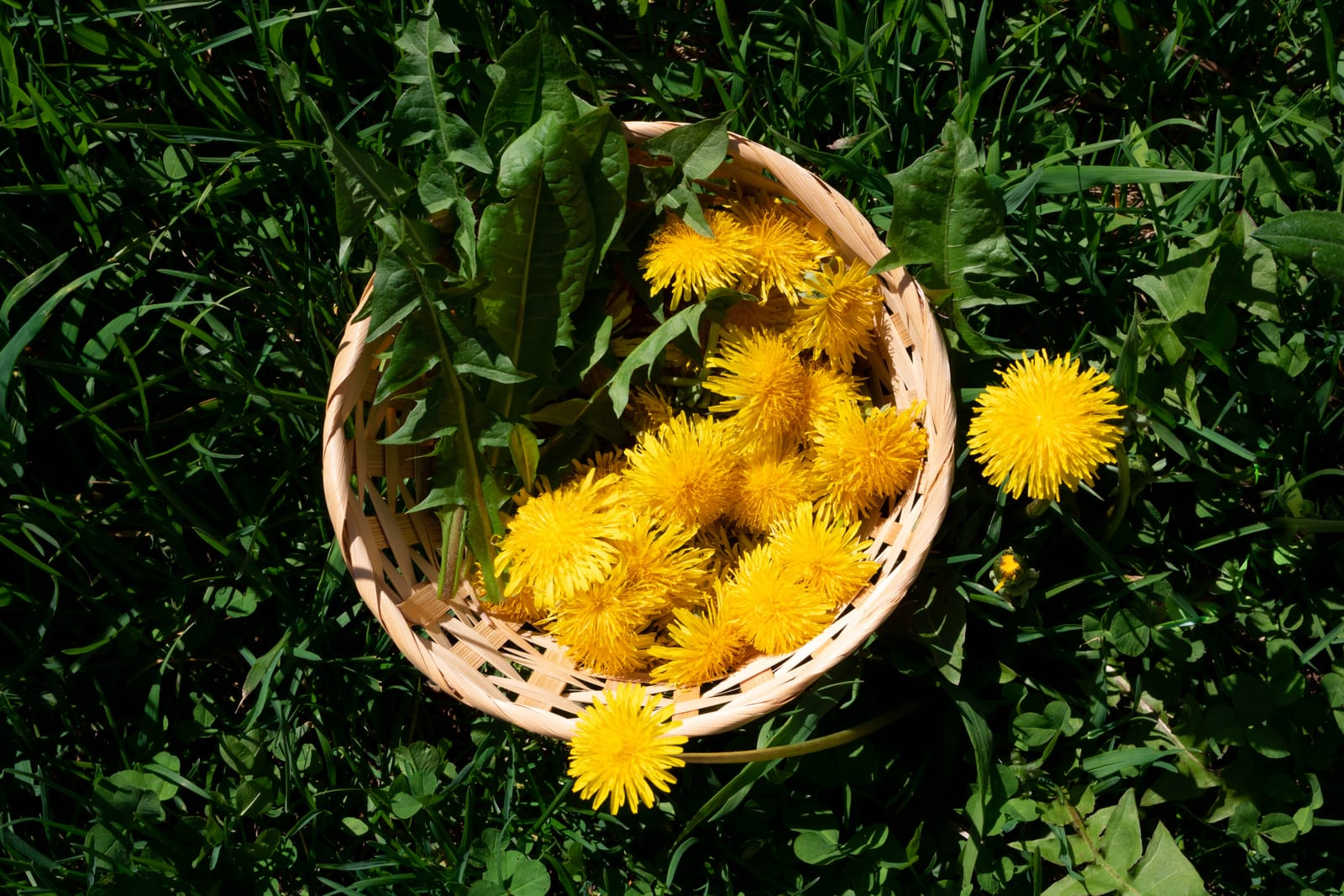
Dandelion
Dandelion has always been present across Scotland, growing freely in fields, gardens, and roadsides. Like nettles, it was not planted but recognised as useful. Its leaves were eaten fresh or cooked, and its roots and flowers also found uses. It requires no cultivation, though it can be grown in containers of around 20 centimetres depth if desired. It establishes quickly and can be harvested within weeks. Leaves are best taken young, before they become bitter, and are cut or pulled directly from the plant as needed.