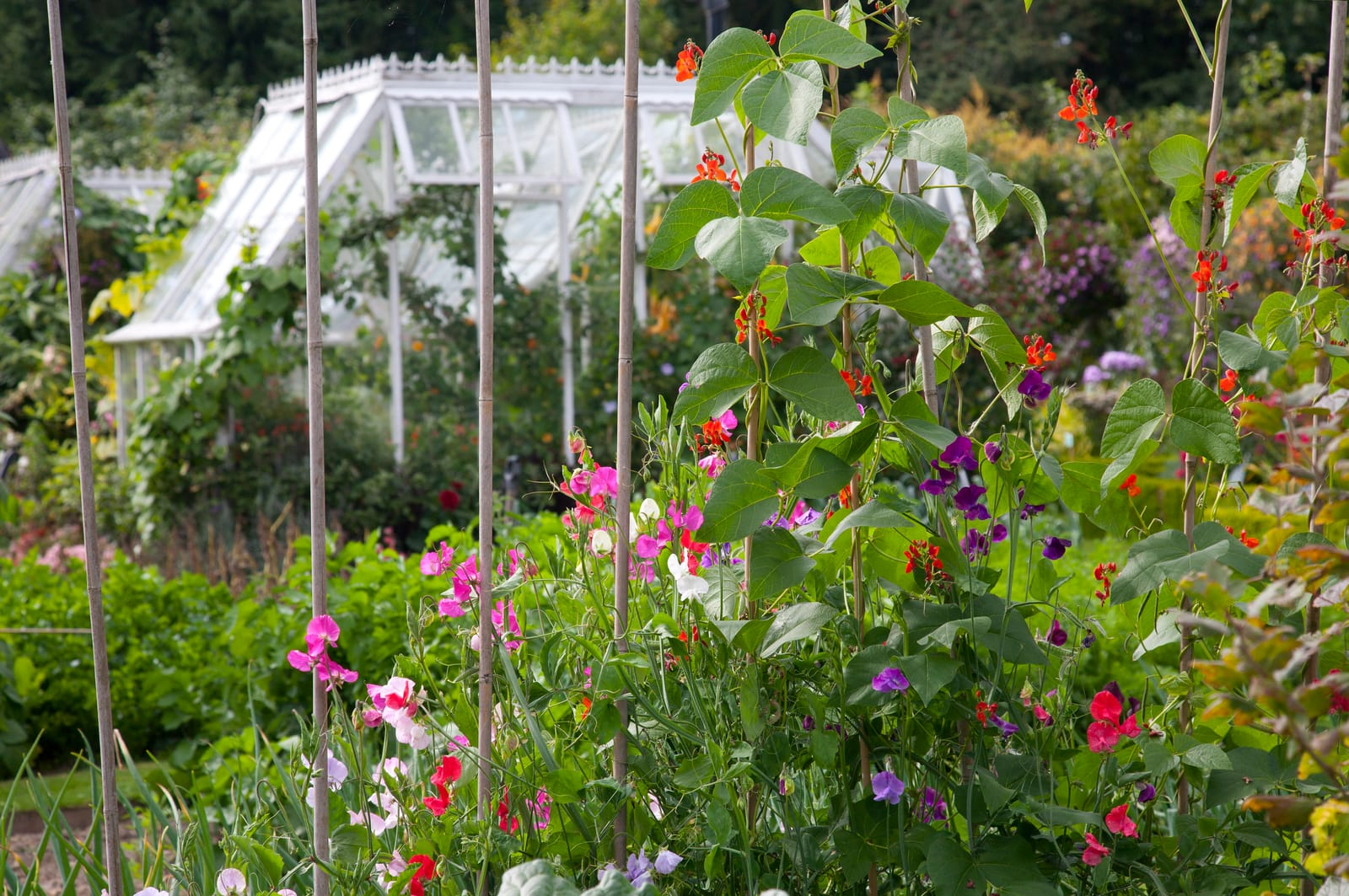
There is a particular dignity in the working gardens of Scotland, one that has nothing to do with ornament and everything to do with endurance. It was never designed to impress. It was arranged to feed. In the crofts of the Highlands, the small plots of the Lowlands, and the narrow strips behind cottages and tenements, a quiet system took shape over generations — one that understood climate, season, and necessity with remarkable precision. These were gardens of function, where potatoes, cabbages, carrots, onions, and beans formed the backbone of daily life. Each plant was chosen not for novelty, but for its ability to withstand poor soil, uncertain weather, and the long patience required of northern growing.
What emerges from this tradition is not austerity, but intelligence. The Scottish working garden was, in its own way, highly refined by balance and good judgement. Quick crops such as radish, lettuce, and spring onions provided immediacy, while slower, more substantial plantings such as leeks, parsnips, cabbages, and kale, carried the household forward. Nothing was wasted, and little was left to chance. Even within modest space, there was structure: roots below, leaves above, climbers given their frame, and staples given their ground. It was a system built on reliability, and in that reliability lay its quiet strength.
To revisit these crops today is to recognise a Scottish standard. The working garden offers a model of cultivation that remains entirely relevant: measured, efficient, and grounded in reality. It asks little in return for what it gives, provided one is willing to begin a traditional garden. Whether in a container, a courtyard, or a piece of open ground, the principle remains unchanged. These are more than just vegetables; they are the architecture of a way of living that understood how to provide, steadily, for those who depended upon it.
Here are the most common crops you’ll find in a Scottish working garden:
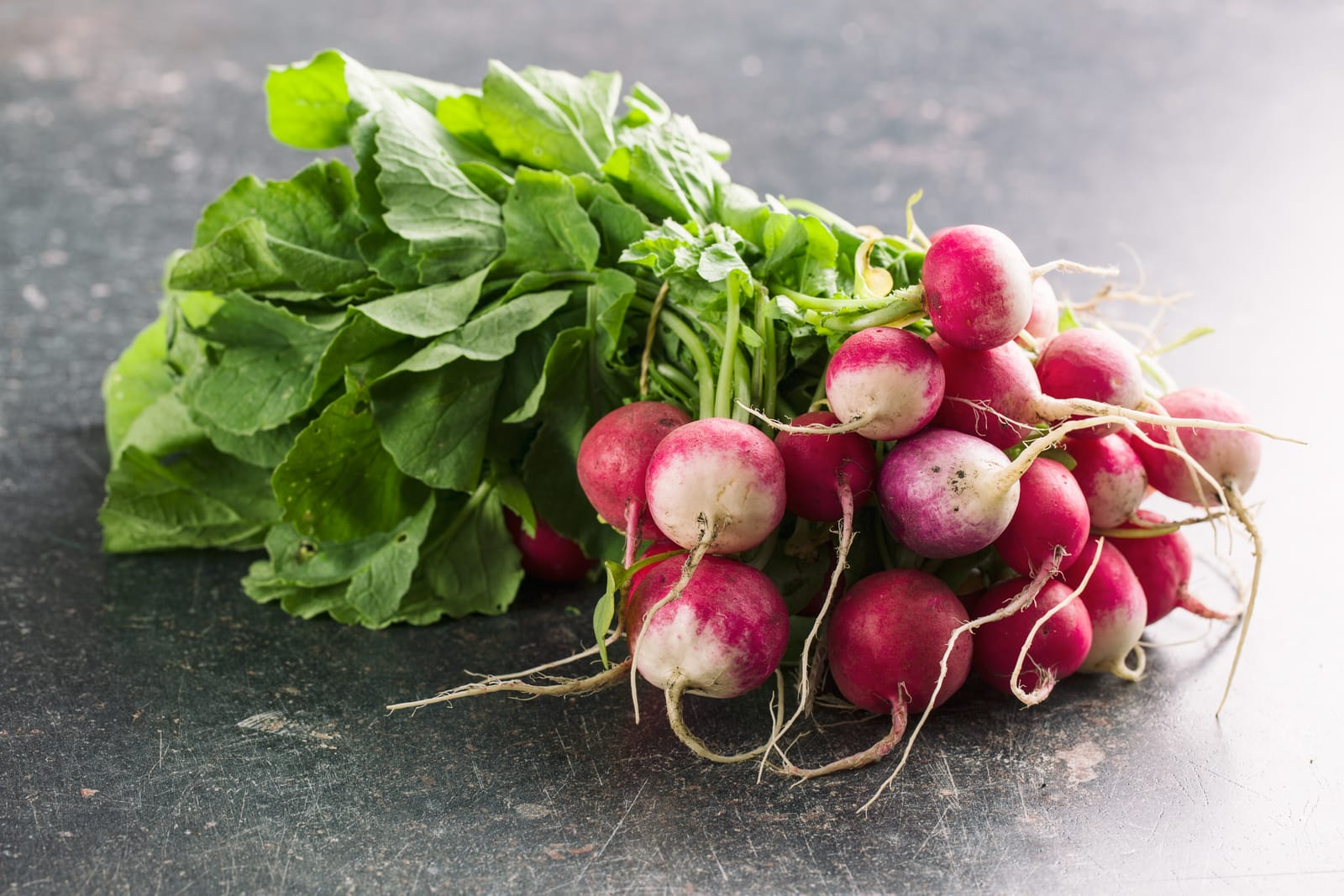
Radish
Radishes found their place in Scottish gardens not for romance, but for speed. In the short northern growing season, especially across the Highlands and crofts of the north-east, they were among the first fresh foods to break the long stretch of winter stores. Sown directly into shallow soil, even in rough containers or beside a doorstep, they could be pulled in as little as three to four weeks. A container of around 15 to 20 centimetres in depth is sufficient, with seeds spaced roughly 5 centimetres apart. In the ground, the same spacing applies. They require light but regular watering, and are best lifted early, while still small and crisp.
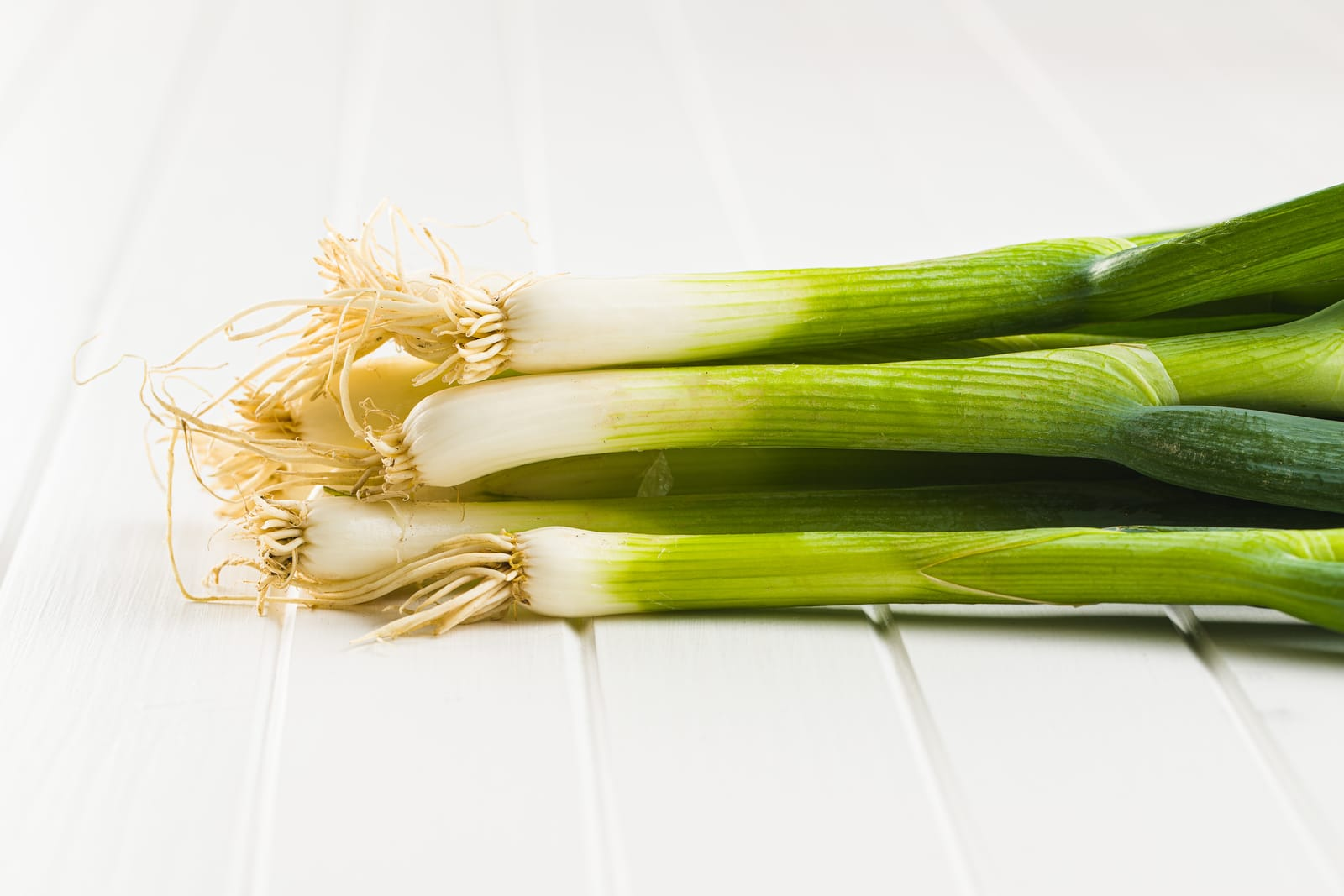
Spring Onions
Spring onions have long been a quiet constant in Scottish cottage gardens, particularly valued in places where the soil was thin and the weather uncertain. They were grown close to the house, often in small beds or boxes, where they could be cut as needed rather than harvested all at once. In Scotland, they served as the bridge between stored winter onions and the next season’s crops. They grow easily in shallow containers of around 15 centimetres, sown thickly and cut young after three to four weeks. In the ground, they may be scattered or spaced lightly. Watering should be steady but not heavy, allowing the soil to remain lightly moist.
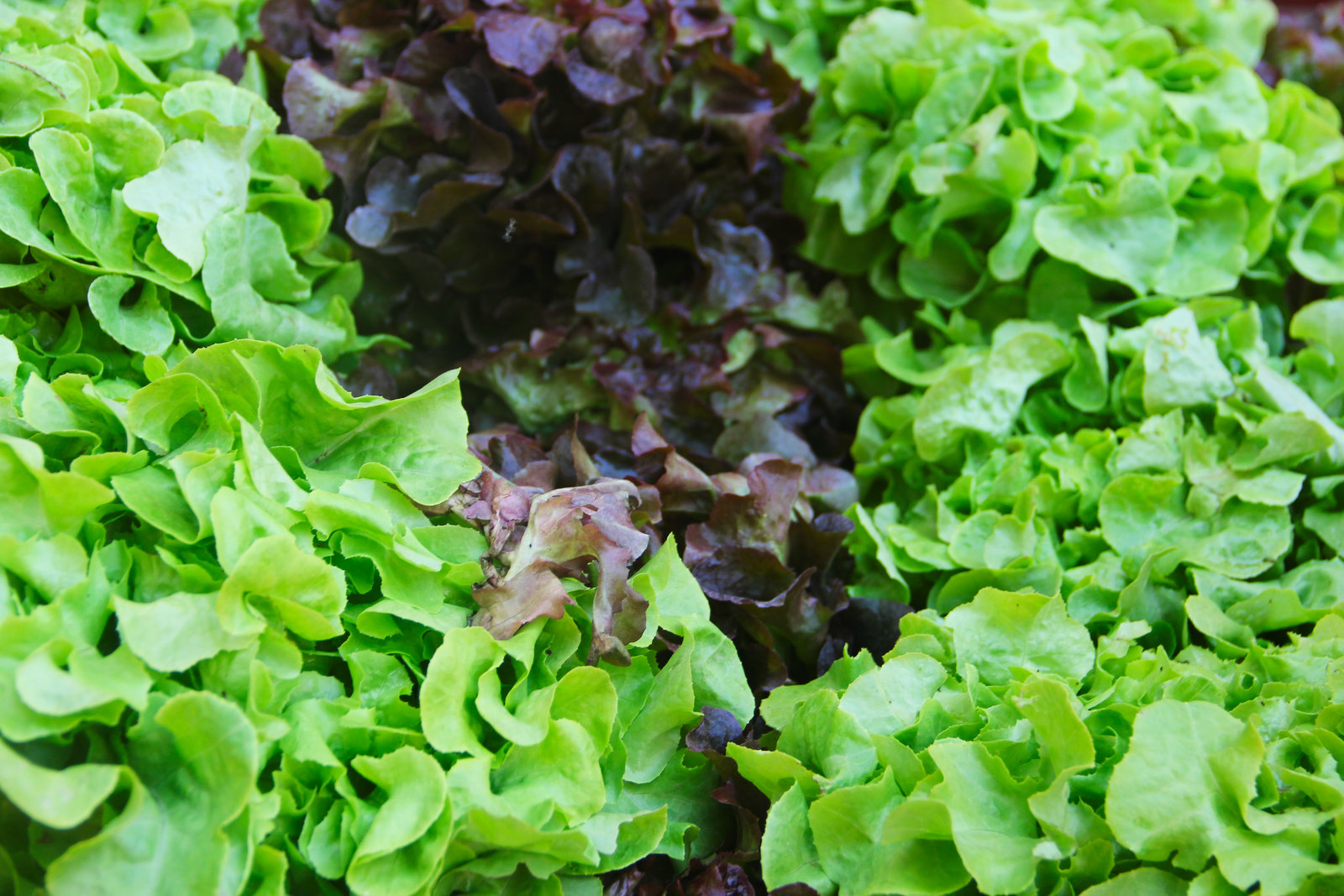
Lettuce (Cut and Come Again)
In Scotland, lettuce was never treated as a single harvest crop but as something to be returned to again and again. The practice of cutting leaves rather than pulling whole heads suited the modest scale of cottage gardens and the unpredictable weather. It thrived in the cooler Scottish summers, often better than in hotter climates. Grown in shallow containers of around 15 centimetres or directly in the ground, seeds are scattered thinly and allowed to develop into loose clusters. Within three to five weeks, leaves may be cut repeatedly, provided the base is left intact. Regular light watering is sufficient, and the plant will continue to provide through the season.
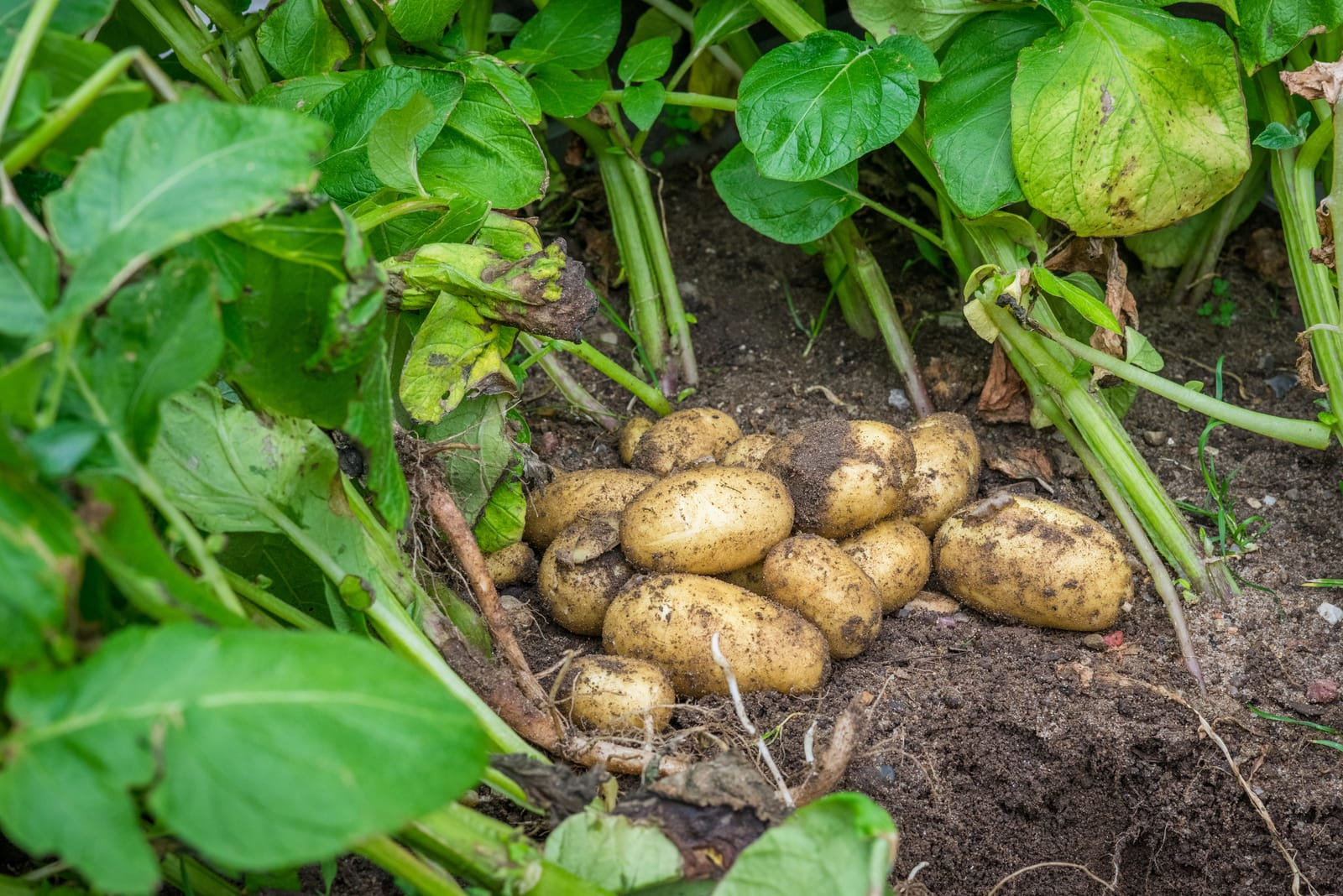
Potatoes
Few crops are as closely tied to Scotland as the potato. From the Highlands to the Lowlands, it became a foundation of life, grown in rigs, small plots, and any available ground. In harder times, potatoes were not simply a crop but the difference between scarcity and stability. Today, that same reliability translates well to containers, where they may be grown in bins or sacks at least 40 to 50 centimetres deep. Planted around 10 centimetres below the surface and gradually covered as they grow, they produce a harvest in 10 to 16 weeks. In the ground, they are spaced roughly 30 centimetres apart. They require consistent watering and are harvested by lifting or tipping out the soil.
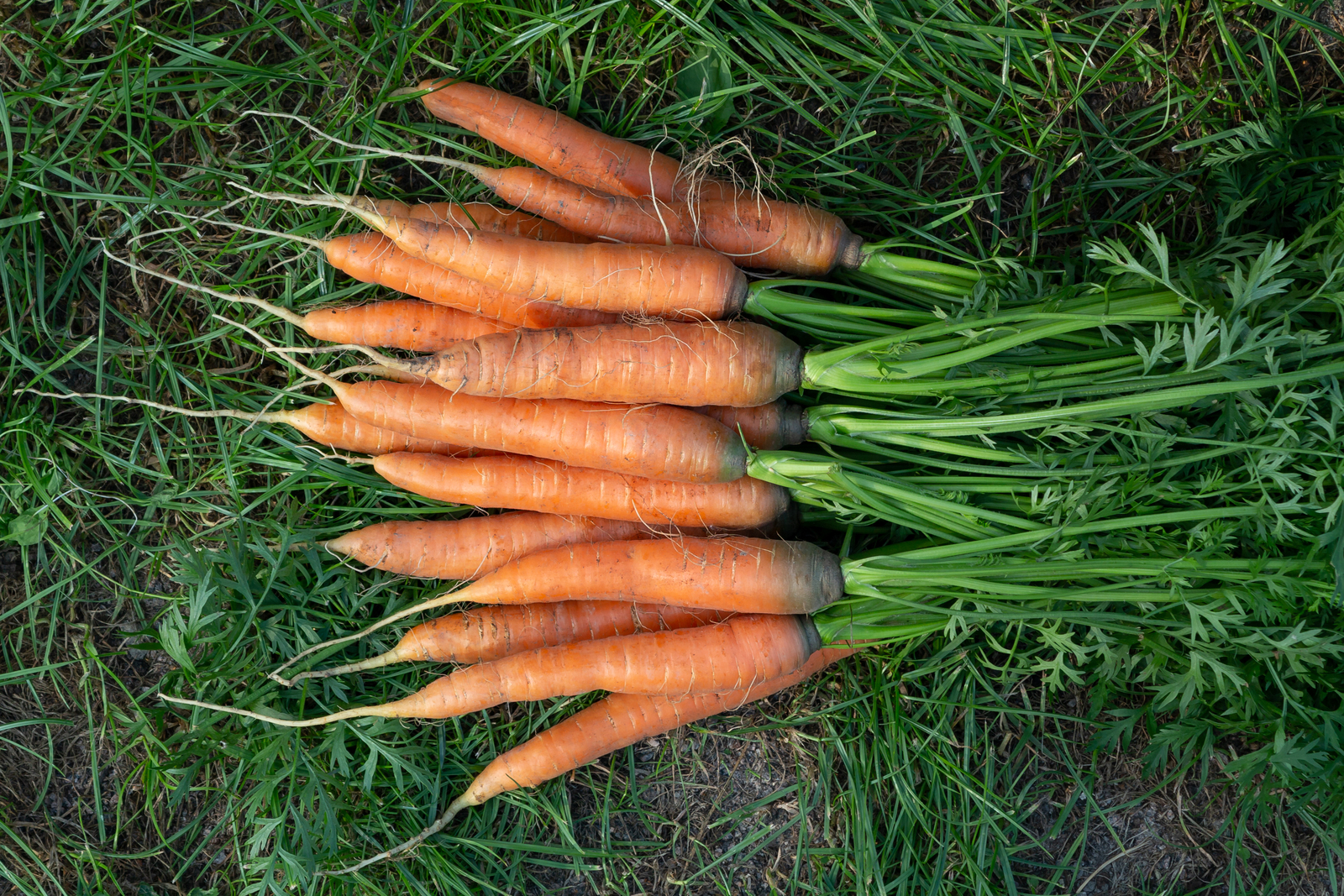
Carrots
Carrots have long been suited to Scotland’s cooler climate, where their slow, steady growth could proceed without the stress of excessive heat. They were often grown in lighter soils where their roots could develop properly, though in poorer ground they would still produce, albeit with irregular shapes. In containers, they require depth—at least 30 centimetres—to form properly. Seeds are sown thinly and left undisturbed, as thinning can attract pests. In the ground, spacing of 5 to 10 centimetres is sufficient. They take approximately 10 to 12 weeks to mature. Watering should be even, avoiding sudden drying. Harvesting is done by gently pulling from the crown.
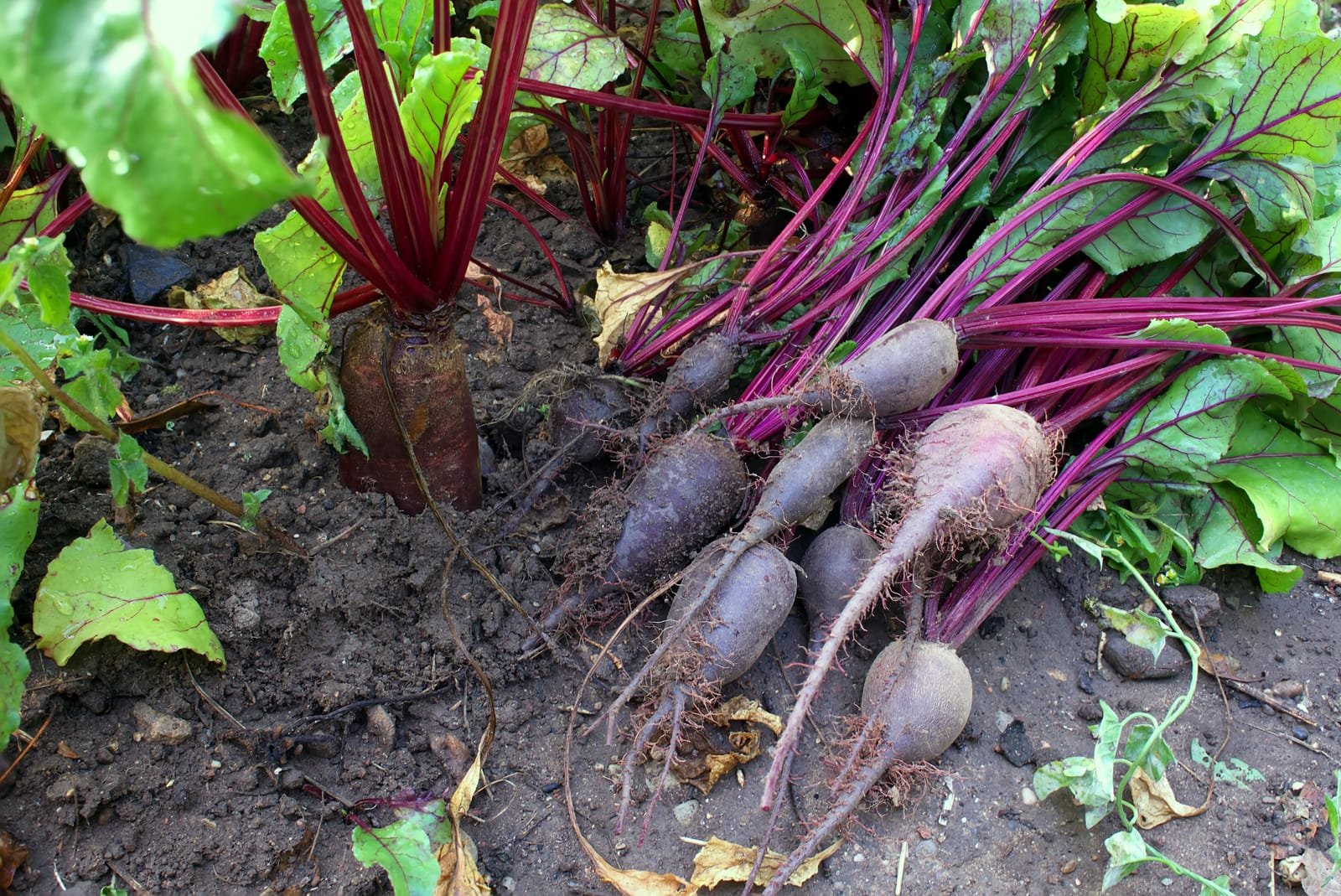
Beetroot
Beetroot has long been valued in Scotland for its practicality as much as its flavour. It could be eaten fresh, but more importantly, it could be stored or pickled, extending its usefulness well beyond the growing season. In cottage gardens, it was often grown alongside other root crops as part of a steady, dependable rotation. In containers of around 25 centimetres depth, seeds are planted roughly 10 centimetres apart. In the ground, the same spacing applies. It reaches harvest in 8 to 10 weeks, though it may be taken earlier. Both root and leaves are usable. Regular watering supports even growth, and the root is lifted by twisting and pulling gently from the soil.
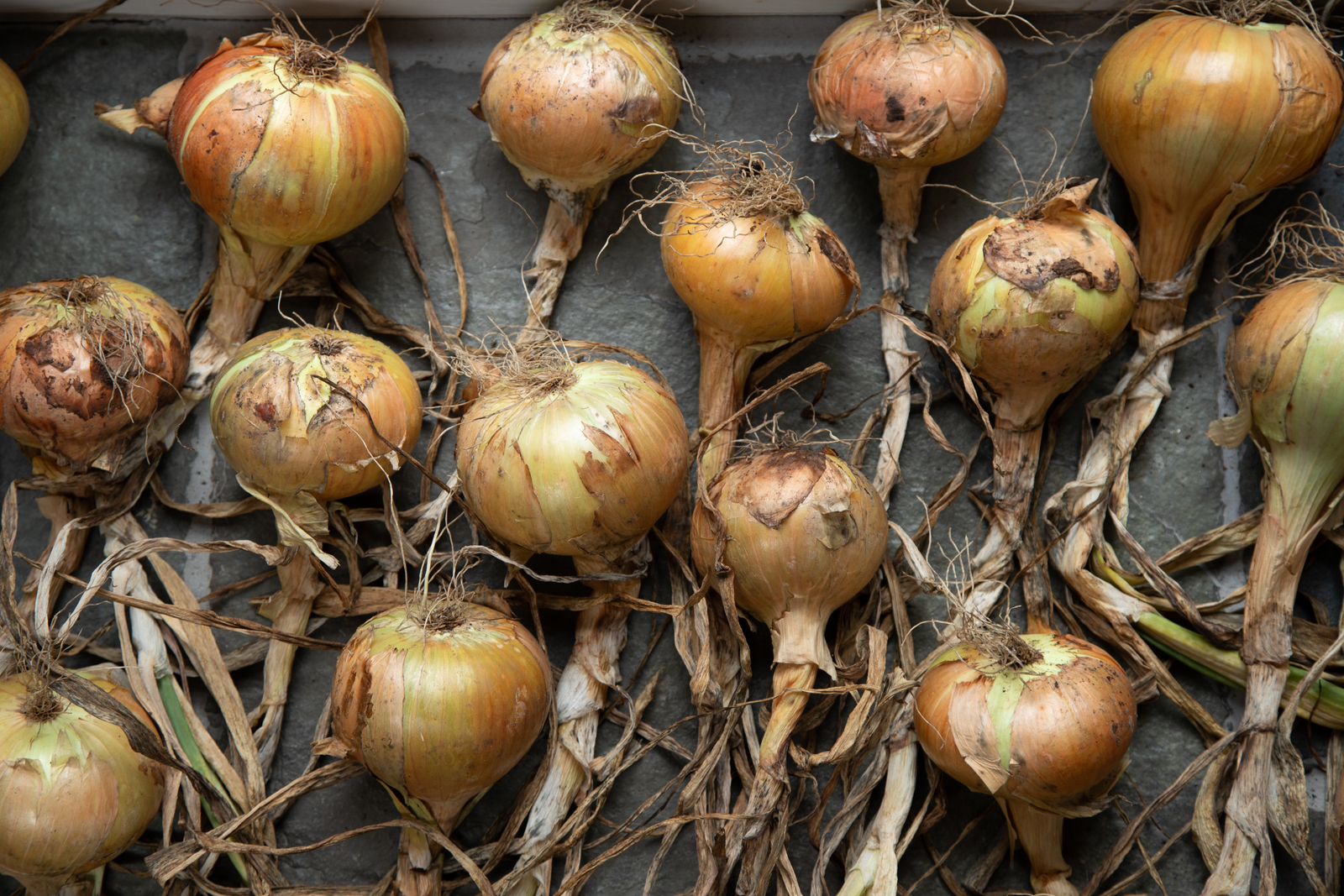
Onions
Onions have been an essential part of Scottish cooking for generations, not as a main crop but as the foundation of flavour. They were grown carefully and stored well, often lasting through the winter months. In Scotland, onion sets—small immature bulbs—were commonly used to ensure reliable growth in uncertain conditions. While they can be grown in containers of around 20 centimetres depth, they are best suited to open ground, where they are spaced 10 to 15 centimetres apart. They take four to five months to mature. Watering should be moderate, reducing as they near harvest. When the tops fall over naturally, they are lifted and left to dry before storage.
Broad Beans
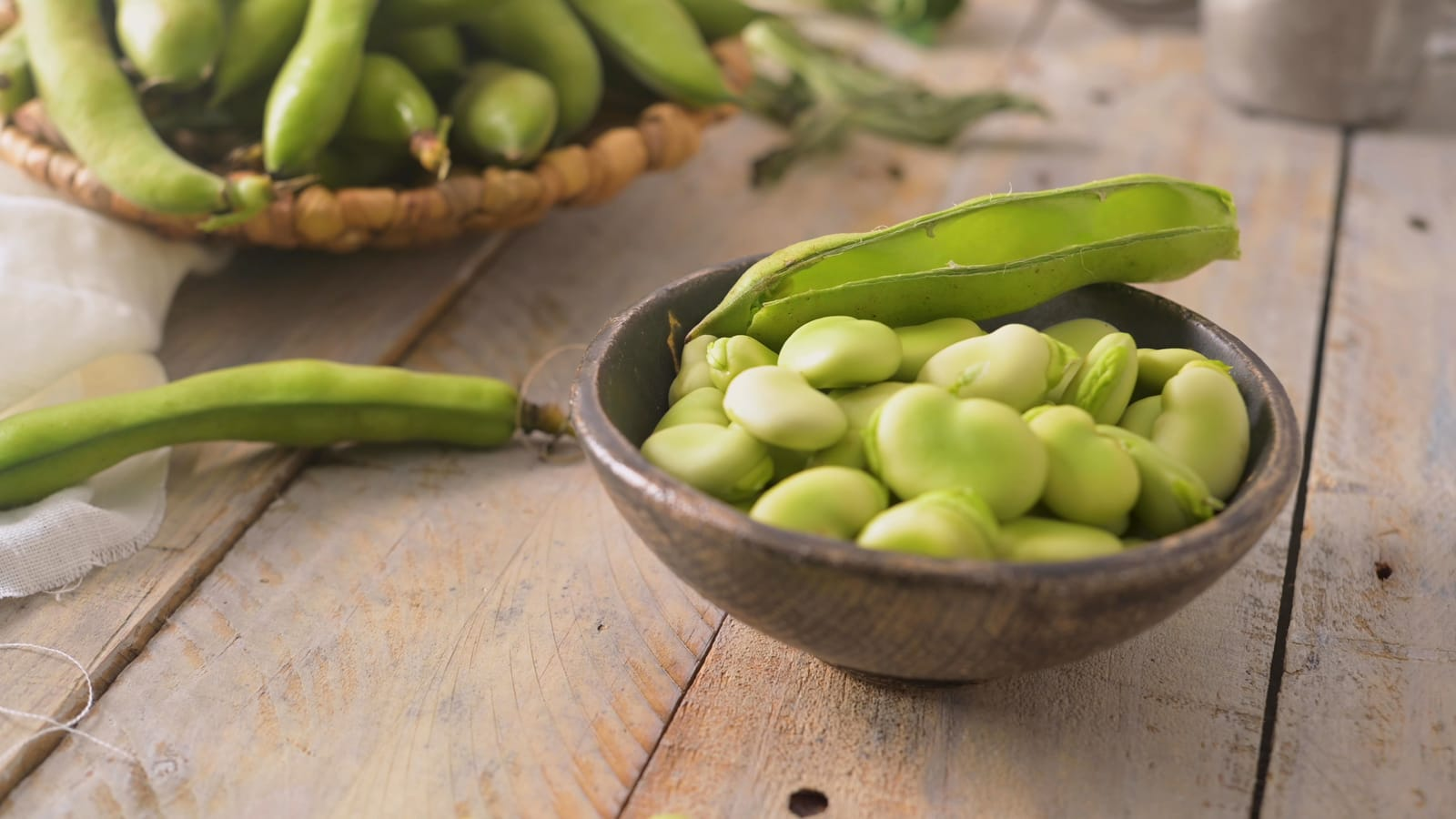
Broad beans are among the oldest crops grown in Scotland, valued for their ability to tolerate cooler temperatures and less forgiving soil. They were often planted early, providing one of the first substantial crops of the season. Their sturdy nature made them a dependable choice for smallholders and gardeners alike. They can be grown in containers around 30 centimetres deep, though they perform best in the ground at a spacing of about 20 centimetres. They reach harvest in roughly 10 to 12 weeks. Watering should be steady but not excessive. Pods are picked once full, and regular harvesting encourages further production.
Peas
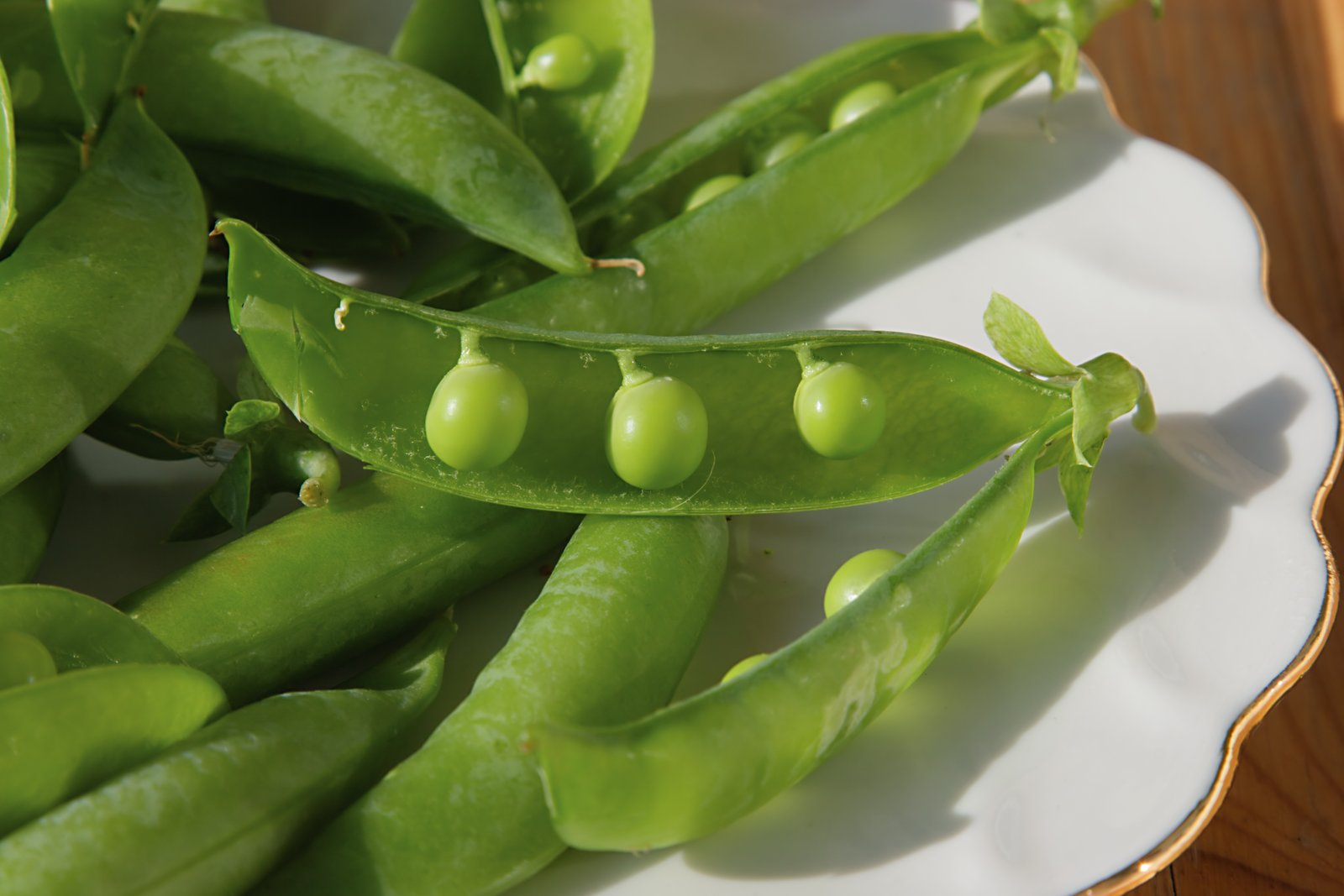
Peas have long held a place in Scottish gardens, both fresh and dried. In earlier times, dried peas were used in soups and broths through the winter, while fresh peas offered a brief but welcome sweetness in summer. They grow readily in containers around 25 centimetres deep, provided they are given support to climb. In the ground, they may be spaced closely, around 5 to 10 centimetres apart. They take approximately 10 to 12 weeks to mature. Watering should be moderate. Harvesting is done when the pods are full but still tender, and frequent picking encourages continued production.
Cabbage
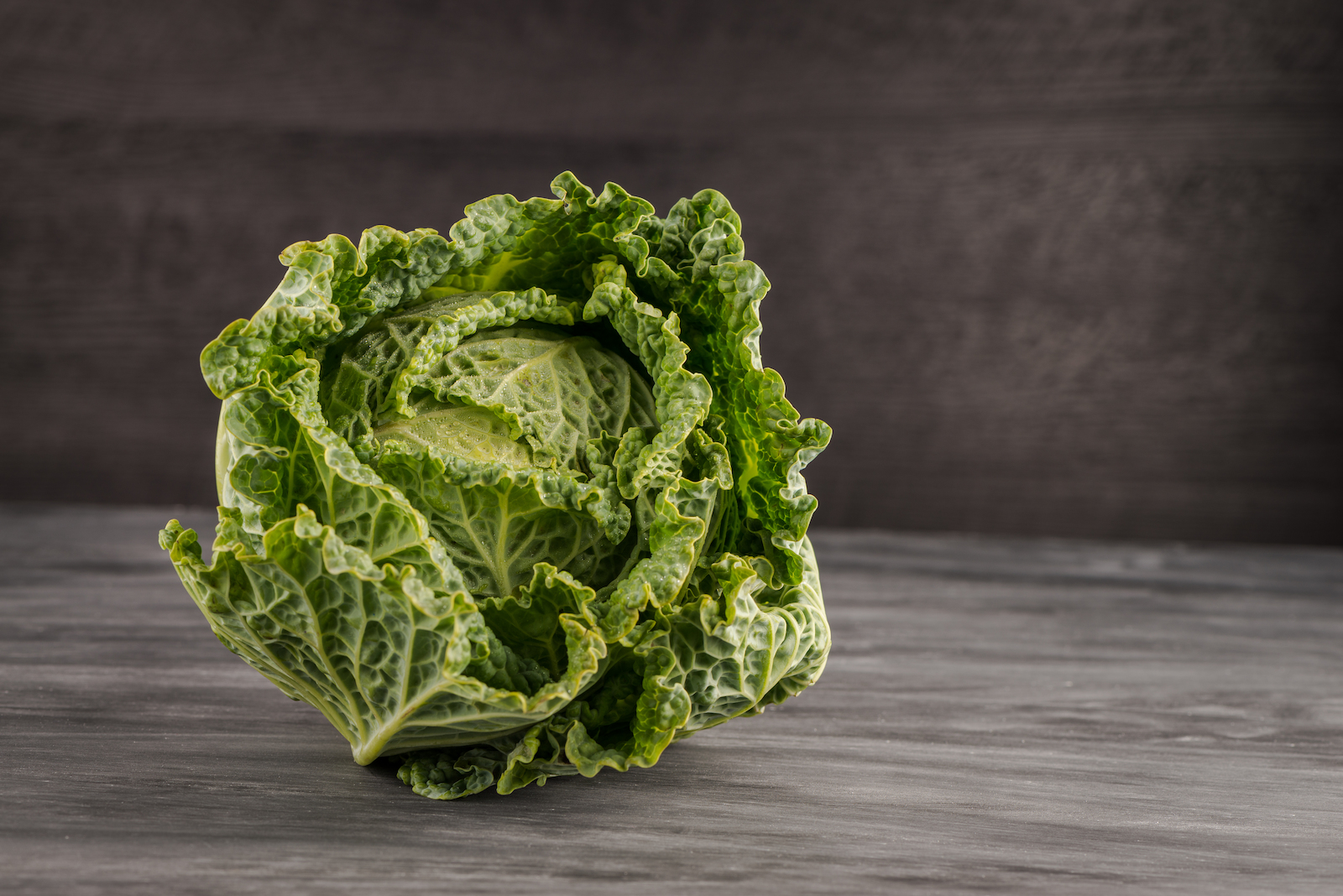
Cabbage has long stood at the centre of Scottish growing, valued not for delicacy but for its ability to provide steady, substantial food through much of the year. In cottage gardens and larger plots alike, it was planted with the expectation that it would endure the weather and yield something worthwhile in return. It requires space to grow properly, typically around 45 centimetres between plants in the ground, and is not well suited to containers due to its size. It takes three to five months to mature, depending on variety. Watering should be consistent to prevent splitting, and harvesting is done by cutting the head at the base, with outer leaves taken earlier if needed.
Scots Kale
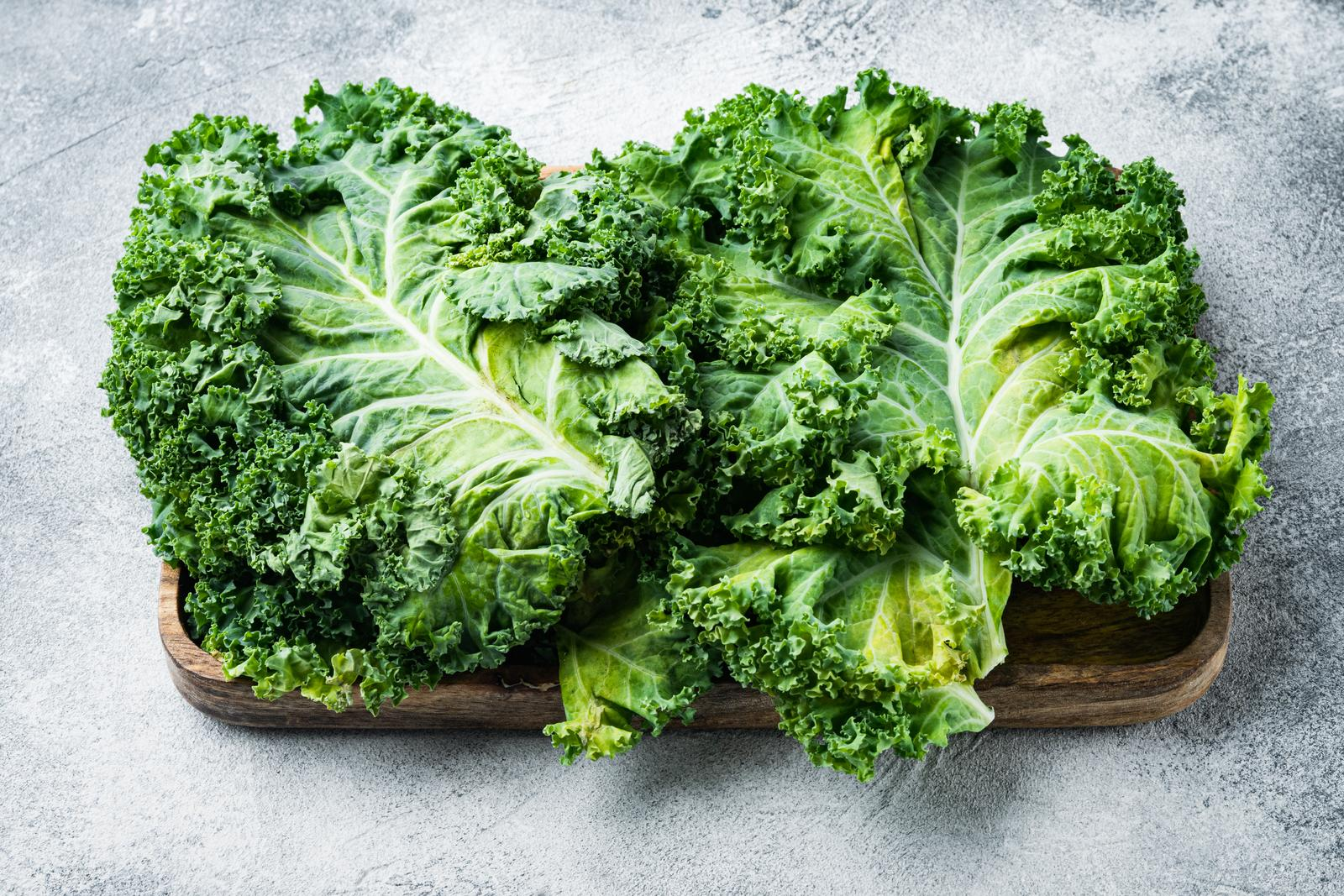
Kale is perhaps the most distinctly Scottish of all these crops. Known as Scots kale or cottage kale, it was grown beside homes across the Highlands and Islands, valued for its resilience more than anything else. It could survive poor soil, harsh wind, and cold weather, continuing to produce when other crops had failed. In containers of around 30 centimetres depth it can be grown successfully, though it thrives best in the ground at a spacing of around 40 centimetres. Once established, it can be harvested continuously by removing lower leaves. It requires little attention beyond occasional watering and will often improve in flavour after frost.
Turnips
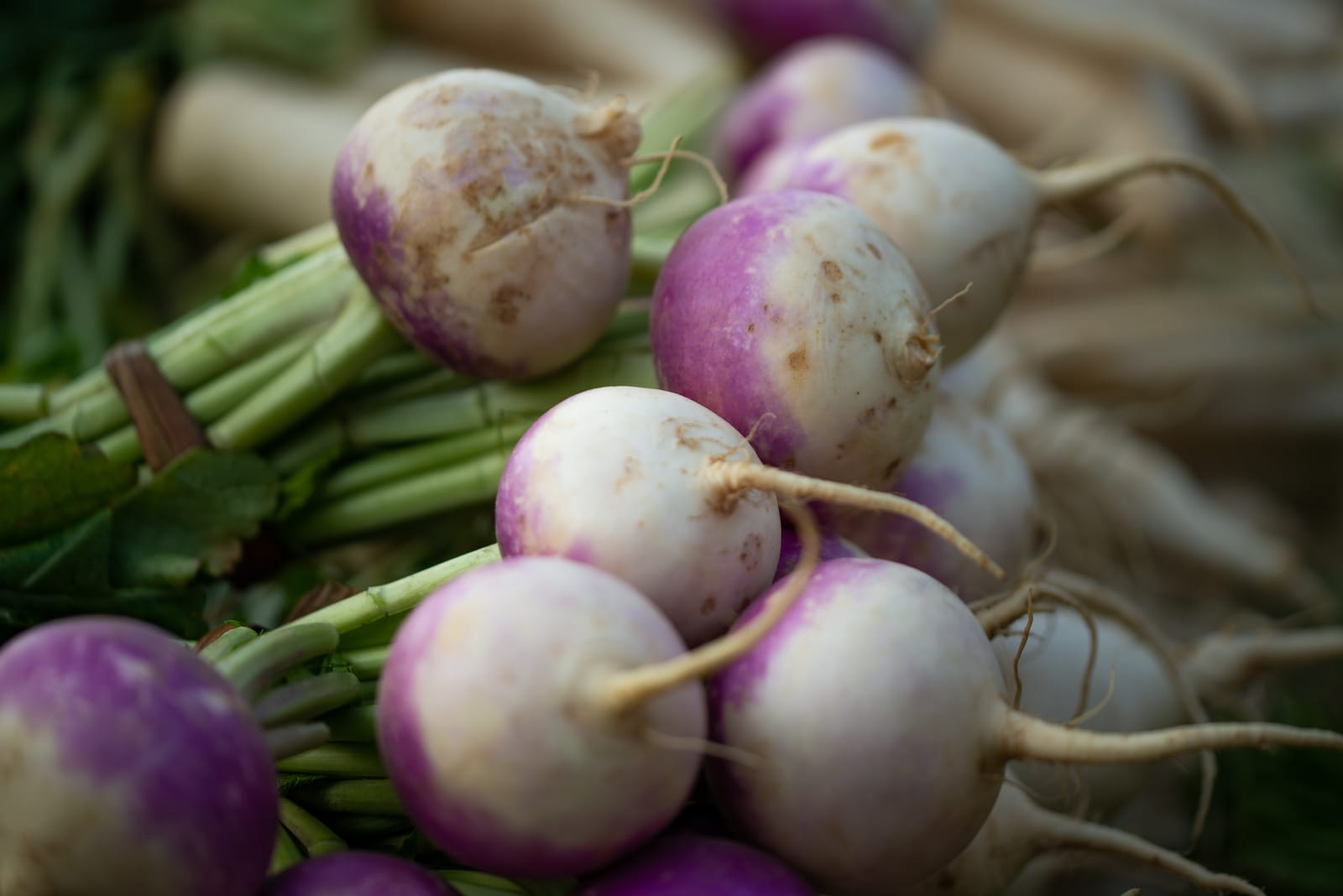
Turnips have long been a dependable crop across Scotland, particularly in poorer soils where other roots might struggle. In the Highlands and Lowlands alike, they were grown both for the table and, in larger form, for livestock, forming part of the rhythm of rural life. They grow quickly, often ready in around eight weeks, making them one of the more practical choices for uncertain seasons. In containers, a depth of around 20 to 25 centimetres is sufficient, with seeds spaced roughly 20 centimetres apart. In the ground, the same spacing applies. They require moderate watering, and are best harvested while still young and tender, before they grow coarse.
Swedes
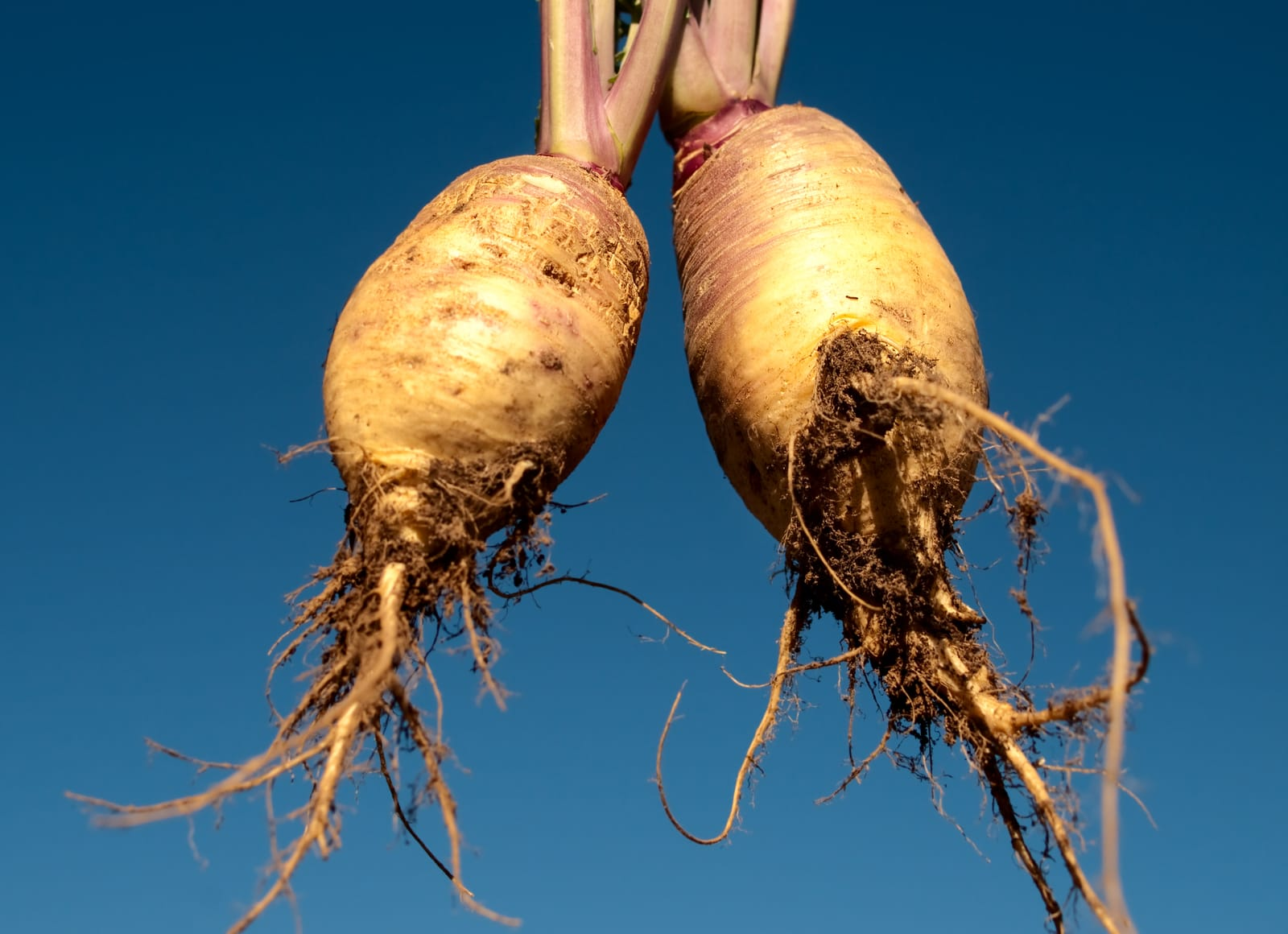
Swedes, or neeps as they are known in Scotland, hold a particular place in the national character, most famously served alongside haggis. Introduced later than the turnip, they became a staple in colder regions due to their hardiness and ability to remain in the ground well into winter. They take longer to mature, typically 12 to 16 weeks, and require deeper soil to develop properly. Containers are not ideal, but if used, should be at least 30 centimetres deep. In the ground, they need around 30 centimetres of space between plants. Watering should be steady, and they are harvested when firm and well-sized, often after the first cold weather improves their flavour.
Parsnips
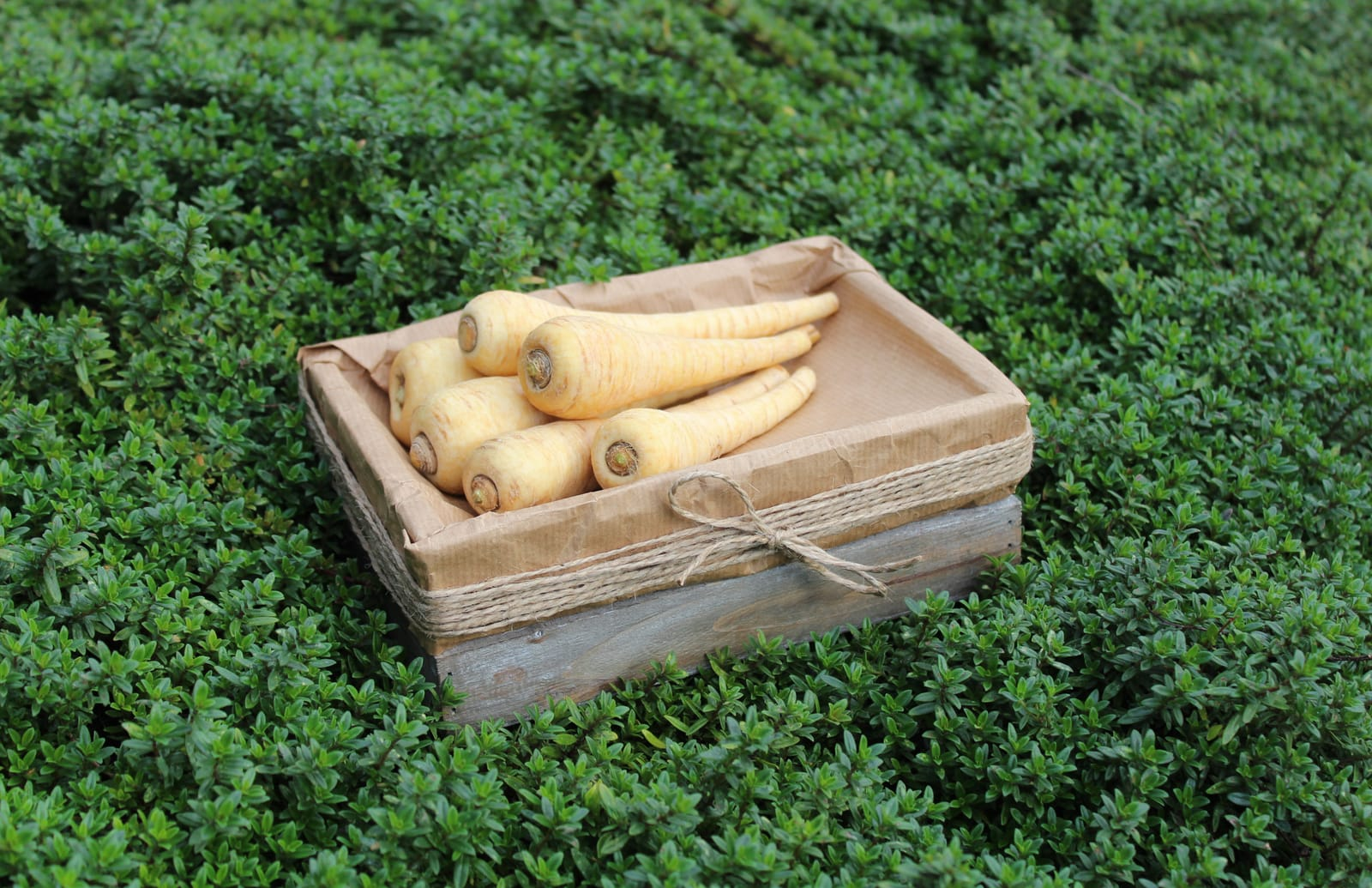
Parsnips have been grown in Scotland for centuries, valued particularly before the widespread adoption of the potato. They were a key winter food, as they could be left in the ground and lifted as needed. Their long growing period requires patience, often taking five to six months to mature. They demand depth, making containers impractical unless they are at least 30 centimetres deep, and even then results may vary. In the ground, they should be spaced about 15 centimetres apart. Once established, they require little watering. Harvesting is best done after frost, which improves their sweetness, by carefully loosening the soil and lifting the root intact.
Leeks
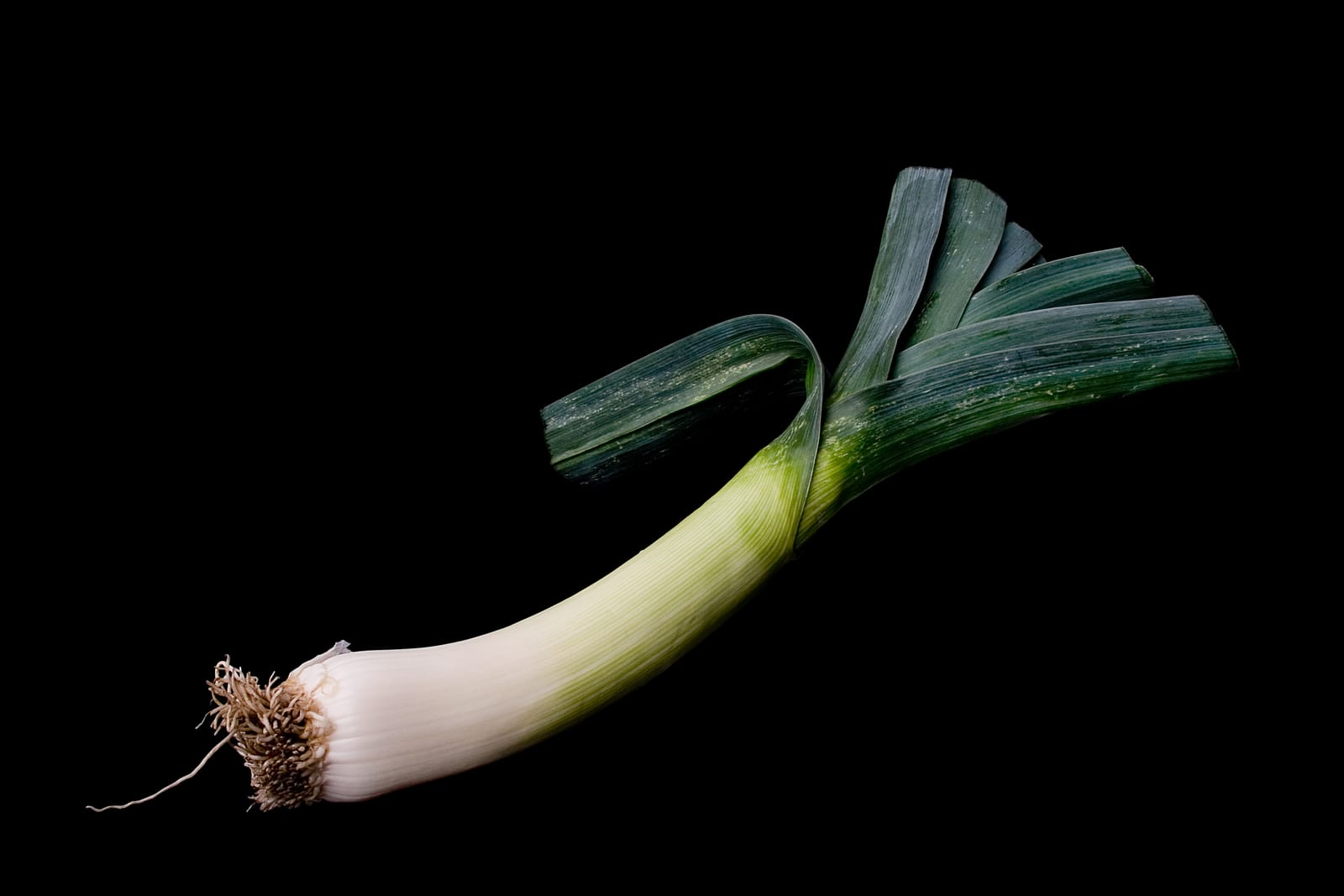
Leeks have long been associated with the cooler climates of Scotland, where their slow growth suits the steady progression of the seasons. They were often planted as a winter crop, providing fresh food when little else remained. They take around four to five months to reach maturity. While they can be grown in deep containers of about 30 centimetres, they are more commonly planted in the ground, spaced around 15 centimetres apart. They are traditionally planted into deep holes, which helps produce their long white stems. Watering should be regular. Harvesting is done by lifting them carefully once they have reached a suitable thickness.
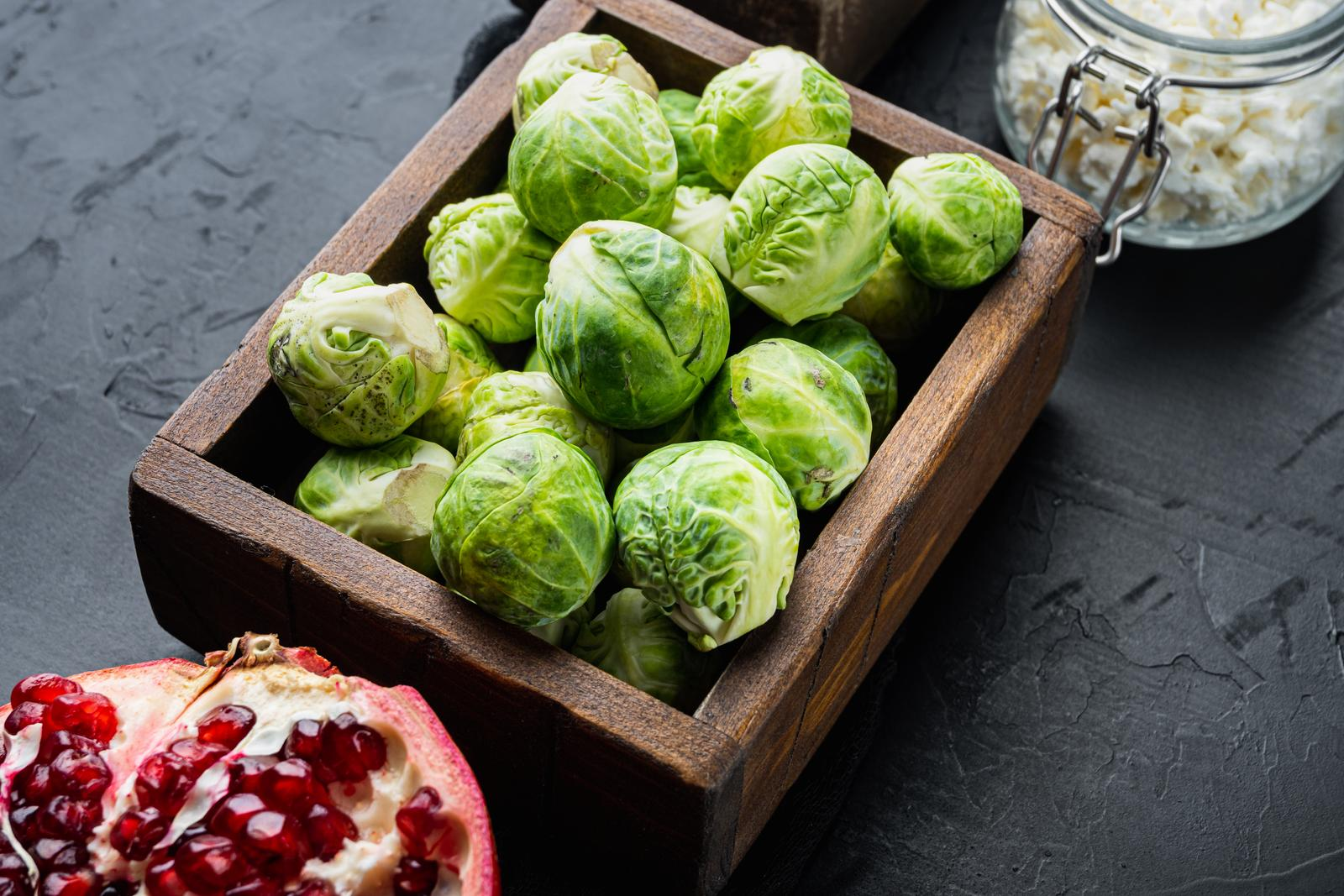
Brussels Sprouts
Brussels sprouts are a later addition to Scottish gardens, but have become firmly established as a winter crop. They are slow to grow, often taking five to seven months, but provide food deep into the colder months when other crops have finished. Due to their size and long growing period, they are not suited to containers and require ground space of about 60 centimetres between plants. They benefit from firm soil and consistent watering. Harvesting is done gradually, picking the sprouts from the bottom of the stem upward as they mature.
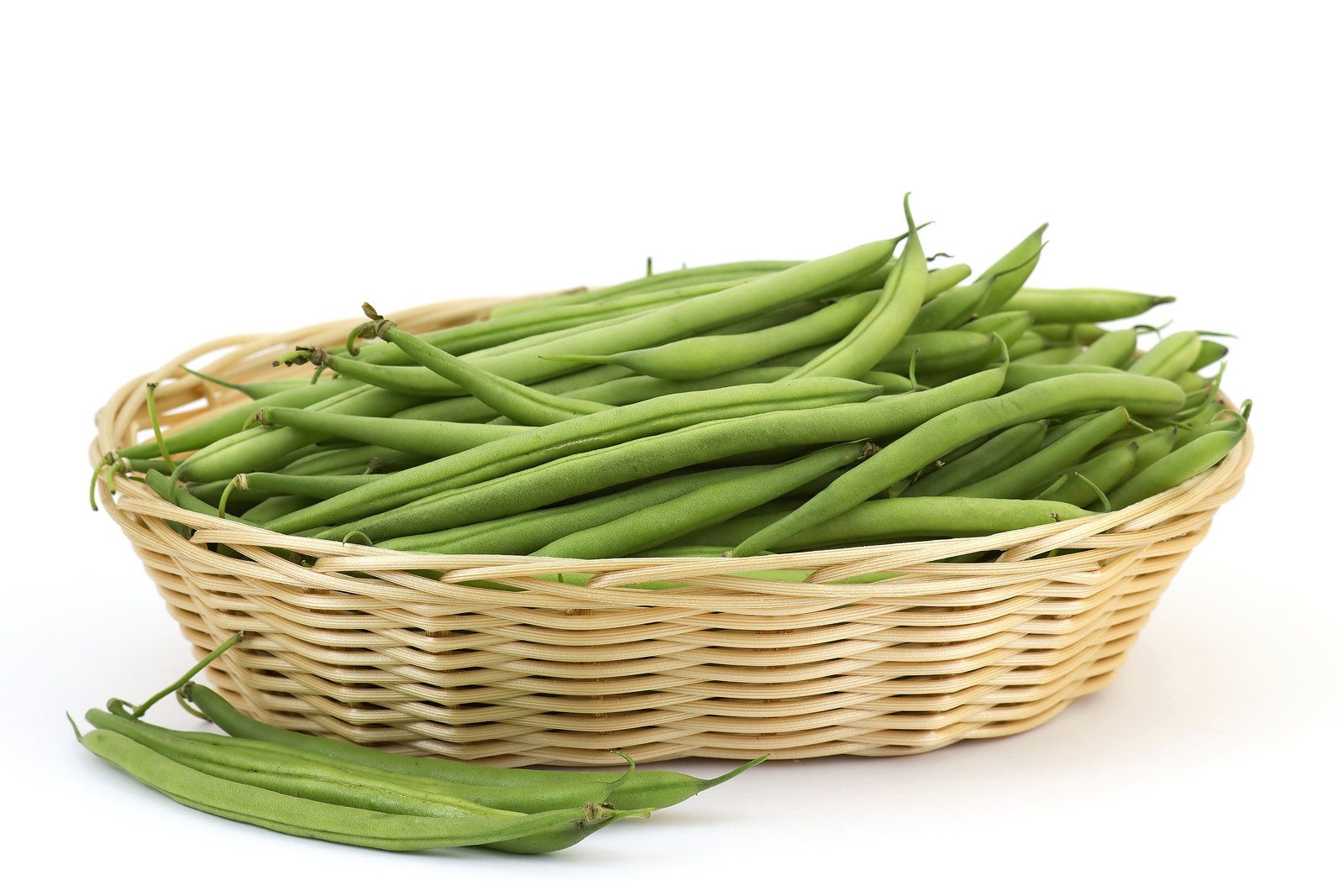
French Beans
French beans, though less traditional than broad beans, have become a common and productive crop in Scottish gardens. They are valued for their relatively quick growth and steady yield. They can be grown in containers of around 30 centimetres depth, provided they have support, or in the ground spaced about 20 centimetres apart. They take approximately 8 to 10 weeks to begin producing. Watering should be regular, particularly during flowering. Harvesting is best done frequently, while the pods are still young, as this encourages further production and maintains tenderness.
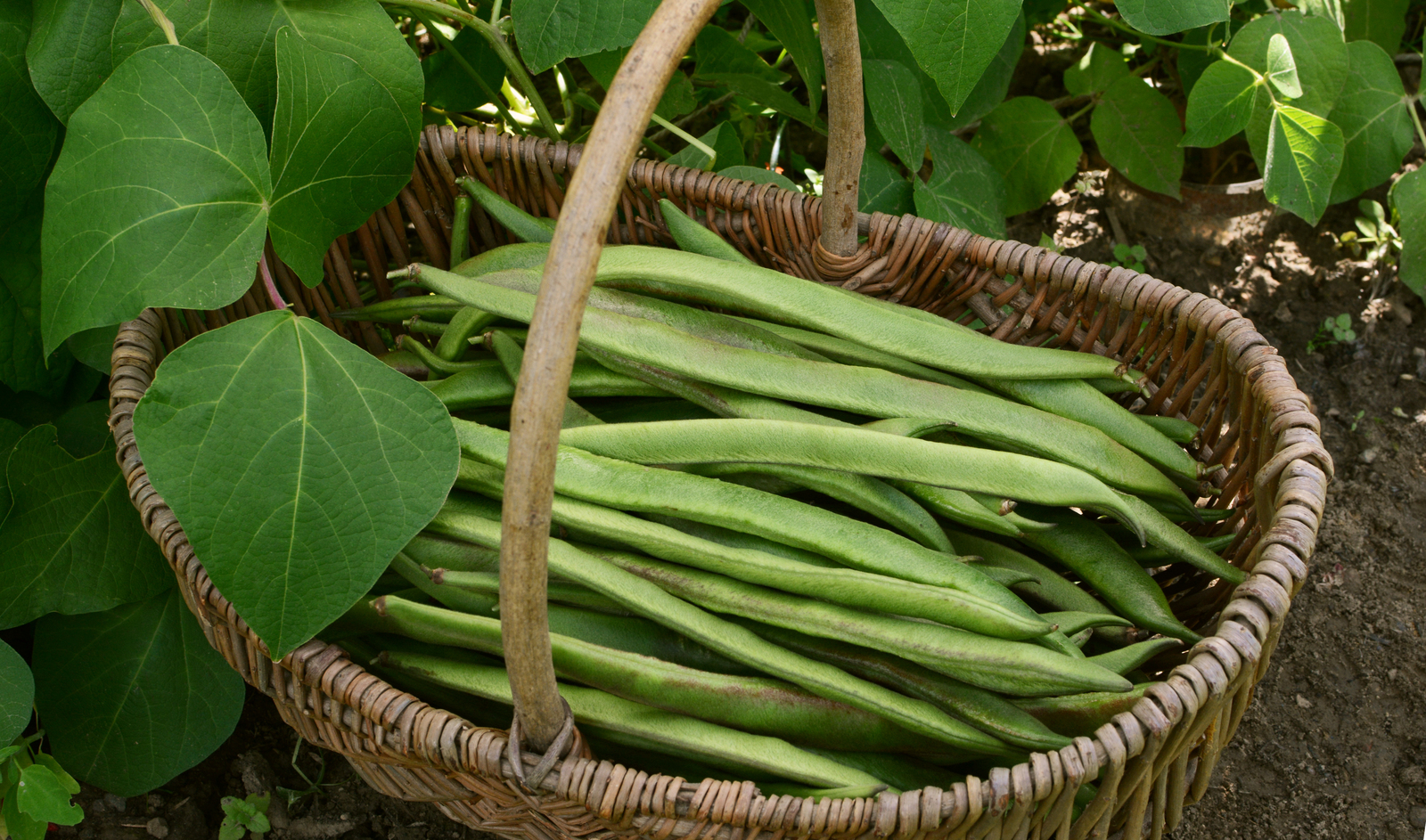
Runner Beans
Runner beans have become a familiar sight in Scottish gardens, climbing tall frames and producing heavily through the summer. Though originally from warmer climates, they have adapted well to Scottish conditions when given shelter and support. They require more space than French beans and are best grown in the ground, spaced about 30 centimetres apart, though large containers of at least 40 centimetres depth can be used. They take around 10 to 12 weeks to begin producing. Watering should be generous. Pods should be harvested regularly while young to keep the plant productive.
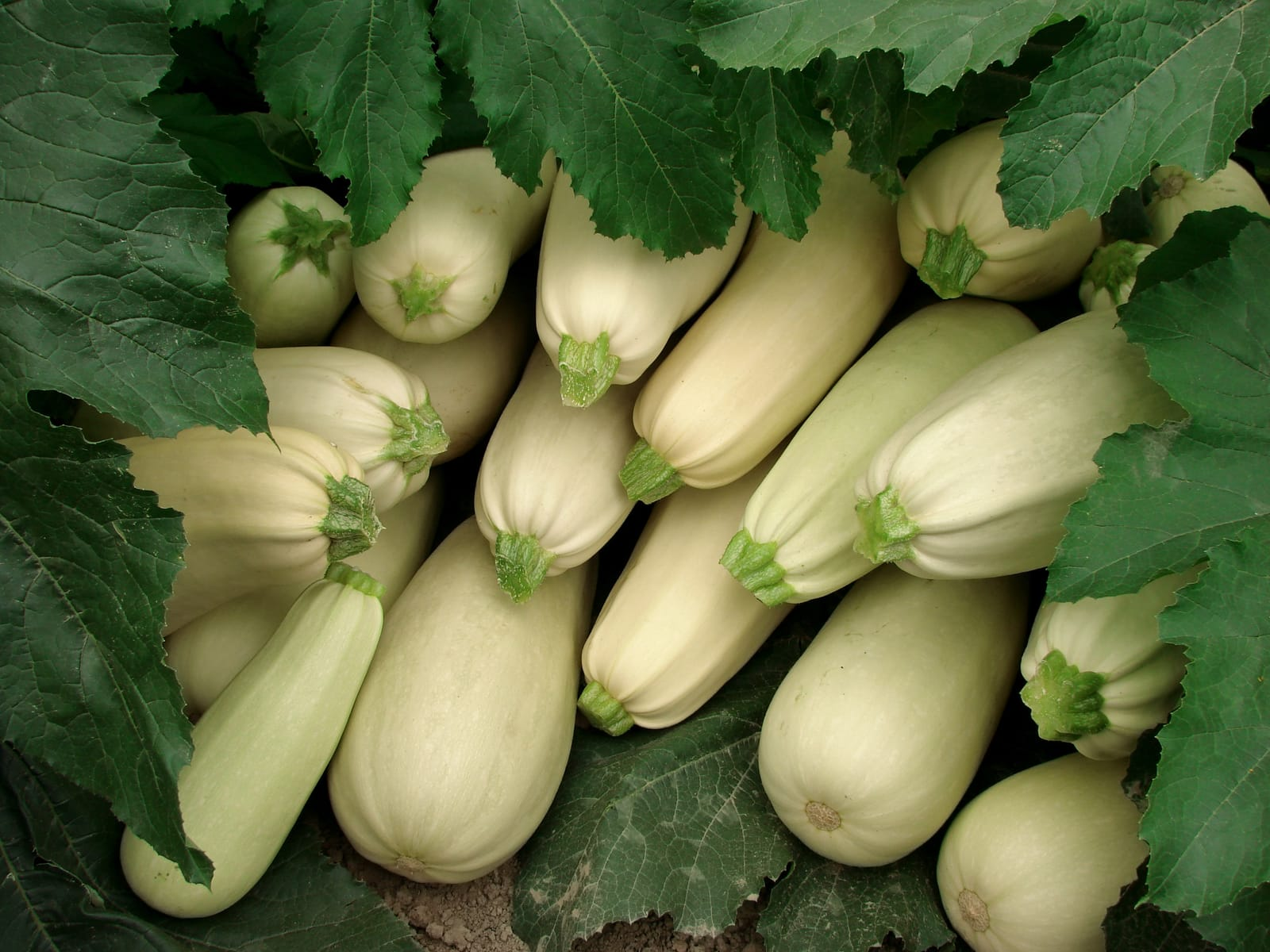
Marrows
Marrows represent the larger, more expansive side of traditional growing, often found in bigger gardens where space allowed. In Scotland, they were grown for their size and ability to provide substantial food from a single plant. They require significant room, typically around one metre per plant, and are not well suited to containers. They take approximately 10 to 12 weeks to mature. Watering should be consistent, especially in dry periods. Harvesting can be done earlier for tenderness, or later when the fruit has grown large, depending on use.
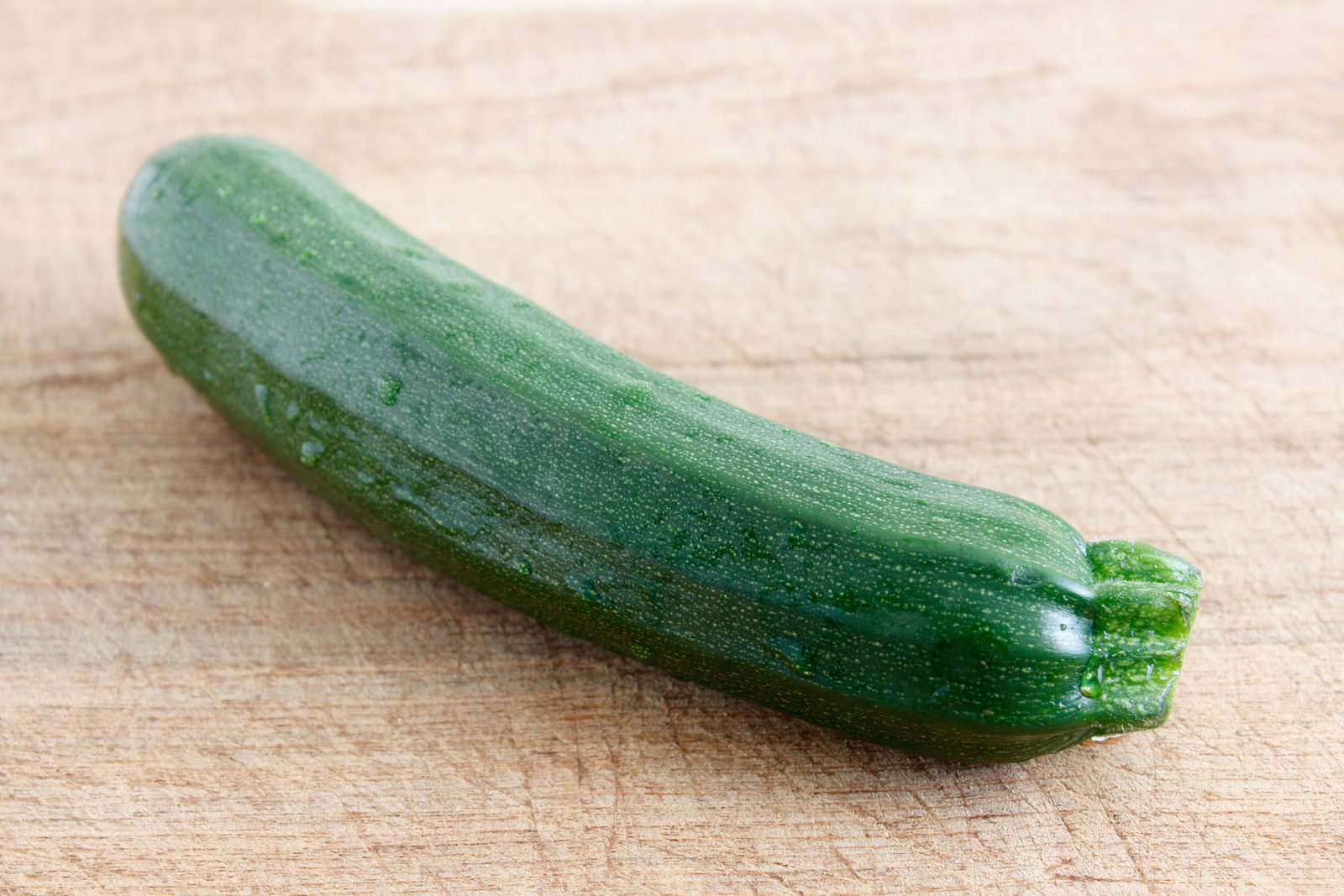
Courgettes
Courgettes, closely related to marrows, are more practical for smaller spaces and have become widely grown in Scotland. They are known for their productivity, often yielding continuously once established. They can be grown in large containers of around 40 centimetres depth, or in the ground with about one metre of space. They take roughly 8 to 10 weeks to begin producing. Watering should be regular and generous. Harvesting is best done when the fruits are still small, which encourages further growth and improves flavour.
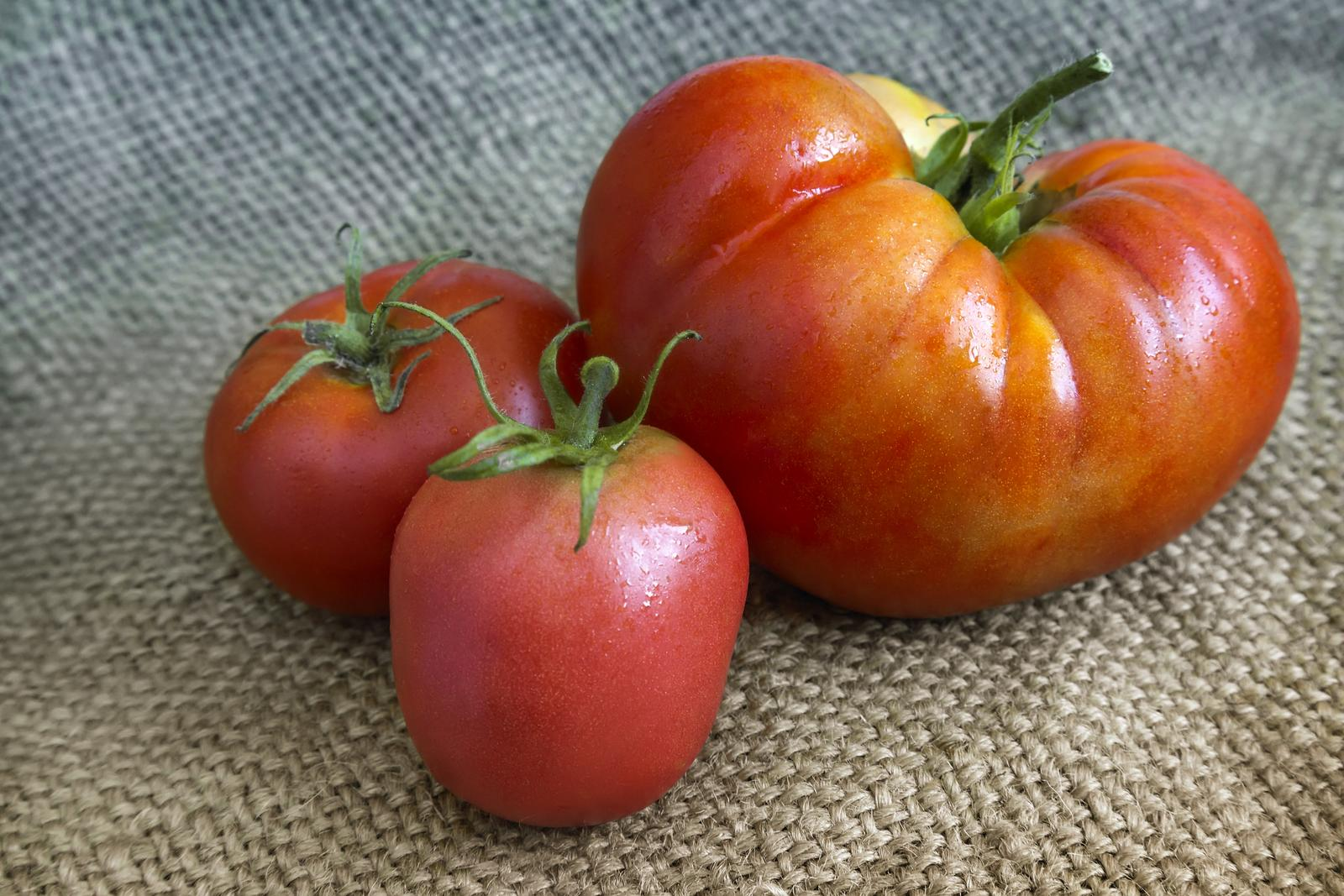
Tomatoes
Tomatoes came later to Scotland than many traditional crops, but once established, they became a small luxury of the garden, often grown close to the house or against a sheltered wall. In the cooler climate, they were rarely left to chance in open ground, instead being tended carefully in pots, glasshouses, or sunny corners. They take approximately 12 to 16 weeks to produce fruit. A container of around 30 centimetres depth is sufficient for a single plant, which benefits from support as it grows. In the ground, they require similar spacing. Watering must be regular, particularly in warmer periods. Fruit is harvested once fully coloured, often over several weeks.
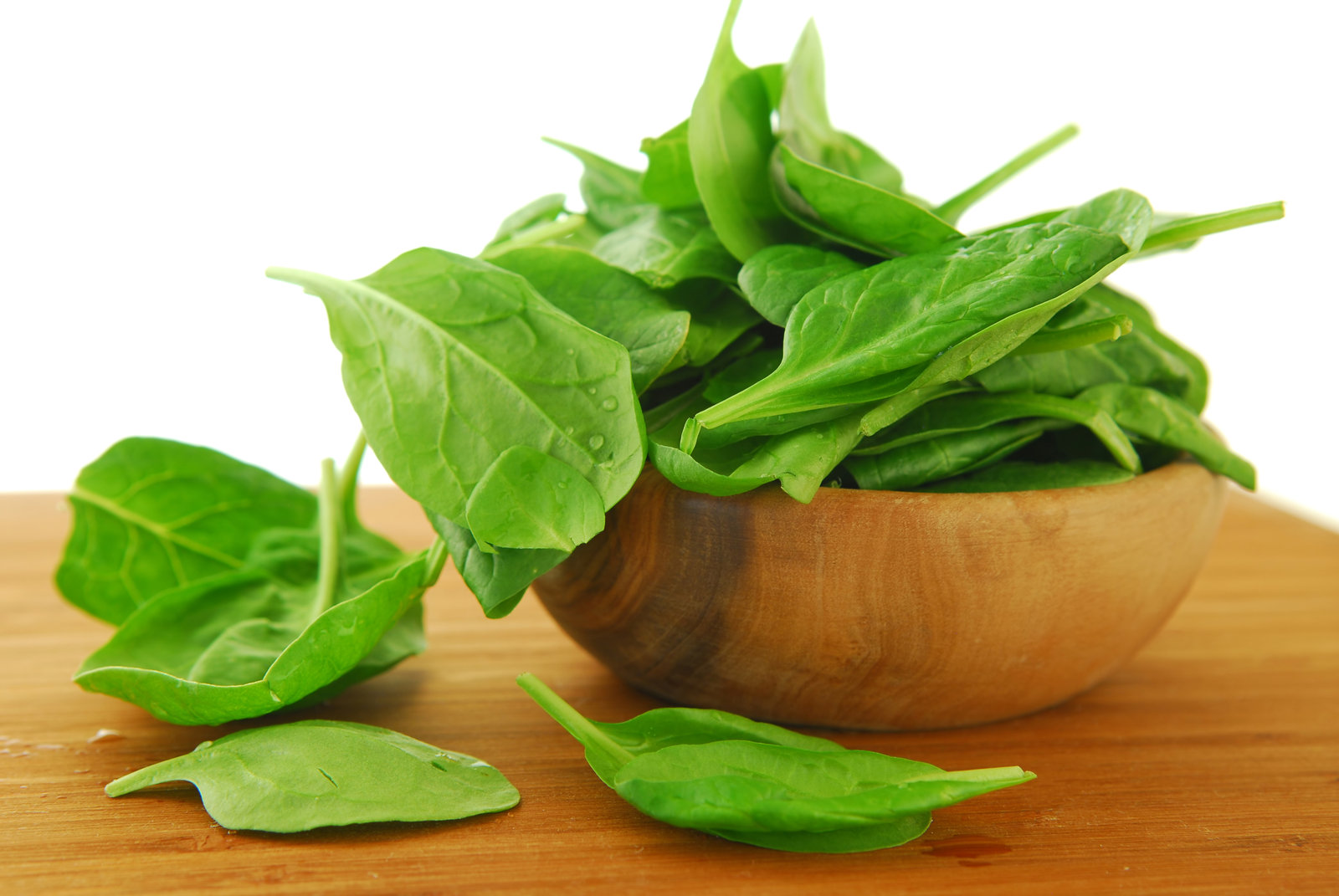
Spinach
Spinach has long been grown in Scotland as a dependable leafy crop, valued for its ability to produce quickly in cool conditions. It was often sown early and used while other crops were still developing, providing a steady supply of greens. It grows well in containers of around 20 centimetres depth or in the ground, spaced roughly 10 centimetres apart. It reaches harvest in four to six weeks and is best picked leaf by leaf, allowing continued growth. Watering should be regular but not excessive. In warmer weather it may bolt, but in Scotland’s cooler climate it often continues longer than expected.
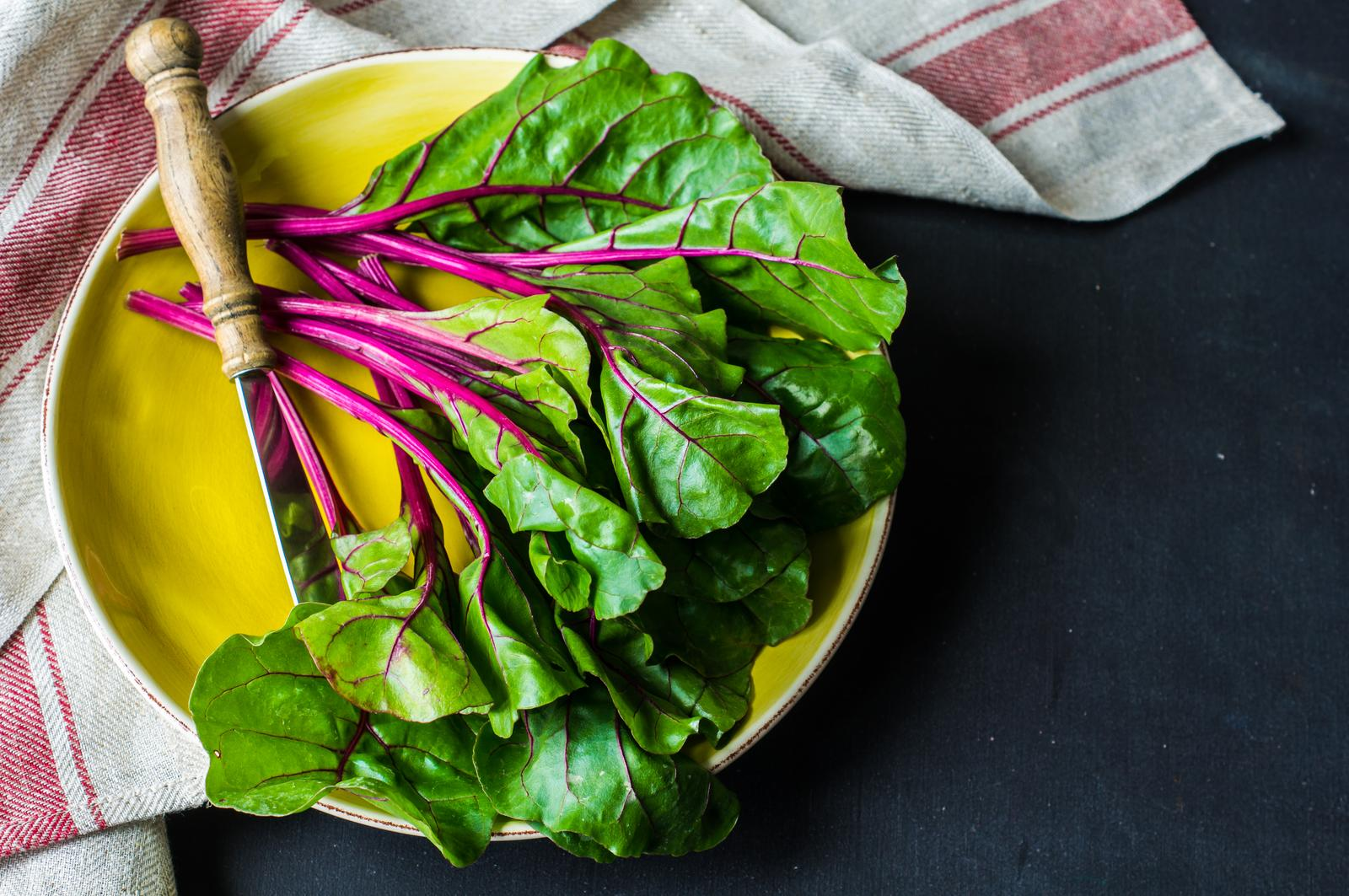
Perpetual Spinach
Perpetual spinach, though not a true spinach, has been a quiet favourite in Scottish gardens for its reliability. It resembles chard and is often grown as a long-season substitute for spinach, particularly where conditions may not favour repeated sowing. It is well suited to the Scottish climate, tolerating cooler temperatures and continuing to produce steadily. It can be grown in containers of around 25 centimetres depth or in the ground with spacing of about 20 centimetres. It takes around six to eight weeks to begin producing. Leaves are harvested individually, allowing the plant to continue for months with minimal attention.
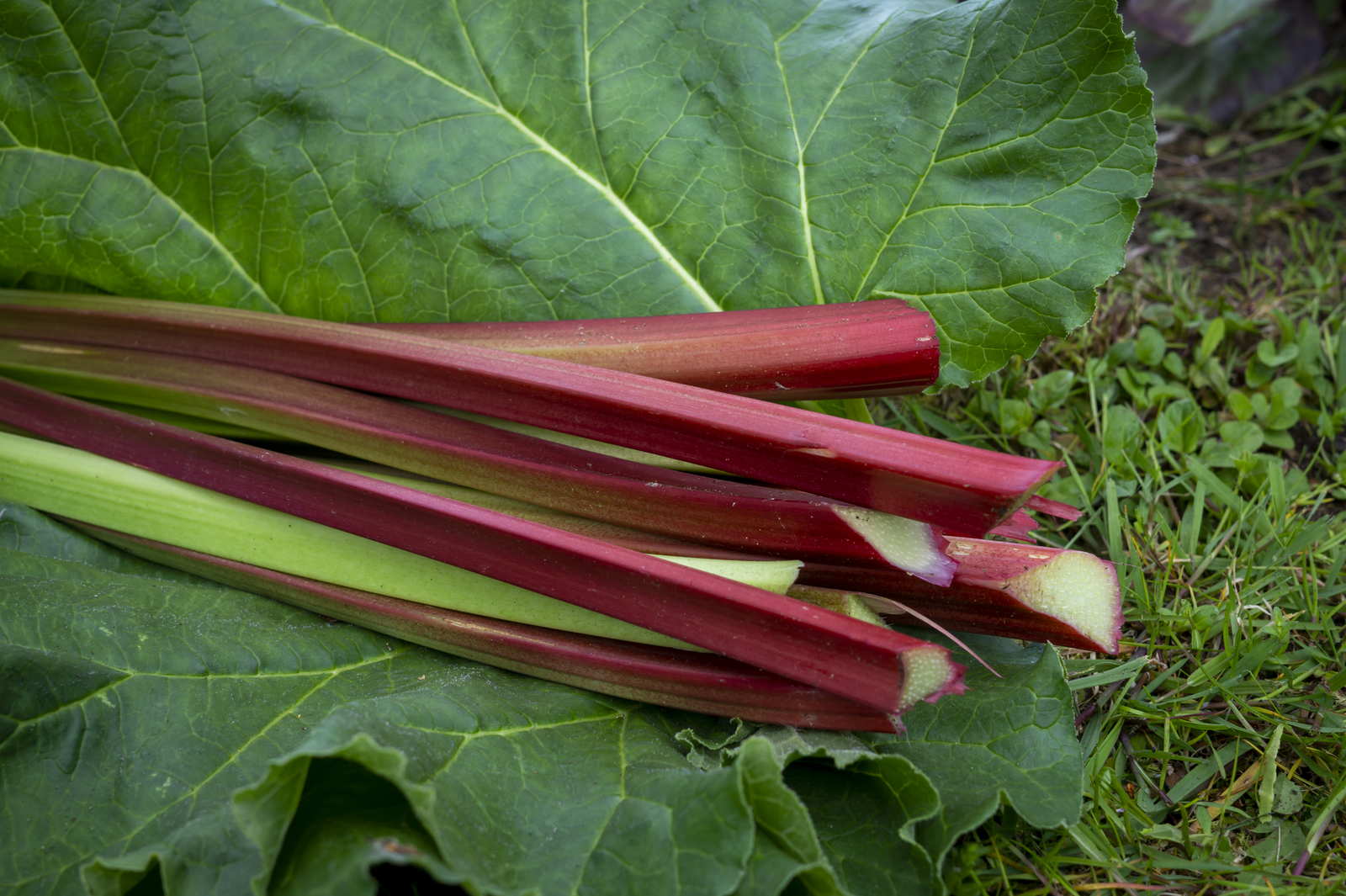
Rhubarb
Rhubarb holds a particular place in Scottish gardens, often found beside older houses where it has grown undisturbed for decades. It is not a crop of urgency, but of permanence. Once established, it returns year after year, marking the early part of the growing season. It requires space—around one metre in the ground—and is not suited to containers except in very large, deep vessels. It takes time to establish, often a full year before proper harvesting begins. Once ready, stalks are pulled rather than cut. It requires little care beyond occasional watering, and thrives in Scotland’s cool, damp conditions.