
When more than 40 children at Crystal Boarding School receive brand-new shoes on August 27, it will be thanks to Navajo musician Razor Saltboy, actor Beau Bridges, and the Rick and Susan Goings Foundation. The donation, while welcomed by the students and families, underscores a deeper problem: why do children in one of the wealthiest nations on earth rely on charity for such basic needs?
Saltboy framed the event as an effort to restore pride. “This is about more than footwear. It’s about giving these kids a sense of pride as they walk into their classrooms,” he said. Yet the symbolism cuts both ways. New shoes can lift spirits, but they also point to a chronic failure of public systems to meet even the most fundamental needs of Indigenous communities.
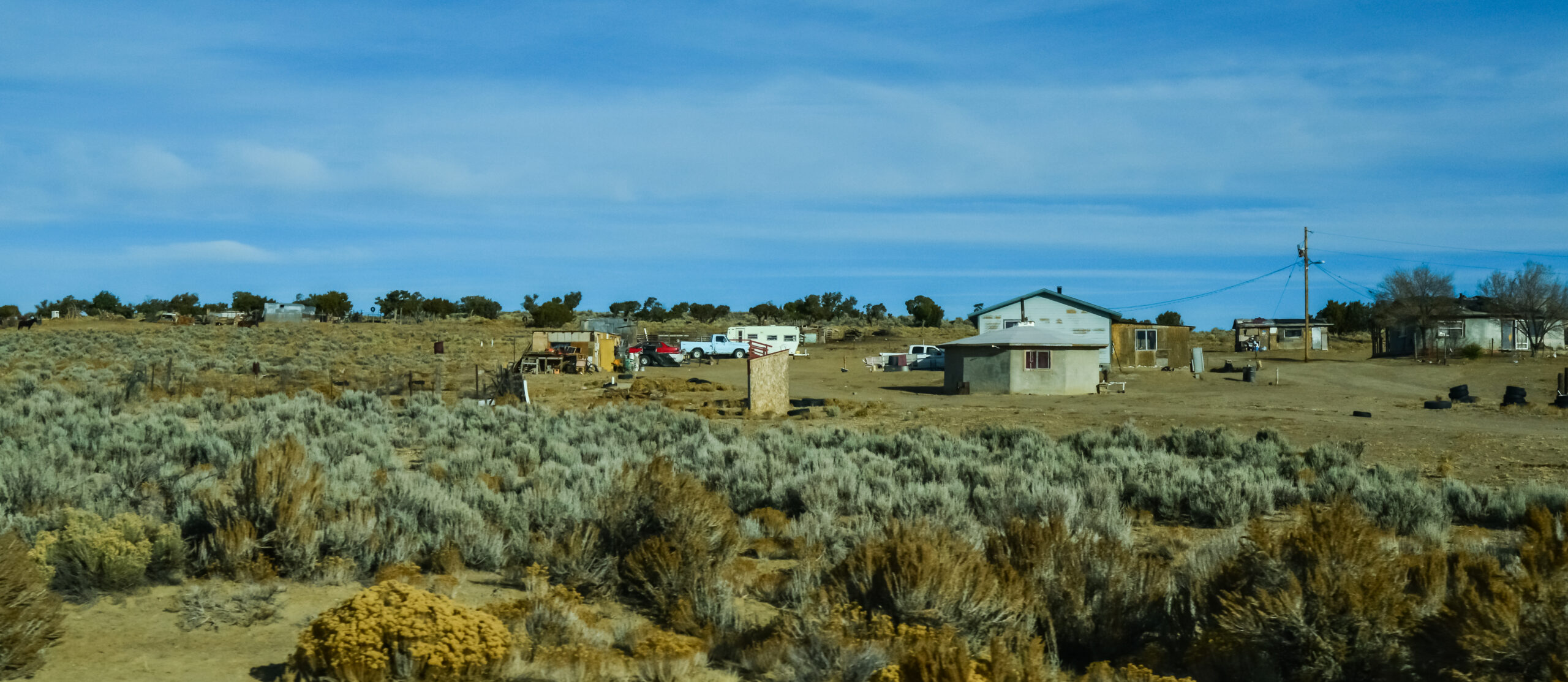
Crystal Boarding School, serving children from kindergarten to sixth grade, sits in an area of New Mexico where poverty rates remain far above the national average. Many Navajo families still face the compounded effects of underinvestment, inadequate infrastructure, and limited job opportunities. Against that backdrop, a single day of shoe-giving is a welcome but temporary relief.
The involvement of celebrities like Bridges — who called small gestures like this “a real difference” — adds star power, but critics note that charity-driven interventions can distract from larger systemic issues. Education on reservations has long been plagued by funding shortfalls and federal neglect, a reality that back-to-school photo ops often leave unaddressed.
World Youth Clubs, the nonprofit behind the initiative, describes its mission as creating safe and supportive spaces for young people. But critics of charity-based aid argue that these projects risk normalizing dependence on outside benefactors instead of demanding structural reforms — such as stable funding for schools, healthcare access, and basic infrastructure in Navajo Nation communities.
Saltboy’s personal commitment to his community is clear, and the goodwill behind the donation is not in question. What remains unresolved is whether acts of private generosity, however well-intentioned, can do more than paper over systemic inequities that leave Native children waiting for handouts of shoes in 2025.
#ModernScot