
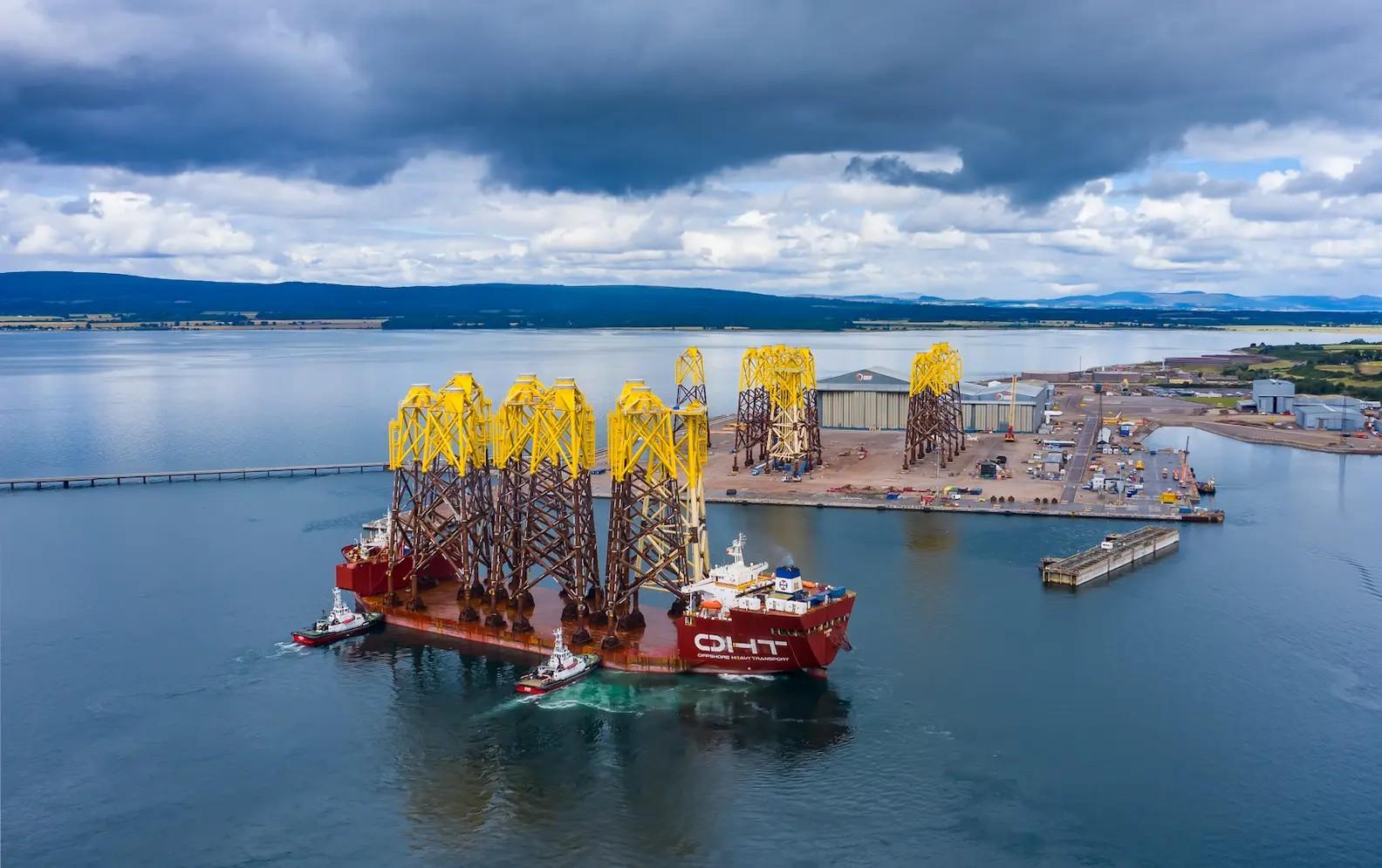
A substantial financial dividend from the Inverness and Cromarty Firth Green Freeport is set to be channelled back into Highland communities, after Highland Council endorsed an ambitious long-term Investment Plan.
At the heart of the initiative lies an estimated £547 million in retained non-domestic rates (rNDR), generated from new business activity within the Freeport’s tax sites. Under an agreement with both the Scottish Government and the UK Government, the Council will retain 97.5% of these revenues over a 25-year period—an arrangement designed to ensure that the spoils of industrial growth are not siphoned off to distant coffers, but reinvested locally.
Forecasts suggest income will begin modestly, at around £4 million in 2027/28, before rising steadily to £28 million annually by the end of the term. The cumulative effect, however, is where the true significance lies: a half-billion-pound fund capable of reshaping the economic and social fabric of the Highlands.
A Framework for Long-Term Renewal
The newly approved plan sets out five strategic priorities for investment:
- Skills and employment
- Productivity and innovation
- Global trade opportunities
- Regeneration and housing
- Net zero transition
The fund will be administered by Highland Council, acting as the accountable body, with oversight from the Freeport’s governing board. Together, they will determine how capital is deployed—an exercise that, if handled judiciously, could define the region’s trajectory for a generation.
Councillors have already signalled their intent. Early emphasis is expected to fall on housing provision and workforce development—unsurprising, given the chronic pressures in both areas. Yet there is also appetite for broader community benefit, from transport infrastructure and active travel schemes to sports and recreational facilities.
Notably, members have raised the prospect of establishing a recyclable investment pot—effectively a legacy fund—ensuring that today’s industrial boom continues to yield dividends long after the cranes have gone still.
From Industrial Growth to Social Value
Derek Brown, Chief Executive of Highland Council, framed the fund as a rare opportunity to convert economic momentum into enduring public benefit.
“The rNDR fund provides a significant opportunity to invest and deliver longer-term, beneficial outcomes for the Highland economy and communities,” he said, pointing to its potential to unlock further private and public investment while accelerating infrastructure delivery.
His counterpart at the Freeport, Calum MacPherson, struck a similar note, acknowledging that while the visible gains—port expansion, job creation, industrial activity—are already evident, the deeper question has always been one of legacy.
“The rNDR fund represents a powerful opportunity to ensure the benefits of the Green Freeport are felt right across the region for many years to come,” he said, emphasising the importance of fairness and transparency in translating growth into tangible social outcomes.
The Mechanics Behind the Model
Businesses operating within the Freeport’s tax sites will be eligible for reliefs over a defined window, while the Scottish Government acts as guarantor—ensuring the value of retained rates is passed directly to the Council during the early years. Importantly, only new economic activity qualifies; existing business rates are excluded, preserving the integrity of the scheme.
The fund forms part of a broader policy architecture that includes the Highland Investment Plan, Social Value Charter, and Housing Challenge Action Plan—each intended to address structural challenges that have long constrained the region’s development.
A Defining Opportunity
What emerges is a model not merely of fiscal retention, but of regional self-determination—an attempt, in effect, to keep the wealth of the Highlands circulating within its own borders.
The success of such an endeavour will hinge less on the scale of the funding—impressive though it is—and more on the discipline with which it is deployed. For if history offers any lesson, it is that windfalls are easily spent, but rarely transformed into lasting prosperity.
Here, at least, the intent is clear: to convert industrial resurgence into a durable civic inheritance. Whether that ambition is realised will be the story worth watching.
#ModernScot