
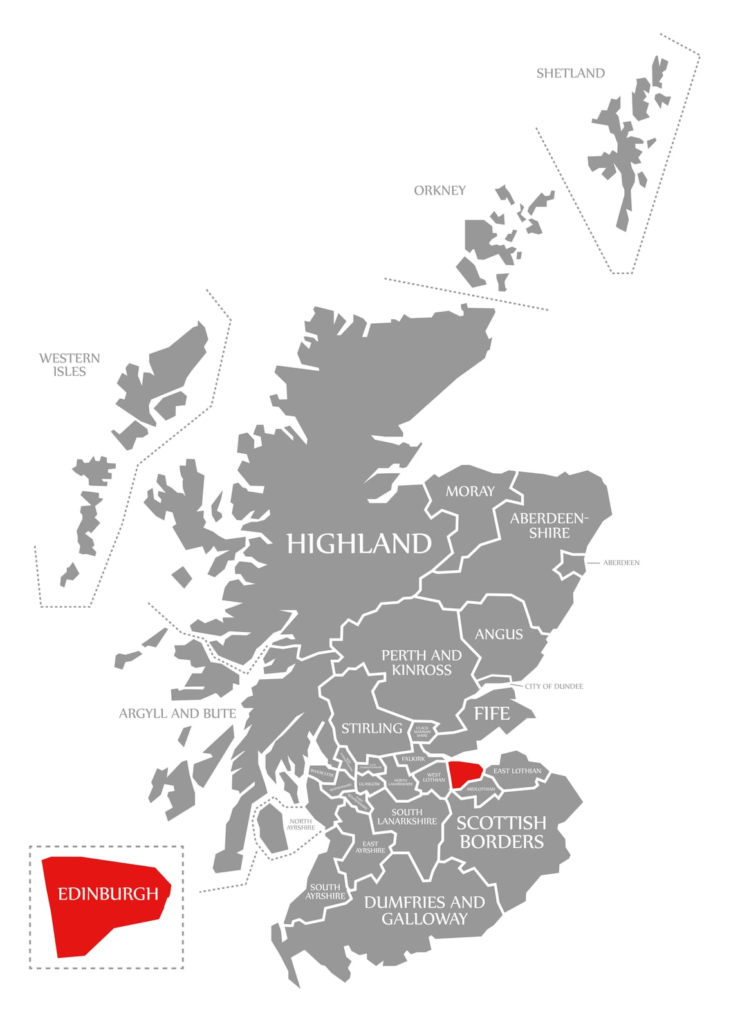
The City of Edinburgh occupies a relatively small council area, but its weight within Scotland is disproportionate. It is the capital city, the seat of the Scottish Parliament, a centre of law, finance, education and tourism, and one of the country’s most internationally recognised places. Yet its civic identity rests on a tension between ceremonial visibility and ordinary urban pressure.
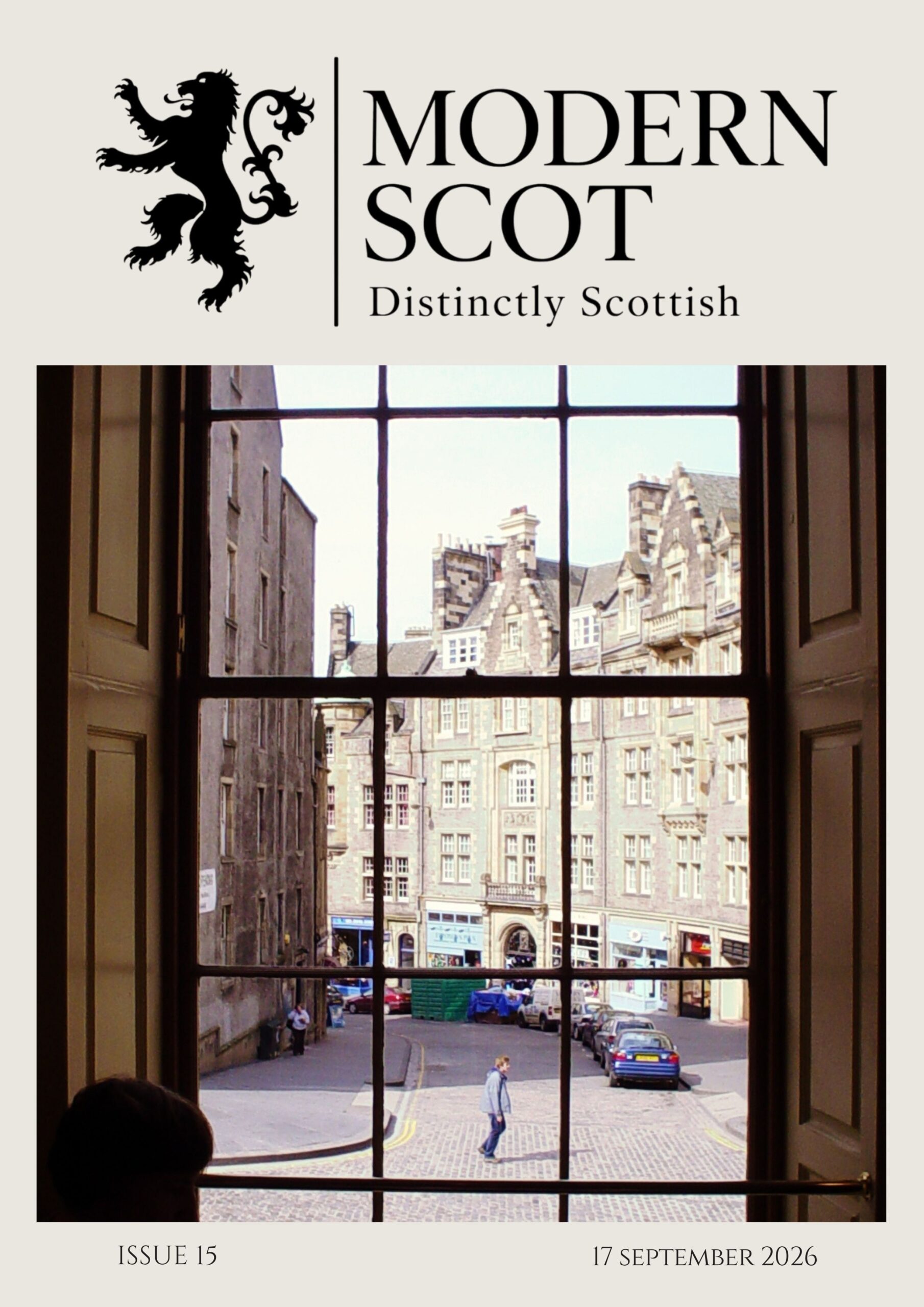
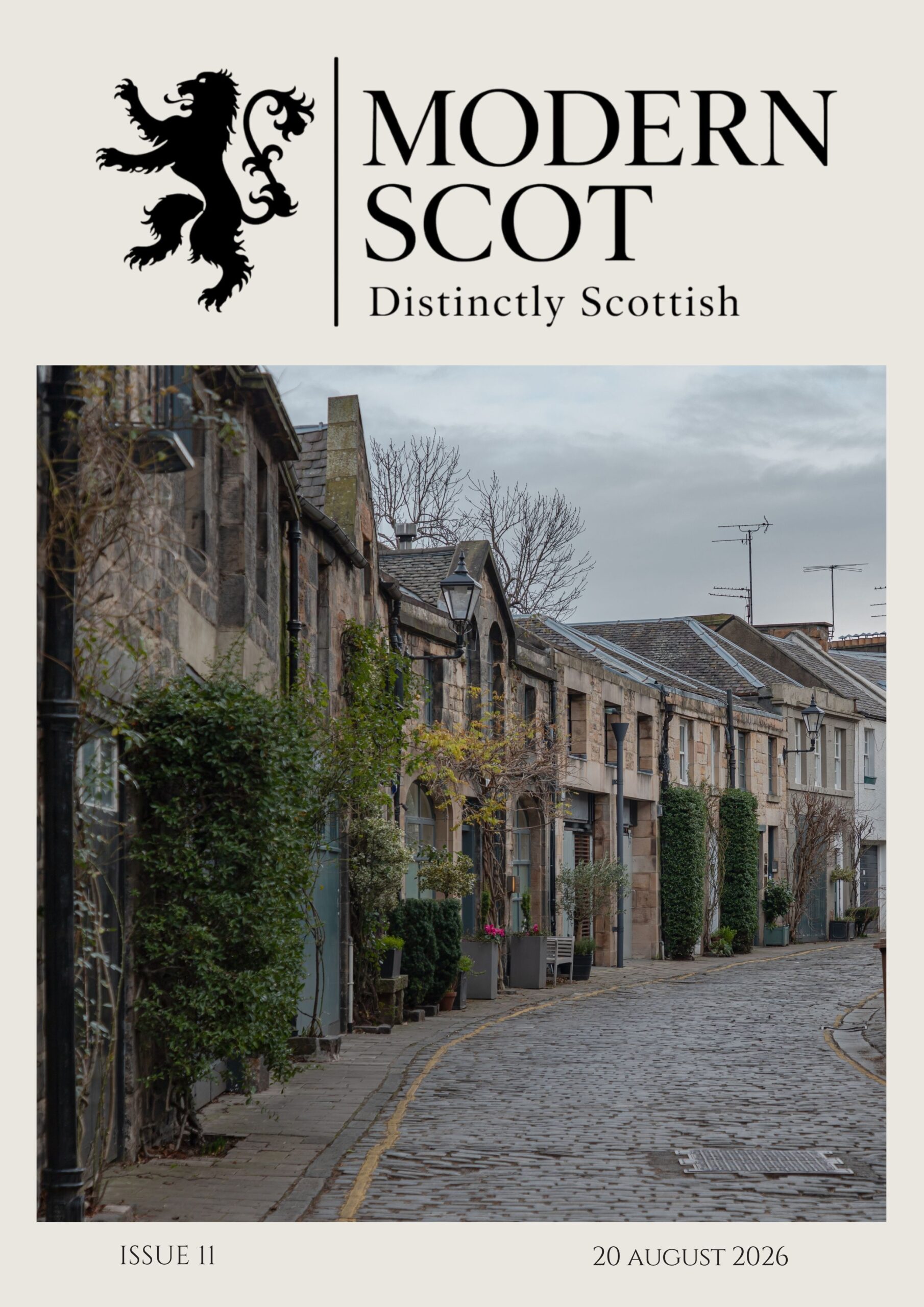
Edinburgh’s historic core is famously divided between the Old Town and New Town, both of which form part of a UNESCO World Heritage Site inscribed in 1995. The Old Town developed along the ridge between Edinburgh Castle and Holyrood, while the New Town was laid out from the eighteenth century as a planned response to overcrowding, ambition and Enlightenment urban design. Few Scottish places show the contrast between medieval density and Georgian order so clearly.
The city’s political significance deepened again in 1999, when the devolved Scottish Parliament first sat, eventually moving to its purpose built Holyrood building in 2004. This restored a national legislative function to the capital after nearly three centuries in which Scotland’s political institutions had operated within the United Kingdom framework rather than through a domestic parliament.
Edinburgh’s economy is broad, with finance, higher education, public administration, technology, festivals and tourism all playing major roles. The University of Edinburgh, founded in 1582, remains one of the city’s major institutions. The annual festivals, especially those associated with August, have given the city a global cultural profile, though that success also brings pressure on housing, transport and public space.
The council area includes more than the historic centre. Leith, Portobello, Corstorphine, Gorgie, Liberton, Wester Hailes and other districts form a wider city whose daily life is not always visible in postcard Edinburgh. The capital is both symbol and functioning municipality. Its challenge is that the world often sees the first more easily than the second.