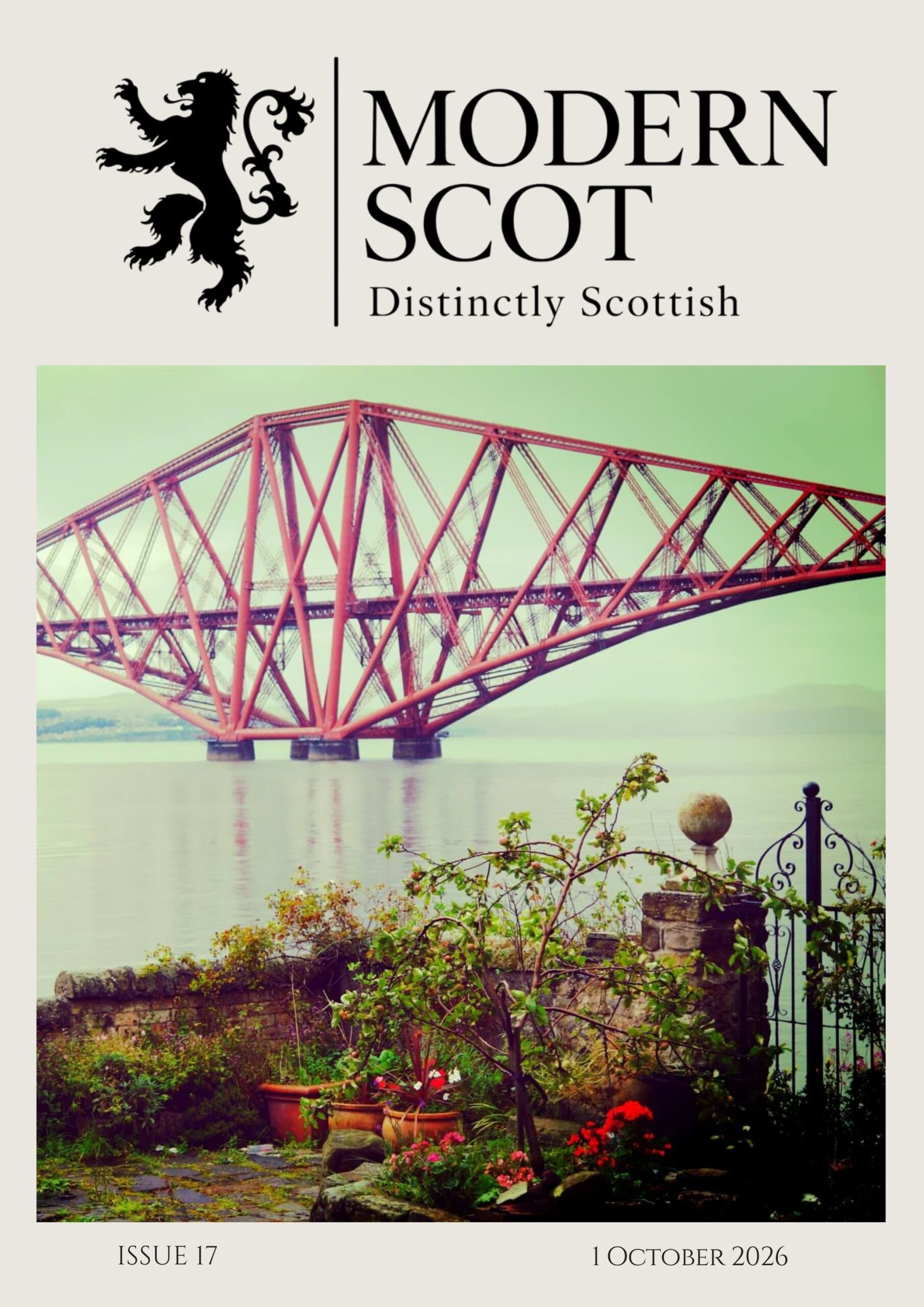

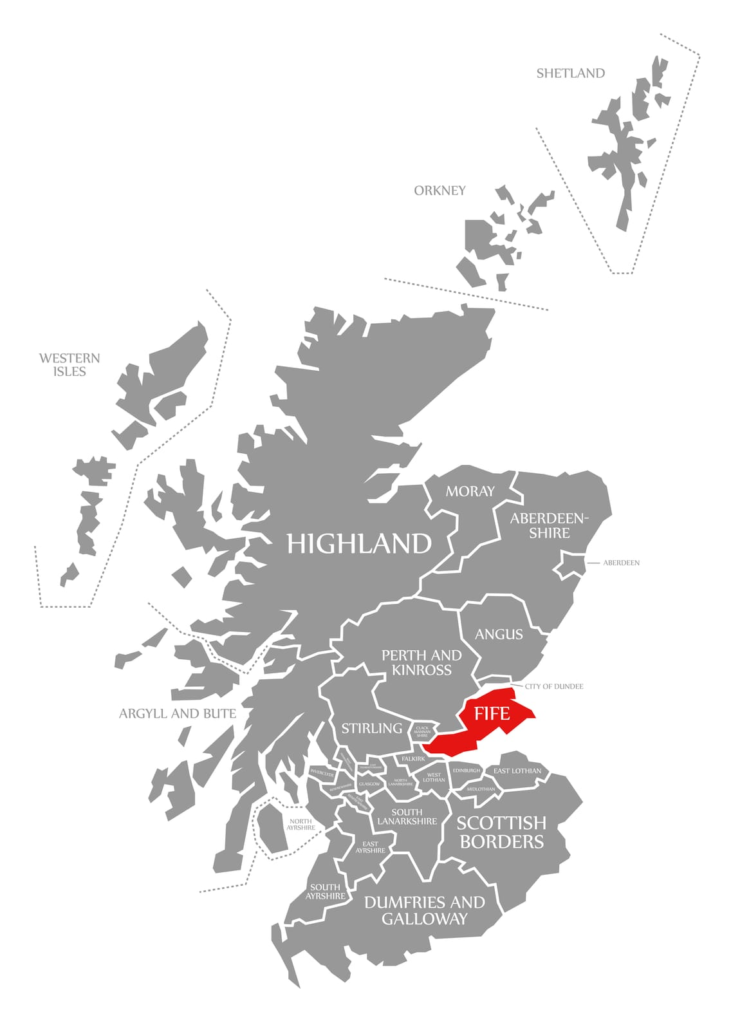
Fife is almost a kingdom by habit as much as history. Officially a council area, it still carries the older language of the Kingdom of Fife, a phrase that reflects the strength of its distinct identity within Scotland. It is bounded by the Firth of Tay to the north and the Firth of Forth to the south, with a long eastern coastline facing the North Sea.
Glenrothes is the administrative centre, while Dunfermline, Kirkcaldy, St Andrews, Cupar and other towns hold different parts of the region’s civic life. Dunfermline became Scotland’s newest city in 2022, though its royal and religious importance long predates that status. It was a major medieval centre and the burial place of Robert the Bruce.
St Andrews gives Fife an international academic and cultural profile. The University of St Andrews was founded in 1413, making it Scotland’s oldest university. The town is also closely associated with golf, particularly through the Old Course and the Royal and Ancient Golf Club.
Kirkcaldy, once strongly associated with linoleum manufacturing, reflects Fife’s industrial history, while the west of the region carries the legacy of coal mining and heavy industry. The closure of pits and industrial restructuring left lasting social and economic effects, especially in former mining communities.
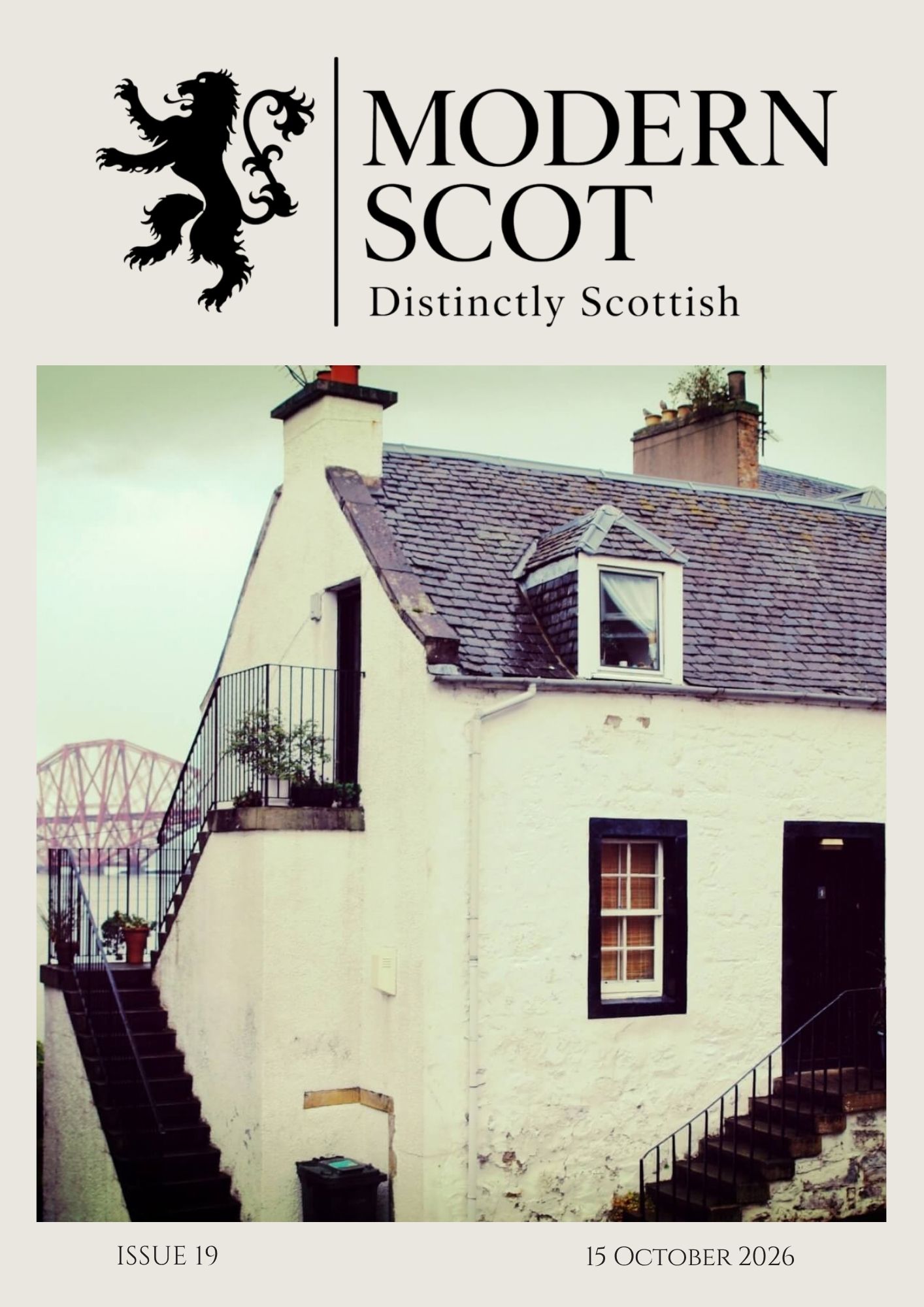
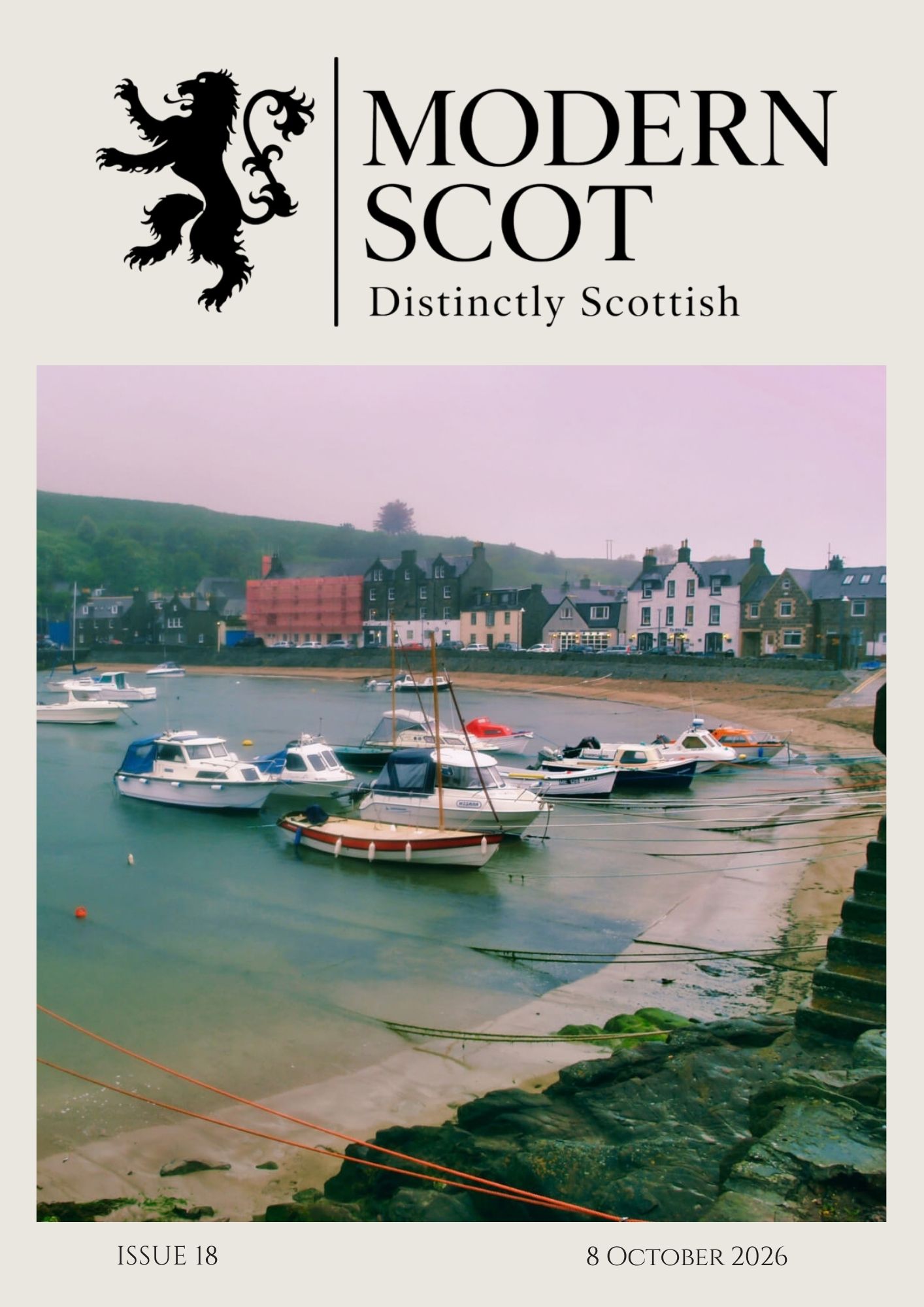
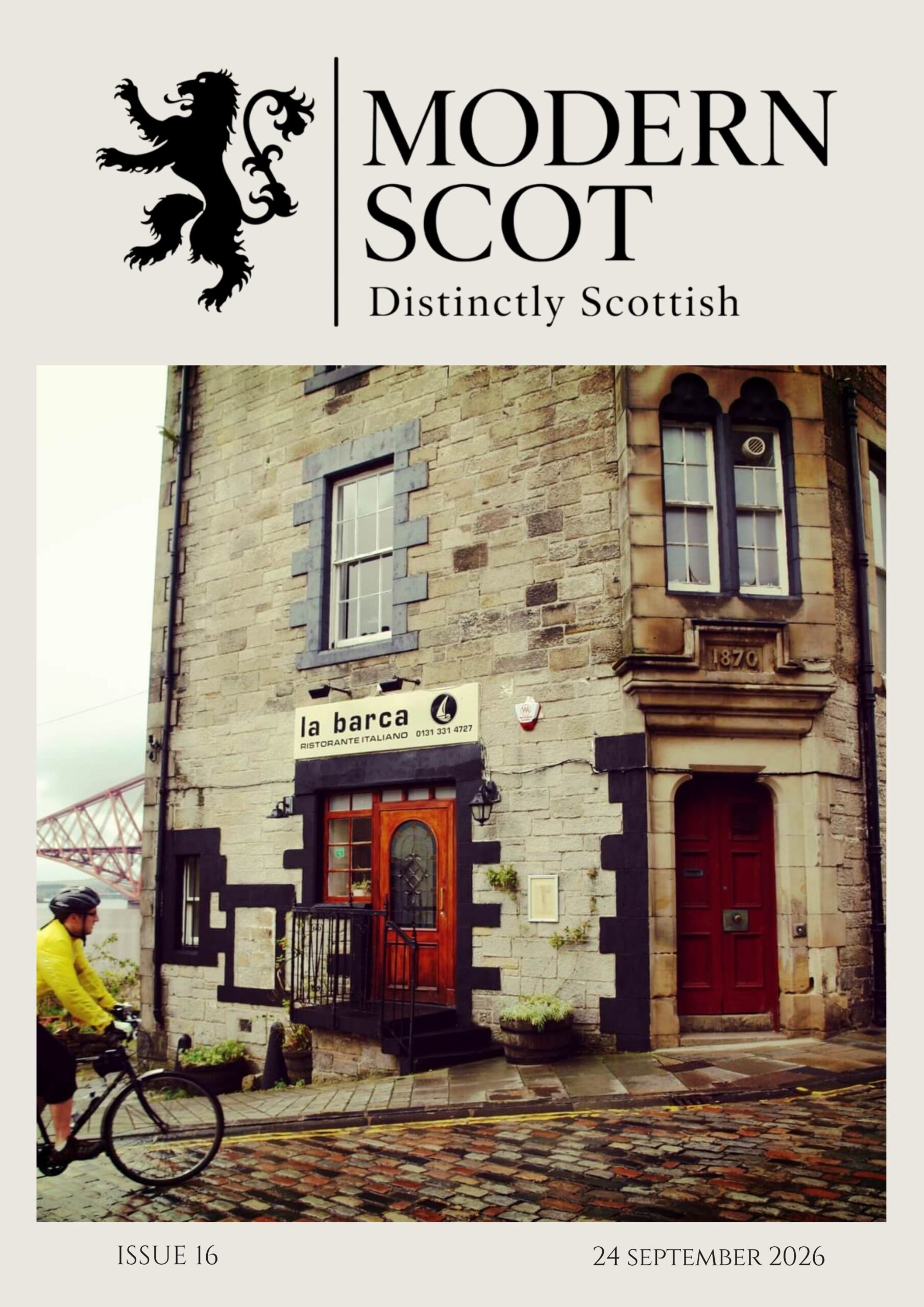
Fife’s geography gives it unusual variety. Fishing villages in the East Neuk, agricultural land, university life, industrial towns, commuter settlements and historic burghs all sit within the same council area. It is not one Fife but several, held together by coastline, history and a continuing sense that the old kingdom has not entirely surrendered to administrative language.