
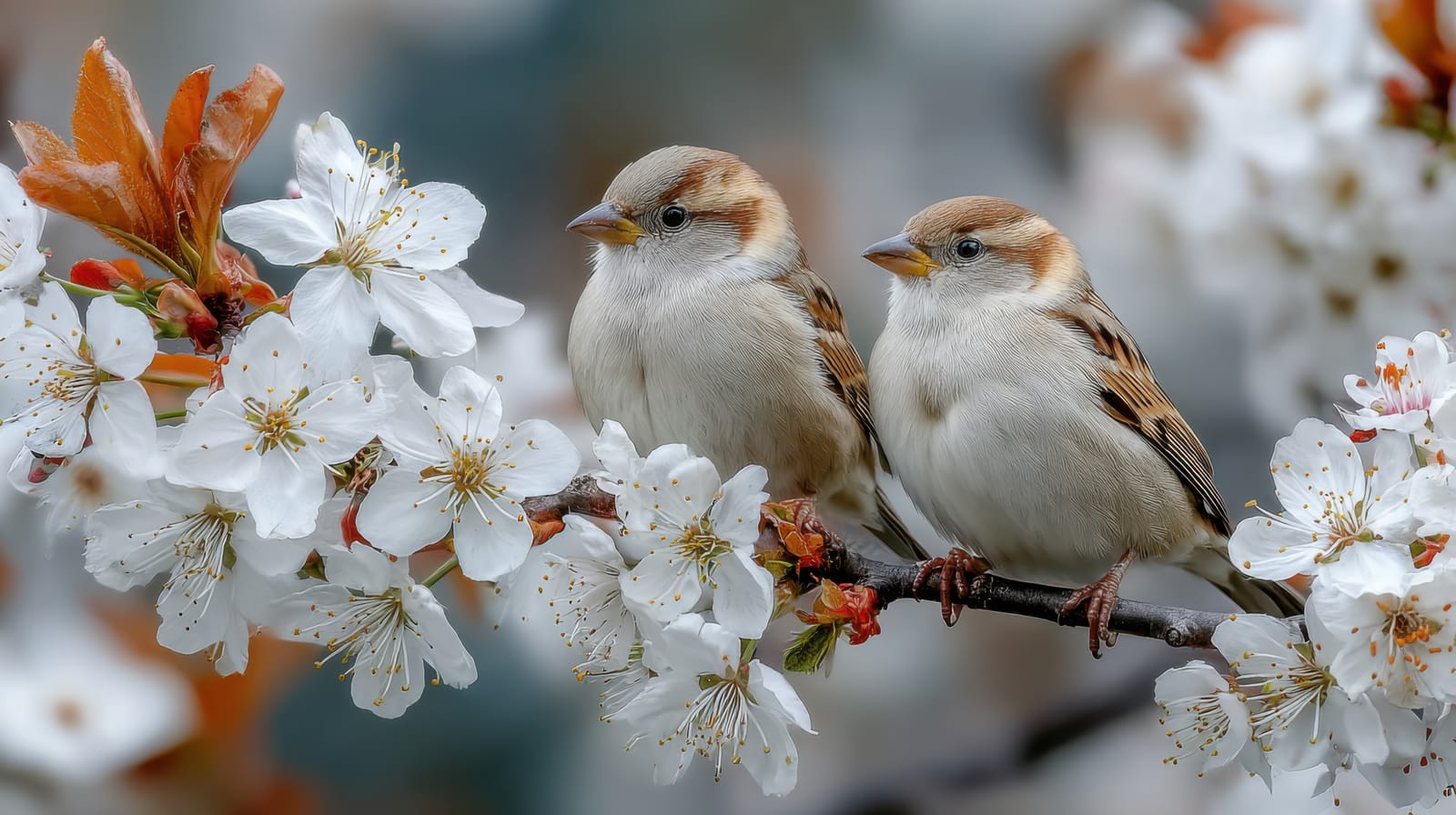
The European Commission has issued new guidance on how its long standing Birds Directive should be applied in practice, presenting the move as an effort to bring greater pragmatism and proportionality to a system that has increasingly come under strain.
At the centre of the announcement is the Birds Directive, first adopted in 1979 and still one of the European Union’s most significant environmental laws. It provides extensive protection for wild birds and their habitats, including a broad prohibition on deliberate killing, capture, or disturbance.
The Commission has stressed that the law itself remains unchanged. The new document is guidance rather than legislation, designed to clarify how existing provisions and case law from the Court of Justice of the European Union should be interpreted and applied across member states.
In practical terms, the guidance attempts to address a long standing tension between environmental protection and economic activity. Sectors such as agriculture, forestry, fisheries, and infrastructure development have often found themselves at odds with strict conservation requirements.
Particular attention is given to Articles 5 and 9 of the Directive. Article 5 sets out the core protections for bird species, while Article 9 allows limited derogations under tightly controlled conditions, including preventing serious damage to crops or fisheries or addressing public safety concerns where no reasonable alternative exists.
The Commission now provides a more structured approach to applying those derogations. This includes guidance on coordinated action along migratory routes, recognising that bird populations frequently cross national borders. While presented as a step toward consistency, such coordination may also make it easier for multiple countries to justify similar exemptions.
The document also promotes what it describes as a preventive approach, encouraging authorities to anticipate potential conflicts before they arise. The stated aim is to reduce administrative burden and avoid delays, particularly in relation to infrastructure projects that might otherwise face lengthy environmental assessments.
Two species illustrate the growing tension between conservation success and economic impact. The Barnacle Goose and the Great Cormorant have both seen rising populations in recent years, leading to complaints from farmers and fishers over damage to crops and fish stocks. The guidance outlines how member states may respond within the limits of existing law.
While the Commission presents the changes as a way to improve consistency and reduce confusion, the emphasis on easing administrative pressures is likely to draw scrutiny. Critics may question whether greater flexibility in interpretation risks weakening protections that have been in place for decades.
The guidance is not legally binding and does not alter the Directive itself. However, such documents often carry significant weight in how rules are applied on the ground, shaping decisions taken by national authorities.
Its publication comes alongside a wider review of European environmental legislation, including an ongoing assessment of both the Birds Directive and the Habitats Directive. That process is expected to determine whether the current framework remains fit for purpose or requires more substantial reform.
For now, the Commission has chosen to refine interpretation rather than pursue legislative change, leaving open the question of how far flexibility can be extended without undermining the original intent of protecting Europe’s bird populations.
#ModernScot