
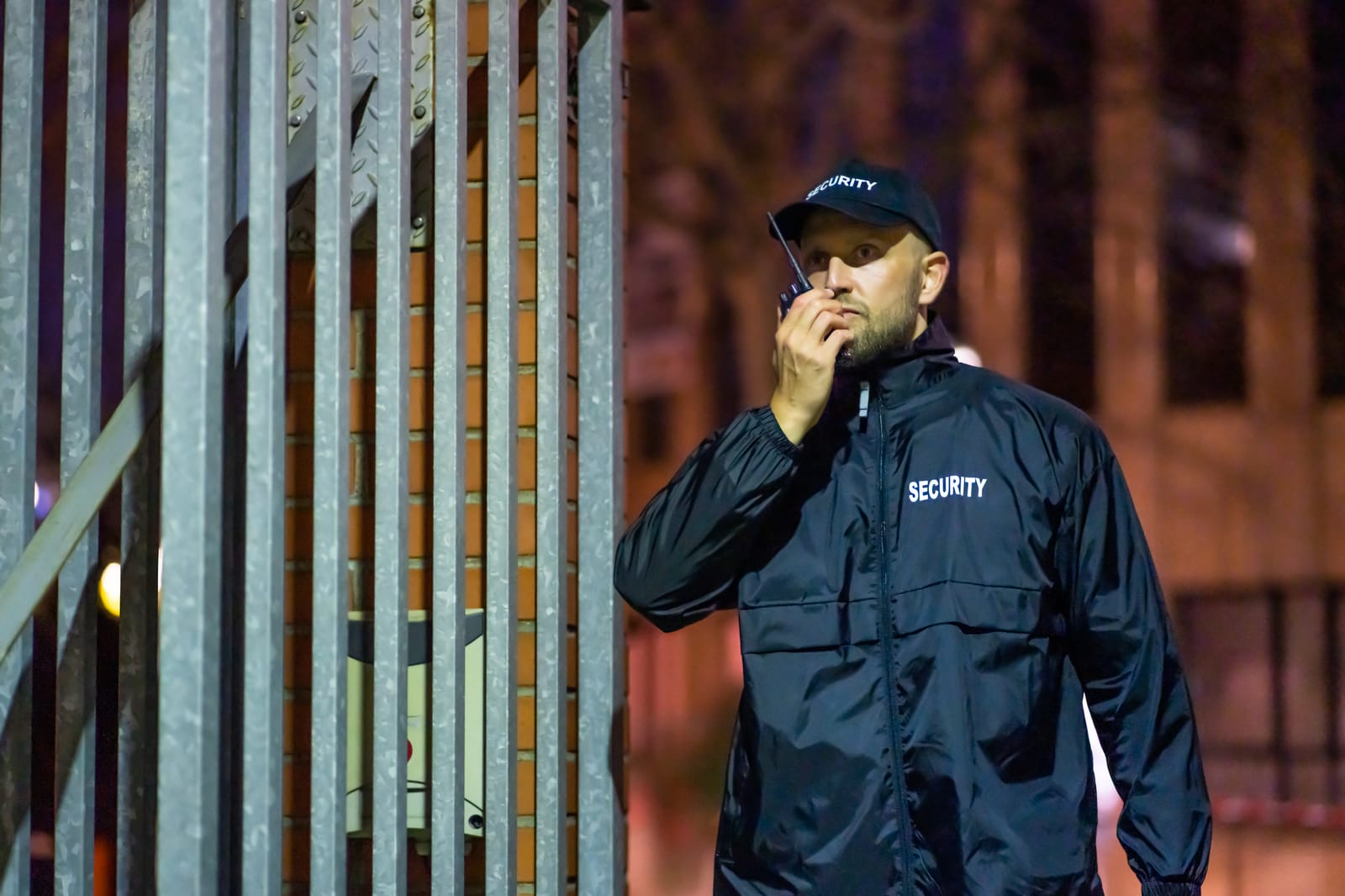
A quiet but consequential shift has taken effect across Britain’s private security industry. As of April 2026, the Security Industry Authority (SIA) has completed the latest phase of a multi-year overhaul of training requirements—one designed not merely to refresh certificates, but to recalibrate the competence expected of those entrusted with public safety.
At first glance, the changes appear procedural: refresher courses, first aid prerequisites, updated qualifications. In reality, they signal something far broader—a recognition that the modern security operative is no longer a passive presence, but a frontline responder in an increasingly complex risk environment.
A Gradual Tightening of Standards
The reforms did not arrive overnight. Instead, they have been layered deliberately over several years:
- 2021–2022: Introduction of updated qualifications across most sectors, including mandatory first aid training before licence courses.
- April 2025: Mandatory refresher training introduced for licence renewals across door supervisors, security guards, and close protection operatives.
- April 2026: Reinforcement of these rules, particularly for close protection roles, including stricter first aid requirements prior to refresher training.
For close protection operatives, the bar is now notably higher:
- A Level 3 first aid qualification (such as First Aid at Work) is required before undertaking refresher training.
- Updated qualifications or top-up training remain mandatory for licence applications and renewals.
For door supervisors and security guards:
- An Emergency First Aid at Work (or equivalent) qualification is now a prerequisite both for initial training and refresher courses.
- Refresher training is compulsory before licence renewal.
Why the Crackdown Now?
The SIA’s official reasoning is couched in measured language: ensuring operatives can “keep the public safe,” “follow new working practices,” and “understand recent changes to the law.” All true—but incomplete.
The deeper story is one of institutional adaptation to a changing security landscape.
1. The Expanding Role of Private Security
Private security personnel are increasingly the first to respond to incidents—whether in nightlife venues, transport hubs, or corporate environments. In many cases, they arrive before police or ambulance services. That reality demands:
- Stronger medical response capability
- Better decision-making under pressure
- Awareness of legal boundaries, particularly around use of force
2. Rising Public Expectations
The public no longer tolerates the archetype of the disengaged “bouncer.” High-profile incidents, litigation risks, and ubiquitous smartphone footage have elevated expectations. Competence is now scrutinised in real time.
3. Legal and Liability Pressures
Employers—and by extension, regulators—face growing exposure when poorly trained staff mishandle incidents. Mandatory refresher training serves as a safeguard against:
- Outdated practices
- Misapplication of law
- Inadequate emergency response
4. Technology and Modern Threats
From body-worn cameras to digital incident reporting and evolving threat profiles (including terrorism awareness and cyber-linked risks), the industry has changed. Training must keep pace.
First Aid: From Add-On to Essential Skill
Perhaps the most telling shift is the centrality of first aid.
What was once a desirable extra is now a gatekeeping requirement. No candidate may proceed to licence-linked training—initial or refresher—without it.
Accepted qualifications include:
- First Aid at Work (FAW)
- First Person on Scene (FPOS)
- First Response Emergency Care (FREC)
For close protection roles, these must be at Level 3 or above, reflecting the higher-risk environments in which such operatives typically work.
This is not bureaucratic fussiness. It is a tacit admission that security staff are, in effect, auxiliary emergency responders.
Flexibility—With a Catch
The SIA has also introduced a degree of flexibility in licensing pathways:
- A door supervisor may switch to a security guard licence via refresher training.
- A close protection operative may transition into a door supervisor role, again through the appropriate training route.
On paper, this offers career mobility. In practice, it also ensures that no one sidesteps the updated standards—every pathway leads back through the same tightened training regime.
A More Professionalised Industry
Viewed in totality, these reforms are less about compliance and more about professionalisation.
The SIA is attempting to move the industry:
- From static certification to continuous competence
- From presence-based deterrence to skilled intervention
- From low-bar entry roles to regulated, accountable professions
It is, if you will, the difference between a watchman and a practitioner.
What It Means for Applicants and Licence Holders
For those already in the industry—or considering entry—the implications are straightforward:
- Expect higher upfront costs and time investment
- Prepare for ongoing training obligations
- Ensure first aid qualifications are current and compliant
- Plan ahead for licence renewals, as refresher training is now mandatory
For employers, meanwhile, the message is unmistakable: the era of minimal compliance is over.
#ModernScot