
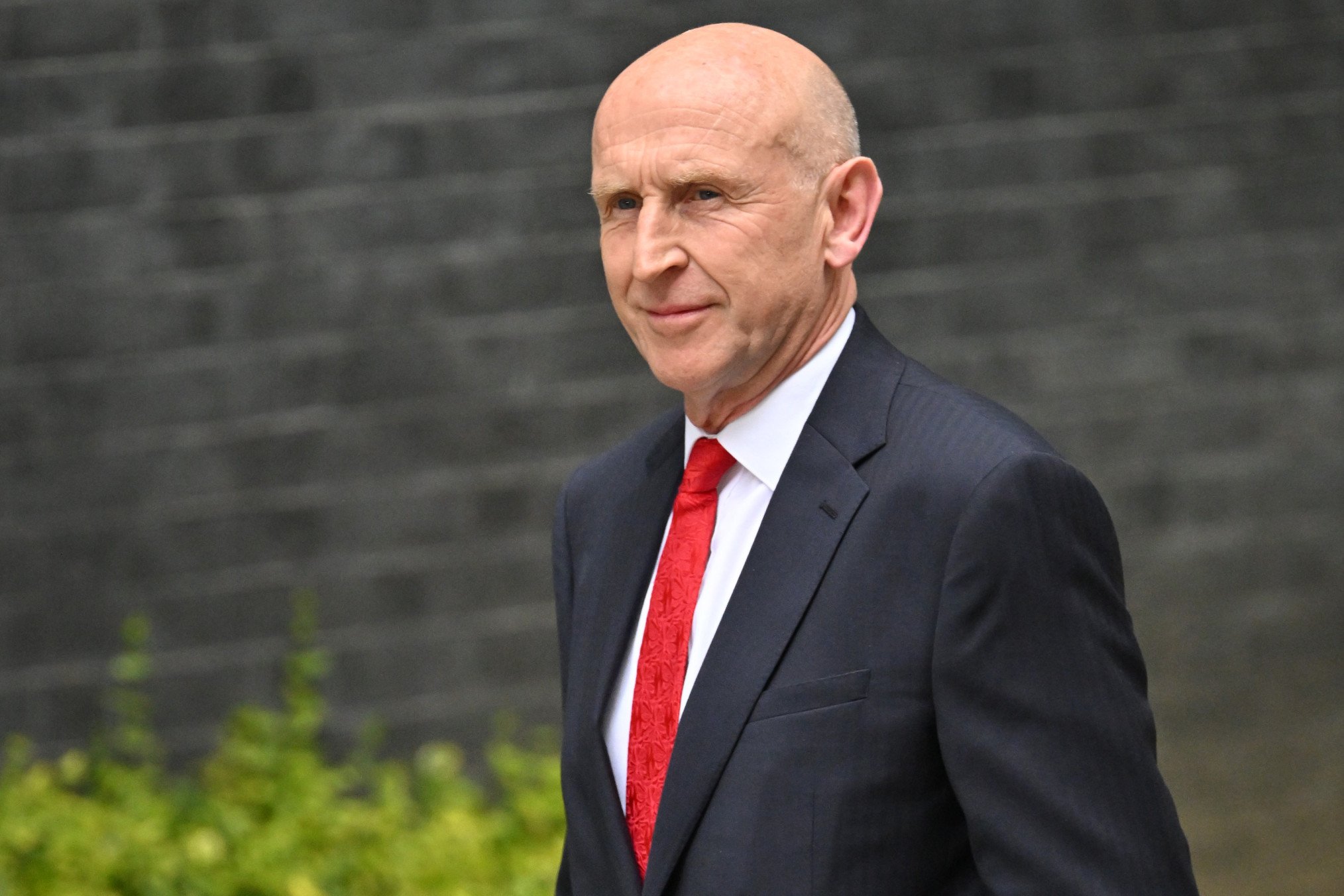
The United Kingdom has stepped up its military support across the Gulf, reinforcing regional air defences as tensions with Iran continue to escalate. The announcement came during a high level visit by Defence Secretary John Healey to key allies in the region.
In a carefully calibrated move designed to support partners without drawing Britain into a broader war, additional air defence systems and personnel are now being deployed to several Gulf states. The effort reflects growing concern over sustained missile and drone attacks that have targeted civilian infrastructure, military installations and critical assets.
Expanded UK Presence Across the Gulf
During his visit, Healey travelled to Saudi Arabia, Qatar and Bahrain, holding discussions with senior leadership including the Emir of Qatar and the King of Bahrain. Talks focused on the ongoing conflict, the strategic importance of the Strait of Hormuz, and strengthening long term defence cooperation.
At the operational level, the UK has extended the deployment of its Typhoon fighter jets in Qatar. These aircraft have been engaged in defensive missions since the outset of the conflict, operating alongside Qatari forces as part of a joint squadron. British pilots have been conducting continuous patrols across multiple countries including Bahrain, Jordan and the United Arab Emirates.
New Air Defence Systems Deployed
A series of advanced defence systems are being positioned across the region to counter aerial threats.
In Saudi Arabia, the UK will deploy the Sky Sabre air defence system, following a successful reconnaissance mission. The system includes radar units, missile launchers and command elements, operated by Royal Artillery personnel and integrated into Saudi and regional defence networks.
Bahrain has received the Lightweight Multirole Launcher, supported by British specialists tasked with integrating the system into local defences.
Meanwhile in Kuwait, the Rapid Sentry missile system is now operational, alongside the RAF’s ORCUS platform, which enhances early detection of drone threats.
Scale of the Threat
The deployment comes against a backdrop of sustained attacks attributed to Iran, with more than 3500 missiles and drones launched across the Gulf since the conflict began. These strikes have placed significant strain on regional security and heightened the urgency of coordinated defensive measures.
British forces have played a central role in countering these threats. UK pilots operating Typhoon and F 35 jets, along with Wildcat and Merlin helicopters, have accumulated over 1280 operational hours protecting British nationals, military bases and allied territories.
Strategic Restraint Amid Escalation
Despite the expanded military presence, the UK government has emphasised that its role remains strictly defensive. Prime Ministerial guidance has made clear that Britain will not be drawn into a wider war, even as it supports allies under sustained attack.
This position extends to limited cooperation with the United States, including allowing the use of British bases for targeted defensive operations, such as disrupting missile sites threatening shipping in the Strait of Hormuz.
Industry and Long Term Commitment
Alongside military deployments, the UK is accelerating defence production and procurement. Additional Lightweight Multirole Missiles have been secured for both British forces and regional allies.
A new initiative known as Taskforce Sabre has been launched to bring together government and industry, ensuring Gulf partners can rapidly access the equipment needed to defend their airspace.
A Message of Assurance
Healey’s message throughout the visit was one of solidarity and resolve. He praised the professionalism of Gulf allies and the efforts made to protect civilian populations and foreign nationals, including British citizens.
The broader signal is unmistakable. Britain intends to stand firmly alongside its partners while maintaining a disciplined posture that avoids further escalation in an already volatile region.
#ModernScot