
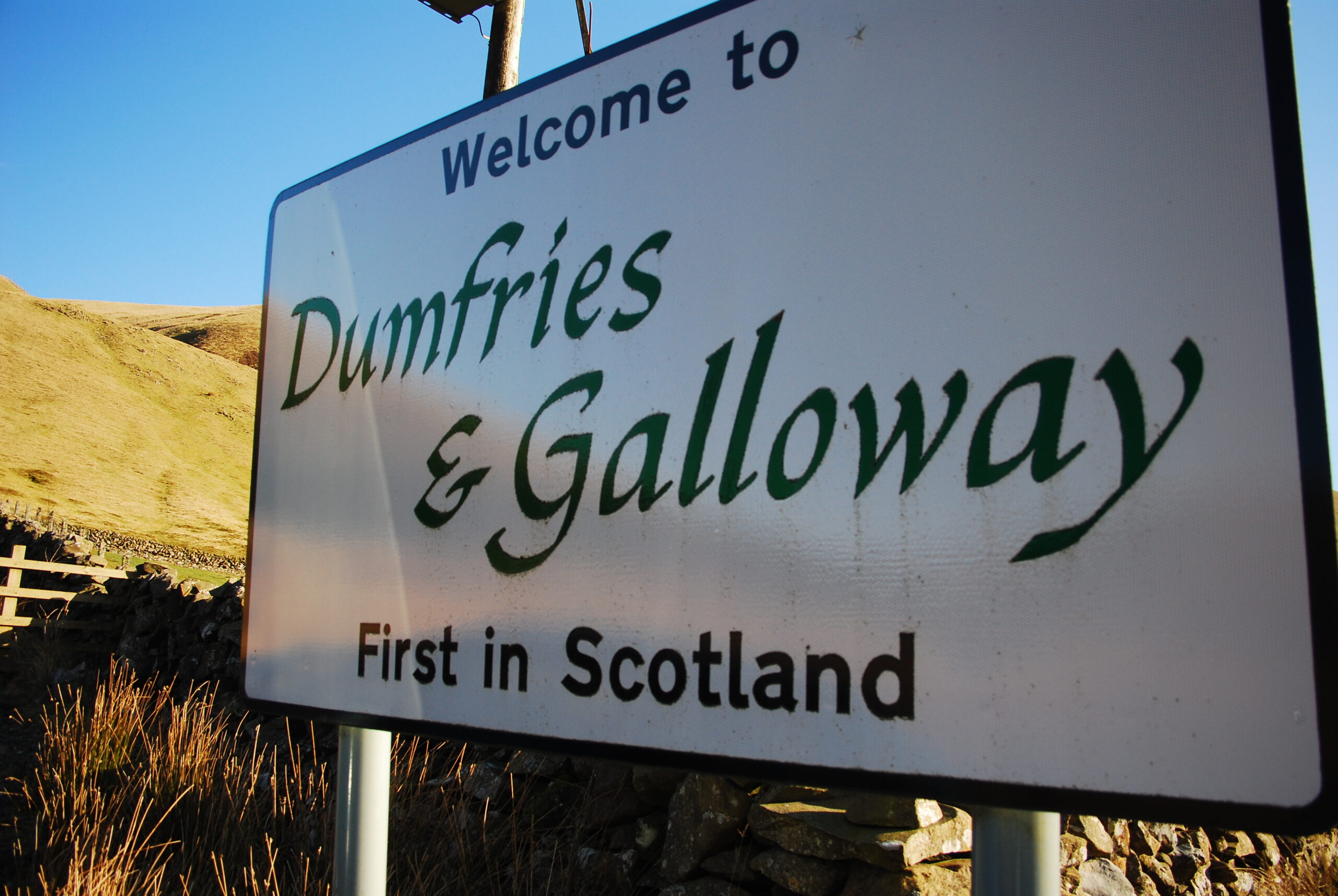
There are few subjects in modern Scottish governance more quietly consequential than depopulation. It lacks the drama of constitutional quarrels or fiscal brinkmanship, yet it cuts far deeper into the long term viability of communities. On 26 March 2026, Dumfries and Galloway Council chose, at least on paper, to treat the matter with unusual seriousness.
Following a full council debate, councillors agreed to embed the findings of newly commissioned research into future policy and investment decisions. The studies, funded by the Scottish Government and delivered in partnership with the University of the West of Scotland and Community Development Lens, attempt something that is often promised but rarely executed properly in public life: to ground policy in evidence drawn from lived experience rather than administrative instinct.
The Anatomy of a Slow Crisis
Rural depopulation in regions like Dumfries and Galloway is not a sudden collapse but a gradual thinning out. Young people leave. Families do not arrive in sufficient numbers to replace them. Services contract. Opportunity narrows. The cycle becomes self reinforcing.
The research identifies six interlocking pressures that determine whether a rural area grows or declines:
- Housing availability and affordability
- Employment opportunities
- Access to education
- Transport connectivity
- Health services
- Social cohesion and community life
None of these will surprise anyone familiar with rural Britain. What is notable is their interaction. A shortage of housing discourages workers. Weak transport links isolate existing residents. Limited services deter new families. Each factor compounds the others.
A Familiar Diagnosis, But a More Structured Response
Government reports often excel at diagnosis and falter at treatment. Here, the council is attempting to move beyond that pattern by formally committing to integrate the findings into:
- Policy development
- Investment priorities
- Regional asset mapping
- Partnership work across local and national bodies
In theory, this creates a framework where decisions about housing, infrastructure and economic development are no longer made in isolation but as part of a coordinated effort to stabilise population.
The emphasis on “asset mapping” is particularly telling. It suggests a recognition that rural regions are not merely problems to be managed but possess underused strengths, whether land, heritage, or community networks, that could be leveraged more effectively.
The Broader Stakes
This is not merely a local administrative exercise. Rural depopulation raises uncomfortable national questions.
For Scotland, it touches on land use, regional inequality, and the sustainability of public services. Vast areas of the country risk becoming economically hollowed out while urban centres absorb disproportionate growth.
For the United Kingdom more broadly, it echoes a familiar pattern seen from Cornwall to Cumbria: peripheral regions losing people, capital, and influence, while policymakers speak earnestly of “levelling up.”
The difference here lies in whether action follows language.
The Limits of Council Power
It would be naïve to assume that a local authority, however well intentioned, can reverse demographic trends on its own. Many of the decisive levers lie elsewhere:
- National housing policy
- Economic strategy and taxation
- Transport infrastructure funding
- Immigration frameworks
The council’s commitment to partnership working acknowledges this reality, though one might observe that “partnership” is often the polite term used when responsibility is diffuse and accountability elusive.
What Comes Next
The council has signalled its intention to promote the region as an attractive place to live, work and invest. That ambition is hardly controversial. The question is whether it can be made credible.
People do not relocate on the strength of slogans. They move for jobs, homes, schools, and a sense of permanence. If the six factors identified in the research are addressed in a coherent and sustained manner, Dumfries and Galloway may yet stabilise its population.
If not, the reports will join the long archive of well intentioned documents that described the problem accurately and changed very little.
A Measured Conclusion
There is, at least, a degree of sobriety in the council’s own language. Officials concede there are no quick or simple solutions. That alone places this effort a cut above the usual fare.
The real test, as ever in public policy, lies not in the publication of research nor the adoption of recommendations, but in whether decisions made six months and six years from now still reflect the same priorities.
In rural policy, time is the one resource that quietly runs out.
#ModernScot