
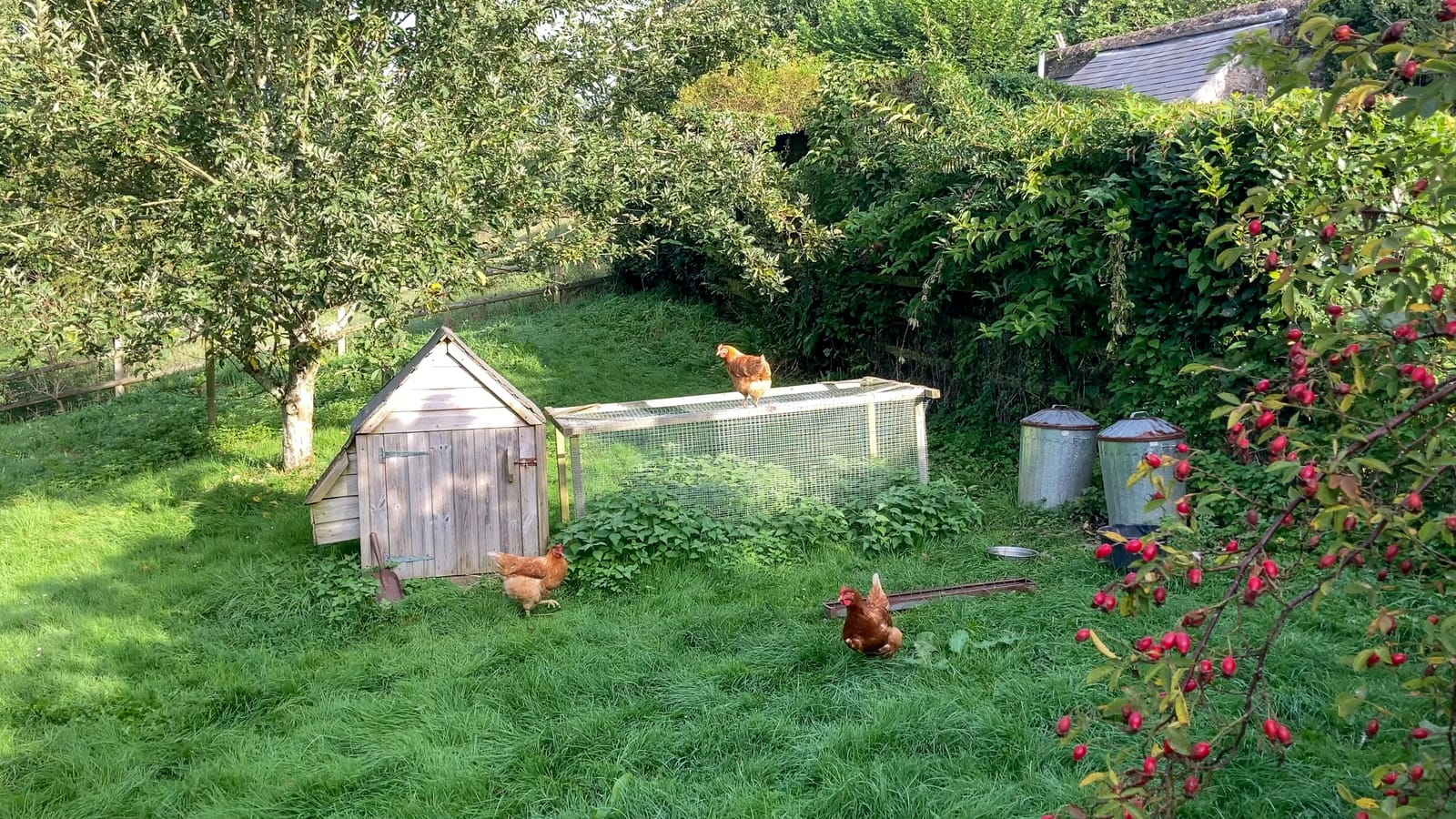
Mandatory housing measures imposed during the latest wave of avian influenza will be lifted across England and Wales from Thursday 9 April, officials have confirmed, marking a cautious but significant step toward normality for poultry keepers.
The decision, announced by the Department for Environment, Food & Rural Affairs, follows a fresh risk assessment indicating a decline in cases of highly pathogenic avian influenza in both wild bird populations and domestic flocks. The restrictions, first introduced on 6 November last year, required poultry and captive birds to be kept indoors to curb the spread of the disease.
From next week, birds will once again be permitted access to outdoor areas, a development widely expected to ease both operational pressures on farmers and welfare concerns for free range systems. Yet, in the manner of all prudent public health policy, the lifting of restrictions comes with caveats rather than celebration.
Officials have stressed that the Avian Influenza Prevention Zone will remain in force, meaning strict biosecurity measures are still a legal requirement. The virus, while diminished, has not vanished.
Deputy UK Chief Veterinary Officer Jorge Martin-Almagro noted that while the immediate threat has receded, vigilance must remain the watchword. Bird keepers are being urged to prepare outdoor spaces thoroughly before reintroducing flocks, including disinfecting surfaces and minimising exposure to potential contamination from wild birds.
Similarly, Richard Irvine described the move as welcome but warned against complacency. Biosecurity, he emphasised, remains the most effective defence against resurgence.
The easing of measures does not apply universally. Premises located within designated Protection Zones or Captive Bird Monitoring Controlled Zones, typically areas affected by recent outbreaks, will still be subject to tighter controls. Bird gatherings such as fairs and markets will also continue under licensing requirements.
For many in the agricultural sector, the announcement represents a delicate balancing act between economic necessity and epidemiological caution. Months of enforced housing have placed strain on producers, particularly those operating free range systems whose business models depend on outdoor access. At the same time, premature relaxation carries its own risks, as past outbreaks have demonstrated with rather unforgiving clarity.
Authorities are advising a gradual reintroduction of birds to outdoor environments to avoid welfare issues after prolonged confinement. Keepers are also reminded of their legal obligation to register poultry and captive birds within one month of keeping them.
#ModernScot