
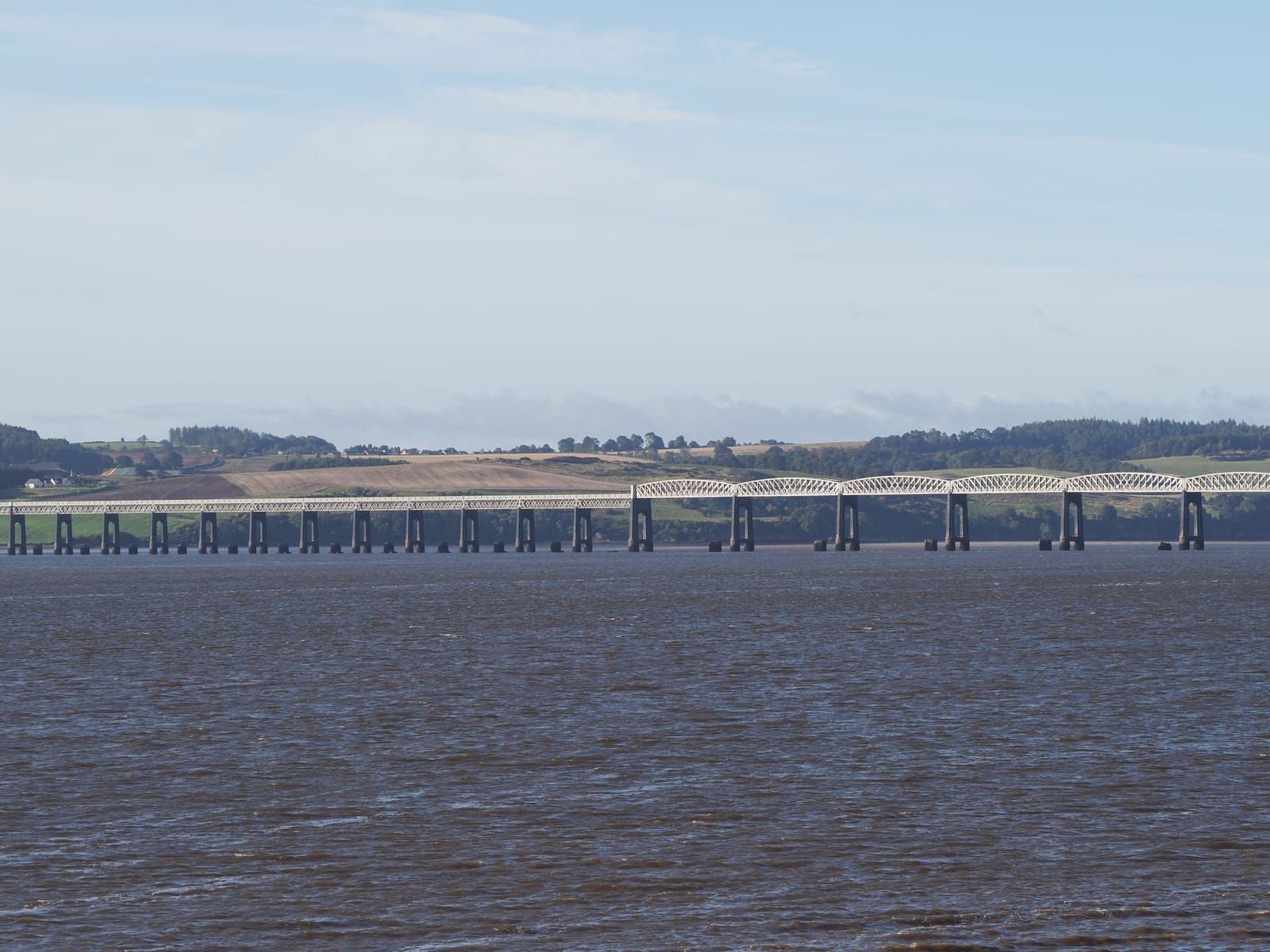
There are few pieces of infrastructure in Scotland that carry both the symbolic and practical weight of the Tay crossing. Since its opening in 1966, the Tay Road Bridge has served as the principal artery between Dundee and Fife, quietly bearing tens of thousands of daily journeys—commuters, freight, emergency services, and the ordinary rhythm of life stitched across the River Tay.
Now, that rhythm will be briefly interrupted.
Bridge authorities have confirmed a programme of overnight closures extending from mid April through late June, as engineers undertake essential maintenance to the structure’s cathodic protection system—a critical defence against the slow, relentless corrosion of reinforced concrete.
A bridge that rarely sleeps
Under normal conditions, the bridge carries in the region of 20,000 vehicles a day. It is not merely a convenience; it is a dependency. For many in North East Fife, it is the route to work, to hospital care, to education in Dundee. For the city itself, it is a lifeline south.
Closing such a crossing—even briefly—requires careful calibration. The chosen window reflects that reality.
Traffic will be halted from 00:20 until 05:00 on a series of dates:
- 14 and 15 April
- 22 and 23 April
- 5 and 6 May
- 19 and 20 May
- 2 and 3 June
- 9 and 10 June
- 23 and 24 June
The pedestrian walkway will remain open throughout, and emergency vehicles will retain access at all times.
The quiet science holding the structure together
The work itself is not cosmetic. Cathodic protection is one of those unglamorous but indispensable technologies that determines whether a bridge lasts decades—or fails prematurely.
By applying a low electrical current, the system suppresses corrosion in the steel reinforcement embedded within the concrete columns. Without it, salt, moisture, and time would steadily degrade the structure from within, invisible until the damage becomes expensive—or dangerous.
This is, in effect, preventative medicine for a bridge now approaching sixty years of service.
Calculated disruption, real consequences
Even at those hours, the closures will not pass unnoticed. Night-shift workers, logistics operators, and early-morning travellers will feel the pinch. Diversions are not trivial in this geography; the nearest alternative crossing, via Perth, adds significant distance and time.
Yet the alternative—deferring maintenance on a structure of this scale—is seldom wise, and often far more disruptive when the bill eventually comes due.
A familiar bargain
There is a quiet contract embedded in public infrastructure: it works, until it doesn’t. And when it must be tended to, the inconvenience is the price of continuity.
The Tay Road Bridge has, for nearly six decades, done precisely what was asked of it—carrying a city’s daily life across a wide and often unforgiving river. These short closures, inconvenient though they may be, are part of ensuring it continues to do so for decades yet to come.
#ModernScot