
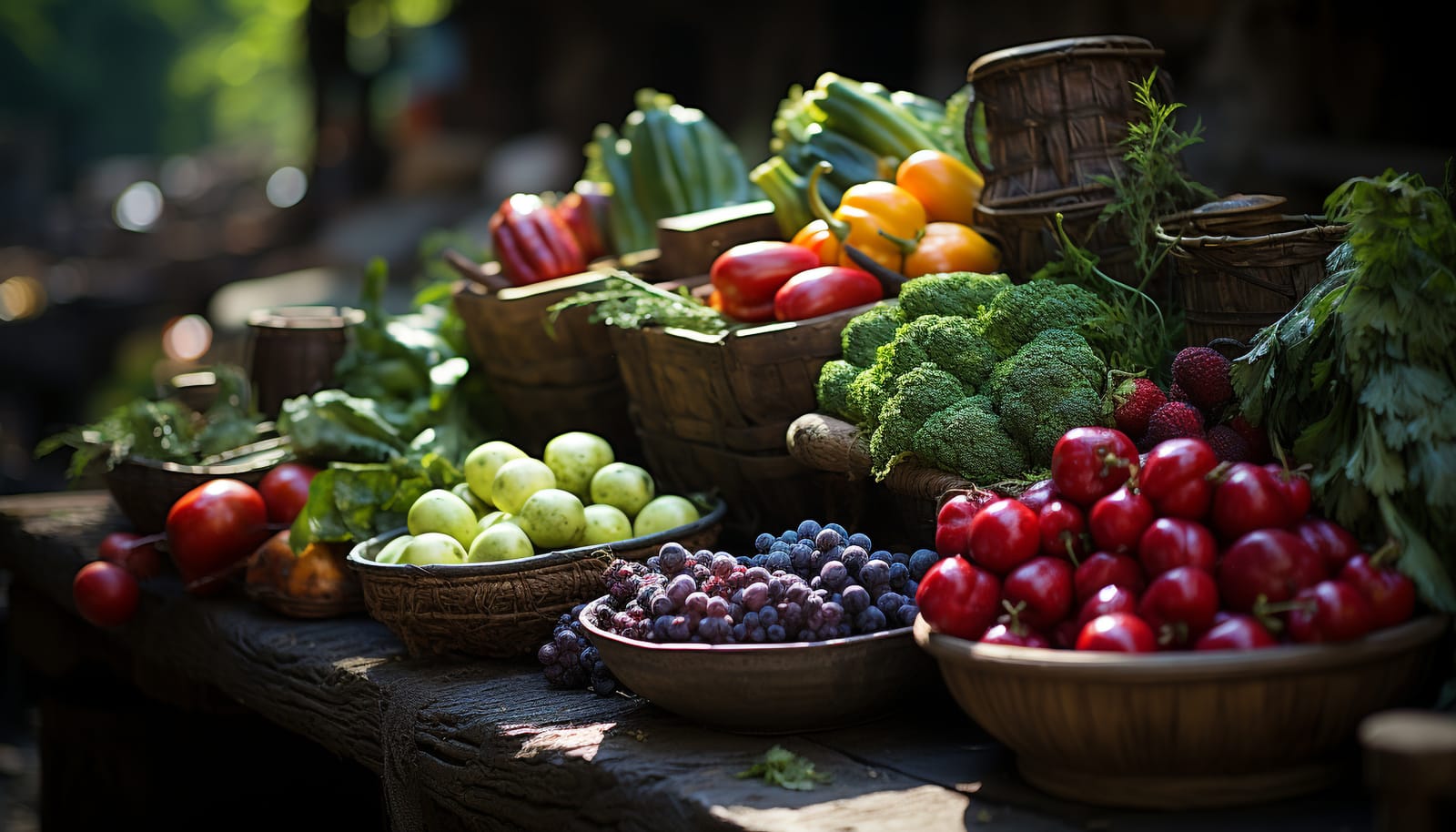
A modest but strategically significant stream of public funding has been channelled into Scotland’s small-scale agricultural sector, as ministers and enterprise agencies test how best to sustain a part of the rural economy often praised yet historically undercapitalised.
Figures published on 25 March confirm that 32 producers across southern, central and north-east Scotland have shared £377,000 through the Scottish Government’s Small Producers Pilot Fund, a scheme introduced during the 2025 to 2026 financial year. The initiative forms part of a wider recalibration of agricultural policy following the UK’s departure from the European Union and the gradual unwinding of Common Agricultural Policy structures.
A policy shaped by post-CAP realities
The Small Producers Pilot Fund emerges from a period of structural transition in Scottish agriculture. For decades, subsidy regimes under the EU’s Common Agricultural Policy tended to favour larger landholdings, often leaving smaller producers reliant on thin margins, diversification, or informal local markets.
In the years since Brexit, the Scottish Government has sought to reframe agricultural support around three stated pillars: climate adaptation, biodiversity restoration, and local food production. Within that framework, smaller producers have been repositioned not as peripheral actors, but as instruments of resilience, particularly in shortening supply chains and supporting rural economies.
The pilot fund, therefore, is less an isolated grant scheme than a test case within a broader shift towards what policymakers describe as “regional food systems” and “sustainable land use”.
Distribution and scope of the fund
The £500,000 national pilot was administered through Scotland’s enterprise network. South of Scotland Enterprise oversaw delivery across both its own region and the Scottish Enterprise area, while Highlands and Islands Enterprise distributed a further £170,000 to seven projects in the north.
Grants were capped at £10,000 for individual applicants and £50,000 for collaborative ventures. The supported projects span livestock production, horticulture, beekeeping, processing, and direct-to-consumer retail.
Officials involved in the scheme describe it as a “learning exercise” as much as a funding mechanism. Alongside capital grants, recipients were offered advisory support, an approach intended to test whether financial assistance alone is sufficient, or whether capability-building must accompany it.
Lucy Filby, Head of Agricultural Transition at South of Scotland Enterprise, said the programme had helped clarify both demand and the types of support required. The addition of coaching, she noted, allowed for a more tailored approach to individual businesses.
Local impact and practical outcomes
For individual producers, the grants appear to translate into tangible, often modest improvements with potentially outsized local effects.
One recipient, Bianca Leder of Drumrash Farm Ventures in Dumfries and Galloway, used the funding to install a polycrub, a robust greenhouse designed for Scotland’s climate. The investment enables earlier and more reliable crop production, shifting her operation from surplus selling towards planned cultivation.
Such examples illustrate the underlying logic of the scheme: relatively small injections of capital can enable producers to stabilise output, extend growing seasons, and move into more predictable market activity.
James Withers, a small business adviser working with recipients, characterised the grants as “transformational” at the micro level, suggesting they could accelerate entry into new markets and support innovation, including progress towards net zero targets.
Government intent and future expansion
The Rural Affairs Secretary, Mairi Gougeon, framed the fund within a broader commitment to rural economic vitality, describing small producers as part of Scotland’s “rural heartbeat”.
More notably, she confirmed that capital investment in this area will rise to £1.5 million in the coming financial year, effectively tripling the pilot allocation. That escalation suggests the government views the scheme not as a one-off intervention but as a precursor to a more permanent funding stream.
Yet questions remain. Pilot programmes, by design, are exploratory. The extent to which such funding can scale meaningfully across Scotland’s fragmented small producer base, or whether it risks becoming another modest grant scheme with limited structural impact, will depend on how outcomes are measured and whether policy follows evidence rather than sentiment.
A sector under renewed scrutiny
The renewed focus on small producers reflects a broader reconsideration of how food is produced and distributed in Scotland. Concerns over supply chain fragility, rising input costs, and environmental pressures have elevated the role of local production in policy discussions.
At the same time, there is an implicit tension between ambition and capacity. Small producers are often invoked as custodians of sustainability and local identity, yet they operate within markets still dominated by scale efficiencies and global competition.
The Small Producers Pilot Fund does not resolve that contradiction. It does, however, signal an attempt to address it, cautiously, incrementally, and with a degree of empirical intent.
Whether it proves to be the foundation of a more resilient agricultural model, or simply a well-meaning experiment, will become clearer as the next phase of funding unfolds.
#ModernScot