A campaign to restore and expand Scotland’s temperate rainforest has intensified ahead of the Scottish Parliament election, with environmental groups urging ministers to commit to long-term funding and stricter controls on invasive species and deer populations.
The appeal centres on one of Scotland’s least widely understood habitats: fragments of Atlantic woodland along the west coast, described by conservationists as globally rare and under sustained pressure. Advocates say the next parliament will be decisive in determining whether these ecosystems recover or continue to decline.
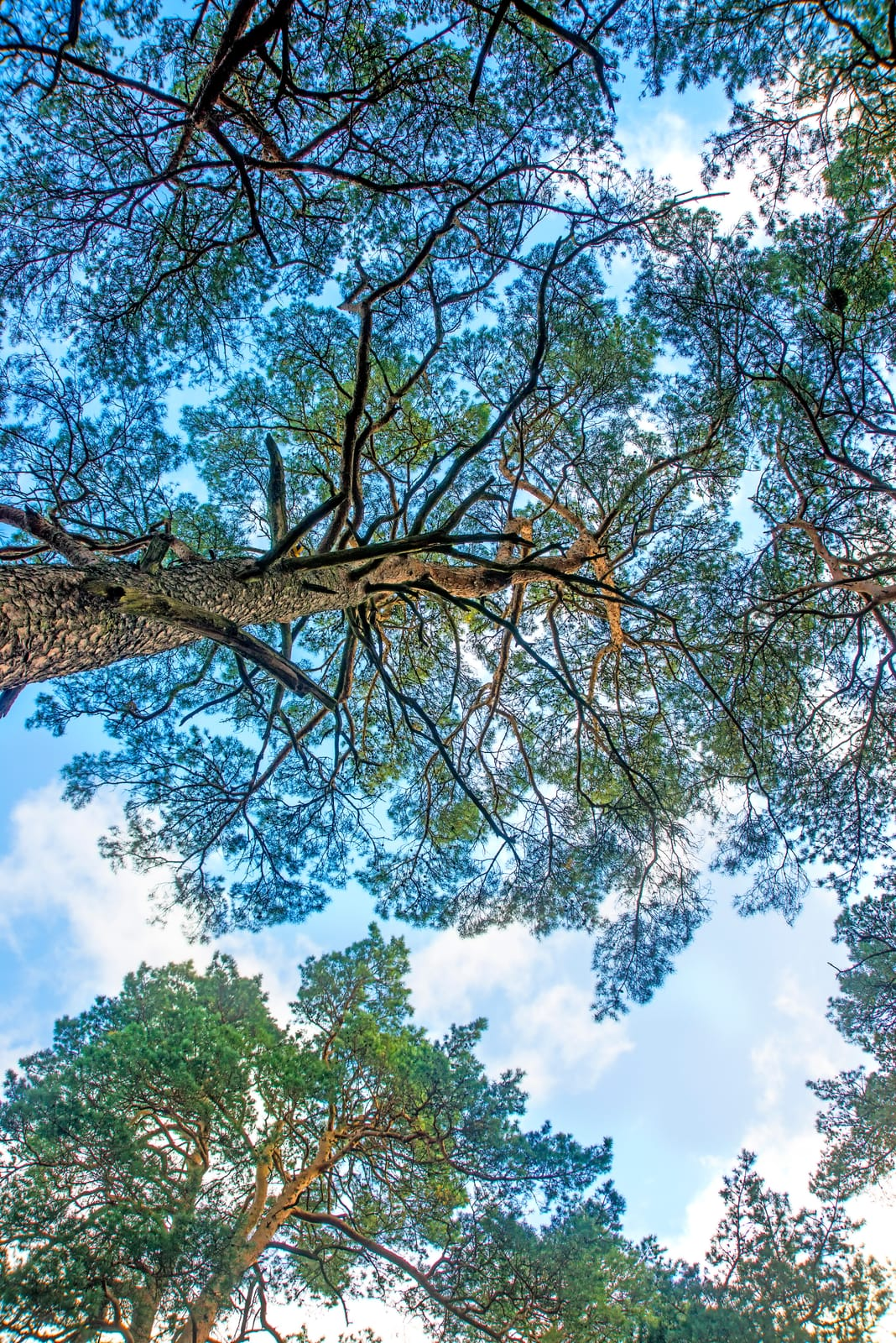
Unlike their tropical counterparts, Scotland’s rainforests are defined by persistent rainfall and humidity, supporting dense communities of mosses, lichens and fungi alongside native trees such as oak, birch and Scots pine. They are also home to species including red squirrels, pine martens and a range of woodland birds.
Historically, such woodland once stretched across large parts of the western seaboard. Evidence compiled by organisations including Woodland Trust suggests that what remains today is a fragmented remnant of a much wider ecological network. The current patchwork distribution reflects centuries of land use change, including timber extraction, agriculture and estate management.
The present campaign, led in part by Woodland Trust Scotland and partners in the Alliance for Scotland’s Rainforest, sets out an ambition to double the extent of rainforest habitat by 2045. The coalition brings together more than 40 organisations, including public bodies, charities, landowners and community groups.
Supporters argue that recent policy developments have created a foundation for progress. During the current parliamentary session, government funding has been directed towards woodland restoration, while new legislation, including the Natural Environment (Scotland) Act 2026, is expected to introduce binding targets for nature recovery and changes to deer management.
There has also been a shift in political recognition. The concept of Scotland’s rainforest, once largely confined to academic and specialist circles, has gained greater visibility among policymakers and the public.
Yet the campaigners’ intervention suggests that existing measures are considered insufficient. They are calling for what they describe as “meaningful, long-term, upscaled funding” alongside more direct intervention in two areas identified as major pressures: deer populations and invasive plant species.
Deer management remains a longstanding and contentious issue in Scotland’s upland landscapes. High deer densities can prevent natural regeneration by grazing young trees, and conservation groups have argued for stronger incentives or regulatory mechanisms to reduce numbers.
At the same time, the continued spread of Rhododendron ponticum, a non-native species introduced in the nineteenth century, is cited as a significant threat. The plant is known to form dense thickets that suppress native vegetation, and its removal can be costly and labour-intensive. Campaigners are pressing for a ban on its sale, arguing that ongoing commercial availability undermines public investment in eradication.
Both proposals, however, raise practical and political considerations. Deer management intersects with land ownership patterns, sporting estates and rural economies, making policy changes potentially contentious. Expanding markets for wild venison, as suggested by campaigners, may offer one route to balancing ecological and economic interests, though the scale at which this could operate is not specified.
Similarly, banning the sale of Rhododendron ponticum would require regulatory action affecting horticultural businesses. While the environmental case is clear, the extent of current commercial trade and the feasibility of enforcement are not detailed.
The broader ambition to double rainforest coverage by 2045 also rests on assumptions about land availability, funding continuity and long-term stewardship. Woodland expansion projects typically require sustained investment and management over decades, and the current announcement does not quantify the resources needed to meet the target.
Historical context underscores the scale of the challenge. By the early twentieth century, much of Scotland’s native woodland had already been lost or degraded. Subsequent afforestation programmes often favoured commercial conifer plantations over restoration of native habitats. Only in recent decades has policy shifted towards recognising the ecological value of native woodland systems.
Research from bodies such as Scottish Natural Heritage—now operating as NatureScot—has highlighted the importance of Atlantic woodland not only for biodiversity but also for carbon storage and climate resilience. These wider environmental functions strengthen the case for restoration, though they also add to the complexity of balancing competing land uses.
The campaign’s timing reflects the approaching election, with organisers encouraging voters to raise the issue with parliamentary candidates. That political framing suggests an attempt to secure cross-party commitment to long-term policy continuity, rather than reliance on short funding cycles.
For communities and land managers in affected areas, particularly in parts of the Highlands and west coast, the outcome of these debates may shape land use decisions for decades. Restoration efforts could bring environmental and potentially economic benefits, including tourism and ecosystem services, but may also require changes to existing practices.
What remains uncertain is how far political consensus will extend once specific measures are considered. While there appears to be broad agreement on the value of protecting native habitats, the mechanisms for doing so—particularly where they affect land ownership, commercial activity or public spending—are likely to involve trade-offs.
The immediate question is whether the next Scottish Parliament will translate the growing recognition of Scotland’s rainforest into sustained policy action. The longer-term test will be whether that action is sufficient to reverse fragmentation and restore a habitat that has diminished over centuries but remains, for now, recoverable.
#ModernScot