
Montrose, a picturesque coastal town in Angus, Scotland, is steeped in a rich historical tapestry that dates back centuries. Situated between Dundee and Aberdeen, Montrose serves as a window into Scotland’s intriguing past, from its prehistoric roots to its strategic importance in national and international conflicts.
Early History and Development
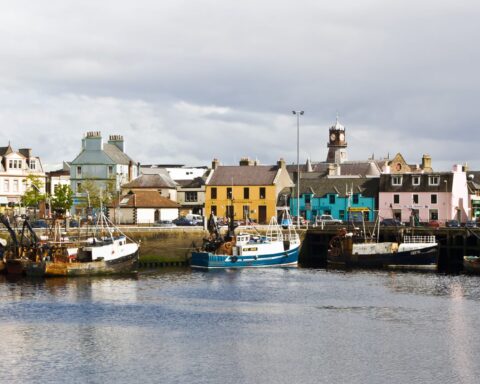
The origins of Montrose can be traced back to the Mesolithic era, evidenced by archaeological finds in the area. By the medieval period, Montrose had developed into a bustling port town, its economy buoyed by fishing and trade. The town was officially designated as a royal burgh by King David I in the 12th century, affirming its importance in Scotland’s medieval trade networks.
Role in the Scottish Wars of Independence
Montrose played a significant role during the Scottish Wars of Independence. The town was a fervent supporter of Scottish independence, with local figures participating actively in the resistance against English rule. Its strategic location made it a key military and naval base during the conflicts, a status that repeatedly brought both prosperity and destruction to its inhabitants.
17th Century Turmoil and the Covenanters
In the 17th century, Montrose found itself at the heart of the religious upheavals that swept through Scotland. It became a stronghold for the Covenanters, a group opposing the imposition of Anglican practices by the British monarchy. The town’s allegiance to the Presbyterian cause led to several occupations by both Royalist and Covenanter forces throughout the century.
The Jacobite Rebellions
The Jacobite rebellions of the 18th century, aiming to restore the Stuart monarchy to the British thrones, also left their mark on Montrose. The town saw significant action as Jacobite forces moved through the region, and its port facilitated crucial support and supply lines.
Industrial Expansion and Modern Era
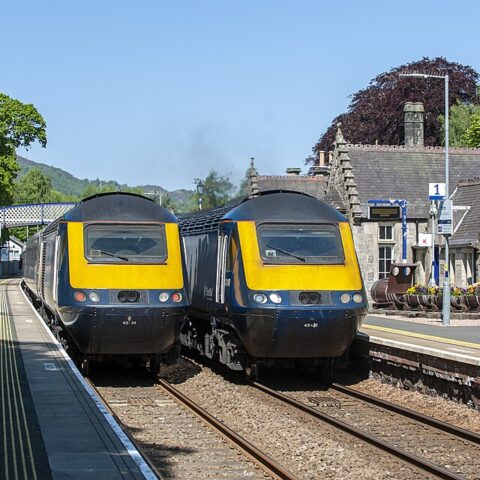
With the advent of the Industrial Revolution, Montrose expanded beyond its medieval boundaries. The establishment of the Montrose Basin, an enclosed tidal basin, in the 19th century significantly enhanced its role as a shipping hub. The town’s rail connections, established in the Victorian era, further boosted its economic profile, connecting it to major Scottish cities and beyond.
Today, Montrose proudly preserves its history while embracing the future. Its cultural heritage is celebrated in numerous venues, such as the Montrose Museum, which houses collections that tell the story of the town from its prehistoric roots to its modern developments. The Montrose Air Station Heritage Centre offers insights into the town’s significant role in early British aviation history.