
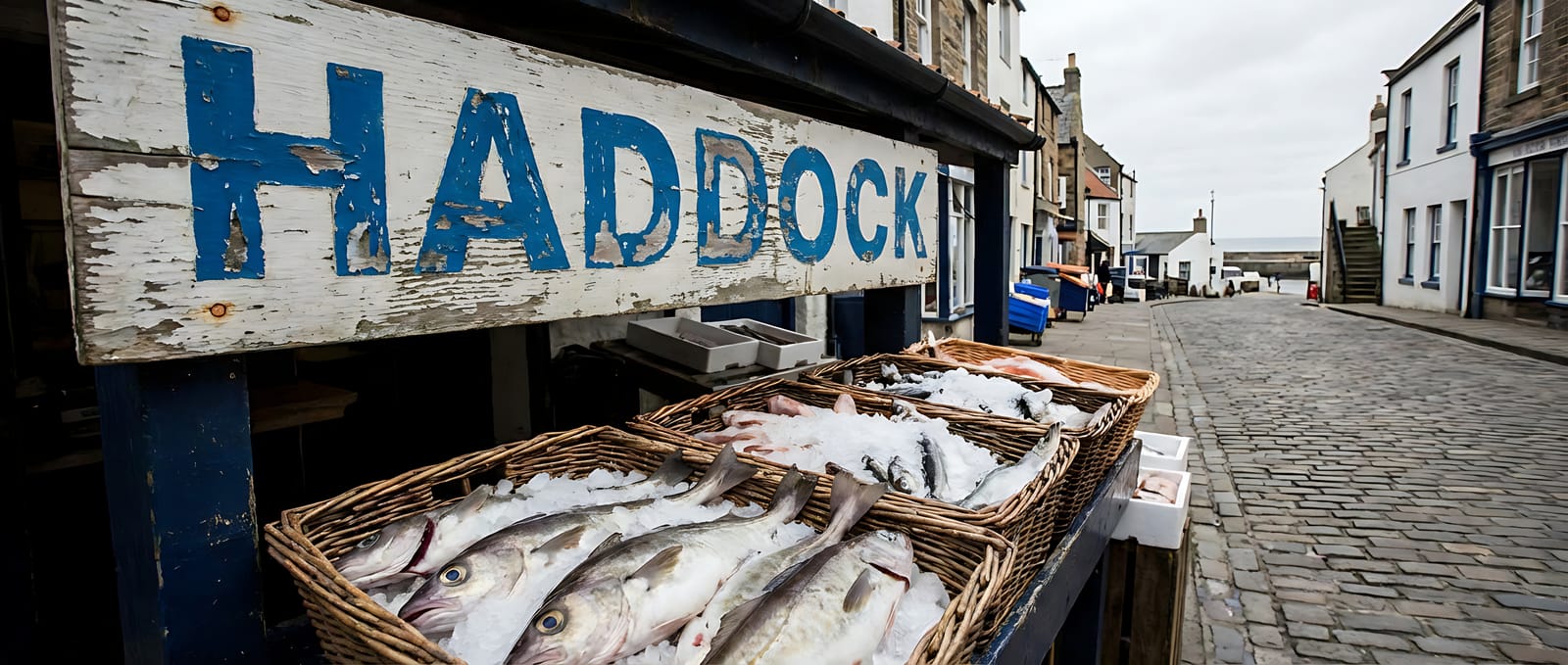
I first heard the rumour at a wee fish shop somewhere between Thurso and Scrabster, while looking over crates of fish in what I considered a casual manner and what others may have mistaken for surveillance.
I was not listening.
I wish that made clear.
I was merely standing beside the haddock in a thoughtful way, leaning slightly towards a crate of langoustines. If, while doing so, I happened to hear two men discussing a tunnel under the sea, that is hardly my fault. Sound travels. Especially over ice.
The rumour was that Shetland has been officially debating ferries and tunnels, but unofficially some islanders may have started digging without permission.
This does not surprise me.
There comes a point in every Scottish debate when a practical person looks at the situation, takes off a jacket, and goes to find a shovel. The sensible ones say they are only stepping out for a smoke, then never return to the meeting.
Nobody at the fish shop said this plainly, of course. Highland and island rumours are not delivered like announcements. They are spread like jam on a scone, slowly and with great care, while everyone pretends not to notice until someone says, “Aye, well,” and the whole room understands there is now a civil engineering project beneath a shed.
I bought two haddock, though I had only gone in for one, because once a woman has leaned that far into the fish it seems rude to buy only one. My husband noticed the extra fish immediately, which shows that some spouses can spot an unexplained household purchase.
“How much did that cost?” he asked, his voice following me down the hall. But I was already phoning Morag.
“I have no knowledge,” I mouthed back at him.
Morag lives on an island. I will not say which one. I am not careless. Also she would come over and kill me if the ferry was running.
We have known each other since we were girls, which is to say since before either of us had knees that announced the weather. We once shared a packet of biscuits in a bus shelter during a storm so violent the bus gave up before we did. That is a form of blood oath in the north.
I said, “Morag, are the islanders digging a tunnel?”
There was a pause.
Not a normal pause. A pause with doors closing in it.
Then she said, “Who told you that?”
I said, “Nobody told me. I overheard it beside the haddock.”
“In Thurso?” she asked.
I told her I was writing nothing down. This was not entirely true, as I had a pencil in my hand, but I had not yet licked the tip, so morally I was still clean.
Morag lowered her voice.
“I’ll need to speak to Hamish.”
“Oh, for pity’s sake,” I said. “We have known each other since we were twelve years old. I have seen you fall into a peat bog with a sausage roll in your hand and come out still eating it. I live in the Highlands. Who am I going to tell?”
“My point exactly,” she said.
That was fair.
Morag put the phone down. I could hear a muffled discussion in the background, then the sound of a man saying, “Absolutely not,” in the tone men use when something has already happened.
She came back.
“He says there is no tunnel.”
“Fine,” I said.
“There is only the other way.”
Now, this is how you know a thing is serious.
In Scotland, anything called “the other way” is either an ancient drove road, an illegal parking arrangement, or a method of avoiding a relative.
I asked what the other way was.
Morag said, “It depends who is asking.”
“I am asking.”
“Aye, but professionally or as yourself?”
“As myself.”
“That is worse.”
I made tea and remained casual. One must not interrogate a friend. It is bad manners and leads to unreliable testimony.
At length, she explained that there was no tunnel, officially. No one had started digging, officially. No one had marked anything on a map, officially. No shed contained tools, lanterns, biscuits and a laminated sign saying Mind Your Head, officially.
Unofficially, several people had been improving their root cellars.
One woman on Yell had told her neighbour she was putting in storage for tatties and had somehow reached Unst by Thursday.
A man on Whalsay said he was working on drainage.
He was asked why the drainage had a tea station, a first-aid box and a passing place.
He said it was best practice.
Another man had ordered two shovels, a head torch and a suspicious quantity of sandwiches. When challenged, he said he was contributing to connectivity. That is how you know a man has read a government document and not recovered.
There was also a suspicious number of wheelbarrows with registration numbers, as if they were part of a fleet managed by an island tunnel committee and a man named Angus in charge of logistics.
I do not wish to spread rumours. I am far too respectable for that. I merely record that in island communities, when people start buying batteries in bulk and stop complaining about ferry cancellations, something has shifted.
A ferry is a fine thing when it turns up. I have nothing against ferries. They are noble vessels, provided they are not cancelled, delayed, redeployed, waiting on a part, short of crew, or undergoing what is described as a period of operational reflection.
The official debate, I understand, is whether tunnels could replace some ferry routes over the next sixty years.
Sixty years.
That is not a transport plan. That is a family curse.
If you tell islanders that a solution may arrive in sixty years, they will not wait. They will begin quietly. They will say they are mending a dyke. They will say they are extending a shed. They will say they are storing feed. Then one morning a woman will go out for milk and return from another island with a receipt from a shop that is not connected by ferry.
No one will ask questions.
That is how communities survive.
Morag said the other way was only for essentials.
“What counts as essential?” I asked.
“Medical appointments,” she said. “Funerals. School. Livestock. Boiler parts. Prescriptions. Visiting your sister when she says she is fine, which means she isn’t fine.”
“Crisps?”
There was a pause.
“Depends on the weather.”
This is the kind of governance I can respect.
No glossy brochure. No minister in a hard hat. No launch event with a folding table and one of those pull-up banners that never stands straight. Just a committee of people who know exactly who needs to get where and why.
I asked if there were rules.
“There are always rules,” said Morag.
No telling outsiders.
No taking large dogs through until the ventilation has been discussed.
No complaining about the slope unless you brought a shovel.
No stopping in the middle for tea.
No using the other way for nonsense.
And most importantly, if asked directly by anyone carrying a clipboard, the correct answer is, “What tunnel?”
That is not dishonesty. That is cultural protection.
Officials never understand this. But Scotland was held together long before government.
I asked Morag how far the other way had got.
She said, “I could not possibly say.”
Then she added, “But bring stout shoes if you come.”
That is when I knew.
There is no need to panic. No one is undermining national transport policy. No islander is secretly solving in private what the authorities have spent years discussing in public. No emergency tunnel exists beneath a shed, with a kettle at one end and a man called Angus saying, “Mind your head.”
Certainly not.
I merely report that if, one day, a perfectly dry woman from Yell appears unexpectedly in Unst carrying a casserole dish and a small amount of gravel in her shoe, the authorities should not act surprised.
They were warned.
Somewhere between Thurso and Scrabster.
Beside the haddock.