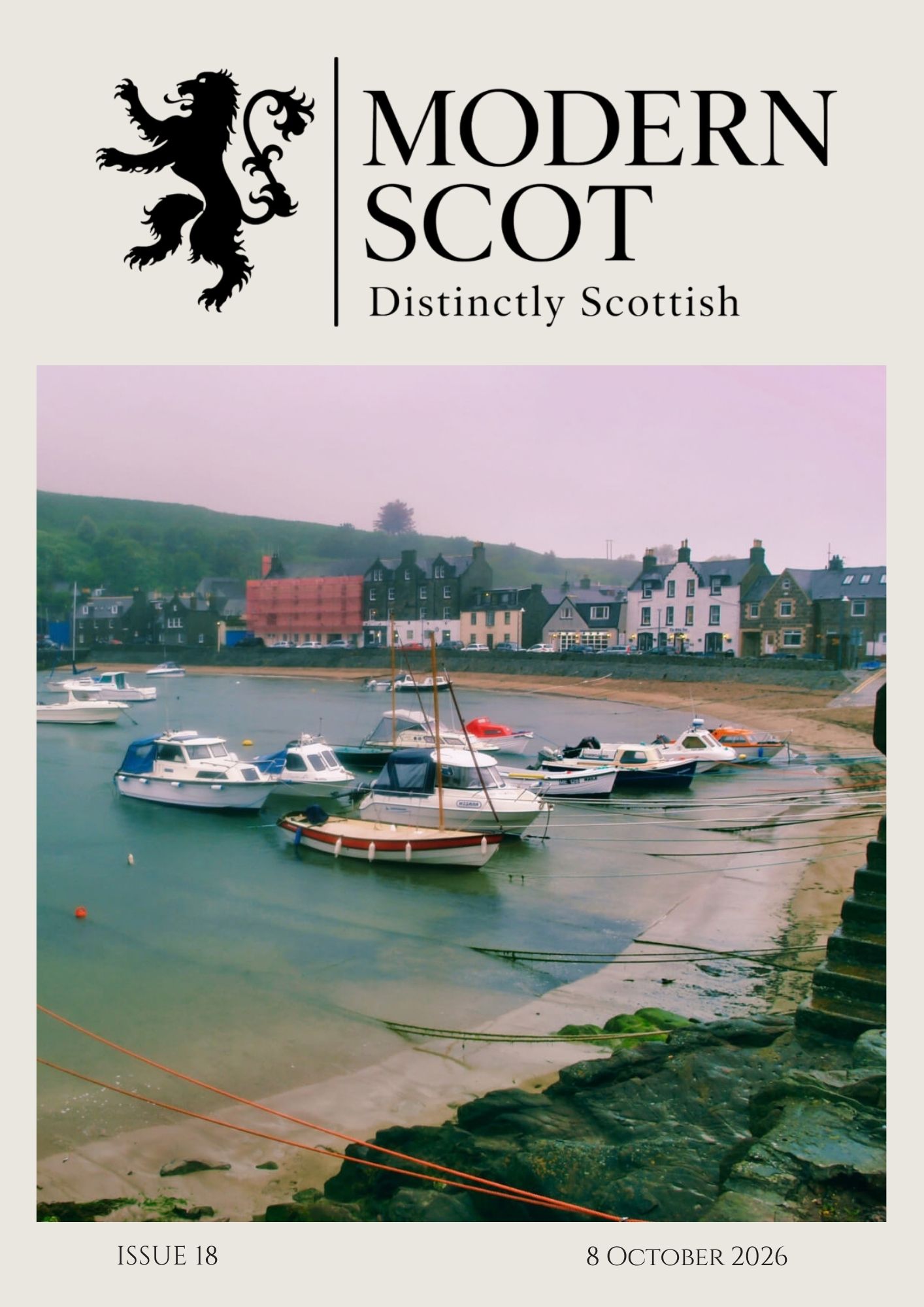

There are places along the Scottish coast where several different versions of the country seem to exist at once. Port Erroll is one of them. Today it is often associated with beaches, golf and the fading atmosphere of a Victorian resort that never entirely became what its founders intended. Yet long before railway tourism and grand hotels arrived on this stretch of the Aberdeenshire coast, the sea itself determined life here.
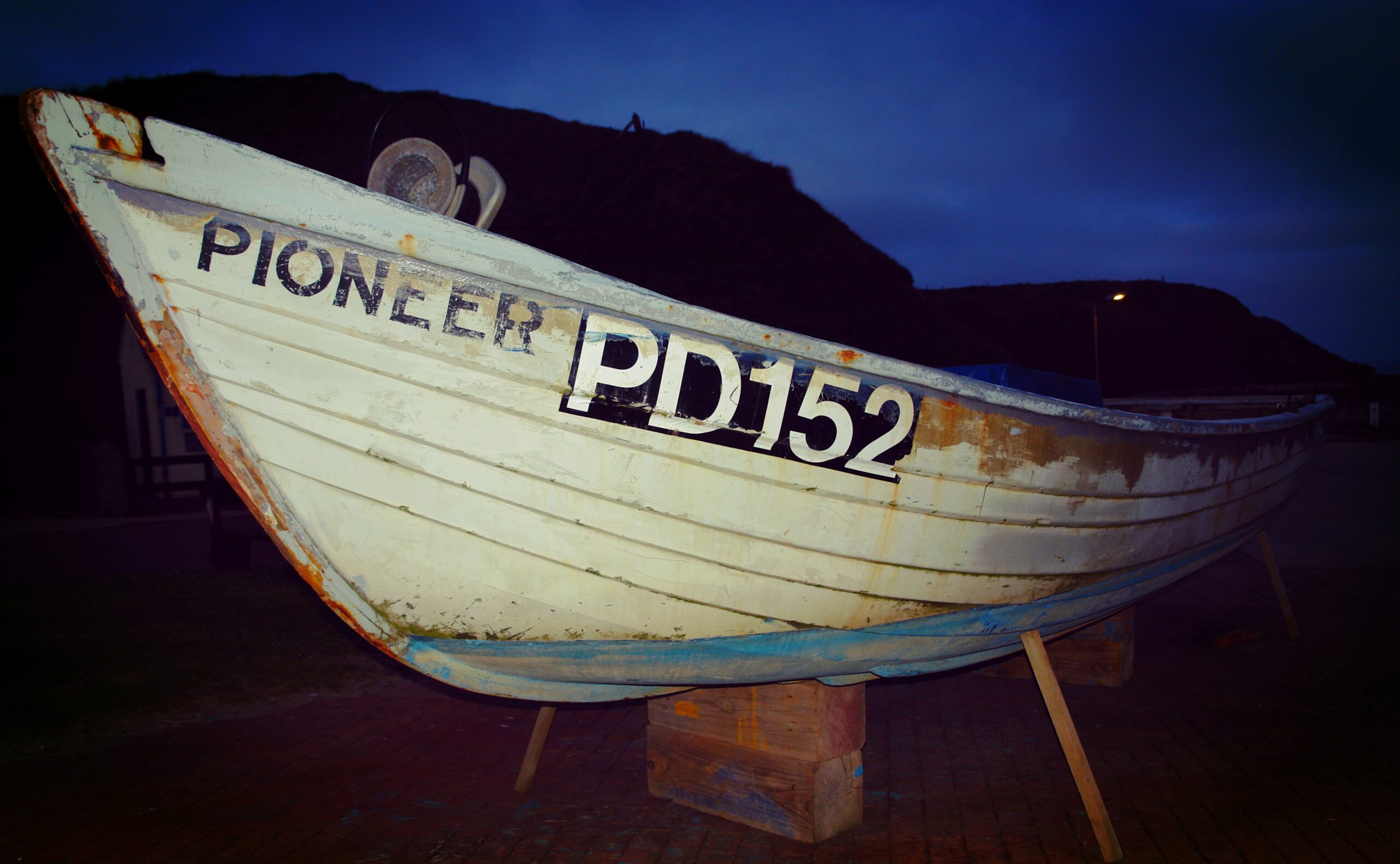
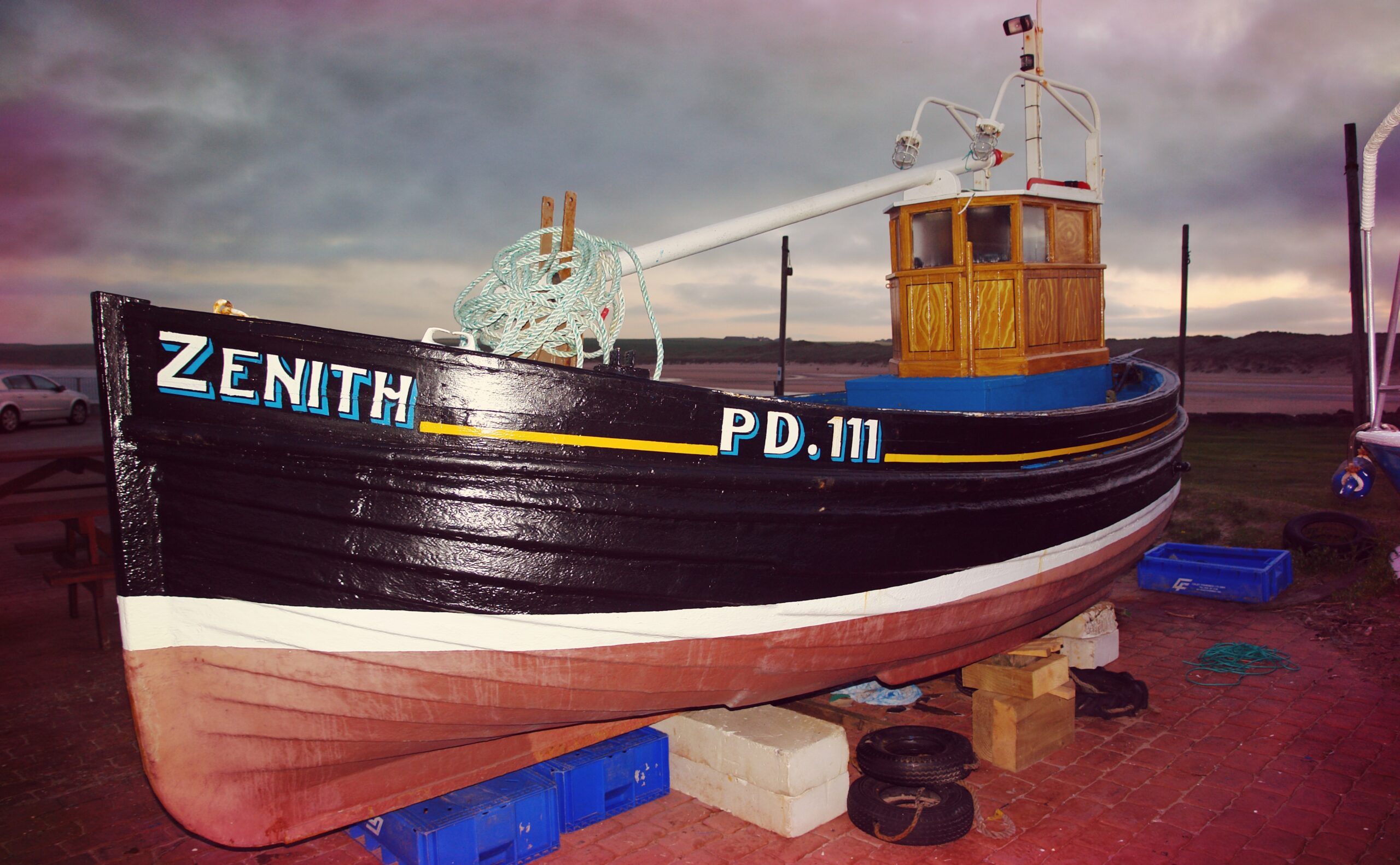
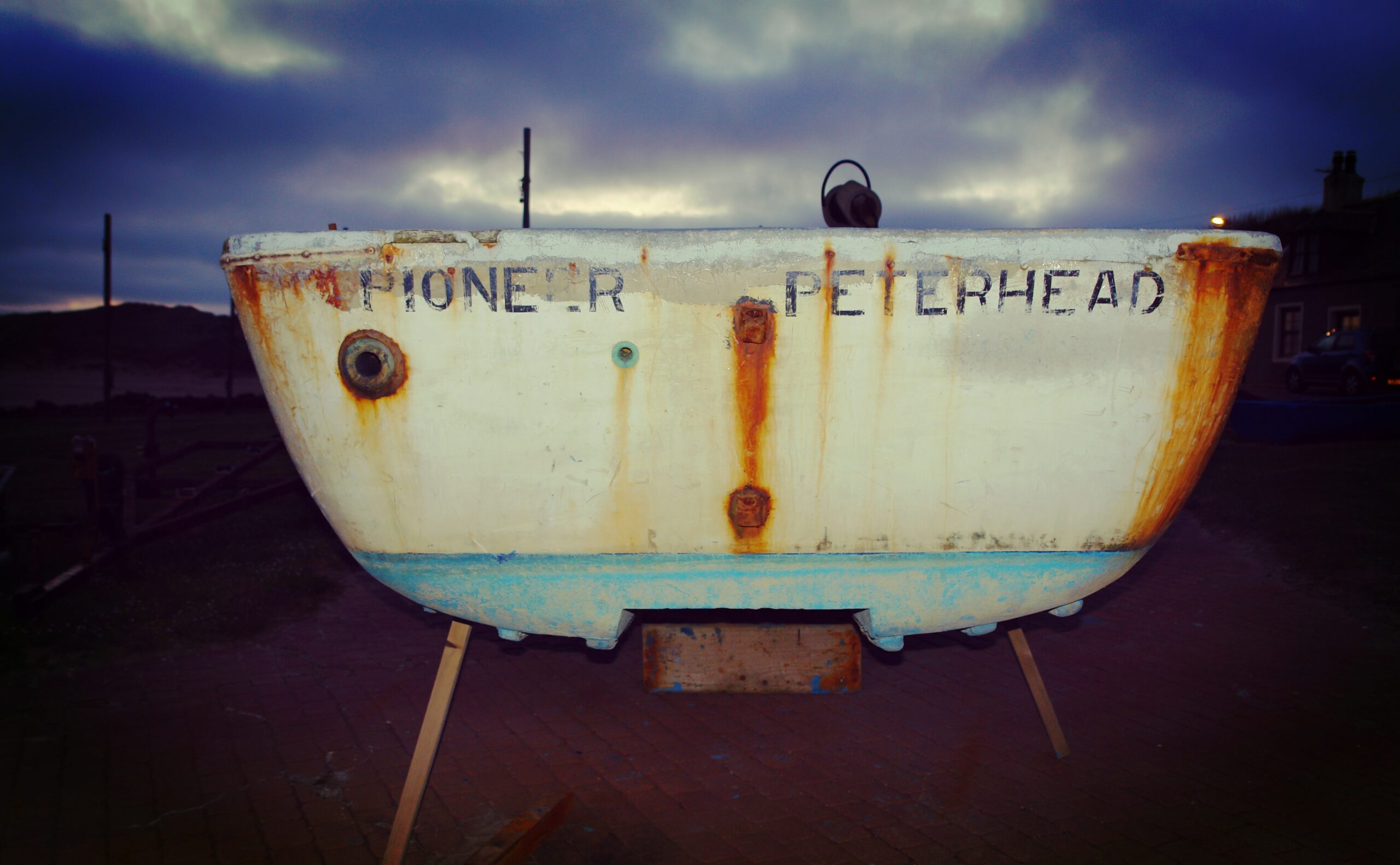
Cruden Bay developed first as a working coastal settlement shaped by fishing, weather and the exposed realities of the North Sea. The coastline supported generations of small-scale fishing activity, particularly during the great herring era that once sustained much of northeast Scotland’s coastal economy. Local boats worked the surrounding waters while maritime trade and seasonal fishing patterns shaped daily life across the district.
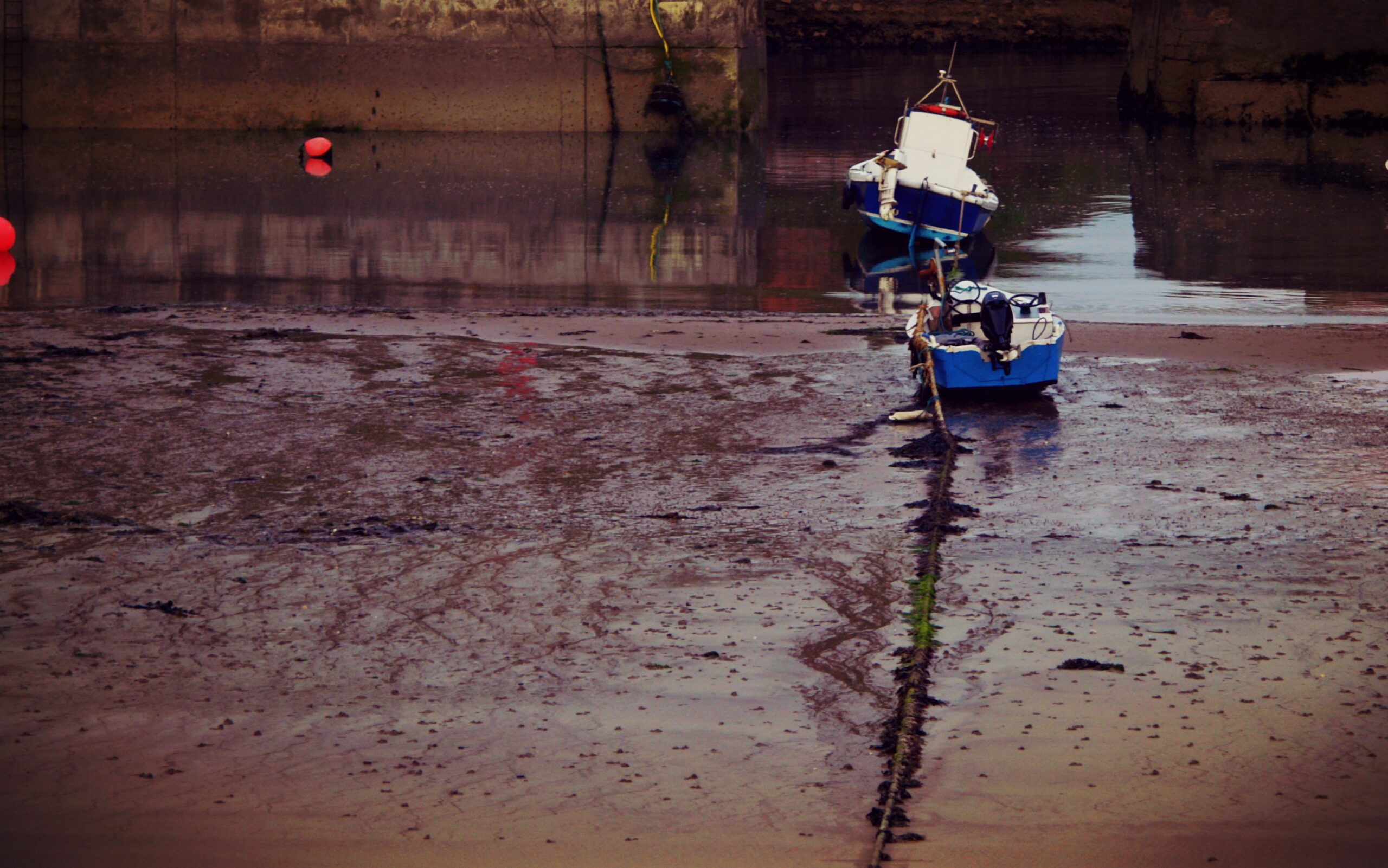
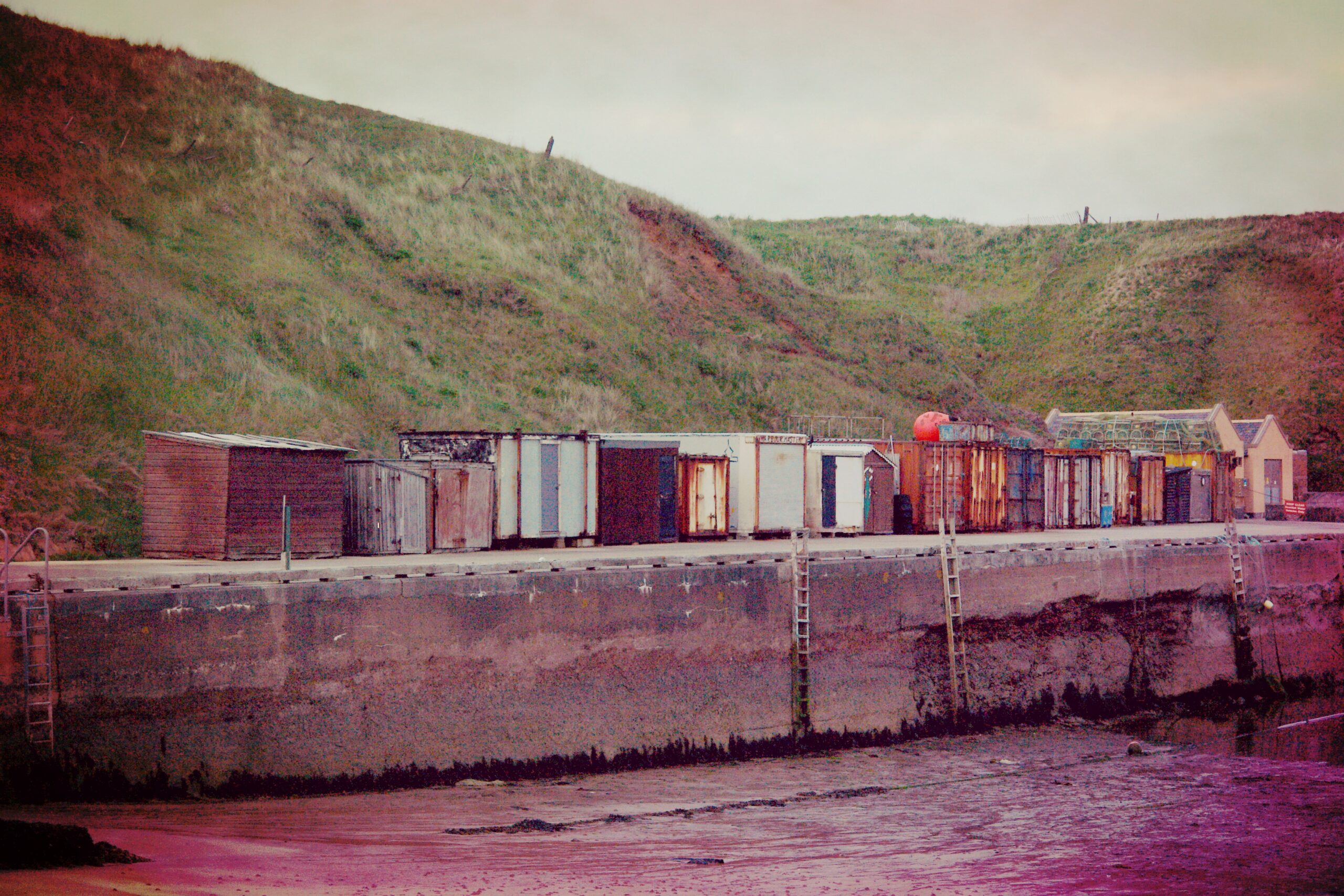
The construction of the harbour at Port Erroll during the 1870s reflected those practical needs as much as later tourism ambitions. Developed under the direction of the Earl of Erroll, the harbour improved maritime access and provided greater shelter for fishing and coastal activity at a time when northeast Scotland’s fishing economy still carried substantial regional importance.
But by the closing years of the nineteenth century, another vision for the area began to emerge.
Across Britain, railway companies increasingly viewed Scotland’s coastline not simply as a place of industry and fishing, but as a destination for recreation, health and upper middle class travel. The arrival of the Great North of Scotland Railway transformed Cruden Bay’s prospects almost overnight. In 1897, the line reached the village directly, bringing visitors north from Aberdeen and beyond.
The railway company aggressively promoted the bay as a luxury resort destination. At the centre of this ambition stood the vast Cruden Bay Hotel, a grand establishment overlooking the sea that became one of the most striking resort hotels in Scotland during the Edwardian period.
Golf quickly followed. Cruden Bay Golf Club emerged as one of the country’s great traditional links courses, shaped as much by natural dunes and coastal terrain as by formal landscaping. Unlike many modern golf developments, the course retained a rawness and irregularity that still defines its character today.
For a period, Port Erroll appeared poised to become one of Scotland’s major seaside destinations. Yet the resort dream never fully stabilised in the way its developers imagined.
Changing tourism patterns, the decline of railway travel and wider economic shifts gradually weakened the grand hotel culture that had fuelled the bay’s expansion. The Cruden Bay Hotel itself declined during the twentieth century before eventually being demolished, bringing an end to the most ambitious phase of the resort’s history.
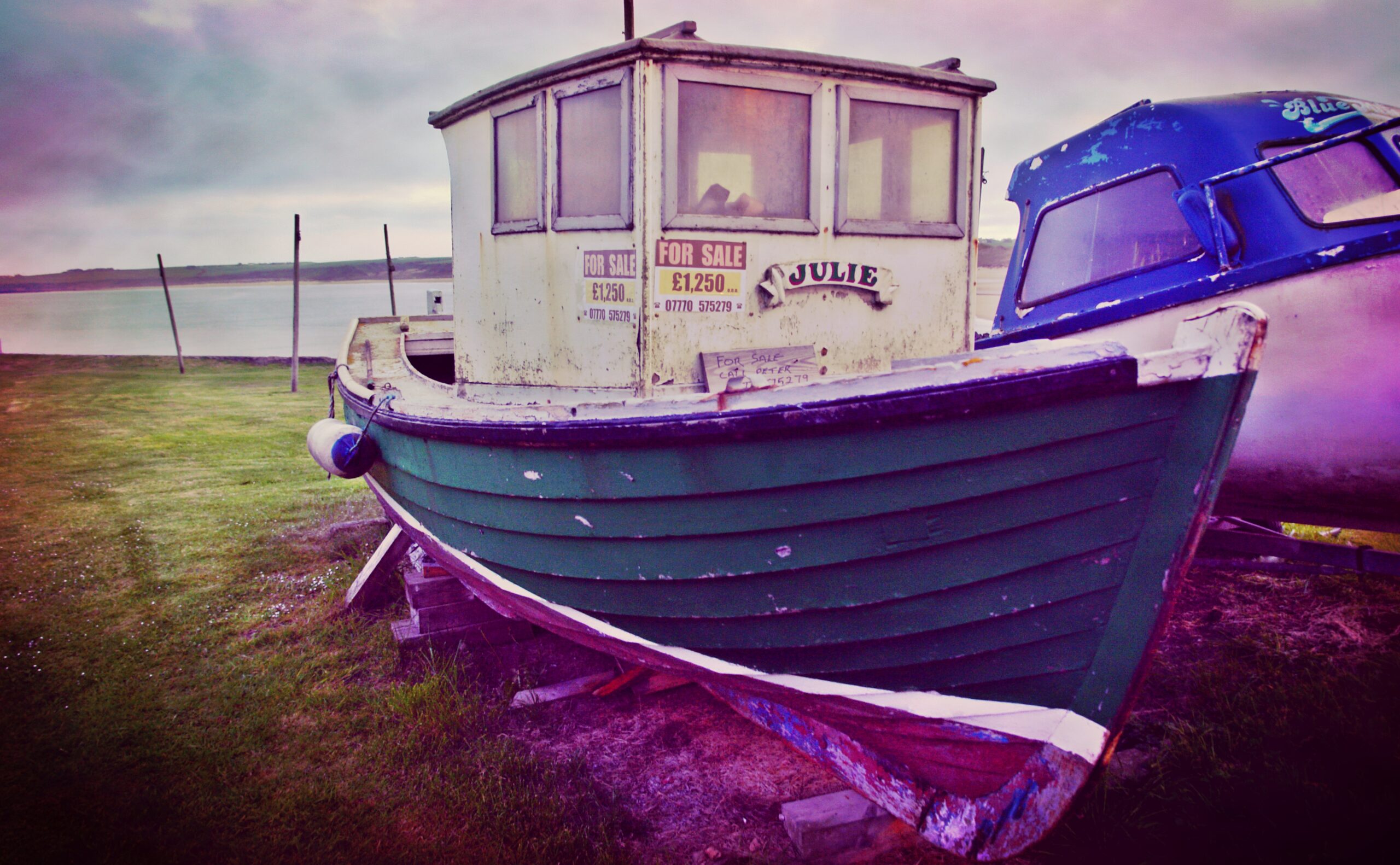
The fishing industry also changed profoundly during the same period. Across northeast Scotland, the great herring fleets diminished as economic patterns, fishing methods and coastal industries evolved through the twentieth century. Like many Scottish coastal communities, Cruden Bay adapted gradually to a different relationship with the sea.
And yet Port Erroll never entirely lost its atmosphere.
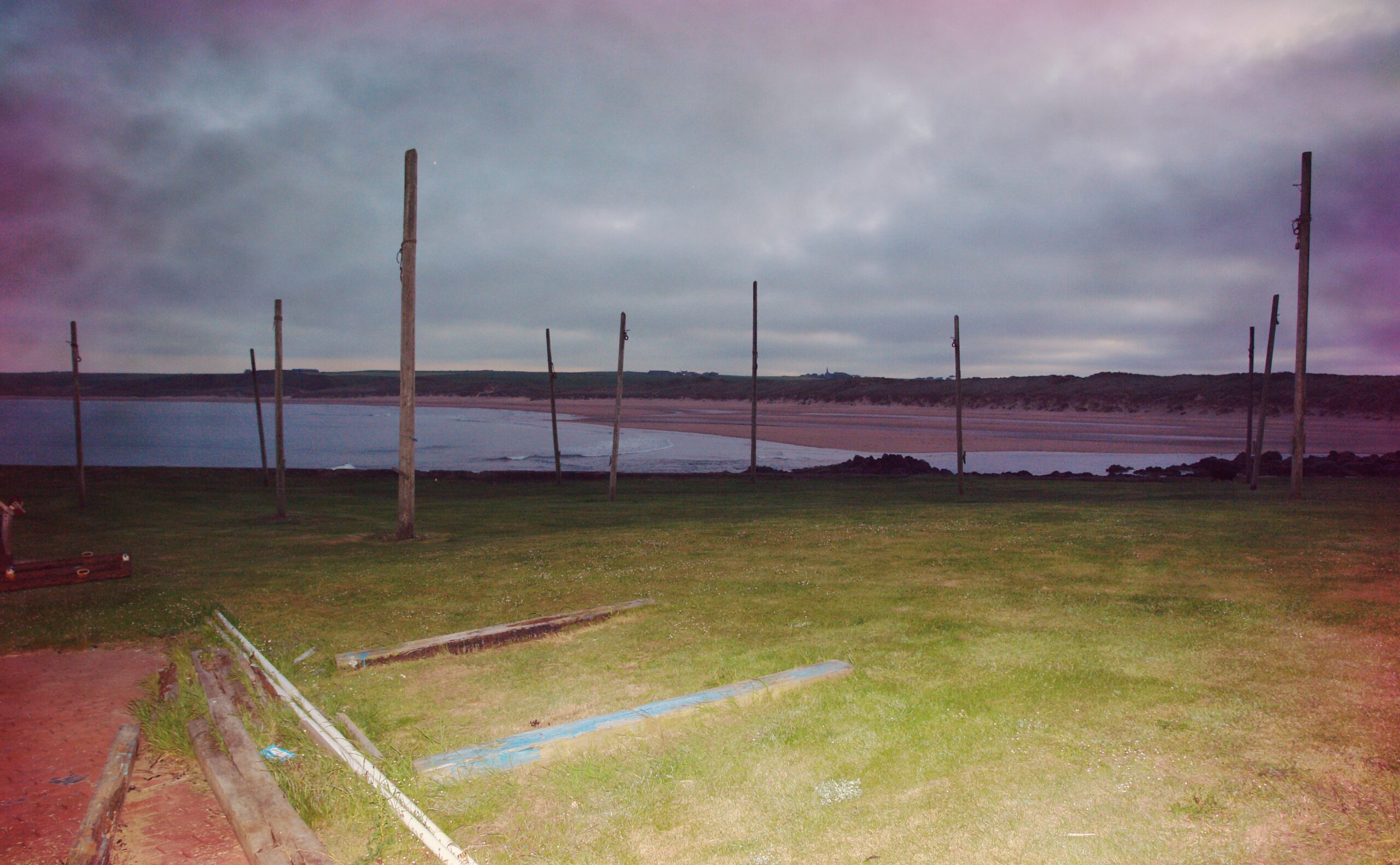
The harbour still faces the North Sea with the same practical solidity that first justified its construction. The dunes continue to shift across the coastline. The beach remains remarkably expansive, with long stretches of sand that still feel largely untouched by the heavier commercialisation found elsewhere.
To the north, Slains Castle rises dramatically above the cliffs, its ruined silhouette frequently associated with Bram Stoker’s visits to the area during the 1890s and the atmosphere that later informed parts of Dracula. Whether romanticised or not, the coastline itself possesses the kind of severe theatricality that encourages such stories.
Modern Cruden Bay functions less as a formal resort and more as a layered coastal settlement where different eras remain unusually visible at the same time. Fishing heritage, railway ambition, Victorian leisure culture and contemporary tourism all remain present in fragments across the landscape.
What survives is not a perfectly preserved resort town, nor a museum version of Scotland’s coastal past.
Something more interesting than that remains.
Port Erroll still carries traces of the older working coast upon which the later resort was built. The sea remains dominant. The weather still dictates the mood of the place. Visitors continue to arrive, although now for quieter reasons than those imagined by Victorian railway directors more than a century ago.
The grand resort largely faded. The fishing economy changed. The railway disappeared.
But the coastline itself endured all of them.