
For years, biodiversity policy in Scotland largely existed in the language of targets, strategies and environmental ambition. Nature restoration was encouraged, discussed and funded, but often remained politically separate from the harder machinery of planning, infrastructure and economic development.
That separation is beginning to narrow.
A series of official publications, parliamentary papers and new legislation now indicate that biodiversity is moving steadily from environmental aspiration into the centre of Scottish governance itself, with growing implications for land management, housing, transport infrastructure, agriculture and public investment.
The shift is most clearly reflected in the Natural Environment (Scotland) Act 2026 and the Scottish Government’s wider biodiversity strategy, both of which increasingly frame nature restoration not simply as environmental policy, but as part of the country’s long term economic and infrastructural planning.
The language used within recent parliamentary scrutiny papers is notably direct. Committees examining Scotland’s climate and environmental targets have repeatedly acknowledged that earlier ambitions often struggled to translate into delivery across public systems, particularly where housing, transport and land use pressures competed with environmental commitments.
The response now emerging is more structural.
Rather than treating biodiversity as a standalone environmental concern, official policy increasingly embeds it into decision making processes that shape how land is managed and how development itself is assessed.
In practical terms, this means biodiversity considerations are expected to play a growing role in planning decisions, public infrastructure projects, flood management schemes, forestry policy and agricultural transition programmes over the coming decade.
The change is gradual, but significant.
For developers, local authorities and public agencies, environmental obligations are increasingly moving beyond voluntary guidance and into statutory expectation. Nature restoration, habitat protection and ecological resilience are becoming part of the underlying framework through which projects may eventually be judged.
The implications extend well beyond conservation policy alone.
Scotland’s biodiversity strategy sits alongside wider climate adaptation plans that acknowledge the increasing pressure climate change is expected to place on coastlines, river systems, peatlands, woodland and agricultural land. Nature restoration is therefore increasingly presented not simply as ecological protection, but as infrastructure in its own right.
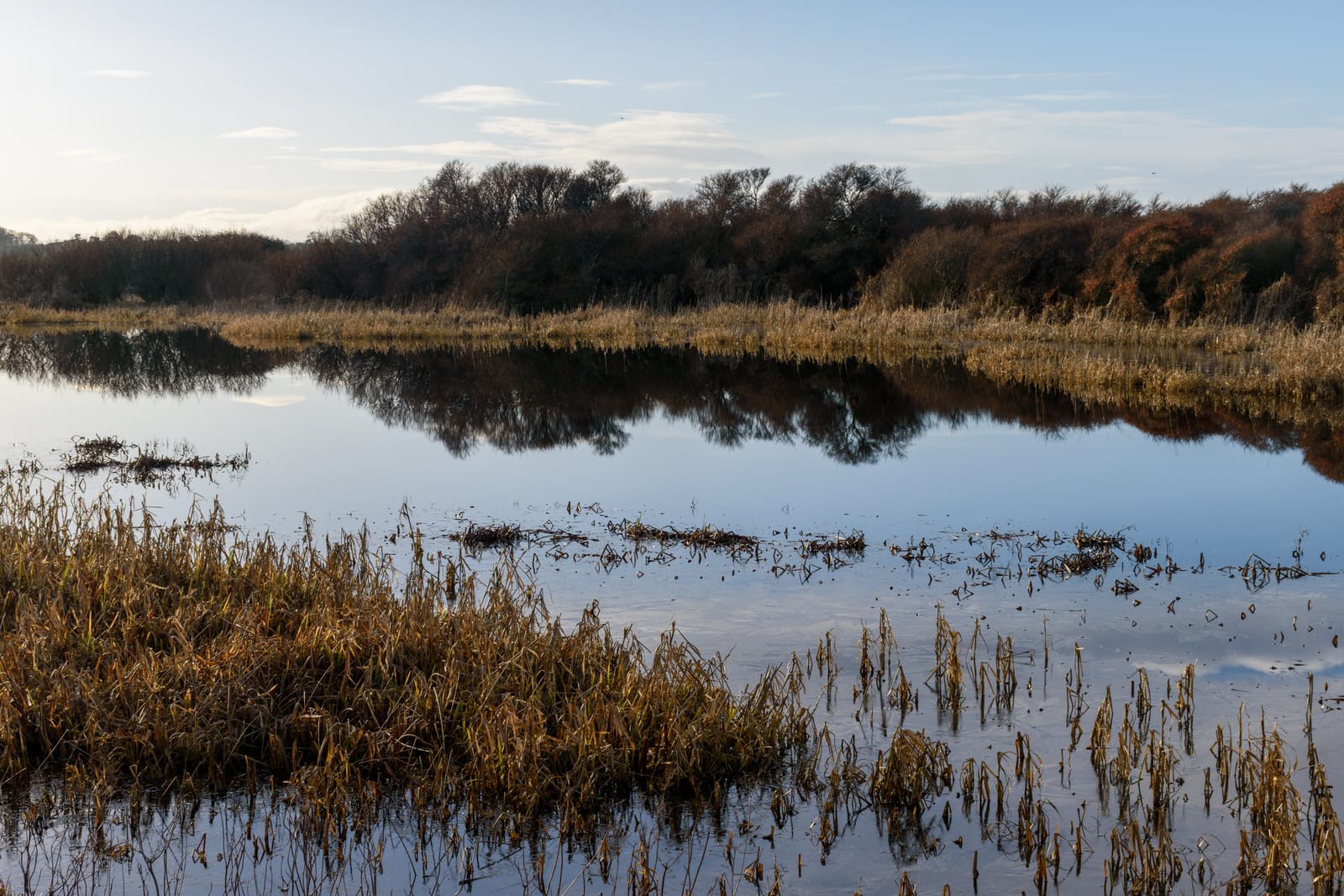
Flood prevention provides one example. Official policy documents now repeatedly reference natural flood management approaches, including woodland expansion, peatland restoration and wetland recovery, alongside more traditional engineered flood defences.
Similarly, forestry policy is increasingly linked not only to carbon capture targets, but to biodiversity recovery, timber resilience and long term land management strategy.
The scale of transition involved is substantial.
Large infrastructure programmes, energy developments and housing expansion increasingly operate alongside environmental requirements that did not exist in the same form a generation ago. In some cases, the priorities align. In others, they compete directly for land, funding and political attention.
Parliamentary scrutiny papers published this year acknowledge that delivering climate and biodiversity ambitions simultaneously will require coordination across multiple systems that are already under pressure, including local government, transport infrastructure and planning authorities.
For rural Scotland in particular, the transition may prove especially significant.
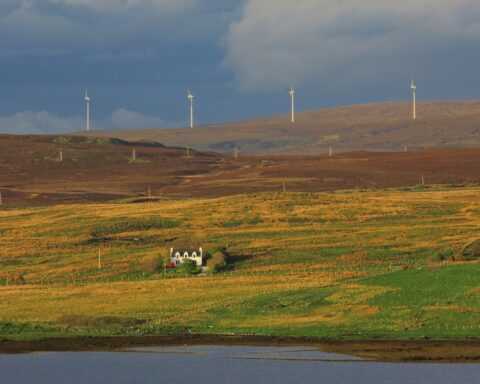
Agricultural policy is gradually shifting away from older subsidy structures toward models that increasingly incorporate environmental outcomes, biodiversity restoration and land resilience measures. Estate management, peatland restoration and woodland creation are all expected to play larger roles within future land use planning.
At the same time, concerns remain over how quickly these transitions can realistically occur while balancing food production, economic sustainability and the financial pressures already facing many rural businesses and communities.
The official documents themselves remain measured in tone.
There is little dramatic language within the legislation or accompanying parliamentary papers. Yet collectively they describe a country beginning to redefine how nature itself is positioned within public policy and national development.
Biodiversity is no longer being treated solely as a specialist environmental issue.
It is increasingly becoming part of the legal and administrative framework through which Scotland intends to manage land, infrastructure, climate adaptation and long term economic planning at the same time.
The long term consequences of that shift are unlikely to be confined to environmental policy alone.