
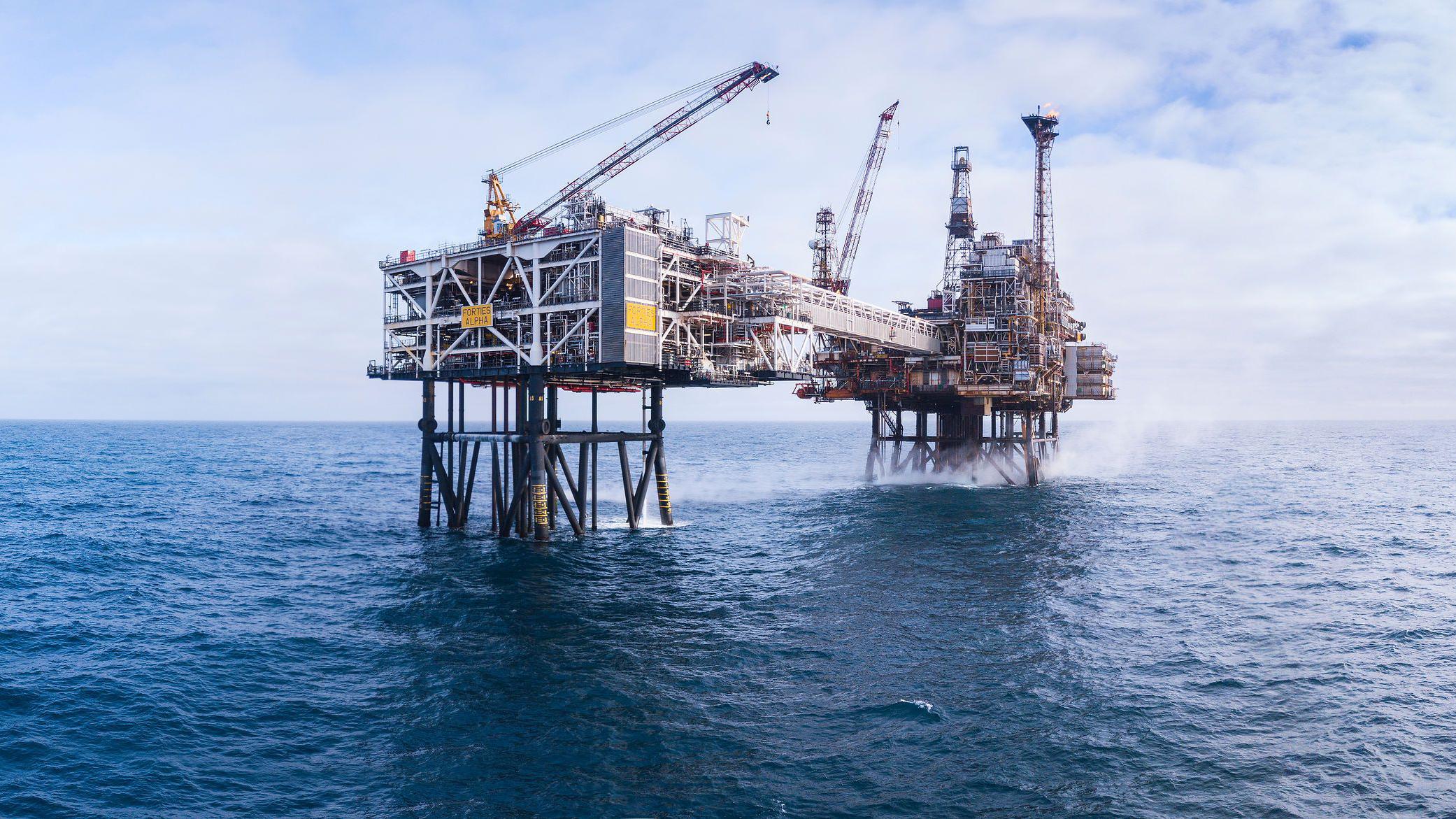
For more than a century, Scotland’s energy story has been written in coal, shale oil, crude oil, gas, pipelines, refineries, ports, platforms, skilled labour and industrial courage. It has been written in Bathgate and Grangemouth, in the North Sea and the north east, in engineering yards, control rooms, terminals, communities and households. It has shaped work, wealth, politics, public revenue, national argument and the everyday cost of living.
For many Scots, especially younger Scots, that older map may already feel remote. It should not. The present does not arrive from nowhere. The Scotland now being asked to accept new power lines, substations, offshore wind connections, carbon storage licences, import terminals, data centres and AI infrastructure is the same Scotland whose oil, refining and industrial systems were built over generations, then sold, reorganised, constrained and reduced.
This article places dated public records, official documents, company announcements, planning material, regulator decisions, court judgments and serious reporting into one reverse chronology. It does not argue that one document explains everything. It shows how Scotland’s oil, refining, net zero, grid, data centre and AI infrastructure stories have developed in overlapping tracks. Too often these matters are presented separately. In the life of the country, they are increasingly connected.
Scotland is now being asked to understand several industrial changes at once. Its only crude oil refinery has stopped processing crude. The future of new North Sea oil and gas licensing has narrowed. The electricity transmission network is being rebuilt at speed. Offshore wind is being placed at the centre of the next energy system. Carbon storage is being licensed in the North Sea. Green data centres and AI infrastructure are being promoted as national economic opportunities. Communities are seeing planning notices, power lines, substations, converter stations, server halls, lost refinery jobs and promises of future work that may or may not arrive.
No serious nation can refuse change. Scotland cannot live permanently inside the industrial arrangements of the past. But no serious nation should accept change without understanding the bargain being made in its name.
Oil and refining brought jobs, skills, supply chains, tax revenue, energy security arguments and national importance. They also brought pollution, carbon dependence, corporate power and political dispute. The new map is different. It is made of offshore wind leases, high voltage cables, converter stations, private data campuses, AI growth zones, carbon storage licences, import terminals, global finance and strategic decisions taken far from many of the communities expected to host the infrastructure.
The question is whether Scotland is being shown the whole exchange.
What is being lost? What is being built? Who owns it? Who pays for it? Who profits from it? Who carries the pylons, the substations, the server halls and the industrial job losses? Who receives the secure work promised in the language of transition? Who holds the licences, the cables, the land, the data, the contracts and the long term power?
This paper trail begins with the most recent public events and works backwards because the present is where the pressure is first felt. The history then sits underneath it. Its purpose is not to instruct Scotland what to think. Its purpose is to place the record before the public, so that citizens can see what has been announced, approved, closed, licensed, challenged, sold, promised and built.
The old map moved crude oil through Scotland. The new map moves electricity across Scotland and data into Scotland. A country that hosts such systems has the right to ask who commands them.
Scotland’s future should not be something that happens to Scotland. It should be something Scotland can see, question, shape and judge.
Editorial method and limitation: this table distinguishes between confirmed public records, company announcements, government policy, regulator decisions, legal judgments, consultation material, campaign analysis and press reporting. It does not claim a single hidden plan to replace Scotland’s oil economy with data centres. It records a documented convergence: oil and refining pressure, net zero policy, offshore wind expansion, grid acceleration, data centre promotion and AI infrastructure investment developing over time.
The public interest question: Scotland’s old energy and refining system was being constrained, taxed, climate tested, reduced and converted while replacement industries were still being planned, marketed, consulted on or financed. The risk is not transition itself. The risk is an uneven transition in which Scottish communities carry visible infrastructure and immediate industrial loss while the ownership, revenue and strategic control of the new system sit elsewhere.
The Dated Paper Trail
Newest entries appear first. Colour coding identifies the track being followed in each row. The date column has been kept narrow so the source links have room to breathe; on smaller screens, swipe or scroll sideways to see all columns.
| Date | Track | What happened | Why it matters | Supporting document |
|---|---|---|---|---|
| May 2026 | Data Centres and AI | The Guardian reported campaign analysis warning that Scotland’s green data centre policy could allow major AI related emissions and energy impacts to be missed. | This shows the data centre issue had moved from planning and developer promotion into wider environmental scrutiny. It is campaign analysis reported by a national newspaper, not a final government finding. | Guardian report |
| 24 Mar 2026 | Net Zero and Climate | The NSTA carbon storage licensing round closed for applications after opening in December 2025 with areas in Scottish and English waters. | The North Sea licensing machine did not disappear. It shifted subject. Carbon storage licensing became part of the transition framework for industrial decarbonisation. | NSTA carbon storage licensing |
| 29 Jan 2026 | Data Centres and AI | The UK Government designated Lanarkshire as an AI Growth Zone, linked to DataVita, CoreWeave and major private investment claims. | AI infrastructure became a formal industrial strategy item in Scotland, not merely a private data centre proposal. The announcement also attached jobs and community benefit claims that require later checking against delivery. | UK Government announcement; Written statement |
| 19 Jan 2026 | Grid | NKT announced final contracts with SSEN Transmission for 525kV HVDC cable systems for the Western Isles and Spittal to Peterhead transmission links. | This confirmed another major supply chain commitment for Scotland’s northern electricity transmission build out. | NKT announcement |
| 18 Dec 2025 | Data Centres and AI | ERCS and APRS published analysis warning that data centres in the Scottish planning system could double Scotland’s energy demands. | This is the point at which public concern about data centres sharpened around electricity demand, grid capacity and planning policy. The claim is from campaign analysis and should be attributed as such. | ERCS; APRS |
| 9 Dec 2025 | Net Zero and Climate | The NSTA opened the UK’s second carbon storage licensing round, including five areas in Scottish waters. | The North Sea was being repurposed in policy and licensing terms, with carbon storage presented as necessary to net zero and industrial decarbonisation. | NSTA announcement |
| 26 Nov 2025 | Oil and Gas | The UK Government published its North Sea energy future consultation and stated its commitment to issuing no new licences to explore new oil and gas fields. | This is the formal policy settlement after the 2024 election. It does not revoke existing licences, but it narrows future exploration policy. | UK Government consultation |
| 19 Nov 2025 | Grid | Ofgem said its ASTI framework was designed to fast track assessment of 26 strategically important transmission projects needed to enhance the electricity network. | This shows the grid build out was being accelerated through regulator backed machinery, with offshore wind and clean power ambitions behind the pressure for new infrastructure. | Ofgem announcement |
| 4 Nov 2025 | Data Centres and AI | ILI Group announced The Stoics, a proposed £15 billion green data centre network across Scotland’s central belt, naming sites in Fife, East Ayrshire and North Lanarkshire. | This was one of the largest single developer announcements in the Scottish data centre paper trail. It remains a developer announcement and must be checked against planning records site by site. | ILI Group announcement |
| 28 Oct 2025 | Data Centres and AI | A Scottish Parliament written answer said NPF4 designates all green data centres of major scale as part of National Development 12, including AI focused green data centres meeting major development criteria. | This formally linked AI focused green data centres to the national development planning route. | Scottish Parliament written answer |
| 28 Aug 2025 | Data Centres and AI | Apatura promoted public consultation on the Wester Hermiston AI Data Centre Campus in Edinburgh. | The data centre strategy had become visible in local consultation, with a large AI campus proposed within Scotland’s planning system. | Apatura consultation page |
| 29 Apr 2025 | Grangemouth | Crude processing ended at Grangemouth, and the site continued its transition into a fuels import terminal. | This marked the end of crude oil processing at Scotland’s only oil refinery. Scotland retained fuel import and distribution activity, but lost domestic crude refining capacity. | Reuters; Petroineos |
| 19 Mar 2025 | Grangemouth | Project Willow identified nine possible low carbon and renewable options for the future of Grangemouth. | This was the official attempt to identify a post refinery industrial future. The gap between study, investment and replacement jobs remains central to the public interest. | UK Government announcement; Project Willow report |
| 30 Jan 2025 | Net Zero and Climate | Scotland’s Court of Session ruled approvals for Rosebank and Jackdaw unlawful because downstream emissions had not been properly considered. | This showed the practical legal effect of climate assessment on North Sea oil and gas approvals after the Finch judgment. | Case summary |
| 12 Sep 2024 | Grangemouth | Petroineos confirmed it would cease refining at Grangemouth in the second quarter of 2025. The Scottish and UK Governments announced a joint plan for the site’s industrial future. | This was the formal closure decision for Scotland’s only crude oil refinery. Ministers acknowledged the commercial nature of the decision while promising transition support. | Scottish Government announcement; Reuters |
| Jul 2024 | Grangemouth | The Just Transition Commission published workers’ perspectives on the Grangemouth refinery closure. | The report placed worker evidence inside the transition debate, warning of the gap between transition language and secure replacement employment. | Just Transition Commission report |
| 29 Jul 2024 | Oil and Gas | The UK Government announced changes increasing the Energy Profits Levy to 38% from November 2024, bringing the headline tax rate on upstream oil and gas to 78%. | This reinforced a tougher fiscal environment for North Sea operators. Industry, unions, campaigners and governments dispute the consequences for investment, jobs and climate policy. | UK Government tax note |
| Jun 2024 | Oil and Gas | Labour’s manifesto committed to no new licences to explore new oil and gas fields. | This became the political basis for the current UK Government’s no new exploration licences position. | Labour energy policy |
| Jun 2024 | Net Zero and Climate | The UK Supreme Court’s Finch judgment held that downstream emissions from burning extracted oil were relevant to the environmental assessment in that case. | The judgment altered the legal landscape for fossil fuel approvals and later affected major North Sea projects. | UK Supreme Court summary |
| Feb Mar 2024 | Grid | Eastern Green Link 2 contracts were confirmed with major suppliers including Prysmian, Hitachi Energy and BAM. | A Scotland to England high voltage electricity superhighway moved from strategy toward contracted delivery. | EGL2 contracts; BAM |
| 22 Nov 2023 | Grangemouth | Petroineos said it would begin preparatory work to transform Grangemouth into a fuels import terminal, with refining expected to continue until spring 2025. | This was the first clear public closure pathway for the refinery. It placed the site’s future inside both commercial and transition politics. | Reuters; Guardian |
| 8 Nov 2023 | Oil and Gas | The Offshore Petroleum Licensing Bill was introduced by the then UK Government to require annual offshore oil and gas licensing rounds, subject to tests. | This showed that future North Sea licensing remained a live political battle before the 2024 election. | House of Commons Library briefing |
| Aug 2023 | Grid | SSEN Transmission named preferred bidders for Pathway to 2030 overhead lines, underground cables and substations. | The grid build out entered the supply chain stage, bringing major contractors and engineering groups into Scotland’s transmission programme. | SSEN Transmission; BAM and Siemens Energy |
| Mar 2023 | Grid | Ofgem issued its final decision on Pathway to 2030. | The strategic grid design moved further into regulated investment and delivery. | Ofgem decision |
| Feb 2023 | Data Centres and AI | National Planning Framework 4 designated major green data centres as part of National Development 12, Digital Fibre Network. | This gave major green data centres national planning importance within Scotland’s statutory planning framework. | NPF4 PDF |
| Feb 2023 | Grid | National Planning Framework 4 also treated major electricity transmission infrastructure of 132kV or more as national development. | The planning system gave national status to the physical grid layer needed for large scale electrification and renewable power movement. | NPF4 PDF |
| 15 Dec 2022 | Grid | Ofgem decided to introduce the Accelerated Strategic Transmission Investment framework. | ASTI created a fast track route for major electricity transmission upgrades judged necessary for offshore wind and clean power ambitions. | Ofgem ASTI decision |
| Oct 2022 | Grid | A Scottish offshore wind document described the Holistic Network Design as connecting 23GW of offshore wind to Great Britain, with more than 11GW in Scotland, to be delivered by 2030 at an estimated cost of £32 billion. | This is one of the clearest dated records linking Scottish offshore wind to a very large grid investment requirement. | HND in Scotland PDF |
| 7 Oct 2022 | Oil and Gas | The North Sea Transition Authority launched the 33rd Offshore Oil and Gas Licensing Round. | The old licensing system had not yet ended, but future licensing was now operating inside a climate compatibility framework. | NSTA licensing round |
| 22 Sep 2022 | Net Zero and Climate | The UK Government published the Climate Compatibility Checkpoint design for future oil and gas licensing. | Future licensing was now being tested against climate policy criteria, creating a formal net zero constraint on the North Sea licensing environment. | Climate Compatibility Checkpoint |
| Jul 2022 | Grid | National Grid ESO published the Holistic Network Design for offshore wind. | The HND set out a coordinated approach for connecting offshore wind to Great Britain, shifting grid planning from local reinforcement toward system design. | NESO HND page; Parliamentary statement |
| 26 May 2022 | Oil and Gas | The Energy Profits Levy was introduced on oil and gas profits. | The levy added fiscal pressure to the North Sea investment environment after the energy price shock. Its effects remain disputed. | House of Commons Library |
| 17 Jan 2022 | Grid | Crown Estate Scotland announced ScotWind leasing results. The initial announced total capacity was just under 25GW. | ScotWind changed the scale of Scotland’s offshore wind pipeline and created pressure for a much larger transmission system. | Offshore Wind Scotland; Crown Estate Scotland |
| Mar 2021 | Data Centres and AI | Public reporting said a Scottish Government campaign highlighted 12 potential data centre sites chosen by TechRE in reports commissioned by Host in Scotland, Scottish Enterprise and Crown Estate Scotland. | This shows active market making around Scottish data centre locations, not merely passive interest from developers. | Data Center Dynamics |
| 24 Mar 2021 | Net Zero and Climate | The UK Government announced the North Sea Transition Deal and said it would introduce a Climate Compatibility Checkpoint before future oil and gas licensing rounds. | This placed future oil and gas licensing inside a formal net zero transition framework while also promising support for jobs, supply chains, hydrogen, CCUS and offshore wind. | UK Government announcement; North Sea Transition Deal |
| 17 Mar 2021 | Data Centres and AI | The Scottish Government published the Green Datacentres and Digital Connectivity Vision and Action Plan. | Scotland began formally promoting itself as a zero carbon, cost competitive green data hosting location. This is the policy root of the later data centre thread. | Scottish Government action plan; Digital Connectivity page |
| Nov 2020 | Grangemouth | Petroineos began consultation on reconfiguring Grangemouth, including mothballing older refinery units. | This was an early operational contraction before the later closure decision. It belongs in the record because refinery reduction preceded the public closure pathway. | S&P Global; JTC worker report |
| Jan 2020 | Grangemouth | The Grangemouth Future Industry Board was created to coordinate public sector work around the future of the Grangemouth industrial cluster. | Before the refinery closure was confirmed, Grangemouth was already being treated as an industrial transition question. | Just Transition Commission briefing |
| Dec 2017 | Oil and Gas | The Forties Pipeline System was temporarily shut after a crack was found. | The shutdown showed how a single piece of infrastructure could affect the wider North Sea oil system. | Reuters archive |
| Apr 2017 | Oil and Gas | BP agreed to sell the Forties Pipeline System to INEOS. | Ownership of critical North Sea to mainland infrastructure moved again. This is part of the modern ownership shift beneath Scotland’s oil system. | BP announcement; ICIS |
| Oct 2013 | Grangemouth | The Grangemouth industrial dispute exposed serious vulnerability at the petrochemical and refinery complex. | A decade before refinery closure, Scotland had already seen how exposed a strategic industrial site could be to corporate, labour and investment pressure. | Guardian report |
| 2011 | Grangemouth | INEOS’s refining business entered a 50:50 joint venture with PetroChina, creating Petroineos, which owns and operates the Grangemouth refinery. | Scotland’s only crude refinery became part of an international joint venture ownership structure. | Petroineos |
| 2008 | Grangemouth | A Grangemouth industrial dispute raised concern about fuel supply disruption. | The site’s strategic vulnerability was publicly visible long before final closure. Scotland’s fuel system already had a single point of pressure. | Guardian Q&A |
| 2005 | Grangemouth | BP sold Innovene to INEOS. | Grangemouth’s petrochemical and refining world moved away from direct BP control into a different private ownership structure. | INEOS Grangemouth history |
| 2003 | Oil and Gas | BP sold its 96% interest in the Forties field to Apache Corporation. | This marks part of the move away from BP’s older integrated role in the North Sea. | Institution of Civil Engineers |
| 1985 | Grangemouth | Mossmorran to Grangemouth pipelines were constructed. | Scotland’s petrochemical map became a networked system, not simply a single refinery site. | INEOS Grangemouth history |
| 1975 | Oil and Gas | The Forties field began producing oil, and North Sea oil became physically tied to mainland Scottish infrastructure. | This is the hinge of the modern Scottish oil era. Offshore production, pipelines, terminals and Grangemouth became part of one industrial geography. | Institution of Civil Engineers; INEOS history |
| 1970 | Oil and Gas | BP discovered oil in the Forties field. | Forties became the first major UK offshore oil field and made Scotland central to the UK’s offshore oil system. | Institution of Civil Engineers |
| 1951 | Grangemouth | Grangemouth began importing crude oil from the Finnart Ocean Terminal on Scotland’s west coast. | Grangemouth became part of a wider Scottish oil logistics system, linking refining to west coast import infrastructure. | Petroineos; INEOS history |
| 1924 | Grangemouth | Grangemouth refinery was established by the Anglo Persian Oil Company, predecessor to BP. | Grangemouth became the UK’s first purpose built crude oil refinery and a major Scottish industrial site. | Petroineos; INEOS history |
| 1851 | Oil and Gas | The first oil works in the world opened at Bathgate, producing oil from shale or coal. | Scotland’s oil story began before the North Sea. The central belt already had oil processing knowledge long before offshore oil. | INEOS Grangemouth history |
| 1850 | Oil and Gas | James “Paraffin” Young patented a process for treating bituminous coals to obtain paraffin. | This is the deep historical root of Scotland’s oil economy, long before offshore platforms or modern grid politics. | INEOS Grangemouth history |
Government reference for timeline years
This reference identifies the governments in office for the dated entries in the timeline. It does not mean each event was directly decided by those governments. Some events were private company decisions, regulator decisions, court judgments, planning-policy decisions or commercial announcements.
- 2026: Scotland: SNP, John Swinney. UK: Labour, Keir Starmer.
Scotland: John Swinney’s government continued to support Scotland’s legal net zero by 2045 target and a just transition for the North Sea workforce. The Scottish position remained framed around declining North Sea resources, lower emissions, renewable electricity, heat decarbonisation and transition planning. The unresolved policy question was how firmly the SNP would maintain a presumption against new oil and gas exploration while also addressing north east jobs, energy security and industrial pressure.
UK: Keir Starmer’s Labour government supported clean power by 2030, Great British Energy and an end to new licences to explore new North Sea oil and gas fields. Labour said it would not revoke existing licences and would manage existing fields for their lifespan, but declined to continue the previous licensing model for new exploration. This directly shaped Scotland because offshore licensing is reserved to Westminster.
- 2025: Scotland: SNP, John Swinney. UK: Labour, Keir Starmer.
Scotland: Swinney’s government kept the 2045 net zero commitment while facing pressure over whether the SNP would continue its presumption against new oil and gas exploration. The Scottish Government’s practical emphasis was on just transition, renewables, energy security and the offshore workforce, rather than a simple immediate closure of oil and gas.
UK: Starmer’s Labour government moved to implement its manifesto position of no new North Sea oil and gas exploration licences, while allowing existing fields and some connected developments to continue. The policy supported renewables and clean power, but declined the argument that new exploration was necessary for bills or energy security.
- 2024: Scotland: SNP, Humza Yousaf until May 2024, then SNP, John Swinney. UK: Conservative, Rishi Sunak until July 2024, then Labour, Keir Starmer.
Scotland: Humza Yousaf’s government maintained the 2045 net zero target but abandoned the legally binding 2030 emissions reduction target after the Climate Change Committee said it was no longer credible. John Swinney inherited that position and moved towards carbon budgets instead of the previous annual target structure. Scotland still supported net zero, but the credibility of delivery became a central issue.
UK: Rishi Sunak’s Conservative government remained formally committed to UK net zero by 2050 but had already softened or delayed some green policies. After July 2024, Keir Starmer’s Labour government supported clean power by 2030, Great British Energy and no new North Sea exploration licences. For Scotland, the change in Westminster meant a stronger UK shift away from new oil and gas exploration, though existing production was not ended.
- 2023: Scotland: SNP, Nicola Sturgeon until March 2023, then SNP, Humza Yousaf. UK: Conservative, Rishi Sunak.
Scotland: Nicola Sturgeon’s government supported Scotland’s net zero by 2045 target and brought forward the draft Energy Strategy and Just Transition Plan. That draft included a presumption against new oil and gas exploration and confirmed no support for onshore conventional oil and gas exploration or development in Scotland. Humza Yousaf broadly continued the net zero and just transition approach after taking office.
UK: Rishi Sunak’s Conservative government supported the legal UK net zero by 2050 target but was more favourable than the SNP and Labour to continuing North Sea licensing. The UK position treated oil and gas as part of energy security while also supporting renewables and emissions reduction.
- 2022: Scotland: SNP, Nicola Sturgeon. UK: Conservative, Boris Johnson until September 2022, Conservative, Liz Truss from September to October 2022, then Conservative, Rishi Sunak.
Scotland: Sturgeon supported net zero by 2045 and continued to position Scotland towards renewables, offshore wind and a just transition. Her government’s direction moved increasingly away from support for new oil and gas exploration, though formal licensing powers sat at Westminster.
UK: Boris Johnson supported net zero by 2050 and had promoted the North Sea Transition Deal, which sought to reduce emissions from oil and gas while keeping the sector involved in the transition. Liz Truss was more openly supportive of domestic oil and gas production and energy supply expansion. Rishi Sunak kept the net zero target but placed greater emphasis on energy security and continued North Sea production.
- 2021: Scotland: SNP, Nicola Sturgeon. UK: Conservative, Boris Johnson.
Scotland: Sturgeon supported Scotland’s 2045 net zero target and presented renewable energy, offshore wind and just transition as central to Scotland’s economic future. The SNP government supported climate ambition and was moving away from political support for further oil and gas expansion.
UK: Boris Johnson supported the UK’s 2050 net zero target and the North Sea Transition Deal. That deal did not end oil and gas. It sought to cut operational emissions from the sector and use North Sea skills and infrastructure for carbon capture, hydrogen and offshore energy. It was a transition policy, not an anti oil policy.
- 2020: Scotland: SNP, Nicola Sturgeon. UK: Conservative, Boris Johnson.
Scotland: Sturgeon supported net zero by 2045 and Scotland’s renewable electricity ambitions. Scotland came very close to its target of generating the equivalent of 100 percent of gross electricity consumption from renewables by 2020, reaching 98.8 percent. The policy direction favoured renewables, but Scotland still remained dependent on reserved UK decisions for North Sea licensing and wider energy market rules.
UK: Johnson supported net zero by 2050 and green industrial policy, while also accepting that oil and gas would remain part of the UK energy mix during transition. His government backed offshore wind and net zero branding, but did not decline North Sea oil and gas.
- 2017: Scotland: SNP, Nicola Sturgeon. UK: Conservative, Theresa May.
Scotland: Sturgeon supported climate targets, renewable energy and a long term move away from fossil fuel dependence. Her government’s broad direction was pro renewable and pro net zero, though Scotland’s later 2045 net zero target had not yet been legislated.
UK: Theresa May’s government later became central to UK climate policy by putting net zero by 2050 into law in 2019. In 2017, the UK still supported North Sea production, energy security and decarbonisation together. The Conservative position was not yet a rejection of oil and gas.
- 2013: Scotland: SNP, Alex Salmond. UK: Conservative and Liberal Democrat coalition, David Cameron.
Scotland: Alex Salmond strongly supported renewable energy expansion and promoted Scotland as a major renewable energy power, particularly in wind, wave and tidal potential. At the same time, the SNP under Salmond did not reject North Sea oil and gas. Oil revenues and control of Scottish resources remained central to the independence argument.
UK: David Cameron’s coalition supported climate legislation, renewable incentives and electricity market reform, but also continued to support North Sea oil and gas. The coalition period therefore combined low carbon electricity reform with continued fossil fuel extraction.
- 2011: Scotland: SNP, Alex Salmond. UK: Conservative and Liberal Democrat coalition, David Cameron.
Scotland: Salmond’s government increased renewable energy ambition and supported the target of generating the equivalent of 100 percent of Scotland’s electricity demand from renewables by 2020. This was strongly pro renewables, but not anti oil. The SNP still presented North Sea oil as an economic asset and a constitutional argument for Scottish control.
UK: Cameron’s coalition supported renewable energy and emissions reduction within the UK climate framework, while also continuing North Sea oil and gas policy. It did not decline new offshore oil and gas development.
- 2008: Scotland: SNP, Alex Salmond. UK: Labour, Gordon Brown.
Scotland: Salmond’s SNP government supported renewable energy growth, Scottish energy self sufficiency arguments and the political case that Scotland should have greater control over its energy resources. The SNP did not reject oil and gas at this stage. It treated North Sea oil as economically and constitutionally valuable.
UK: Gordon Brown’s Labour government brought forward the Climate Change Act 2008, which made long term emissions reduction legally binding across the UK. This was a major pro climate policy. At the same time, Brown’s government did not end North Sea oil and gas. The policy settlement was climate legislation alongside continued fossil fuel production.
- 2005: Scotland: Labour and Liberal Democrat coalition, Jack McConnell. UK: Labour, Tony Blair.
Scotland: Jack McConnell’s administration supported increased renewable energy generation and the devolution of renewable obligations to Scotland. The Scottish Executive’s direction was supportive of renewables, recycling and environmental policy, while not taking an anti oil and gas position.
UK: Tony Blair’s Labour government supported renewable energy targets, the Renewables Obligation and wider climate policy development. It did not decline North Sea oil and gas. The Blair era treated renewables as a growing part of the electricity system while oil and gas remained part of the UK energy economy.
- 2003: Scotland: Labour and Liberal Democrat coalition, Jack McConnell. UK: Labour, Tony Blair.
Scotland: McConnell’s coalition supported early Scottish renewable energy targets and environmental policy within the powers of devolution. Scotland’s role was mainly in planning, promotion and devolved support, not oil and gas licensing.
UK: Blair’s government supported the Renewables Obligation and early 2000s renewable energy policy. It also continued to support a liberalised UK energy market and North Sea production. The policy was not a break with oil and gas, but it did begin to place stronger obligations behind renewable electricity.
- 1975: Scotland: no devolved Scottish Government. UK: Labour, Harold Wilson.
Scotland: There was no Scottish Government. Scottish influence came through MPs, local authorities, unions, industry and public argument, not devolved policy.
UK: Harold Wilson’s Labour government presided over the beginning of major North Sea oil production. This was a pro oil moment in UK policy. The government supported state involvement and later moved towards the British National Oil Corporation model. The energy question was security, revenue, ownership and industrial power, not net zero.
- 1970: Scotland: no devolved Scottish Government. UK: Labour, Harold Wilson until June 1970, then Conservative, Edward Heath.
Scotland: There was no Scottish Government. North Sea energy decisions were made by Westminster.
UK: The major Forties oil discovery came in 1970. Edward Heath’s Conservative government supported North Sea development as part of energy security and industrial strategy. The policy direction was to bring offshore oil and gas into production, not to restrict it.
- 1965: Scotland: no devolved Scottish Government. UK: Labour, Harold Wilson.
Scotland: There was no Scottish Government. Scotland had no devolved energy policy.
UK: Harold Wilson’s Labour government was in office when the first major UK North Sea gas discovery was made at West Sole in 1965. The policy context was exploration and development of offshore hydrocarbons. Climate policy in the modern sense did not yet exist in government decision making.
- 1951: Scotland: no devolved Scottish Government. UK: Labour, Clement Attlee until October 1951, then Conservative, Winston Churchill.
Scotland: There was no Scottish Government. Energy policy was controlled from Westminster.
UK: Energy policy was dominated by coal, nationalised industry, post war reconstruction and security of supply. There was no North Sea oil industry and no net zero policy. The key energy inheritance was state involvement in coal, electricity and gas rather than renewable transition.
- 1924: Scotland: no devolved Scottish Government. UK: Labour, Ramsay MacDonald until November 1924, then Conservative, Stanley Baldwin.
Scotland: There was no Scottish Government. Scottish energy was bound into UK industrial policy, coal, railways, heavy industry and local electricity supply.
UK: Energy policy was built around coal and industrial power. There was no North Sea oil policy, no net zero framework and no modern renewable energy strategy. The principal question was industrial fuel supply, labour relations and electricity development.
- 1851: Scotland: no devolved Scottish Government. UK: Liberal or Whig government, Lord John Russell.
Scotland: There was no Scottish Government. Scotland’s energy story was part of the wider industrial revolution, coal, steam, iron, shipbuilding and early urban gas and electricity development.
UK: Lord John Russell’s government operated long before North Sea oil, climate law or modern energy regulation. Energy policy was not yet a modern state framework. The dominant forces were coal, private industry, railways and imperial trade.
- 1850: Scotland: no devolved Scottish Government. UK: Liberal or Whig government, Lord John Russell.
Scotland: There was no Scottish Government. Scotland’s energy economy was driven by coal, industry, ports, railways and manufacturing.
UK: The Russell government sat in a Victorian energy world of coal and steam. There was no policy position on oil, gas licensing, renewable energy or net zero because those modern policy categories did not yet exist. The relevant legacy is industrialisation itself, which later made energy governance a central question of the modern state.