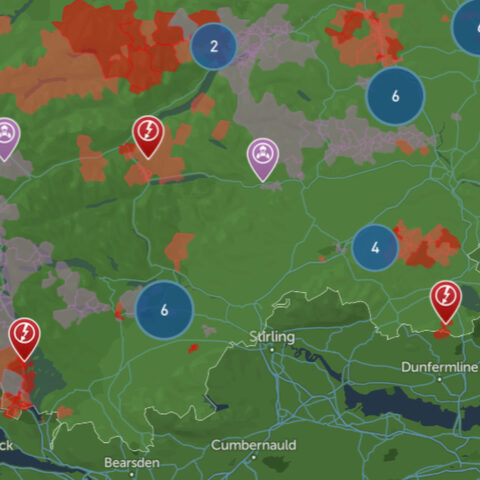

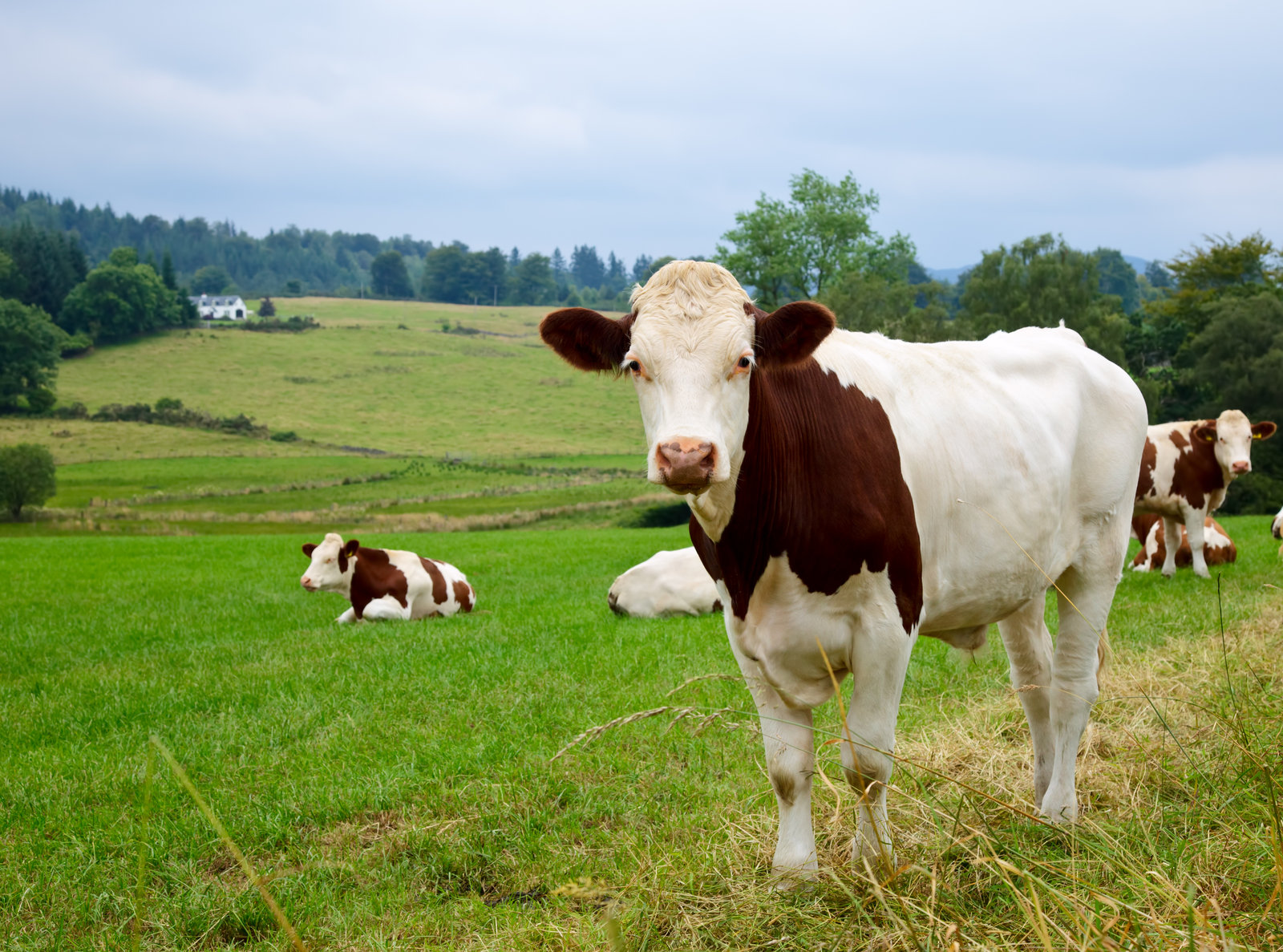
Scotland has not recorded bluetongue through current surveillance, but Great Britain is no longer classed as free from the disease. New movement controls now affect farmers bringing cattle, sheep, goats, deer, llamas and alpacas into Scotland from restricted zones, with wider consequences for livestock trading, breeding and farm planning.
Scottish farmers are facing renewed livestock movement controls after updated Scottish Government guidance confirmed that Great Britain is no longer bluetongue free.
Surveillance indicates that bluetongue has not reached Scotland, but the disease has been detected elsewhere in Great Britain. From 1 June 2026 until 9 September 2026, movement restrictions apply to animals being moved from another part of the UK into Scotland if they are susceptible to bluetongue.
The rules affect ruminants, including cattle, sheep, goats and deer, as well as camelids such as llamas and alpacas. Dates may be subject to change.
Bluetongue is a viral disease spread by midges. It affects livestock and other susceptible animals, but does not affect people or food safety. The disease can cause fever, swelling, mouth lesions, lameness, reduced milk yield, fertility problems and, in severe cases, death. Its arrival or suspected arrival can trigger movement restrictions that reach well beyond the infected holding.
The latest Scottish guidance says current surveillance indicates that bluetongue has not reached Scotland. The problem for farmers is that disease control does not begin only when a Scottish case is found. It also begins with the movement of animals from areas where risk is present.
From 1 June, keepers wishing to move susceptible animals from restricted zones into Scotland must follow the Scottish movement control rules. The Scottish Government guidance points farmers to licensing arrangements and says the rules apply to moves into Scotland from other parts of the UK. The guidance also states that live ruminants cannot currently be traded from Great Britain to the EU or moved to Northern Ireland.
That has immediate practical consequences for livestock businesses. Scottish farmers buy and sell animals across borders for breeding, finishing, showing, slaughter and herd or flock management. Any added licensing, testing, vaccination or movement condition can affect timings, markets, transport, breeding choices and confidence.
For pedigree breeders, delays or restrictions can interrupt planned sales and bloodline decisions. For commercial livestock producers, movement uncertainty can affect when animals are bought, sold or moved to grass, housing or finishing systems. For markets, hauliers and rural businesses, disease controls can reduce throughput or complicate trade. For smaller farms, the administrative burden can be felt quickly, because there are fewer people to absorb it.
The disease has also become a wider British and Irish livestock issue. UK Government updates say there have been hundreds of bluetongue cases in Great Britain during the 2025 to 2026 bluetongue season, with cases recorded in England and Wales but none in Scotland. The English restricted zone has been a major part of the movement control picture, and farmers have been repeatedly advised to remain alert for clinical signs.
NFU Scotland has described vaccination as a key preventative measure for BTV 3, warning that the disease has caused serious impacts on the Continent, including mortality, reduced milk production and fertility problems. It said the most significant impacts in the UK had been on fertility, especially in cattle, including infertility, abortions and non viable or deformed calves.
That fertility risk is one reason bluetongue is not simply a short term movement issue. A disease that affects breeding can reach into next year’s production. It can alter calving, lambing, sales, replacement planning and the confidence of buyers looking for animals from outside Scotland.
The Scottish Government guidance also sets out vaccination rules. It says bluetongue vaccines can take up to six weeks to fully protect animals, and that animals may need two injections three weeks apart. That timing matters. A farmer cannot decide on a Monday to vaccinate and assume a protected movement by Friday. The disease calendar, midge season and market calendar are now entangled, which is exactly the kind of bureaucratic knot farming traditionally enjoys almost as much as wet hay.
The Scottish Government’s disease control strategy for 2026 strongly recommends vaccination for bluetongue susceptible animals, including sheep, cattle, goats, camelids and other ruminants. It also advises farmers to plan early, speak to vets and consider vaccine availability and timing before risk increases.
SOURCES
Scottish Government, “Bluetongue: how to spot and report the disease”, updated 2026
Scottish Government, “Current bluetongue movement restrictions for animals”, updated 2026
Scottish Government, “Bluetongue: how to control the disease”, vaccination guidance
UK Government, “Bluetongue: latest situation”, updated 2026
UK Government, “Bluetongue movement licences and designated slaughterhouses”
UK Government, “Bluetongue serotype 3 vaccination”
NFU Scotland, “Bluetongue controls for 2026”, 1 April 2026
National Sheep Association, “Bluetongue Disease Control Strategy for Scotland in 2026”
Ruminant Health & Welfare, “Latest bluetongue announcement”, 2026