
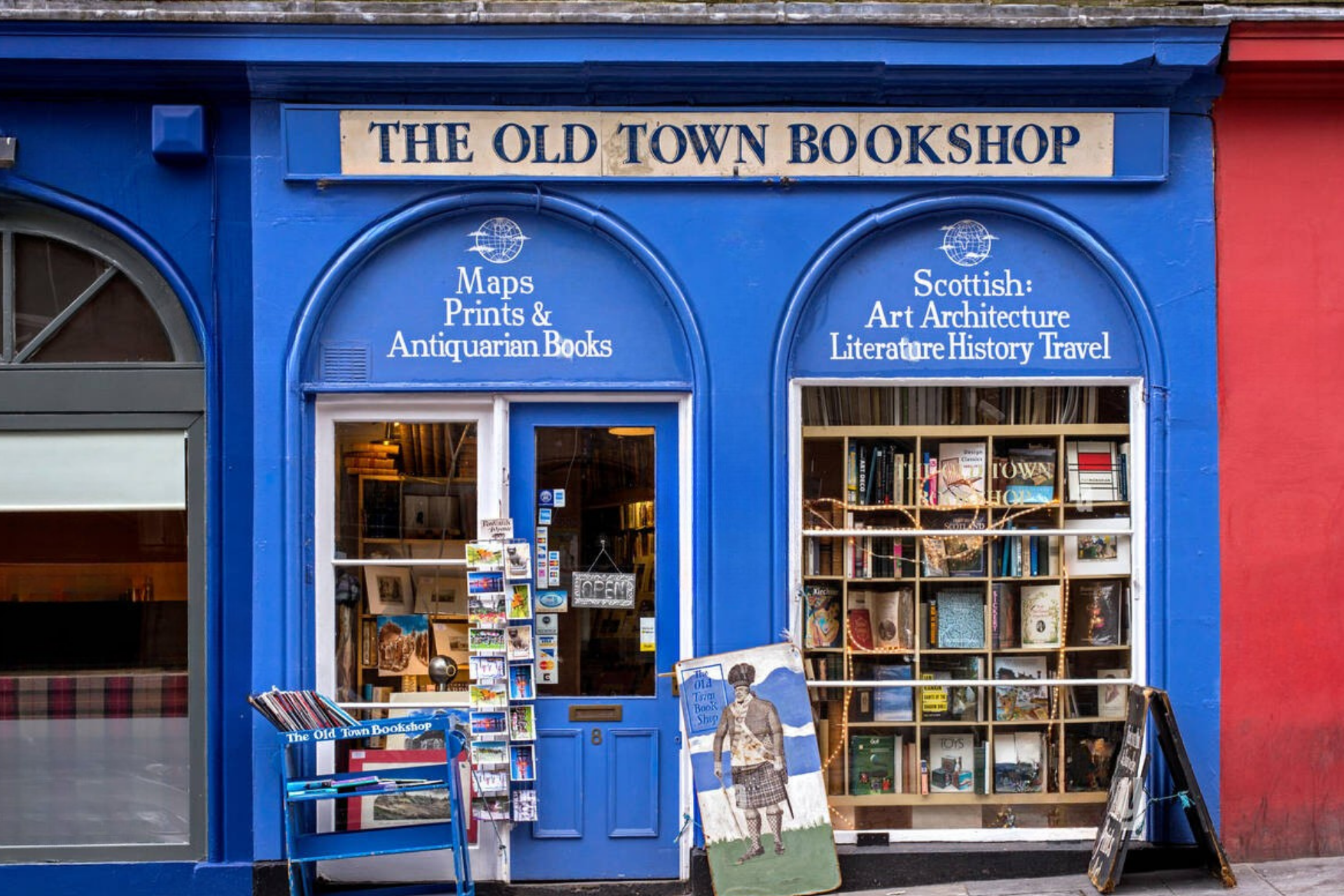
Scotland’s independent bookshops are doing something unusual in a difficult retail age. They are growing.
Figures submitted by the Booksellers Association to Westminster show that Scotland had 221 Booksellers Association member bookshops in June 2025, of which 106 were independent bookshops. In January 2017, Scotland had 193 member bookshops, of which 68 were independent. The 2017 figure was described as a low point after earlier decline.
It suggests that, while many high streets have struggled with online shopping, changing work patterns, rising costs and shifting footfall, some independent bookshops have found a different civic role.
In addition to selling books, they are becoming pieces of community infrastructure.
An independent bookshop is often part retailer, part cultural venue, part noticeboard, part school partner, part local history room and part informal meeting place. It is one of the few commercial spaces where browsing is still allowed to be slow, conversation is part of the service, and the stock is shaped by place as much as by national demand.
The Booksellers Association’s evidence on Scotland’s changing high streets made the point clearly. Successful town centres are increasingly operating as multi-purpose civic spaces rather than purely retail destinations. They combine retail with culture, services, leisure, education and social activity. Independent bookshops fit that model particularly well because they can act locally while still connecting readers to national and international publishing.
And that local role can be seen across Scotland.
In Wigtown, Scotland’s National Book Town, bookselling is part of the town’s identity. The Open Book project, run through Wigtown Book Festival, lets visitors stay in an apartment above a bookshop and run the shop during their visit. Its stated purpose is to celebrate books, independent bookshops and welcome people from around the world to Scotland’s National Book Town. That is tourism, culture, retail and community life working together.
Wigtown Book Festival itself shows how a book town can support a wider local economy. The annual festival offers more than 200 events for adults, children and young people, including literature, music, film, theatre, arts and crafts. In that setting, bookshops are not simply shops beside a festival. They are part of the reason the festival exists.
The same pattern appears in smaller forms elsewhere. The Bookseller named The Book Nook in Stewarton as Scotland’s winner in the Independent Bookshop of the Year 2025 regional and country awards. Its write-up described a shop with book clubs, storytimes and reading nights, around 1,600 people attending events in 2024, close ties with local people and schools, and charitable work. That is not passive retail. It is active local cultural provision.
The growth of Independent Bookshop Week also points to the same trend. The Booksellers Association said the 2025 campaign was on track for record participation, with 739 independent bookshops taking part across the UK and Ireland and events ranging from author visits and school activity to poetry evenings, walking tours, cookery book clubs and partnerships with local organisations. The language used by the trade body is revealing: bookshops are being presented as creative and social hubs.
Scotland already has a strong reading infrastructure through libraries, schools, festivals, publishers, writers, local history groups and national programmes such as Book Week Scotland. Scottish Book Trust describes Book Week Scotland as an annual celebration of books and reading, with people across the country coming together through events and activities. Independent bookshops sit alongside that public and charitable infrastructure. They are privately run businesses, but their public value often exceeds the transaction at the till.
The economics should not be romanticised. Bookshops face rent, energy costs, staffing pressures, online competition, stock costs and the ordinary risks of small retail. A bookshop can be loved and still fragile. Community value does not pay every invoice.
But the rise in Scotland’s independent bookshop numbers suggests something important. Not every answer to high-street decline is a large chain, a national strategy or a regeneration slogan. Sometimes a town needs a business small enough to know its readers, flexible enough to host a school visit or author evening, and confident enough to make local taste visible.
SOURCES
Booksellers Association, written evidence to Westminster on Scotland’s changing high streets and bookshop numbers
https://committees.parliament.uk/writtenevidence/160774/html/
Booksellers Association, Independent Bookshop Week 2025
https://www.booksellers.org.uk/industryinfo/industryinfo/latestnews/Independent-Bookshop-Week-2025-On-Track-To-Break-R
Scottish Book Trust, Book Week Scotland
https://www.scottishbooktrust.com/book-week-scotland
Scottish Book Trust, About Book Week Scotland
https://www.scottishbooktrust.com/book-week-scotland/about-book-week-scotland
Wigtown Book Festival, The Open Book
https://www.wigtownbookfestival.com/our-projects/the-open-book
Wigtown Booktown, Wigtown Book Festival
https://www.wigtown-booktown.co.uk/
The Bookseller, Independent Bookshop of the Year 2025
https://www.thebookseller.com/british-book-awards-content/independent-bookshop-of-the-year-2025
Scotland.org, five must-see Scottish bookshops
https://www.scotland.org/inspiration/five-must-see-scottish-bookshops