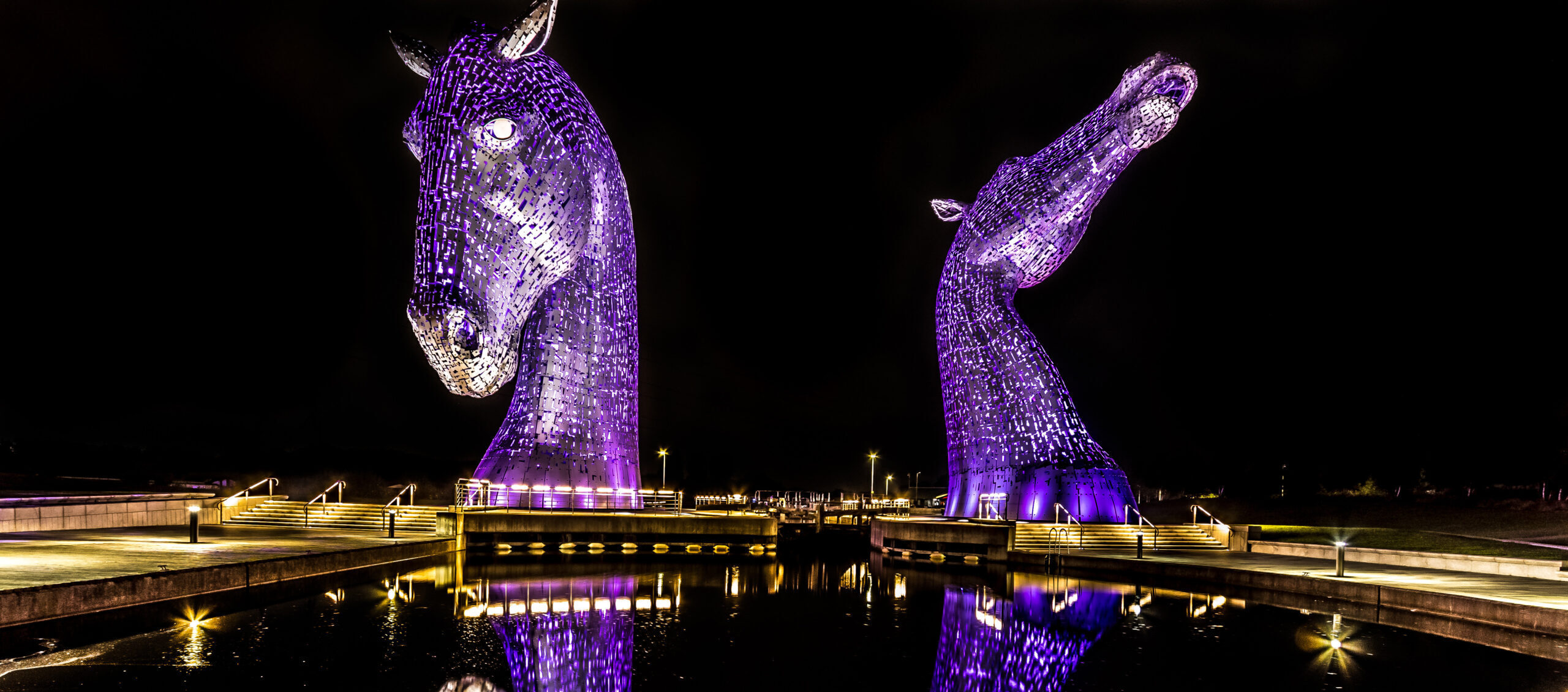

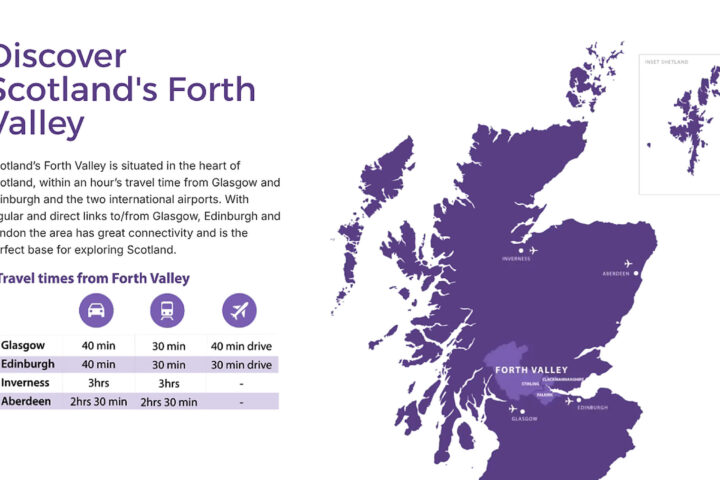
Falkirk, Stirling and Clackmannanshire councils have taken a joint Forth Valley tourism offer to international travel buyers, with more than 50 meetings held at VisitScotland Connect in Glasgow. The partnership is trying to turn a region often passed through between Edinburgh, Glasgow and the
Falkirk Council has signed off its third Gaelic Language Plan, setting out measures to support the language and culture locally over the next five years. The plan, which runs from 2025 to 2030, will now go to Bòrd na Gàidhlig for review. Developed under
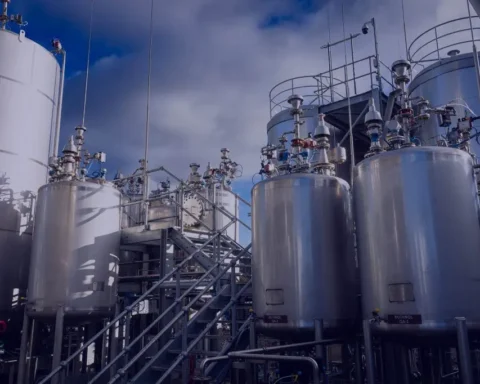
Celtic Renewables has joined a UK consortium backed by more than £7 million to develop bio
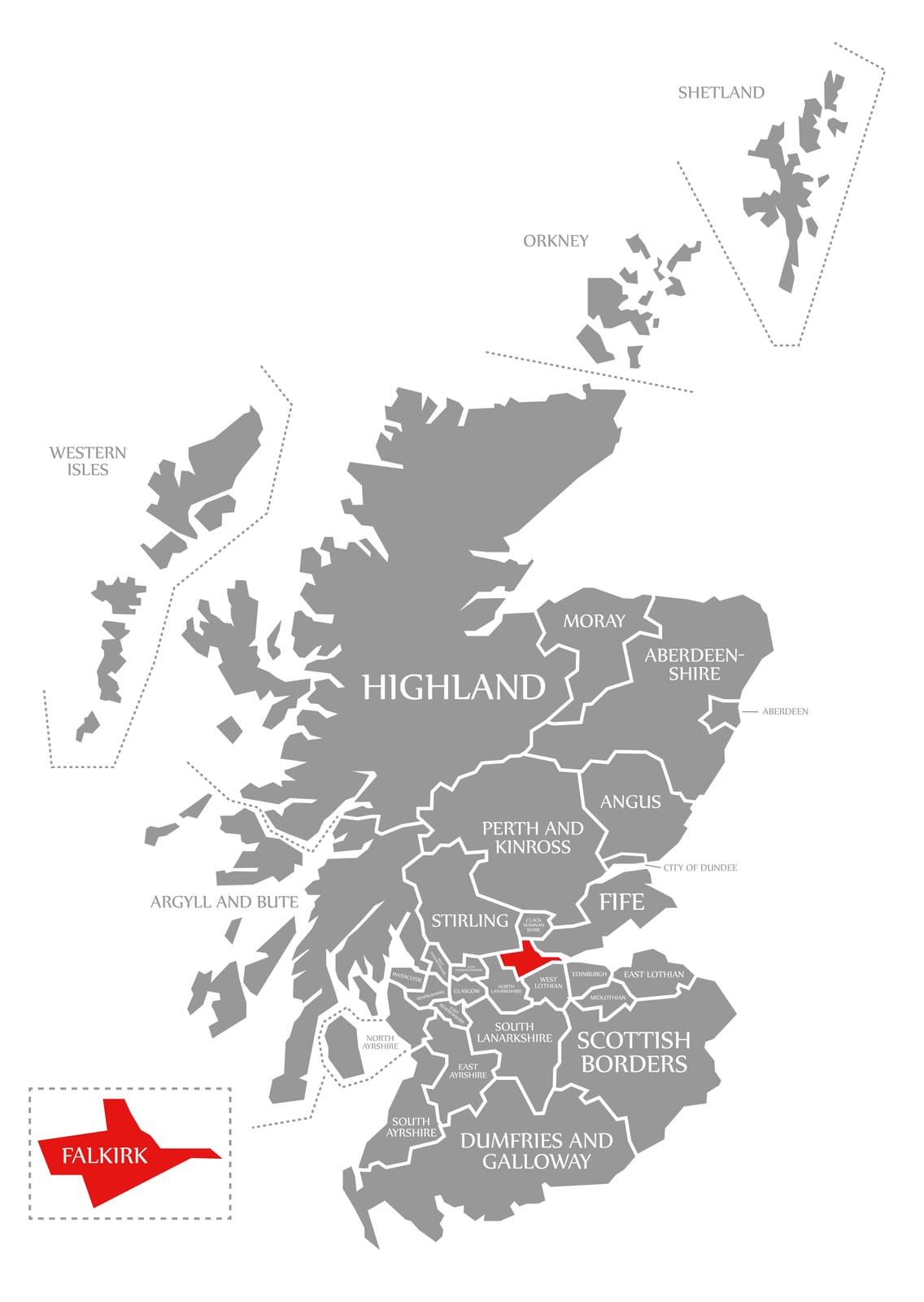
Select the map to enlarge it.
Falkirk
Falkirk sits at one of Scotland’s great crossing points. It lies between Edinburgh and Glasgow, close to the Forth, and has long been shaped by movement, industry and strategic geography. The modern council area is compact but heavily layered, combining towns, villages, canals, former industrial land and nationally significant infrastructure.
Falkirk is the administrative centre, with Grangemouth, Bo’ness, Denny, Larbert and Stenhousemuir forming major parts of the wider settlement pattern. The area’s position gave it early military importance. The Battle of Falkirk in 1298, during the Wars of Independence, saw Edward I defeat the forces of William Wallace. A second Battle of Falkirk took place in 1746 during the Jacobite rising.
Industrial development reshaped the area in the eighteenth and nineteenth centuries. The Carron Company, founded in 1759, became one of the most important ironworks in Britain and produced the carronade, a short naval cannon widely used in the late eighteenth century. This was not a minor local industry. It formed part of Britain’s military and industrial expansion.
The Forth and Clyde Canal and Union Canal both shaped movement through the area. The Falkirk Wheel, opened in 2002, restored a navigable connection between them and became a rare example of modern infrastructure turning into a public landmark. Grangemouth, meanwhile, developed as one of Scotland’s major petrochemical and port centres.
Falkirk’s identity is therefore not picturesque, though it contains heritage. It is a place of junctions: military, industrial, transport and energy. Its importance lies in the fact that Scotland has repeatedly passed through it.
Advertise in Falkirk
Limited advertising spaces for Scottish businesses, Scottish products and Scottish services. Each advert is reviewed before publication.