
There comes a moment in adult life when you realise you are no longer living in a country so much as in a set of forms.
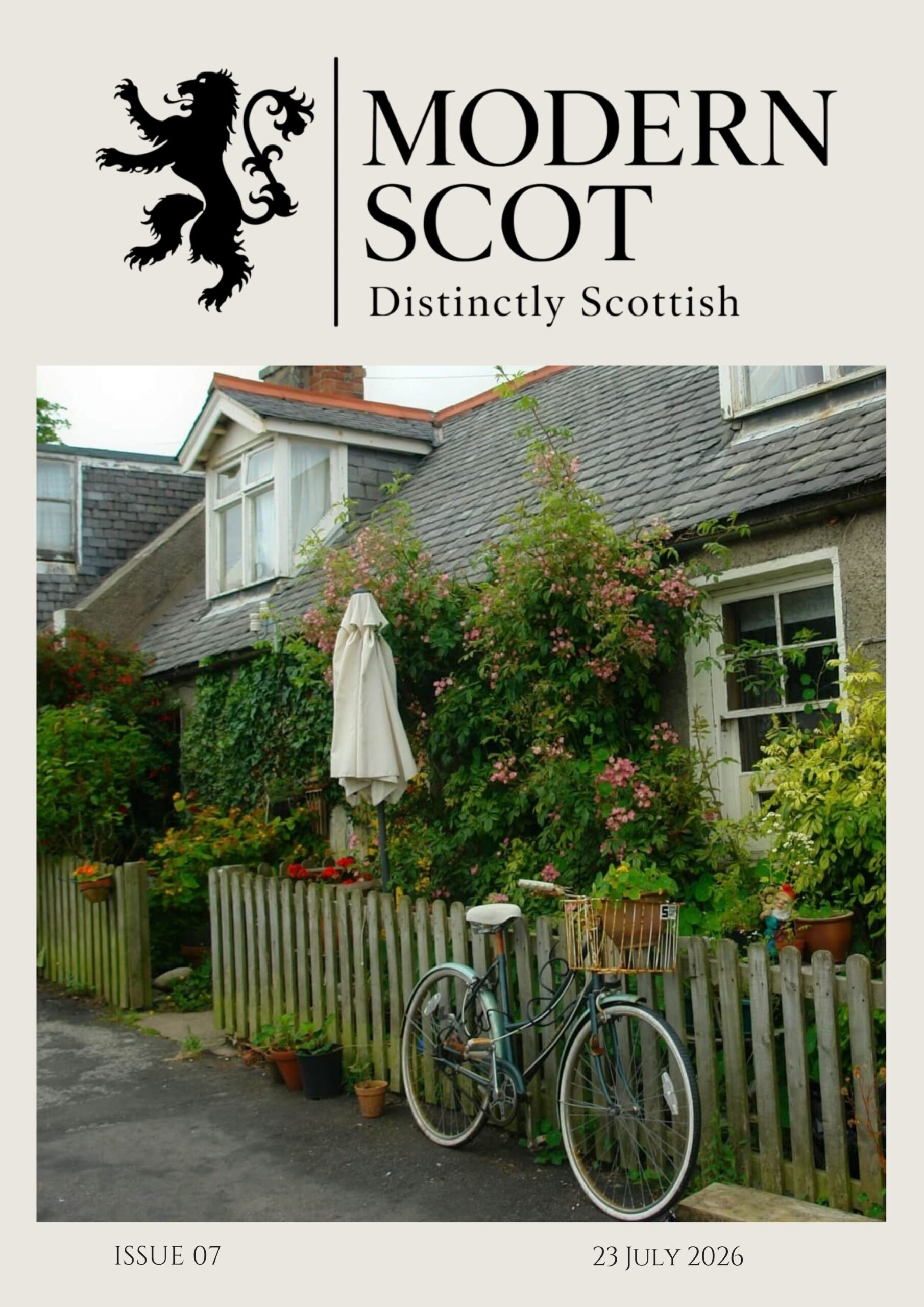
It usually begins innocently enough. You need a bike. Your friend needs a logo. You, being practical people of modest means, agree to swap. No money changes hands. No bank is troubled. No card is tapped. There is, briefly, the faint suggestion that civilisation might still be working.
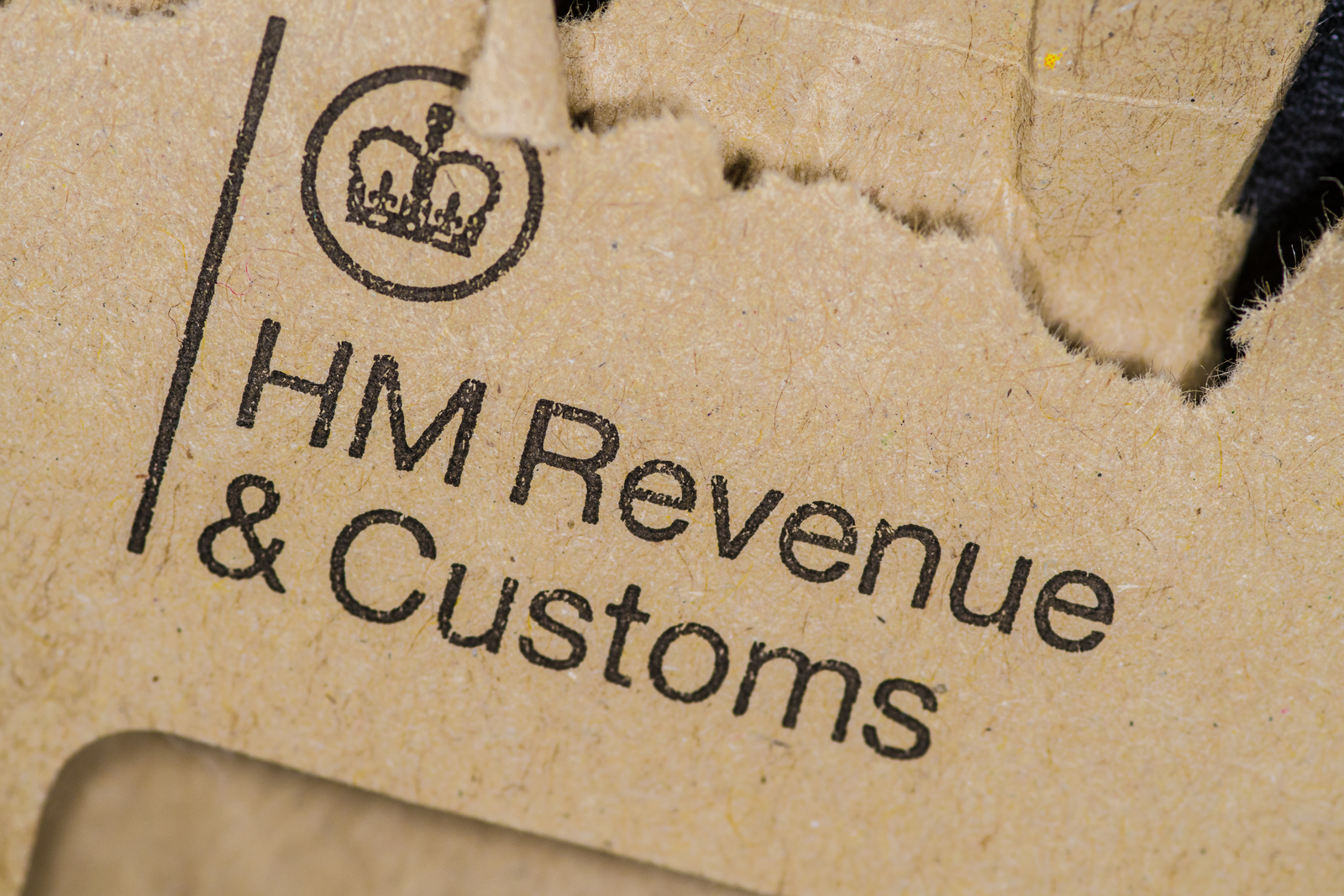
And then, somewhere in the distance, a man in a cardigan from HM Revenue & Customs senses money has been created out of thin air.
Because, as it turns out, you have not exchanged a logo for a bicycle. You have earned imaginary income. Not “we’ll call it even” income, but actual taxable income, except that instead of being paid in pounds, you have been paid in spokes.
The rule is perfectly clear. If you receive something of value in return for goods or services, that value is treated as income. It does not matter that the value is currently leaning against your shed. It has a price. Everything has a price. Even things you didn’t buy.
This is where the mathematics becomes thrilling.
You and your friend must now decide what the bicycle would have cost if you had not, in a moment of alarming independence, avoided money altogether. You say it is worth one hundred pounds. Your friend, who has just parted with it, agrees.
At this point, the tax authority may take an interest. If your agreed figure appears optimistic, it may be revised. If it appears pessimistic, it may also be revised. The important thing is that it will be revised in a direction that involves you paying more tax, which is how one recognises the healthy British tax system.
You now owe tax on money you have not received.
This leads to one of the more elegant features of modern life, which is paying a bill with funds that do not exist. It is rather like being asked to settle your restaurant bill with the memory of a meal. One is expected to find a way.
In practice, this means that if you spend a year trading useful things for other useful things, you may end up with a collection of possessions and a tax bill that can only be settled by selling them. You begin by avoiding money and end by needing it urgently. It is a perfect circle, much admired in administrative circles.
There are, of course, exceptions. If you help a friend move house in exchange for a pizza, no one arrives to count the pepperoni. This is because it is considered a favour. The moment you do the same thing professionally for a pizza, however, it becomes income. The pizza has crossed a line. It is now a financial instrument.
There is also a trading allowance, currently one thousand pounds a year, which offers a brief and hopeful window in which small amounts of this activity may pass unnoticed. It is less a solution than a polite suggestion that one should not get carried away.
None of this is secret. It is all written down. It is entirely lawful. It is also, when encountered in the wild, faintly astonishing.
Because what it reveals is a system that assumes money is always present, even when it is not. You may trade, you may swap, you may construct an entire parallel economy out of goodwill and ingenuity, but at the end of it, someone will still ask you, quite reasonably, for their share in cash.
There is something deeply Scottish about this. We do not object loudly. We do not storm the gates. We simply stand in the kitchen, holding a bicycle we acquired without spending any money, and wonder how, precisely, we are expected to pay tax on it.
And then, because we are who we are, we put the kettle on, sit down, and try to work out whether the bicycle might fetch enough to cover the bill.
It is at about this point that the thought occurs, quietly and without invitation, that perhaps the bicycle is not the issue.
What, one wonders, happens if nobody has any money at all.
Not in a philosophical sense. In the practical sense. The sort of situation in which people begin swapping things because they must. In a global financial crisis, one imagines a village full of professionals exchanging services with quiet efficiency. The builder fixes a roof. The electrician rewires a kitchen. A redundant accountant designs a website. The website looks terrible, but everyone agrees not to mention it because no money has changed hands and morale is important.
It is, on the surface, a remarkably efficient system.
Until the paperwork arrives.
Because the difficulty is not in the exchange. The difficulty is in the translation. The system remains committed to the idea that value must be expressed in pounds, even when pounds are being treated as something one remembers rather than uses.
So everyone arrives at figures that feel reasonable, which is to say they feel faintly optimistic about the value of their own contribution and modestly sceptical about the other’s.
At some later stage, these figures are expected to meet a system that prefers precision. This is not imaginary, it is the law.
The question of payment then becomes rather delicate.
One cannot, as a rule, pay a tax bill with a roof. This has been considered, one assumes, and quietly set aside. The system continues to require money, even when money has taken on a slightly nostalgic quality.
This leads to a curious loop in which people exchange goods to avoid money, calculate tax as though money had been involved, and then attempt to obtain money in order to pay tax on the absence of it. It is an arrangement that would be considered quite inventive if it were not entirely real.
And so one arrives at a slightly uncomfortable conclusion.
Even in a world where people have reverted, sensibly and efficiently, to exchanging what they have for what they need, there remains a quiet, persistent expectation that somewhere, somehow, money will be produced to pay taxes after a financial collapse.
Which leaves the rest of us standing there, wondering not whether the system makes sense, but whether we can find a buyer.