
There was once a time when Scots knew exactly what a dandelion was for. Not symbolically, or poetically. Scots once understood the dandelion in the practical sense that older generations understood many things: if it appeared in spring, it had value. That knowledge has almost entirely disappeared beneath the modern world. People now spend time and money attempting to destroy one of the most useful plants naturally growing in Scotland. Peace-loving Scots wage war against a flower that was previously gathered and carried into the kitchen.
And yet the dandelion remains; it possesses a kind of quiet Highland stubbornness. It pushes through gravel and cracks in pavements. It thrives in neglected corners of crofts and gardens, near old stone walls and along roadsides.
Long before Scotland became dependent upon imported foods wrapped in plastic, spring greens mattered enormously. After long winters, fresh edible plants appeared slowly and were gathered wherever they could be found. Dandelions emerged early, before many cultivated crops were properly established, providing leaves, roots and flowers that could all be used in different ways.
Its folklore was rarely grand, and the plant occupied no dramatic place in Highland mythology. But there were traditions, the best known as the “dandelion clock” where one would blow the white seed heads into the wind while counting breaths. The number of breaths required to clear the seeds supposedly revealed the truth to questions that could be answered with a number. How many years remained before marriage? How many children would one have? How many days or months before a hoped for event would come true? The ritual survived for generations because it required nothing except a flower and someone, often a young Scottish woman, willing to stand in the wind with a heart full of hope.
The plant also carried quieter forms of folk knowledge. Rural communities sometimes watched dandelions as weather signs, believing tightly closed flowers suggested approaching rain or damp air. Its medicinal properties were equally well known, particularly its strong diuretic effect.
According to the Scots Language Centre, dandelions were commonly known in Scots as “pee-the-bed,” “pish-the-bed,” “wet-the-bed” and “wee-the-beds,” reflecting the long recognised belief that eating too many dandelion leaves would have unfortunate consequences later in the evening. The warning was delivered half jokingly, though modern herbal science now recognises the plant’s genuinely diuretic properties. Scots, it seems, had already worked this out perfectly well for themselves.
This was particularly true in poorer rural communities where little was wasted and knowledge of wild plants remained part of practical survival.
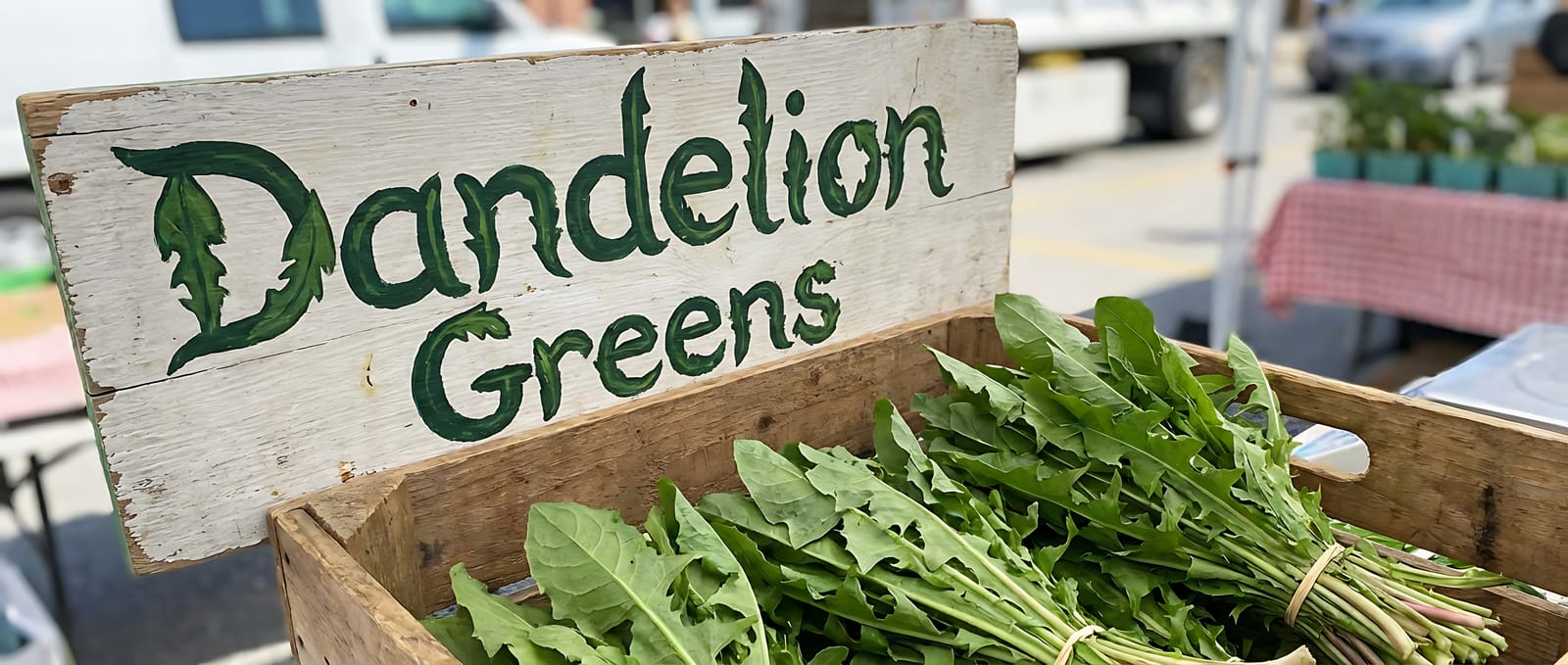
Here are three traditional ways Scots used dandelions. But first, read this health note:
HEALTH NOTE: Dandelions contain biologically active compounds and may interact with certain medications or medical conditions, including diuretics, blood pressure medications, diabetes treatments, blood thinners and allergies related to ragweed and related plants. People who are pregnant, nursing, managing health conditions or taking prescription medication should consult a qualified medical professional before consuming dandelions or dandelion based preparations regularly. Wild plants should only be gathered from clean ground free from pesticides, roadside pollution and contamination.
Dandelions Cooked in a Stove Top Pan
The recipe belongs to the kind of cooking once found quietly throughout Scotland. In the modern world, they might be called Dandelion Burgers, Dandelion Fritters or just Dandelion Cakes.
Ingredients:
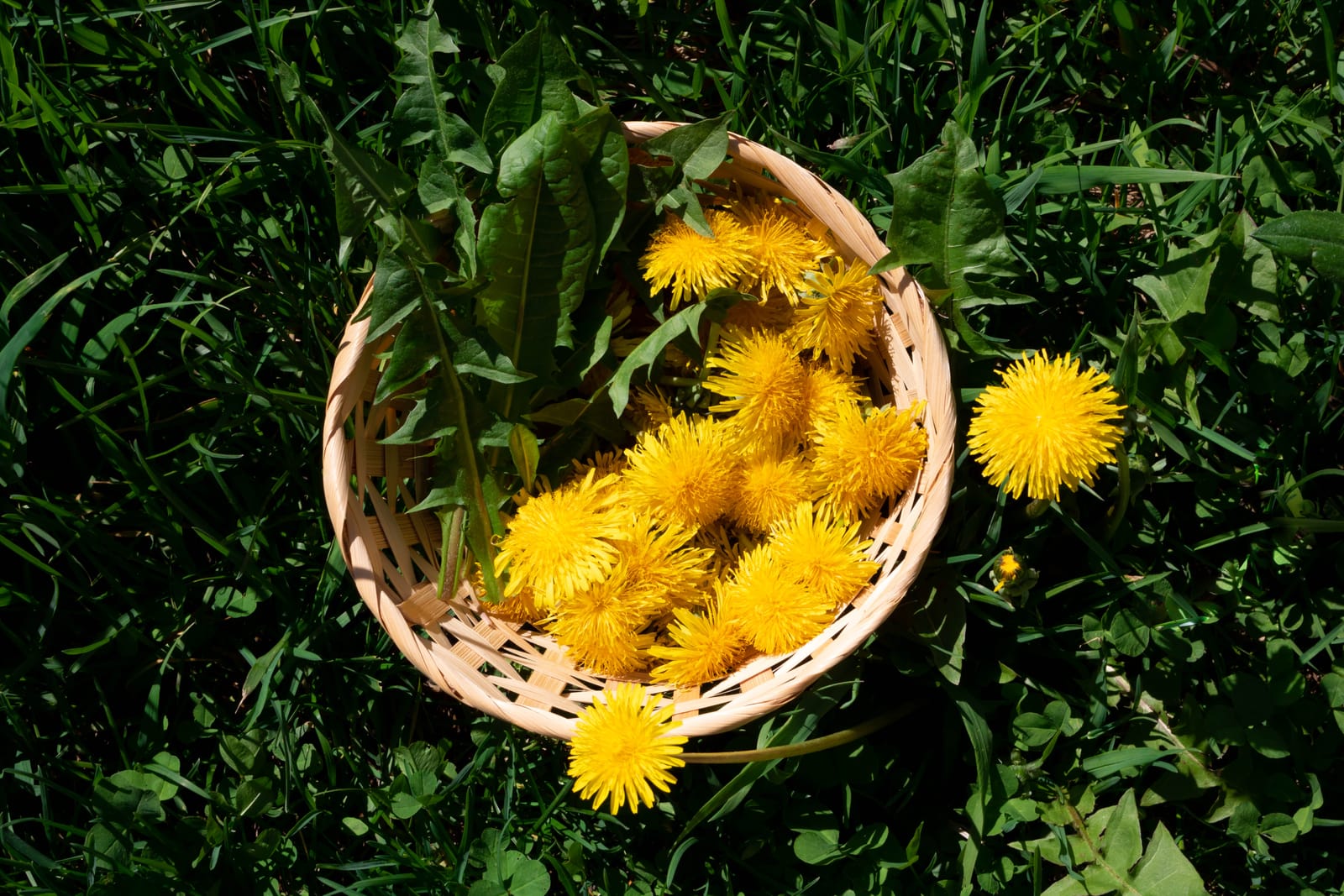
2 dozen fresh dandelion heads (flowers)
1 egg
3/4 cup to 1 cup of plain flour
Salt to taste
Black pepper to taste
Olive oil or butter
Preparing the Flowers
The flowers should be picked only from clean ground well away from roads, pesticides or heavily walked areas. Fill a basin or bowl with cold water and place the flowers gently inside. Swirl them carefully with your hands to remove dust, insects and grit. Take your time. Then lift them out rather than pouring the water away over them. You can also very gently rinse them under running water at the sink.
Lay the flowers on a cloth and allow them to dry naturally for twenty to thirty minutes.
Then snip off (with scissors) the yellow flowers, allowing them to fall into a clean bowl. Some people also cut up the green base beneath, though it gives a stronger flavour.
Making the Batter
To the bowl of flowers, add the egg
Add roughly three quarters of a cup of plain flour
Season with salt and black pepper (later, you can get creative and add your own seasoning)
If needed, add enough cold water to create a batter because the mixture should resemble heavy pancake batter.
- Once you learn how to make these, you will naturally adjust the quantity of the ingredients to suit your taste. But the point is to keep it as simple as possible. Don’t turn it into a recipe loaded with modern ingredients.
Cooking
Heat oil or butter (or any fat you have) in a frying pan over medium heat and spoon small portions into the pan. You can make them any size you want. Some prefer burger sized, others like smaller fritter sized. Flatten slightly and cook for roughly two to three minutes per side until crisp and golden. The flavour sits somewhere between savoury greens and wildflower honey. Enjoy.
The flowers contain:
- Vitamin A
- Vitamin C
- Small amounts of calcium and potassium
They are also rich in colourful antioxidant compounds including:
- Carotenoids
- Lutein
- Xanthophylls
- Flavonoids
- Polyphenols
These compounds contribute to the flower’s bright yellow colouration and antioxidant activity.
Roasted Dandelion Root Coffee
Roasted dandelion root was once used for coffee across Scotland. Its taste is not a step down from roasted coffee beans, it rivals it.
Preparing the Roots
The roots are best gathered in autumn or early spring while still thick and firm.
Wash them thoroughly, scrubbing away all soil. Chop into small pieces and roast slowly in the oven until dark brown and fully dry. You can also roast them in a pan if you have the patience to keep stirring them every few minutes. People have also roasted them in cast iron over an open fire.
Once cooled, the roasted roots can be ground and brewed much like coffee itself.
The drink is surprisingly delicious.
The roots are nutritionally distinct from the leaves and are especially valued for their fibre content.
They contain:
- Potassium
- Calcium
- Iron
- Manganese
- Small amounts of zinc and magnesium
Most importantly, dandelion roots are rich in:
- Inulin
Inulin is a prebiotic soluble fibre associated with gut microbiome health and digestive support.
Other plant compounds found in the roots include:
- Taraxinic acid
- Taraxasterol
- Phenolic acids
- Flavonoids
- Triterpenes
- Sesquiterpene lactones
When roasted, the roots develop deep earthy flavours similar to coffee while remaining naturally caffeine free.
Traditional Dandelion Leaf Tea
This is a lighter and more medicinal style of tea.
You will need:
- a handful of young dandelion leaves
- flower heads (optional)
- boiling water
- a teapot with a strainer built in
Wash the leaves and flowers thoroughly in cold water to remove dirt and insects. Take your time.
Roughly chop them and place into the teapot.
Pour in boiling water and allow them to steep for around 10 to 15 minutes.
The flavour is grassy, slightly bitter, and a bit earthy. Some people add honey, mint or lemon, however, many Scots would simply have drunk it plain.
The leaves are the most nutrient dense part of the plant and were traditionally gathered young in spring before bitterness intensified.
Young dandelion leaves are particularly rich in:
- Vitamin A
- Vitamin C
- Vitamin K
- Folate
- Calcium
- Potassium
- Iron
- Magnesium
They also contain several significant plant compounds including:
- Taraxasterol
- Luteolin
- Chicoric acid
- Chlorogenic acid
- Sesquiterpene lactones
- Beta carotene
- Polyphenols
- Flavonoids
These compounds are associated in modern nutritional and herbal research with:
- antioxidant activity
- digestive stimulation
- liver support
- anti inflammatory effects
- and metabolic regulation
The bitterness of dandelion leaves comes largely from sesquiterpene lactones, compounds historically associated with stimulating appetite and digestion.
The bitterness itself historically mattered. Bitter spring greens were traditionally believed to stimulate digestion after long winters dominated by preserved foods, oats and stored root vegetables.
Historically, dishes like these emerged from a Scotland where food knowledge travelled quietly through households rather than cookbooks. That knowledge is disappearing now. Children can identify corporate logos more easily than edible plants. Entire generations have grown up regarding the dandelion as an inconvenience rather than one of Scotland’s oldest free food sources.
Which is unfortunate.
Because for all of Scotland’s discussions about sustainability, local food and reconnecting with the land, the dandelion continues sitting patiently in plain sight waiting to be remembered.
SOURCE NOTE: Nutritional and botanical information in this article is based upon published research and reference material concerning Taraxacum officinale (common dandelion), including data from the U.S. Department of Agriculture FoodData Central, the National Institutes of Health, peer reviewed botanical and phytochemical studies, the Royal Horticultural Society, and traditional herbal reference texts relating to edible and medicinal plants in Britain and Europe. Historical and Scots language references relating to folk names and Scottish usage were reviewed through the Scots Language Centre alongside wider historical plant lore sources.