
I have nothing against progress, provided it knocks before entering and does not hover over the washing.
Just today I read that Amazon has begun making drone deliveries in Darlington, which is the sort of news that makes an old woman in the Highlands put down her tea before she laughs hard enough to wear it.
The drones, apparently, can deliver small parcels within 7.5 miles of a fulfilment centre, during daylight, in favourable weather, to homes with a suitable garden, terrace or yard.
I considered this carefully.
In the Highlands and Islands, “favourable weather” is what happens between two warnings. Sometimes it lasts long enough to bring in the bins. Sometimes it is merely rumoured to have last occurred on a Tuesday in 2019.
The parcels must weigh less than five pounds, which rules out most useful things in rural life: coal, pet food, compost, anything from the ironmonger, and the emotional weight of trying to explain to a chatbot that the nearest depot is not “just around the corner” unless one is travelling by helicopter. Batteries are excluded as well, which is a pity, because batteries are often the very thing that has failed.
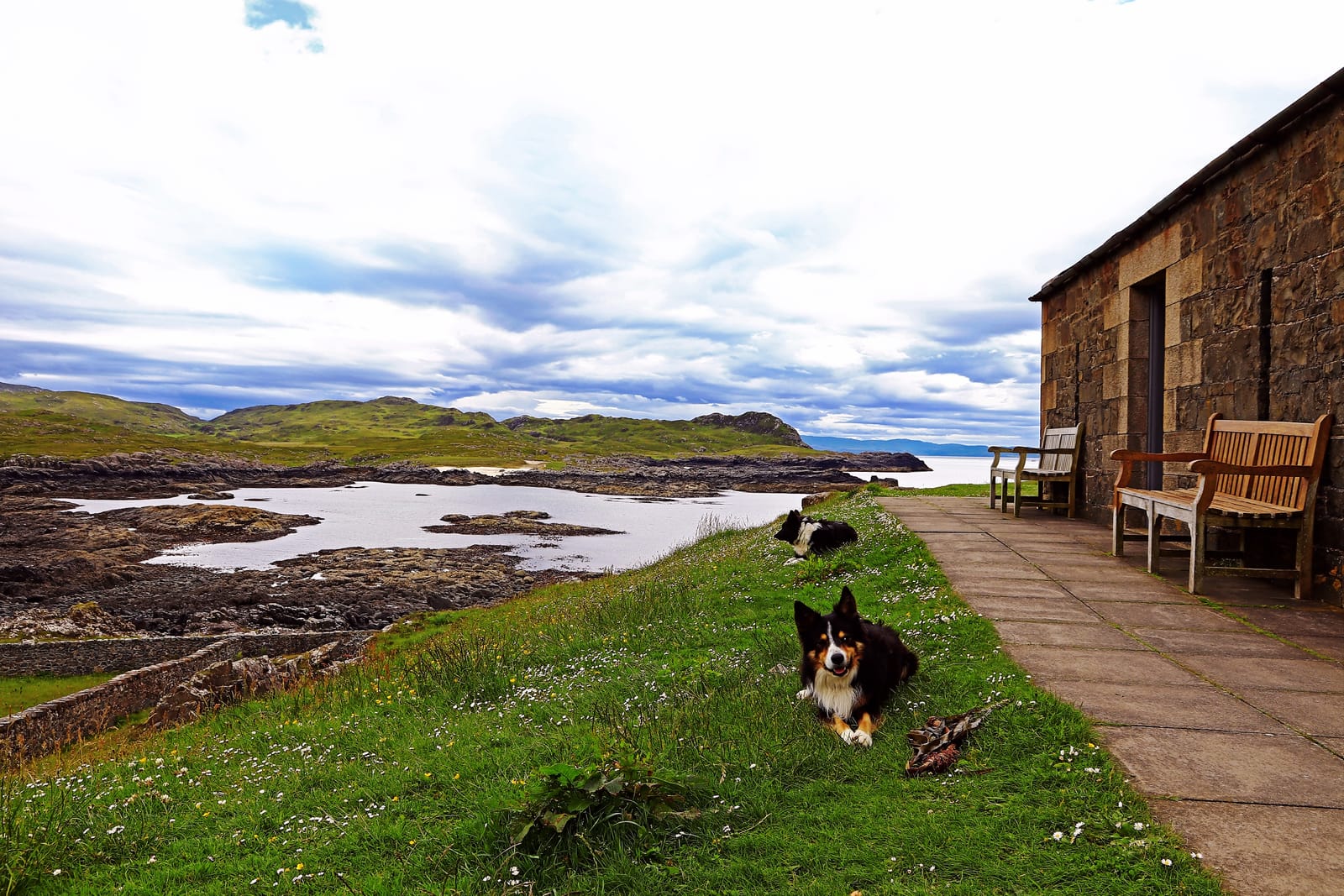
The drone then drops the parcel from around twelve feet. This may be perfectly sensible in Darlington. In the Highlands it raises questions. Will it land in the garden, the burn, the neighbour’s croft, or on a sheep that was not consulted during the planning process? Will the drone recognise a washing line? Will it recognise a collie? Specifically, a Highland collie that has already recognised it, judged it, and decided it needs herded?
The experts say the public worries about noise, privacy and safety. I could have saved them the survey money. The public worries about everything, and often with good reason. People do not wish to sit in their own gardens while a small mechanical wasp arrives from a warehouse and lowers an electric toothbrush into the rhubarb.
Privacy is another matter. A drone may not be spying, but it will have the social effect of spying, which in some villages is already a fully occupied profession. There is no need to mechanise it.
Noise will be the real test. In the city, people say they cannot hear themselves think. In the Highlands, people can hear a delivery van approaching from three miles away and identify the driver’s mood by the gear change. A drone will not be treated as background sound. It will be treated as an event. Curtains will twitch. Someone will say it is disturbing the deer, even if no deer has been seen there since decimalisation.
Then there is the matter of a suitable drop off space. A terrace? A yard? A garden? Many Highland homes have all three, but none in the way a London consultant imagines. There may be a gate that opens only if kicked, then lifted, a path that is sometimes a stream, a wheelie bin conducting independent travel, and a hen that regards all airborne objects as theological threats.
The phrase “beyond visual line of sight” has a different meaning here. In the Highlands, that can mean anything beyond the teacup in front of your face.
The planners, we are told, must get this right. I agree. They should begin by standing in a layby outside Wick in June with a clipboard, an anorak and a parcel marked fragile. If the drone can find them, avoid the gulls, ignore the midges, survive the crosswind and land the package somewhere other than a peat bog, then the discussion may proceed to committee.
There may be good uses for drones in rural Scotland. Medical deliveries, urgent supplies, island logistics, search and rescue support. These are serious possibilities. I am not against a machine that can bring insulin to an island in bad conditions or carry equipment where roads are poor. That is not the same thing as asking the glen to tolerate flying gadgets so someone can receive a phone charger before they have finished being annoyed that the old one broke. A drone delivering medicine to a nurse on Barra is one thing. A drone delivering novelty socks to a man who could have waited until Thursday is quite another.
The danger is that companies will use the romance of remoteness to sell a system designed for suburban impatience. They will speak of rural benefit, then test the service where there are gardens, roads, depots and customers who can be neatly mapped.
I am prepared to be persuaded. I am not unreasonable. I merely ask that before anyone fills Scottish skies with delivery drones, they answer a few practical questions.
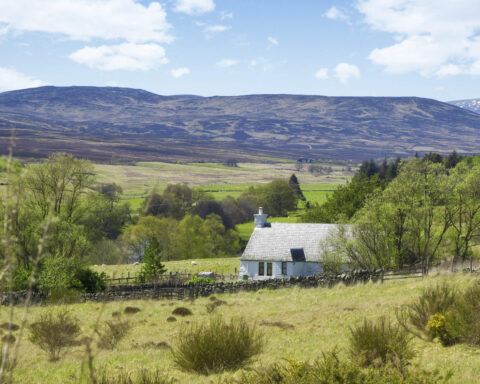
Who owns the air above the washing? Who deals with the noise? Who compensates the crofter if the drone startles animals? Who retrieves the parcel from the burn? Who explains to the eagle that this is not lunch? Who decides which communities get useful services and which get airborne clutter? And who, in the name of all that is still decent, will stop the machine delivering a parcel to the wrong white cottage?
Progress always arrives promising to save time. Then it needs an app, a password, a verification code, a calm day, a clear garden, and someone under forty to explain why it still has not worked.
I wish Amazon well. I really do. But if they are planning faster deliveries in the Highlands, they may want to fire the parcels from a cannon.