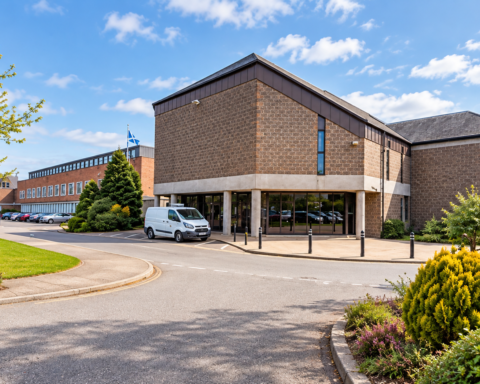

Glasgow’s new City Development Plan would open up land for more than 30,000 homes while creating new areas for business growth, innovation and regeneration. The draft plan will now move toward approval and public consultation.
Glasgow has set out a new long term development plan intended to guide where homes, jobs, transport improvements and regeneration should be directed across the city over the next decade and beyond.
City Development Plan 2 has been approved by Glasgow City Council’s Economy, Housing, Transport and Regeneration Committee. It will now go before the City Administration Committee before being opened to public consultation.
The plan places Glasgow’s housing pressure, economic ambitions and future land use into one planning framework. It identifies where development should happen, where it should be restricted, and how the city intends to use land and infrastructure to support population growth, new employment, public transport, active travel and neighbourhood access to services.
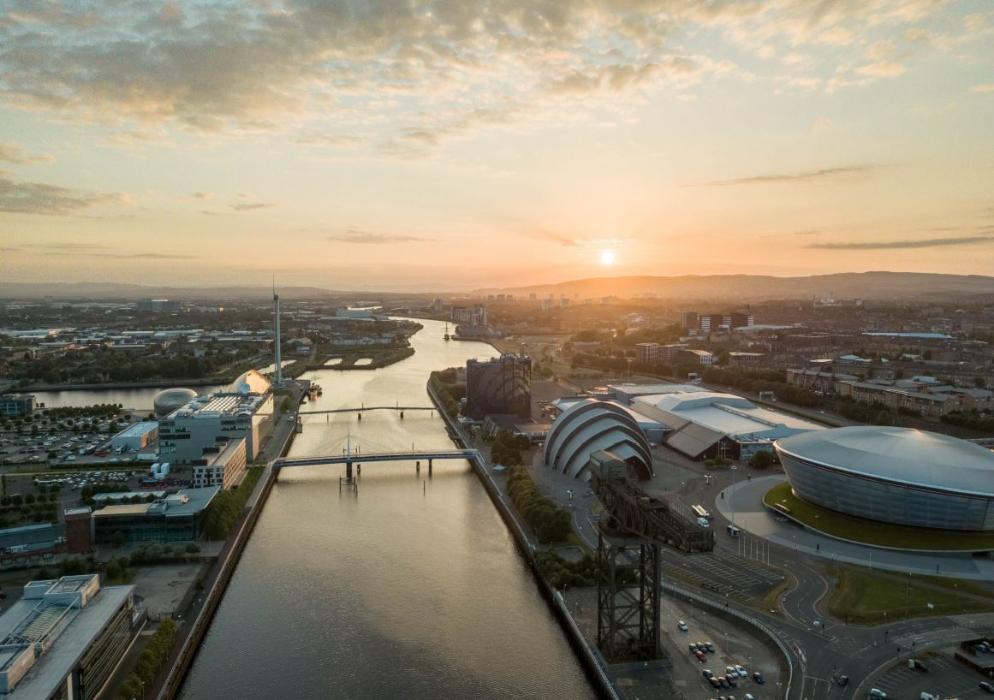
The draft includes 36 Areas of Change across Glasgow. These are intended to make land available for more than 30,000 homes, with a strong focus on the River Clyde corridor, north and north east Glasgow, and the reuse of brownfield land. The plan also includes proposals for a River Park along the Clyde.
For a city with long running housing demand, the scale of the housing proposal is the clearest headline feature. The plan does not itself build 30,000 homes. It sets out the land use framework that would allow future housing development to be considered, coordinated and assessed through planning decisions. That distinction will be worth watching during consultation, because a city plan can identify capacity without removing the practical barriers of funding, delivery, infrastructure, construction costs and community consent.
The plan also proposes Economic Development Areas as designated places for business growth and innovation. The sectors identified include digital and technology, finance and business services, advanced manufacturing, innovation, space and satellite activity, life sciences, the creative economy, live music venues and tourism. Glasgow’s universities and colleges are presented as part of that economic base, linking education, skills and future employment land.
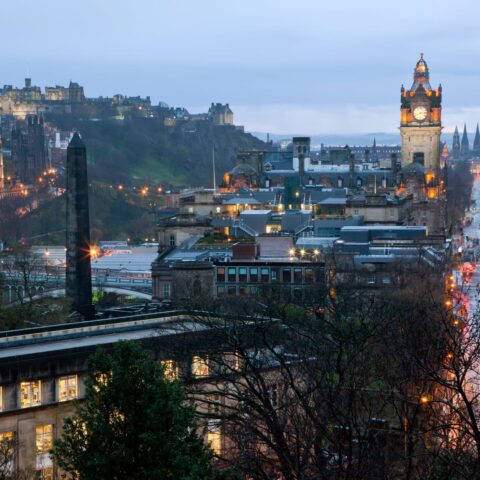
The city centre is treated as a major regeneration area, with priority locations for expansion and proposals connected to public transport and active travel. Local town centre regeneration is also identified for Drumchapel, Easterhouse, Shawlands and Castlemilk. That gives the plan a wider reach than the city centre alone, though the test will be whether outer neighbourhoods see investment, services and jobs rather than simply being named inside a planning document.
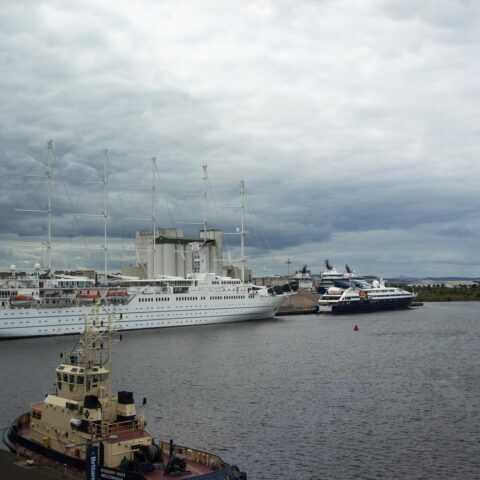
The River Clyde corridor is again placed at the centre of Glasgow’s regeneration future. The plan describes the corridor as a major area for housing growth, brownfield reuse and public realm improvement. The proposed River Park is part of that approach, connecting land use, climate adaptation, public space and the city’s long relationship with the Clyde.
Councillor Ruairi Kelly, convener for development, housing and land use, described City Development Plan 2 as vital for attracting investment and supporting the sectors linked to Glasgow’s continued economic growth. He said the plan was a roadmap for the city’s future, intended to support population growth, new homes, employment opportunities, metropolitan status and work on the climate emergency.
The plan also includes policy and guidance on listed buildings and conservation areas, reflecting Glasgow’s architectural inheritance. It encourages the reuse of underused buildings, particularly in the city centre, and links planning policy to climate, biodiversity, local living and active travel.
The reference to local living connects the plan to poverty and family life. In planning terms, it means shaping places where people can reach jobs, shops, green space, schools, social facilities and services without relying entirely on longer journeys. For families under pressure, that can affect transport costs, time, health, access to work and the daily practicalities of living in the city.
Glasgow is also positioning itself as the heart of Scotland’s only metropolitan area. It is worth noting that the city’s economy, transport patterns, labour market and housing pressures do not stop neatly at its administrative boundary. A development plan for Glasgow therefore sits inside a wider city region reality, even while formal planning powers remain tied to the local authority area.
The plan will now be subject to public consultation, giving communities, developers and organisations the opportunity to respond before it is finalised. Glasgow City Council says it is likely to be the first Scottish local authority to submit its local development plan in this Parliament.
SOURCES
Glasgow City Council, Glasgow sets out 10 year plan for new homes, jobs, and better communities, 18 May 2026
Glasgow City Council, City Development Plan 2 information page
Glasgow City Council, City Development Plan 2 committee report, 13 May 2026
Glasgow City Council, Emerging Plan and Report of Consultation
Scottish Government, Local Development Plan, Glasgow City