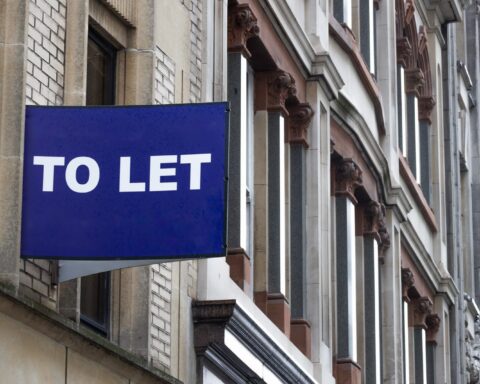


Twenty six homes in West Wemyss, Coaltown of Wemyss and Denbeath are set to be brought into public ownership after tenants faced the risk of eviction. The move will allow residents to remain in their homes while adding the properties to Fife’s social housing stock.
Twenty six homes in Fife are set to be bought to prevent tenants from becoming homeless after eviction proceedings began against residents in some of the properties.
Fife Council’s Cabinet Committee has approved plans to purchase homes across West Wemyss, Coaltown of Wemyss and Denbeath. The properties are currently owned by Torah Capital Limited and TC CAPS3 Limited, and the proposed acquisition will now move into further negotiation and legal work.
The decision matters because it shows the pressure now sitting inside Scotland’s housing system. In this case, the public sector is not simply building new homes or managing waiting lists. It is intervening directly in a private landlord situation to protect tenants, avoid emergency homelessness costs and keep established communities together.
The acquisition will be funded by Fife Council and the Scottish Government. If completed, the homes will become part of Fife’s social housing stock, giving tenants longer term security and allowing the properties to be improved over time so that they meet housing standards.
The move follows a period of uncertainty for residents after eviction notices were issued to some tenants. For communities such as West Wemyss, Coaltown of Wemyss and Denbeath, the loss of long standing tenants would not only have affected individual households. It would also have unsettled small communities where family, work, school and local connections are often closely tied to place.
Fife declared a housing emergency in March 2024, citing severe pressure on housing and homelessness services. Scotland’s latest homelessness statistics show continuing pressure across the country, with 17,240 households in temporary accommodation at 31 March 2025 and 10,180 children living in temporary accommodation on the same date. By 30 September 2025, Scottish Government figures showed temporary accommodation had risen again to 18,092 households and 10,480 children.
Against that background, the proposed purchase in Fife is a preventative measure as much as a housing acquisition. Emergency accommodation can be expensive, disruptive and damaging for families. Keeping tenants in their existing homes avoids some of those immediate costs and prevents people being pushed into a homelessness system that is already under strain.
The homes will also contribute to longer term affordable housing supply. Fife’s Strategic Housing Investment Plan for 2026 to 2031 sets out proposals for 2,640 potential new affordable homes, with 92 per cent intended for social rent. The purchase of existing homes is not a substitute for new supply, but it is one of the quicker tools available when tenants face urgent risk.
Cllr Judy Hamilton, Fife’s housing spokesperson, said she had attended the first meeting of Wemyss tenants after eviction notices were issued and had given a commitment that they would be protected. She said her priority was to protect people and prevent homelessness. She added that officers had worked through the challenges and that the proposal would allow Fife to step in at the right time, keep families in their homes and provide longer term stability.
Cllr David Ross, leader of Fife Council, said the situation had been difficult, particularly for tenants who had faced uncertainty and the prospect of losing their homes. He welcomed the Scottish Government contribution but said there would still be a significant cost to Fife, both in purchasing the properties and carrying out work to bring them up to expected standards. He said the decision was nevertheless the right thing to do because it would end uncertainty for tenants and help keep the community together.
Social Justice and Housing Secretary Shirley Anne Somerville said the Scottish Government had worked with Fife to ensure tenants did not lose their homes. She said the government would shortly begin engagement on its commitment to give tenants a right of first refusal if their landlord chooses to sell the property that is their home.
That future policy question is likely to matter beyond Fife. The Torah Capital case shows how quickly tenants can be exposed when privately rented homes are sold or ownership changes. It also raises a wider question for Scotland’s housing emergency: whether public bodies should only respond after crisis arrives, or whether tenants should have stronger protections before homes are placed beyond their reach.
SOURCES
Fife Council, Council moves to prevent homelessness with purchase of Torah Capital properties, 28 May 2026
Fife Council, Housing emergency
Fife Council, Strategic Housing Investment Plan 2026 to 2031
Scottish Government, Homelessness in Scotland 2024 to 2025
Scottish Government, Homelessness statistics April to September 2025
Scottish Parliament, Written question S6O 05608