
John Swinney has renewed pressure for full control of energy policy to be devolved to Scotland after Ofgem confirmed a 13 per cent rise in the price cap from July. The argument now sits between household bills, North Sea revenues, renewable power, fiscal risk and the continuing dispute over where energy decisions should be made.
John Swinney has called for all energy powers to be devolved to the Scottish Parliament as households across Scotland face another rise in gas and electricity bills from July.
The First Minister’s intervention followed a Scottish Parliament debate on Scotland’s energy future and Ofgem’s confirmation that the price cap for a typical household paying by direct debit will rise by 13 per cent between 1 July and 30 September 2026. The dispute places Scotland’s energy resources back at the centre of the constitutional argument. Swinney’s case is that Scotland produces major oil, gas and renewable energy resources but does not control the key policy levers that shape markets, bills, regulation and revenues. His critics argue that control alone does not show how household bills would fall, particularly when Scotland’s public finances remain dependent on wider UK fiscal arrangements.
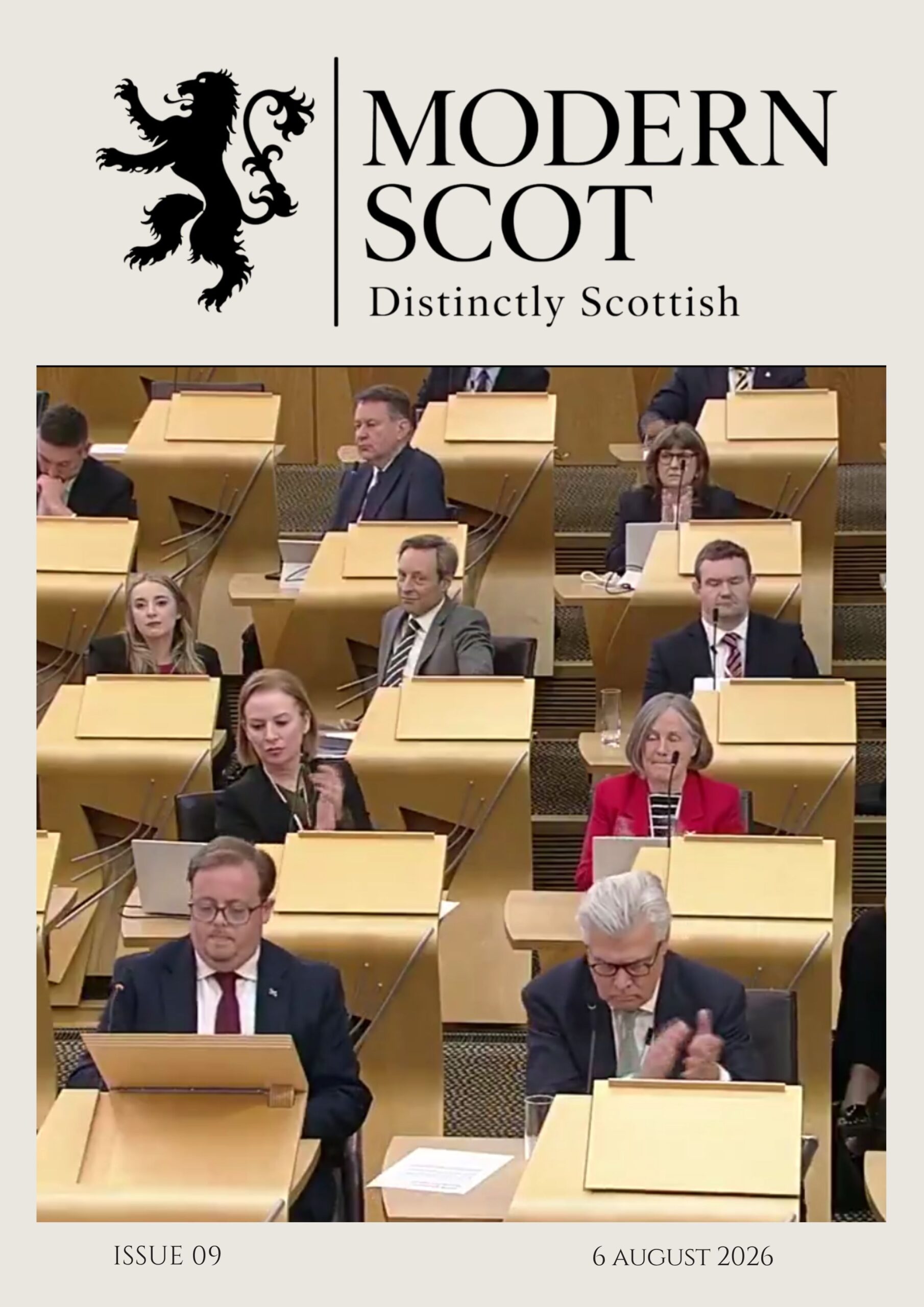
The Scottish Parliament debated the motion “It’s Scotland’s Energy” on 28 May 2026. The motion, moved by Stephen Gethins, stated that Scotland’s energy should be in Scotland’s hands and called for all energy powers to be immediately devolved to Holyrood. Labour, Reform, Green, Conservative and Liberal Democrat amendments each tried to redirect the argument toward different priorities, including a managed transition within an integrated UK energy market, nuclear power, oil and gas, community benefit and climate policy.
The Ofgem announcement sharpened the political timing. From July, the cap for a typical dual fuel household paying by direct debit will rise from £1,641 to £1,862 a year, an increase of £221 if usage is typical and prices remained at that level for a year. Ofgem has repeatedly stressed that the cap is not a limit on a household’s total bill. It limits the unit rates and standing charges suppliers can apply to default tariffs, so households using more energy still pay more.
For Scottish households, that distinction is not academic. Colder weather, older housing, rural heating costs and limited access to mains gas in some areas can make energy affordability particularly severe. Age Scotland has called for stronger support for older households after the latest rise, including improvements to energy efficiency, insulation and targeted help for those in colder parts of the country.
Swinney’s argument rests on a long running Scottish grievance: that North Sea oil and gas revenues were controlled by the UK state, while Scotland did not build a sovereign wealth fund comparable to Norway’s. The modern version of that case turns toward renewables. Scotland has substantial renewable generation and offshore potential, but electricity pricing, market design, network regulation, oil and gas licensing and much of energy security policy remain reserved to Westminster.
That division of power is central to the story. The Scottish Government can influence energy through planning, economic development, heat policy and climate targets. It cannot redesign the GB electricity market, set the Ofgem price cap, control the main tax treatment of North Sea production or independently decide the structure of UK wide energy regulation.
The criticism of Swinney’s position is equally clear. Devolving energy powers would not automatically produce lower bills. Scotland remains part of an integrated GB energy system in which wholesale gas prices, electricity market rules, grid constraints, network costs, standing charges and supplier obligations all shape what households pay. The UK Government has also begun its own work on reducing the influence of gas prices on electricity bills, with proposals for long term fixed price contracts for renewables.
There is also the fiscal question. Government Expenditure and Revenue Scotland for 2024 to 2025 estimated Scotland’s net fiscal balance as a deficit of £26.2 billion, or 11.6 per cent of GDP, including a geographical share of North Sea revenue. Excluding the North Sea, the deficit was estimated at £30.3 billion. The same figures estimated Scottish public sector revenue at £91.4 billion and total public sector expenditure for Scotland at £117.6 billion.
The Fraser of Allander Institute said the deterioration in the 2024 to 2025 fiscal balance was mostly driven by higher devolved expenditure, while North Sea revenues had also fallen. That weakens any simple claim that oil and gas revenues alone could transform Scotland’s fiscal position. It also gives critics a clear line of attack: if full energy control is presented as a route to lower bills, ministers need to explain the mechanism, not merely the destination.
The Barnett formula adds another layer. Scotland’s block grant is calculated through changes in UK Government spending and remains a major part of the Scottish budget. Supporters of the union argue that Scotland already benefits from UK wide fiscal pooling and that oil and gas revenues are part of a broader system of public finance. Supporters of greater Scottish control argue that this same system separates resources, revenues, industrial strategy and local consequences from democratic accountability in Scotland.
The most immediate test is whether any government can reduce bills while replacing ageing infrastructure, expanding renewable generation, managing the decline of North Sea production, protecting jobs in the north east and meeting climate commitments. Full control of energy powers would give Holyrood more responsibility, but it would also give it fewer places to send the blame.
Swinney has put energy back into the constitutional frame at the moment households are about to feel another price rise. The case he now has to make is not simply that Scotland has the resources. It is how control of those resources would change the bill arriving through the door.
SOURCES
Scottish Parliament, Minutes of Proceedings, Meeting of the Parliament, 28 May 2026, “It’s Scotland’s Energy” motion and amendments: https://www.parliament.scot/-/media/files/chamber-office/minutes-of-proceedings-session-7/may-2026/chamber_minutes_20260528.pdf
Scottish Parliament, S7M-00159, “It’s Scotland’s Energy”, lodged by Stephen Gethins, 26 May 2026: https://www.parliament.scot/chamber-and-committees/votes-and-motions/S7M-00159-5
Ofgem, “Energy price cap will rise by 13% from July”, 27 May 2026: https://www.ofgem.gov.uk/press-release/energy-price-cap-will-rise-13-july
Ofgem, “Changes to energy price cap between 1 July and 30 September 2026”: https://www.ofgem.gov.uk/news/changes-energy-price-cap-between-1-july-and-30-september-2026
Scottish Government, “Government Expenditure and Revenue Scotland 2024 to 2025”, 13 August 2025: https://www.gov.scot/news/government-expenditure-revenue-scotland-2024-25/
Fraser of Allander Institute, “GERS reaction: a deterioration of the net fiscal balance mostly driven by higher devolved expenditure”, 13 August 2025: https://fraserofallander.org/gers-reaction-a-deterioration-of-the-net-fiscal-balance-mostly-driven-by-higher-devolved-expenditure/
Scottish Government, Draft Energy Strategy and Just Transition Plan, reserved and devolved responsibilities: https://www.gov.scot/publications/draft-energy-strategy-transition-plan/pages/14/
House of Commons Library, “The Barnett formula and fiscal devolution”, 22 January 2026: https://commonslibrary.parliament.uk/research-briefings/cbp-7386/
UK Government, “Decisive action to break influence of gas on electricity prices”, 21 April 2026: https://www.gov.uk/government/news/decisive-action-to-break-influence-of-gas-on-electricity-prices
Age Scotland, “Ofgem price cap increase is unwelcome news for households”, May 2026: https://www.agescotland.org.uk/news/1620-ofgem-price-cap-increase-is-unwelcome-news-for-households