
Domestic connections serving the Highlands and Islands will receive wider protection when Air Departure Tax begins in April 2027, but direct and connecting international journeys will become taxable despite opposition from most respondents who answered that part of the government consultation.
Passengers beginning an overseas journey at a Highlands and Islands airport will lose a long-standing aviation tax exemption when Scotland’s Air Departure Tax comes into force on 1 April 2027.
The Scottish Government confirmed on Wednesday that domestic connections will remain protected and, in some cases, receive a wider exemption than they do under the present UK system. The quieter part of the decision is that international journeys beginning at airports including Inverness, Kirkwall, Stornoway and Sumburgh will become liable for the new Scottish levy.
The change will apply to direct international flights and connecting journeys booked through another airport. An Inverness to Amsterdam journey, currently exempt from UK Air Passenger Duty, will become taxable. The same will apply to a through-ticket from Inverness to Dubai via Heathrow, even though the first flight remains within the UK.
Air Departure Tax will replace Air Passenger Duty on flights beginning at Scottish airports. The Scottish Parliament passed the enabling legislation in 2017, but implementation was delayed after concerns that reproducing the existing Highlands and Islands exemption might breach state-aid rules, since replaced by the UK subsidy-control system. The Scottish Government says it has now developed a narrower exemption capable of meeting those requirements.
Under the final proposal, journeys beginning at a Highlands and Islands airport will remain exempt where the passenger’s final destination is within the UK. Flights beginning at another Scottish airport and ending in the Highlands and Islands will also become exempt for the first time.
This means that an Aberdeen to Sumburgh flight, which is presently taxable, will become exempt. Both directions of an Edinburgh–Kirkwall or Glasgow–Stornoway return journey will receive protection under the Scottish scheme. Flights beginning elsewhere in the UK, such as Heathrow to Inverness, remain subject to UK Air Passenger Duty because Scotland cannot determine tax on journeys beginning outside Scotland.
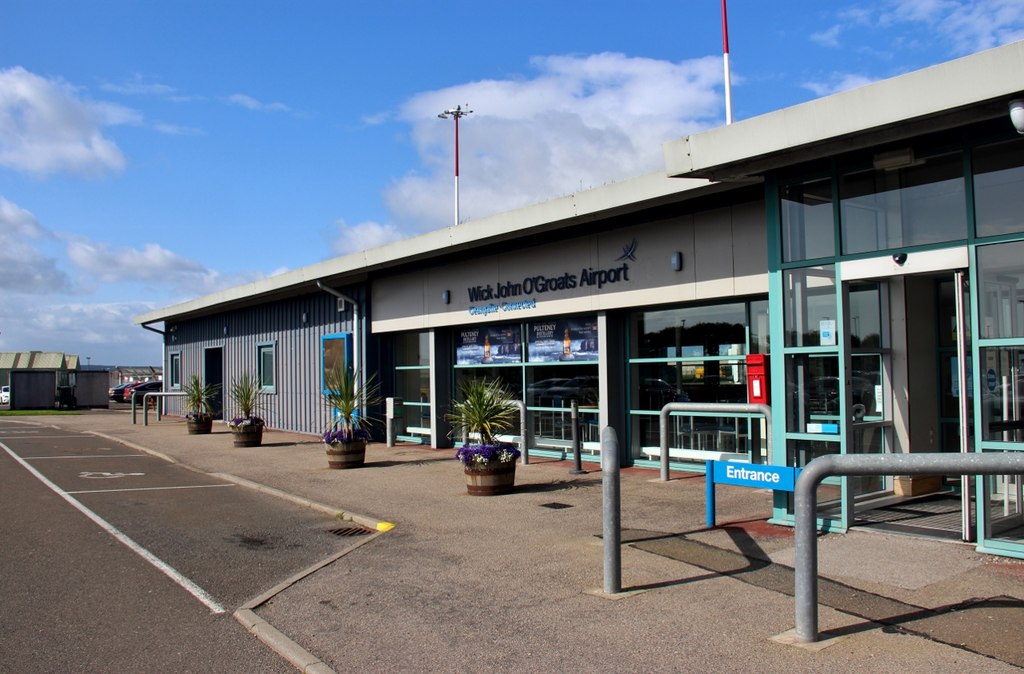
The exemption covers airports at Barra, Benbecula, Campbeltown, Inverness, Islay, Kirkwall, Lerwick, Stornoway, Sumburgh, Tiree and Wick John O’Groats. It is based upon the designated geographical region rather than the passenger’s home address, so visitors and residents receive the same treatment.
Deputy First Minister and Finance Secretary Jenny Gilruth said the domestic exemptions recognised the region’s particular connectivity problems and would help people and businesses. The government also confirmed that a separate supplement for private jets is intended from April 2028.
The domestic protection has broad support. Of the 47 consultation respondents who answered the relevant question, 85 per cent strongly or mostly agreed that journeys from Highlands and Islands airports to destinations elsewhere in the UK should remain exempt. Ninety-one per cent supported extending the exemption to flights arriving in the region from other Scottish airports.
The position changed when respondents were asked about international travel.
Of the 40 people and organisations that answered whether international journeys should lose the exemption, 23 disagreed and 17 agreed. Ten Highlands and Islands respondents strongly opposed the removal, while three supported it wholly or partly. The consultation was self-selecting and cannot be treated as a representative poll, but the regional opposition was pronounced.
The consultation process itself contained an unfortunate error. The original online form duplicated an earlier question and omitted the question concerning international flights. Nine people had already submitted responses before the mistake was corrected. Seven of those responses were later excluded from the analysis of the international proposal because answers could not be obtained. The government apologised and invited further views by email.
Respondents warned that removing the exemption could weaken already limited international connectivity. Particular concern centred on the Inverness–Amsterdam service and the possibility that increased costs could reduce passenger demand on routes operating with narrow commercial margins.
The International Air Transport Association told the consultation that 81 per cent of journeys beginning at Highlands and Islands airports involved connections. Airlines and regional organisations argued that taxing the full journey could encourage passengers to drive or travel by rail to Edinburgh, Glasgow or Aberdeen before beginning an overseas trip, transferring demand away from regional airports.
The Scottish Government accepts that the policy will increase costs. For an economy passenger travelling from the region to a European destination, the tax charged to the carrier will be £15.49 in 2027–28. By contrast, the new exemption on an inbound domestic journey from another Scottish airport will reduce the carrier’s tax cost by £8.26 per economy passenger. Airlines may absorb those amounts or reflect them in fares.
Longer international journeys carry a much larger charge. The reduced economy rate will be £105.33 for destinations between 2,001 and 5,500 miles and £109.46 for destinations beyond 5,500 miles. Connected flights shown on the same or associated tickets are treated as one journey, with the final destination determining the tax band. A passenger connecting through a UK airport will not pay both Scottish Air Departure Tax and UK Air Passenger Duty.
The government’s reason for narrowing the exemption is competition law. It argues that exempting international services from Inverness while airlines serving Edinburgh, Glasgow or Aberdeen must pay the tax could distort decisions about where routes are based. Edinburgh Airport told the consultation that the existing international exemption gave Inverness an artificial competitive advantage, while environmental respondents argued that overseas leisure travel should not receive the same protection as essential domestic connectivity.
Highlands organisations offered alternatives, including a lower international rate, preserving the exemption for the domestic section of a connecting journey or limiting relief to economy passengers. The government says no workable alternative emerged that would protect international journeys while satisfying subsidy-control requirements and avoiding competition distortion. It will therefore remove the exemption for both direct and connecting overseas travel.
The decision has been taken before the government has published a full quantified assessment of the regional consequences. Wednesday’s report does not state how many passengers will become taxable, how much revenue will be raised from them, or what reduction in demand the government expects at Inverness and other regional airports. Formal impact assessments are promised alongside the secondary legislation before the tax begins.
The new structure resolves the legal obstacle that delayed Scotland’s devolved aviation tax for nearly a decade. It also draws a firm line through the meaning of essential connectivity. Domestic journeys receive wider protection; international access does not.
For communities whose nearest practical route overseas begins with a flight from an island or northern airport, that distinction is less tidy than it appears in the tax code. The cost may arrive as £15.49 on a European fare or more than £100 on a long-haul journey. The wider effect on routes, business travel and passenger behaviour remains to be measured after the policy decision has already been made.