
North Star has secured a major pipeline of emergency response and rescue vessel work across the North Sea, supporting hundreds of seafaring jobs and extending the life of a maritime safety system built around offshore energy. The contracts matter for Scotland because the energy transition has not removed the need for skilled crews, rescue vessels and round the clock protection in some of the most demanding waters in Europe.
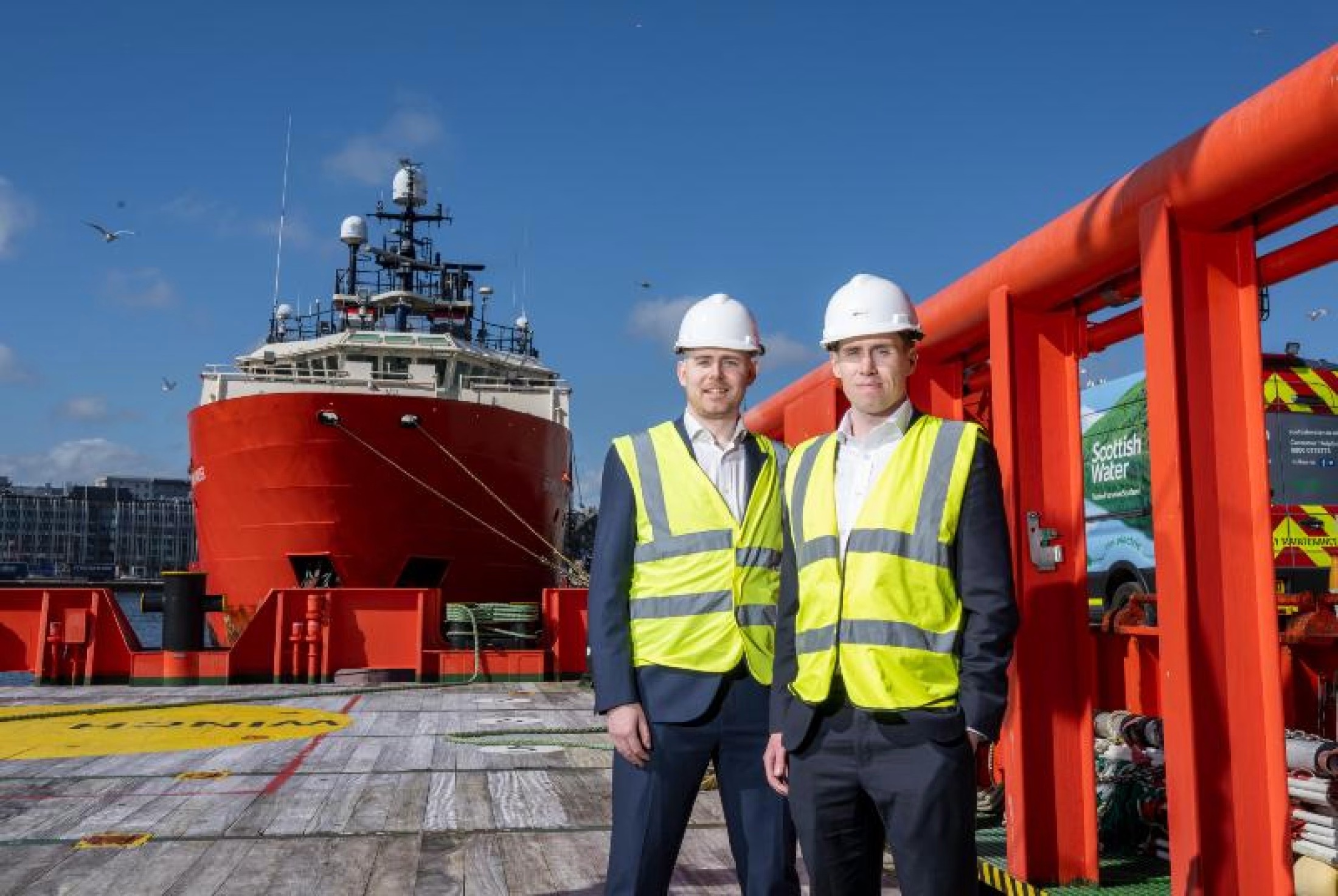
Aberdeen headquartered North Star has secured a substantial package of North Sea emergency response and rescue vessel contracts covering 17 vessels in its fleet, with the awards representing about 50 years of combined contract duration.
The contracts include new awards and renewals, and support around 435 seafarers, roughly a quarter of North Star’s offshore workforce. The company said the work reflects continued confidence from offshore energy operators in its ability to provide safety services across the UK Continental Shelf.
North Star says it operates 37 emergency response and rescue vessels, known as ERRVs, providing safety cover for about 50 offshore installations in the North Sea. The company employs around 1,700 people across the wider business, including onshore teams in Aberdeen and Lowestoft, and also has an office in Hamburg.
The awards are more than a contract announcement. They point to a less discussed part of Scotland’s energy transition: the offshore safety and maritime workforce that still underpins activity in the North Sea. As political debate concentrates on the future of oil, gas and offshore wind, vessels such as North Star’s remain part of the practical infrastructure that keeps people alive at sea.
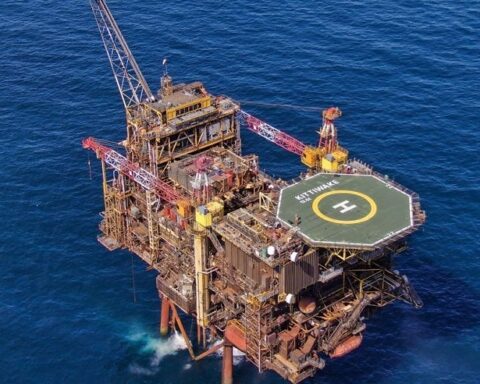
The North Sea is often discussed through the language of production, decline, licensing, emissions and transition. Less attention is paid to the permanent machinery of safety that sits around offshore work. Platforms do not operate in isolation. They depend on crews, vessels, maintenance teams, shore based support and emergency cover that must be ready whether the policy weather is calm or hostile.
Emergency response and rescue vessels are part of that system. Their role is not glamorous. They stand by offshore installations, support emergency response, provide rescue capability and form part of the safety arrangements required for personnel working at sea. North Star describes its ERRV fleet as providing 24 hour standby support, emergency response and rescue capability with trained crews and specialist equipment.
For Scotland, this matters because the North Sea is not only a basin of hydrocarbons or future wind farms. It is also a skills system. Seafarers, marine engineers, vessel managers, maintenance crews, port workers and offshore safety specialists have formed part of the economy of Aberdeen and the wider north east for decades.
North Star’s own history is deeply tied to that world. The company says it was founded in 1886 and operates what it describes as the largest UK owned fleet serving the offshore industry. It also says its first purpose built emergency response and rescue vessel dates back to 1981, placing the company inside the long modern history of offshore safety after the North Sea became a major energy basin.
That history is not abstract. North Star says it was directly involved in the rescue of personnel during the Piper Alpha disaster. Piper Alpha remains the defining catastrophe of the North Sea, a 1988 disaster that killed 167 men and changed offshore safety regulation and culture. North Star’s public description of its own ERRV role places that memory close to its operating identity.
The company’s Aberdeen roots are also part of the story. Partners Group, the global private markets firm that agreed to acquire North Star in 2022, described the company at the time as headquartered in Aberdeen, Scotland, with a fleet of 48 ERRVs and service operation vessels and around 1,400 employees. It said North Star’s ERRV fleet was the largest in Europe and provided crew rescue, firefighting and emergency response services to offshore energy operations in the North Sea.
Ownership has changed, but the Scottish operational centre remains important. North Star is now part of a larger investment story. Partners Group said it acquired North Star in 2022 and has since focused on expanding the company’s service operation vessel fleet for offshore wind. In 2026, Partners Group said new acquisitions would take North Star’s offshore wind fleet to 14 vessels, making it one of the largest in Europe.
That shift is central to the modern North Sea. The same company that grew around oil and gas safety cover is now also expanding into offshore wind support. In 2021, Aberdeen based North Star Renewables won contracts worth an estimated £270 million to deliver three service operation vessels for Dogger Bank Wind Farm, described as the world’s largest offshore wind farm.
Later that year, North Star said it had won a further £90 million contract to complete the Dogger Bank vessel package, bringing the combined value of the four long term charter SOV awards to £360 million. Those vessels were contracted on 10 year agreements, with additional one year options.
That evolution gives this latest ERRV announcement its wider significance. North Star is not simply an old North Sea support company clinging to a fading sector. Nor is it only a renewables firm rebranding itself for the future. It sits across both worlds. It provides emergency response and rescue cover for existing offshore operations while building a fleet for the offshore wind market.
That makes it a useful case study in the energy transition as it is actually happening, rather than as it is sometimes described. The transition is not a clean break between old and new. It is a long, uneven movement in which existing infrastructure, skills and companies are being repurposed, extended or asked to serve more than one energy system at once.
The latest contracts also say something about the continuing role of the North Sea in UK energy security. The company’s announcement links the work to secure and stable energy production. That framing will be familiar to anyone following the political debate around the North Sea, where government, industry and environmental arguments often collide around how quickly oil and gas activity should decline and what should replace the jobs and supply chains built around it.
The safety issue cuts through some of that argument. Whatever one thinks about the pace of transition, offshore workers remain at sea today. Installations still require emergency cover. Vessels still need crews. Shore based support still needs maintenance facilities and operational planning. The risk environment does not pause because the policy debate is unsettled.
The contracts are also significant because they provide longer term security for workers. North Star says the awards reflect the expertise of 435 seafarers and support long term job security for skilled maritime professionals. In a sector often exposed to cycles of investment, downturn and political uncertainty, contract duration matters. It allows companies to plan, retain crews and maintain capability.
That workforce element should not be treated as secondary. Scotland’s just transition debate often speaks about workers in general terms, but the people most affected are not general. They are welders, deck officers, engineers, technicians, vessel crews, planners and maintenance staff. The question is not only whether new industries will exist. It is whether they will use, respect and retain the skills already present in the Scottish offshore economy.
North Star’s growth into offshore wind suggests one possible route. Service operation vessels are essential to the maintenance of offshore wind farms. They provide accommodation, logistics, access and operational support for technicians working far from shore. In that sense, maritime support is not a legacy function. It is part of the renewables future as well.
Yet there is also a caution. A company can be headquartered in Scotland, employ Scottish based teams and support Scottish offshore activity while being owned by international capital. That is not unusual in modern infrastructure, but it should be understood clearly. North Star remains a major Aberdeen linked offshore business, but its strategic direction now also reflects the priorities of a global investment owner. That does not make the contracts less important. It simply makes the ownership structure part of the story.
The Scottish interest is therefore practical. How much work remains anchored in Aberdeen? How many skilled jobs are sustained? How much of the transition supply chain is built from existing Scottish capability? How much decision making remains close to the communities and workforce affected by the North Sea’s long transition?
There is another reason the story is important… because it shows the infrastructure behind the headlines. Energy stories are often told through turbines, licences, bills and climate targets. But the real system is wider. It includes vessels waiting in poor weather, engineers maintaining ships, crews trained for rescue, commercial teams securing contracts, and shore bases keeping the operation moving. The North Sea has always required that hidden architecture. In the oil and gas era, it was essential. In the offshore wind era, it will remain essential, though the vessels, contracts and risks may change.