
A nation exporting surplus power continues to rely on imported fuel in its most exposed communities, where costs remain volatile and support limited
There is a quiet contradiction at the centre of Scotland’s energy system. It has existed for some time, but it is becoming harder to ignore.
Scotland now produces more renewable electricity over the course of a year than it consumes. Yet in parts of the Highlands and Islands, households continue to rely on heating oil delivered by tanker, priced against global markets, and paid for in large, infrequent sums. The distance between those two realities has begun to show.
Recent government support has brought the issue back into focus. The UK Government has allocated £53 million to support households using heating oil, with £4.6 million directed to Scotland. The Scottish Government has since increased that allocation to around £10 million, with an emergency scheme expected to open from 1 April.
The figures are clear enough. Whether they are sufficient is less certain.
Around 142,000 households in Scotland rely on heating oil as their primary source of heat, largely in off grid areas where mains gas is not available. In these communities, energy is not billed monthly in predictable increments. It is purchased in bulk, often several thousand litres at a time, and must be paid for in advance. When prices rise, the effect is immediate and difficult to absorb.
In recent months, that pressure has intensified. Consumer bodies have reported sharp increases in heating oil costs, linked to wider global energy market volatility, including geopolitical tensions. Unlike mains gas or electricity, heating oil is not covered by a regulated price cap, leaving households directly exposed to those fluctuations.
That exposure is not evenly distributed.
Rural households are more likely to live in older, less energy efficient buildings, requiring more heat to maintain basic comfort. They are also more likely to depend on delivery based fuels such as oil or liquefied petroleum gas, both of which require upfront payment. For many, there is no realistic alternative in the short term.
Against that background, the current support measures appear deliberately targeted, but necessarily limited. Payments in the region of a few hundred pounds have been indicated for eligible households, though the precise structure of the scheme will depend on how it is delivered. In Scotland, the scheme will be administered centrally, with applications handled through Advice Direct Scotland rather than local authorities.
Ministers have indicated that the approach is intended to ensure consistency and speed. Others have suggested that centralisation may make it harder to reach those who are less inclined to seek assistance or who live in more isolated areas.
The question of delivery sits alongside a more persistent concern about the structure of the market itself.
The Competition and Markets Authority has begun examining the heating oil sector following concerns about pricing, transparency and market behaviour. Ministers have acknowledged that the market may not be functioning properly, though any regulatory response will depend on the outcome of that investigation. For now, customers placing orders may still do so without certainty over the final price they will pay on delivery.
It is a system that sits uneasily with the broader direction of energy policy.
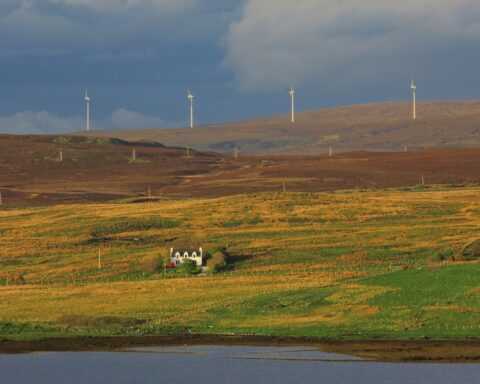
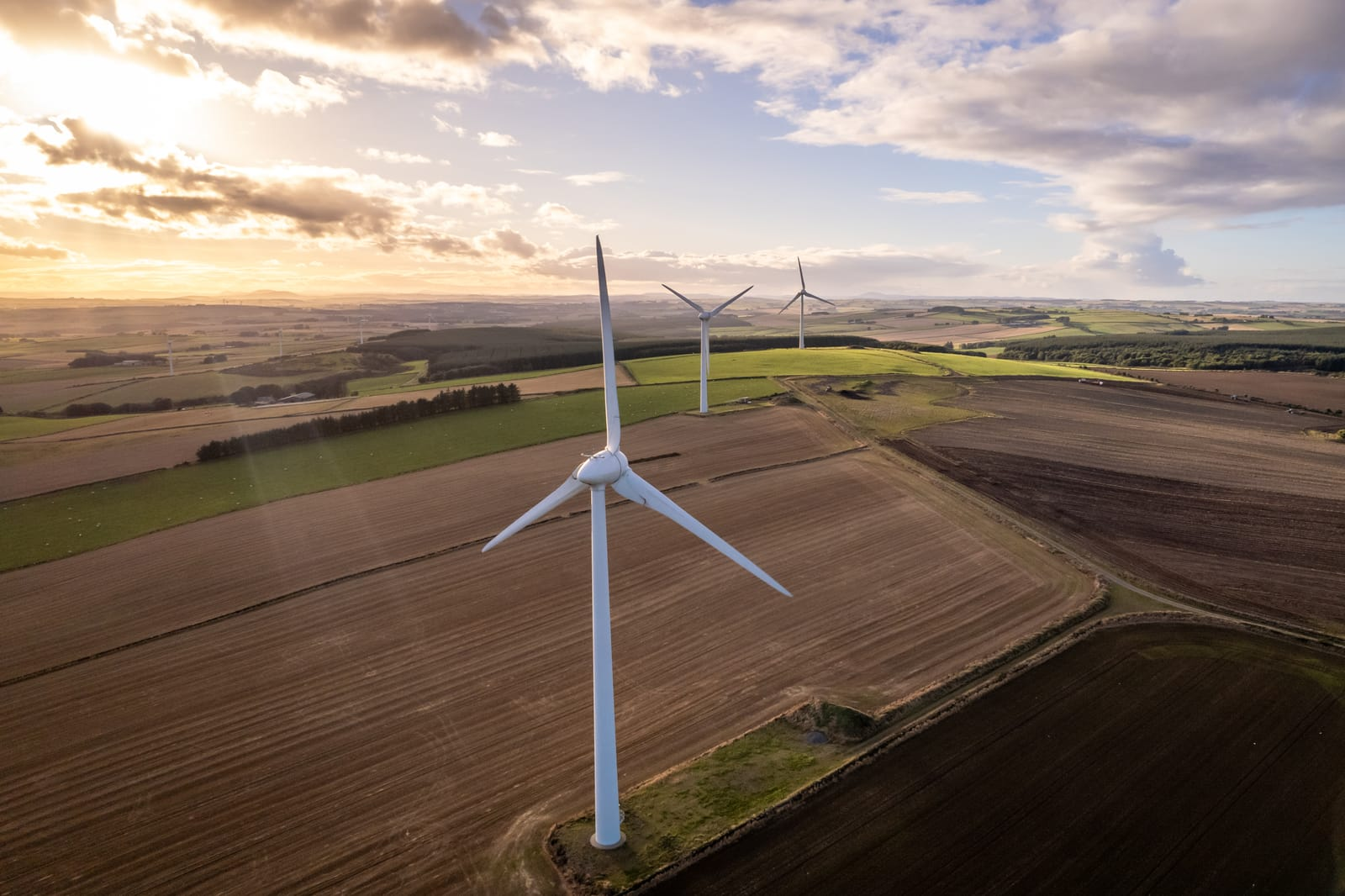
Scotland’s renewable capacity continues to expand, with wind generation now a central component of the electricity system. In aggregate terms, the country produces a surplus of renewable power. Yet that surplus does not translate into lower heating costs in off grid areas, where electricity is not always a practical substitute for oil and where infrastructure constraints remain.
There have been attempts to address that imbalance. A trial has been announced exploring whether households located near generation infrastructure could receive a more direct benefit from nearby energy production. The detail remains limited, and its wider application is not yet clear.
What is clearer is that the current arrangement leaves rural households carrying a distinct set of risks.
They are exposed to global price movements without the protections available to other energy consumers. They must commit to large purchases without the flexibility of monthly billing. And they often do so in regions that play a disproportionate role in the production of the energy system as a whole.
The immediate question is whether the current support will reach those most in need before the next period of sustained demand. The longer question, less directly addressed, is whether reliance on oil and similar fuels can continue in areas where alternatives remain limited.
For a country that now produces more renewable electricity than it consumes, the persistence of that question suggests the settlement is not yet complete.