
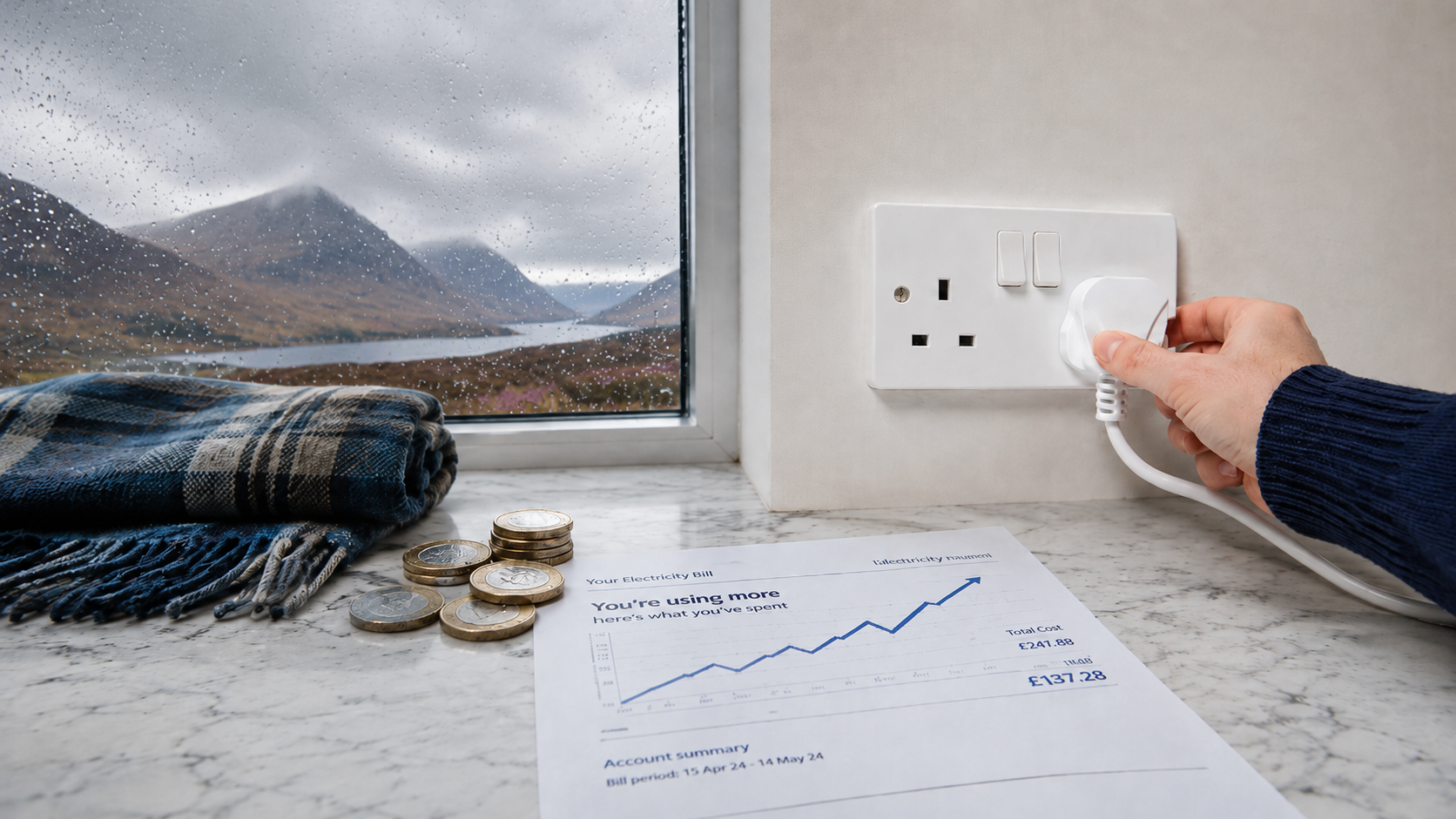
Ofgem’s latest price cap rise will push typical household energy bills in Great Britain up from July, just as many Scottish households remain exposed to high fuel poverty, electric heating costs and rural energy pressures. The rise will not affect every household in the same way, but it will sharpen an already severe affordability problem across Scotland.
Ofgem has announced that the household energy price cap will rise by 13 per cent from 1 July 2026, increasing the typical annual dual-fuel bill for a household paying by Direct Debit from £1,641 to £1,862.
The new cap will apply from 1 July to 30 September 2026. Ofgem says the change means an average household using both gas and electricity will pay around £18 more a month if the July level were sustained over a full year. The regulator said the rise reflects continued volatility in global energy markets and higher wholesale gas prices.
For Scotland, the impact is likely to be heavier than the headline figure suggests. The price cap is presented as a typical Great Britain bill, but Scottish households are not typical in one important respect: many live in colder, older, rural or off-gas-grid homes, and a significant number rely on electricity or alternative fuels for heating. Scotland already has high levels of fuel poverty, and a summer rise in the cap raises the risk that debt and under-heating will deepen before winter arrives.
The price cap is often misunderstood. It is not a cap on a household’s total bill. It limits the unit rates and standing charges suppliers can apply to customers on default tariffs. A household that uses more energy will still pay more. That distinction matters in Scotland, where weather, housing condition, rurality and heating type can push actual costs well above the published “typical” figure.
From July, Ofgem’s average Direct Debit unit rates will rise from 24.67p to 26.11p per kilowatt hour for electricity, while the average daily electricity standing charge remains broadly unchanged at just over 57p. Gas rises more sharply, from 5.74p to 7.33p per kilowatt hour, while the average daily gas standing charge remains just over 29p. Ofgem says figures include VAT and are rounded to two decimal places.
That means the pressure will be uneven. Gas-heated homes will feel the sharp wholesale gas effect directly. Electrically heated homes, which are common in parts of rural and island Scotland, already face higher per-unit heating costs than gas households. The Scottish Government’s 2024 House Condition Survey found that households using electricity as their primary heating fuel had a fuel poverty rate of 42 per cent, compared with 27 per cent for households using gas and 23 per cent for those using oil.
The same survey found that 28.7 per cent of Scottish households were in fuel poverty in 2024, down from 33.9 per cent in 2023, but still representing a major national affordability problem. Around 357,000 households, or 14 per cent of all households, were in extreme fuel poverty in 2024. The median fuel poverty gap was £1,030, meaning that was the typical annual amount needed to lift a fuel-poor household out of fuel poverty.
Rural and remote areas remain especially exposed. The Scottish House Condition Survey found fuel poverty rates of 47 per cent in remote small towns and 38 per cent in remote rural households. It also found that extreme fuel poverty was higher in rural areas than urban areas, and higher in properties off the gas grid than those connected to mains gas.
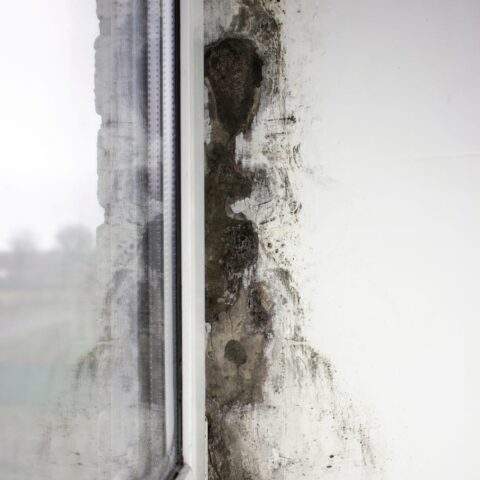
A Scottish family in a well-insulated urban flat, paying by Direct Debit and using gas heating, will experience the July cap differently from a pensioner in an electrically heated rural home, a tenant in a damp social-rented property, or an island household facing higher standing charges and fewer switching options. The same percentage rise does not produce the same lived effect.
Consumer groups are already warning that households are running out of room to absorb further rises. Scottish Housing News reported that Scotland faces another sharp increase in energy bills this summer, citing concern from Consumer Scotland, Citizens Advice Scotland, Advice Direct Scotland and Changeworks. Consumer Scotland’s latest tracker, cited in that report, found that 19 per cent of households were in energy debt, 38 per cent could not heat their home to a comfortable level, and 16 per cent were struggling to keep up with bills.
The timing also matters. A July increase may appear less damaging than a winter rise because households use less heating during summer. But that is only part of the story. Higher Direct Debits can still begin immediately. Households already in arrears may have less time to recover before the colder months. If the cap rises again in October, the increase will meet Scotland at the beginning of the heating season rather than the end of it.
Scottish Government modelling published before this latest announcement estimated that, from October to December 2025, around 830,000 households in Scotland would be in fuel poverty, equal to 33 per cent of all households, with around 420,000 in extreme fuel poverty. The modelling also noted that cost of living payments had ended by April 2024, helping explain why fuel poverty remained stubbornly high despite lower price caps than the peak crisis period.
Ofgem’s announcement also revives a wider policy problem. The price cap was designed to stop customers on default tariffs being overcharged. It was not designed to make energy affordable for low-income households, remote households or homes that are expensive to heat. In Scotland, that distinction is no longer technical. It is central.
The immediate advice for households is practical but limited. People should check whether they are on a variable tariff, whether a fixed deal is cheaper and suitable, whether their Direct Debit reflects actual use, whether meter readings are up to date, and whether they are eligible for support. But advice does not change the structural fact that many Scottish homes require more energy to heat safely than the average household used in the headline cap.
That is why this rise is likely to intensify calls for deeper reform: a social tariff for vulnerable and low-income households, more investment in insulation and energy efficiency, stronger protection for rural and island consumers, and a serious discussion about whether a GB-wide cap can adequately reflect Scotland’s colder climate, housing stock and off-gas-grid reality.
The July cap does not mean every Scottish household will pay £1,862 a year. That figure is Ofgem’s benchmark for a typical dual fuel household paying by Direct Debit across England, Scotland and Wales. The cap controls unit rates and standing charges, not total household spending, so homes using more energy will pay more and homes using less will pay less.
The impact on Scotland will be measured not only in pounds and pence, but in what households do next: whether they reduce heating, fall into arrears, move onto prepayment meters, cut other spending, or enter winter already behind. That is the quiet danger in a summer price rise. It lands before the coldest months, but it narrows the margin before they arrive.
SOURCES
Ofgem, Energy price cap will rise by 13% from July, 27 May 2026.
Ofgem, Energy price cap unit rates and standing charges, July to September 2026.
Scottish Government, Scottish House Condition Survey: 2024 Key Findings.
Scottish Government, Fuel Poverty Scenario Modelling based on Ofgem Energy Price Caps up to October to December 2025.
Scottish Housing News, Energy price cap to rise 13% in July as households warn they are “out of options”, 27 May 2026.