

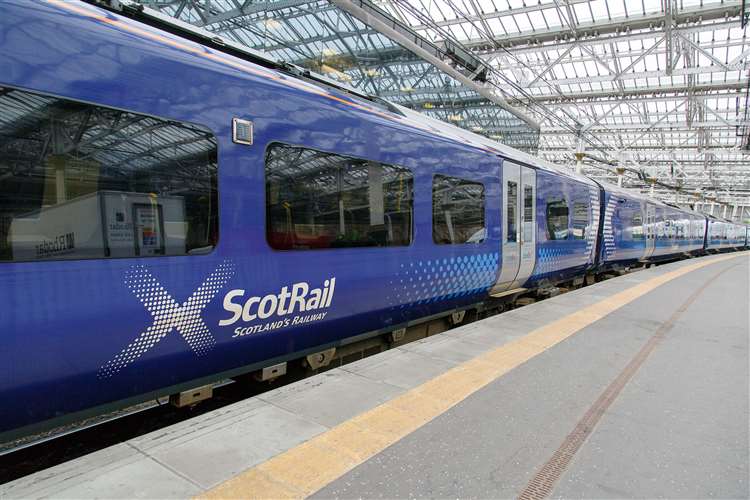
State-owned rail operator awards contract covering complaints, delay compensation and sales support to global outsourcing firm, with services to be delivered from Glasgow and remote staff across Scotland.
ScotRail has awarded a three-year contract for its customer contact operations to the outsourcing company Teleperformance, handing responsibility for a key part of its passenger interface to a multinational provider with an established presence in the UK rail sector.
The agreement, announced this week, will see Teleperformance manage a range of customer services, including complaints handling, delay repay administration and telesales, across multiple channels such as phone, email, messaging and written correspondence.
Services are to be delivered from the company’s Glasgow site, supported by a Scotland-based work-from-home workforce. Around 30 customer service roles are expected to be in place during the first year, although staffing levels may change over the life of the contract.
ScotRail, which returned to public ownership in 2022, said the contract followed a competitive tender process aimed at modernising its contact centre operations and improving how it engages with passengers. The company has not disclosed the value of the contract or the number of bidders involved.
The new arrangement will be underpinned by the ServiceNow platform, delivered in partnership with technology firm UP3, signalling a move towards a more integrated and digitally managed customer service system.
Teleperformance already provides similar services for rail organisations including Southeastern Railway and National Rail Enquiries. The ScotRail contract extends that footprint and places the company at the centre of passenger communication for another major part of the UK network.
The decision reflects a broader trend in public transport and other public services towards outsourcing customer contact functions to specialist providers, often on the basis that they can deliver greater scale, flexibility and technological capability than in-house teams.
However, such arrangements can also raise questions about accountability and consistency, particularly where frontline interactions with passengers are handled by staff who are not directly employed by the service provider itself.
In its announcement, Teleperformance said the partnership would combine “skilled people, innovative technology, and flexible delivery models” to improve customer experience. ScotRail has similarly framed the contract as part of its ongoing effort to enhance passenger engagement.
What remains less clear is how those improvements will be measured, or how the performance of the outsourced service will be assessed against passenger expectations in practice.
For passengers, the impact of the change will be judged not in procurement documents or corporate statements, but in everyday interactions: how quickly calls are answered, how effectively complaints are resolved, and how straightforward it is to claim compensation when services fall short.
Those are the moments in which the value of the contract will ultimately be tested.