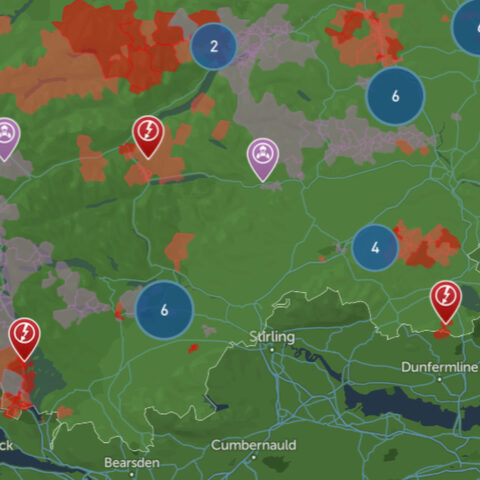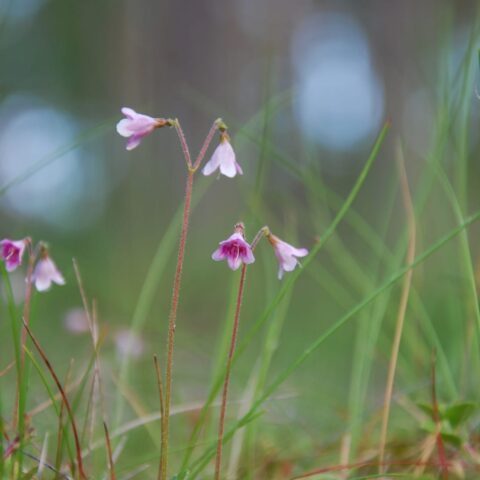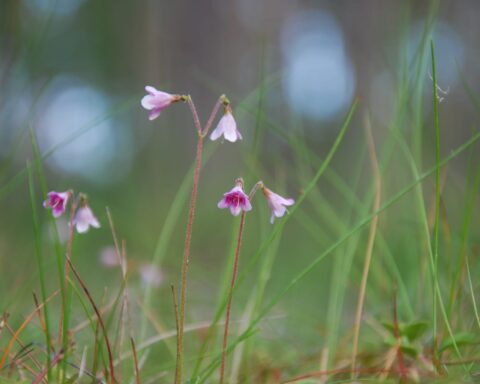

A conservation project is asking people along Scotland’s east coast to help find wood sage and the bordered brown lacewing, one of the UK’s rarest insects, before it disappears from view.
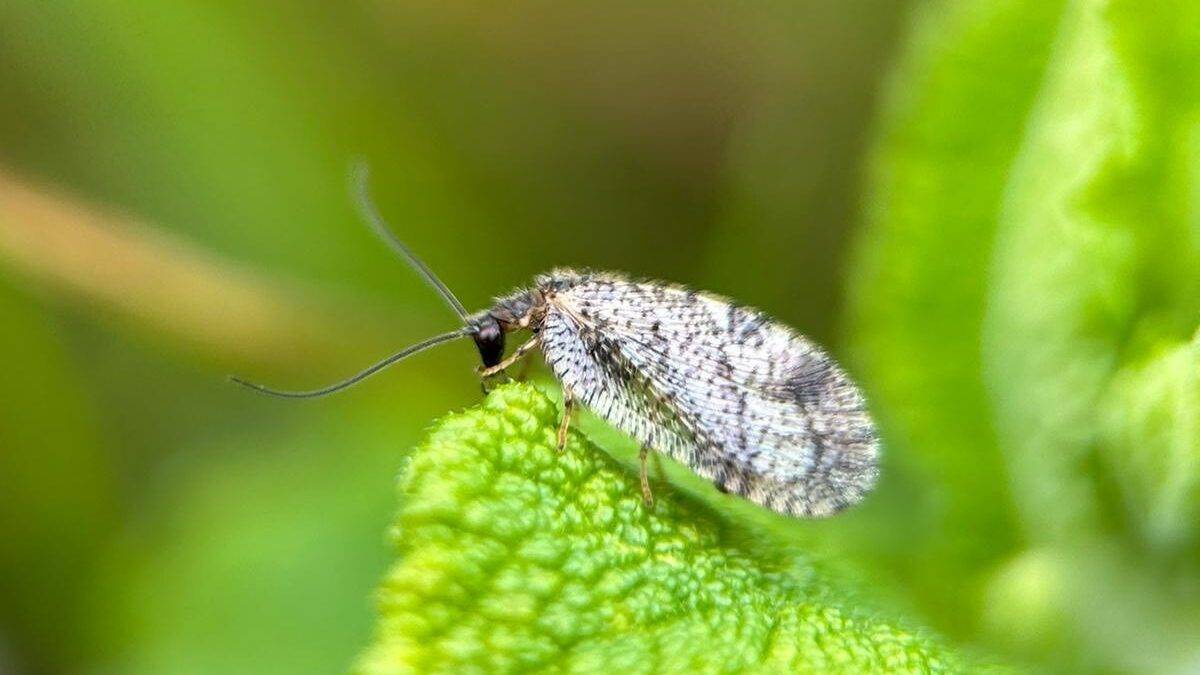
People along Scotland’s east coast are being asked to help search more than 700 miles of coastline for one of the United Kingdom’s rarest insects. The bordered brown lacewing, Megalomus hirtus, is a small brown insect measuring about 1cm long, with finely marked wings and long antennae. In the UK, it is found only in Scotland, and only from a small number of known places.
NatureScot says Species on the Edge and Buglife are asking people to look first for wood sage, the plant most closely associated with the insect in Britain, and to submit sightings through the iRecord app or website. Those interested in more advanced surveys, including habitat surveys or searches for the lacewing itself, are being asked to contact Buglife’s Species on the Edge conservation officer.
The request is unusual enough to catch the eye. It asks ordinary people to look along a coastline for a small insect most will never have heard of, on a plant most will have walked past without knowing its name. Yet the purpose is serious. The search is part of a wider attempt to understand where the bordered brown lacewing still lives, whether more populations remain undiscovered, and what Scotland must protect if the species is to survive here.
Buglife describes the bordered brown lacewing as a native species with a brown body and brown patterned wings. It says the insect is associated in the UK with aphids and other small insects on wood sage growing on rocky exposed slopes. Known locations include Holyrood Park in Edinburgh, several sites along the coast from Stonehaven to St Cyrus National Nature Reserve, and an individual record from the coast at a site in Sutherland in 2021.
A 2020 review in The Glasgow Naturalist set out how restricted the known distribution had been. Before 2019, the bordered brown lacewing was recorded from only three documented UK sites, all in Scotland: Holyrood Park in Edinburgh, Doonie Point by the Bridge of Muchalls, and St Cyrus. Surveys in 2019 then found the lacewing in a new area of Holyrood Park and at several new sites from Stonehaven to Portlethen in Aberdeenshire.
The same review said the species is associated in Britain with aphids and other insects on wood sage growing on rocky hillsides and under cliffs. Adults had been recorded from June to August, though they may be active earlier or later depending on local climate. The paper also noted that adults appear to spend much of the day deep in vegetation and are unwilling to move, even when disturbed.
The insect is difficult to find, but its associated plant may be easier to spot. If people can help map wood sage along the east coast, conservationists can identify places where the lacewing might still be present. That turns a simple plant record into a possible route to finding one of Scotland’s rarest invertebrates.
NatureScot and Buglife are asking people to report sightings through proper recording routes and to seek guidance for more advanced surveys. The aim is to build knowledge without damaging the very places being studied. The public should not disturb fragile habitats or collect insects.
Buglife, “Bordered Brown Lacewing”, Bug Directory
Buglife, “Bordered Brown Lacewing”, project page
Species on the Edge, programme website
Species on the Edge / Buglife, “Species on the Edge” project information
State of the Coast, “Bordered Brown Lacewing Megalomus hirtus”
NatureScot, “Rare beastie celebrates 200 years since first found in Scotland”, 27 June 2025