
Scottish community groups are being offered more financial support to own renewable energy projects and reduce the running costs of local buildings.
Funding available for community-owned renewable energy projects in Scotland is to increase to £15m a year.
The Scottish Government said the additional money would be made available through the Community and Renewable Energy Scheme, known as CARES.
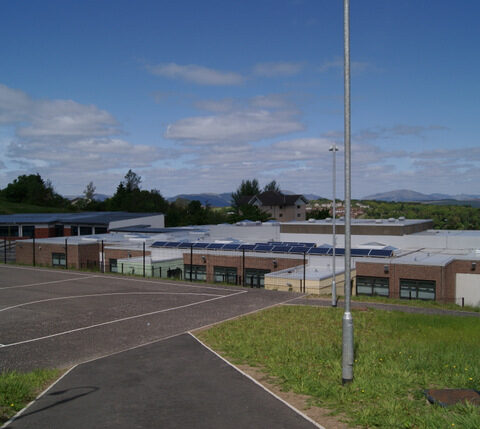
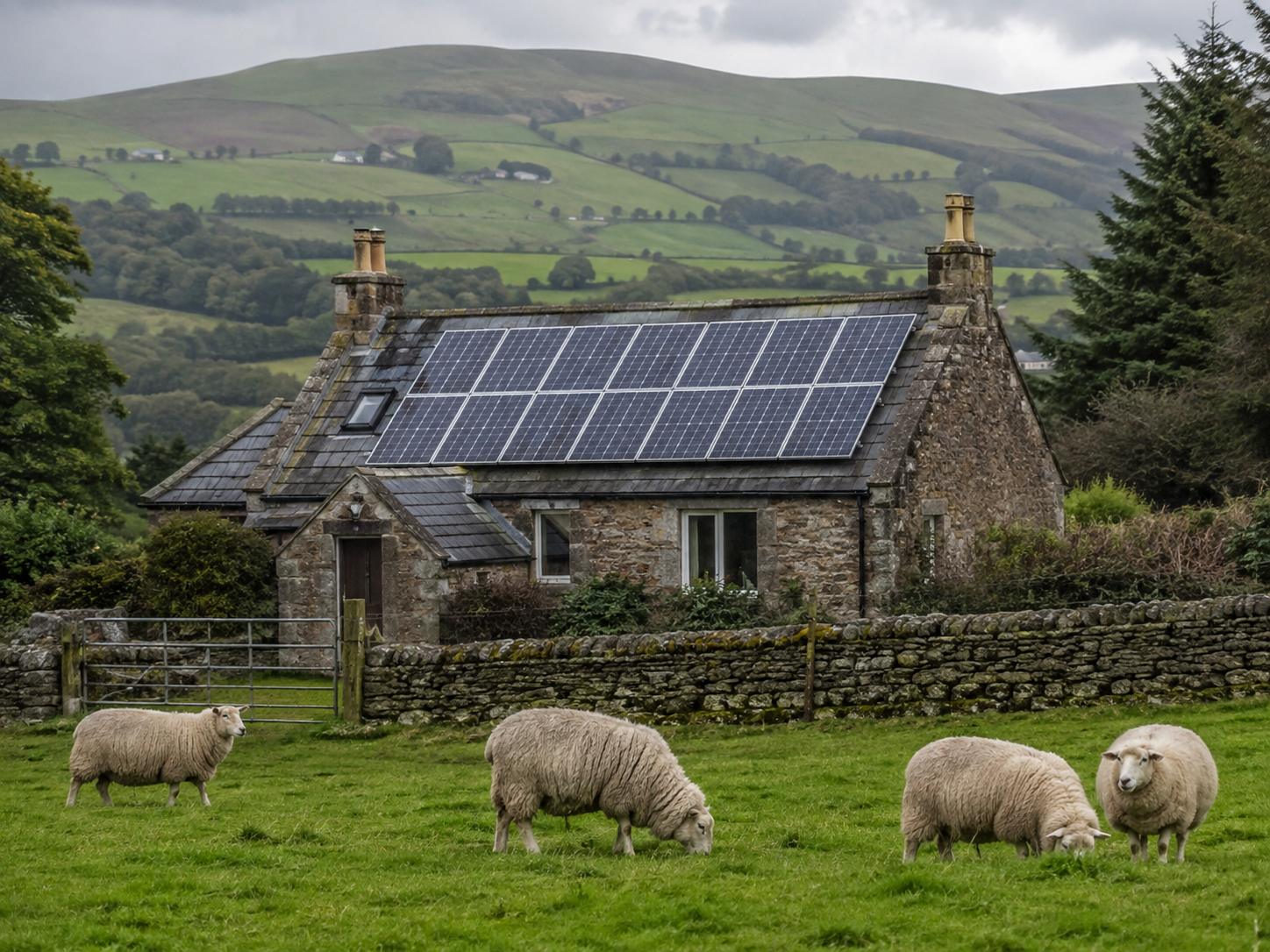
The programme provides grants, loans and advice for projects including community-owned wind and solar generation, heat decarbonisation and improvements to the energy efficiency of community buildings.
More than £83m has previously been distributed through CARES, supporting more than 1,200 projects with a combined renewable generation capacity of about 75MW.
The Scottish Government funding will also be supplemented by £2m a year from the National Lottery Community Fund.
First Minister John Swinney announced the increase before visiting Scalpay Community Centre in the Western Isles.
The centre previously used CARES support to install solar photovoltaic panels, battery storage and a heat pump.
The policy has a different emphasis from conventional community-benefit payments associated with large commercial renewable developments.
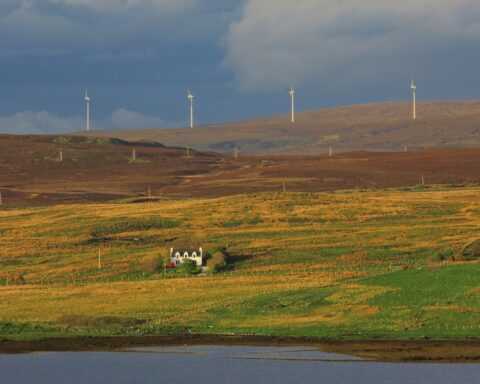
Rather than communities receiving compensation or grants for hosting infrastructure owned elsewhere, CARES is designed to allow local organisations to own or directly benefit from generation and energy assets themselves.
The Scottish Government said it would also refresh guidance for public bodies to encourage them to make public land and buildings available for community renewable projects.
Work is additionally taking place to assess whether solar generation could be installed in underused spaces.
The distinction between hosting and owning renewable energy infrastructure has become increasingly relevant as Scotland expands wind, solar, transmission and other energy projects.
Large developments may generate wider national or commercial value while the communities in which they are situated experience the immediate effects of construction and infrastructure.
Community ownership offers a different model, allowing some of the financial return and reduced energy costs to remain locally.
Its scale remains comparatively modest. The 75MW of capacity supported by CARES is small beside Scotland’s commercial generation fleet.
The programme nevertheless provides a route for community halls, development trusts and other local organisations to reduce their exposure to energy costs and, in some cases, generate income.
The increase to £15m will therefore be most meaningful if it translates into completed projects with durable local ownership, rather than simply a larger pool of applications.