
The first major guidance of its kind in almost two decades follows lessons from the fatal Cameron House Hotel fire.
New guidance has been published on converting Scotland’s traditional buildings after concerns about fire safety, hidden structural features and the challenges of adapting older properties.
The Scottish Government says almost half a million traditional buildings could be covered by the guidance.
The Guide to Conversion of Traditional Buildings deals with fire safety, accessibility and energy efficiency while encouraging the reuse of existing structures rather than their demolition.
It is the first guidance of its kind in almost 20 years.
Its publication forms part of the response to lessons identified following the fatal fire at Cameron House Hotel on Loch Lomond in 2017.
Older buildings can contain features which are poorly documented or invisible during normal occupation, including concealed voids capable of allowing fire and smoke to spread.
Conversions can also introduce new risks when historic structures are altered for uses very different from those for which they were originally built.
Public Finance Minister Hannah Mary Goodlad said the guidance was intended to make sure those undertaking conversions understood such risks while finding ways to preserve historic buildings.
Historic Environment Scotland said adaptation could allow culturally important buildings to remain in use while contributing to regeneration and local economies.
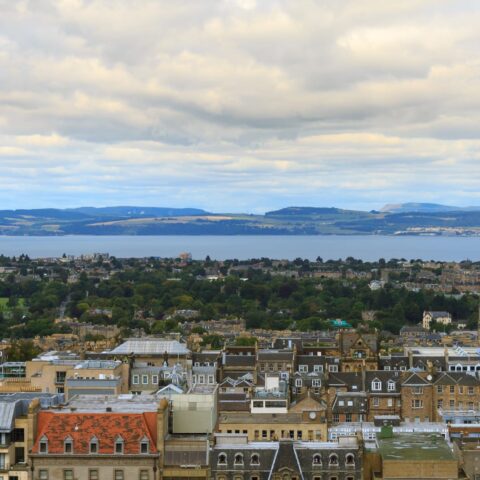
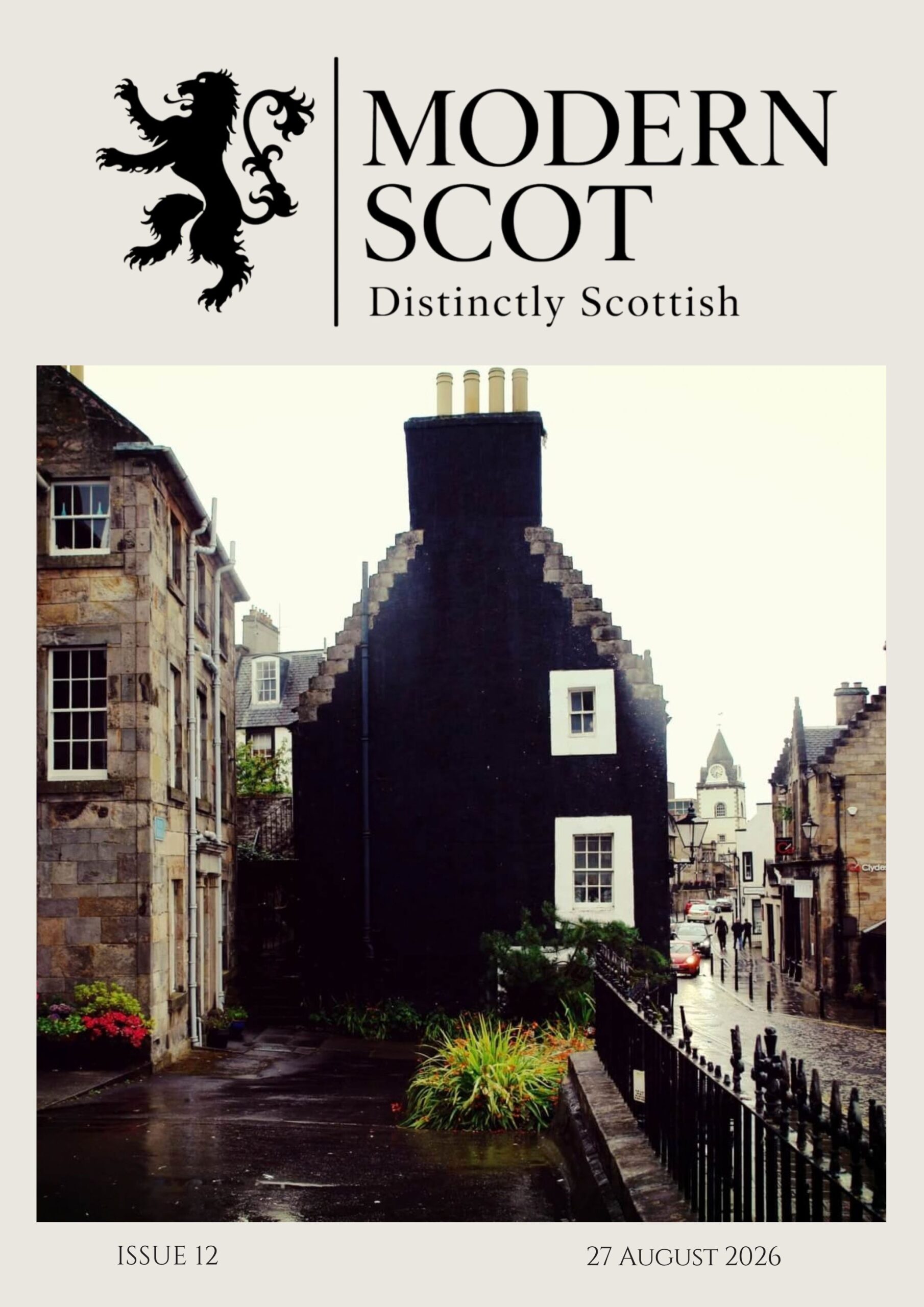
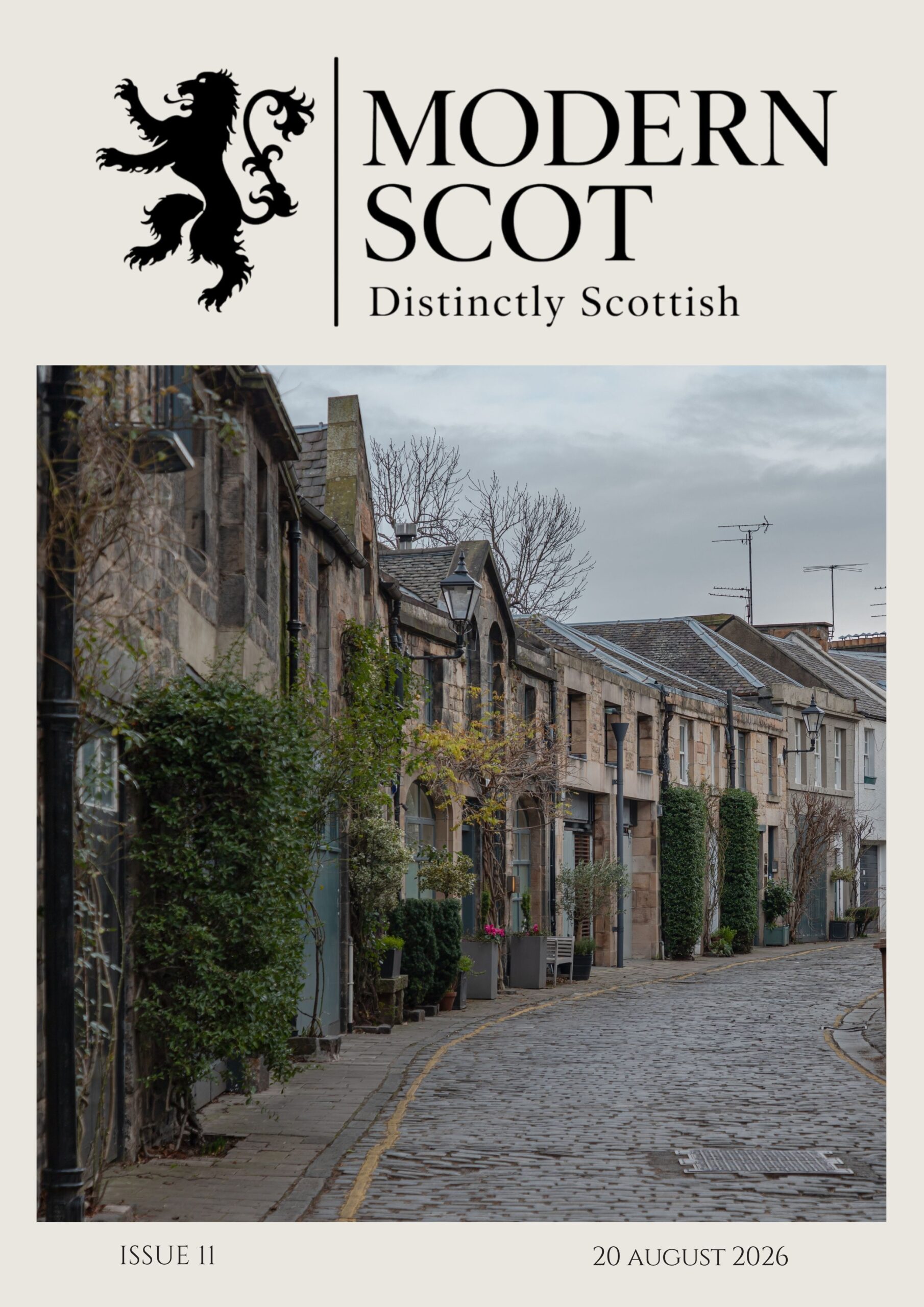
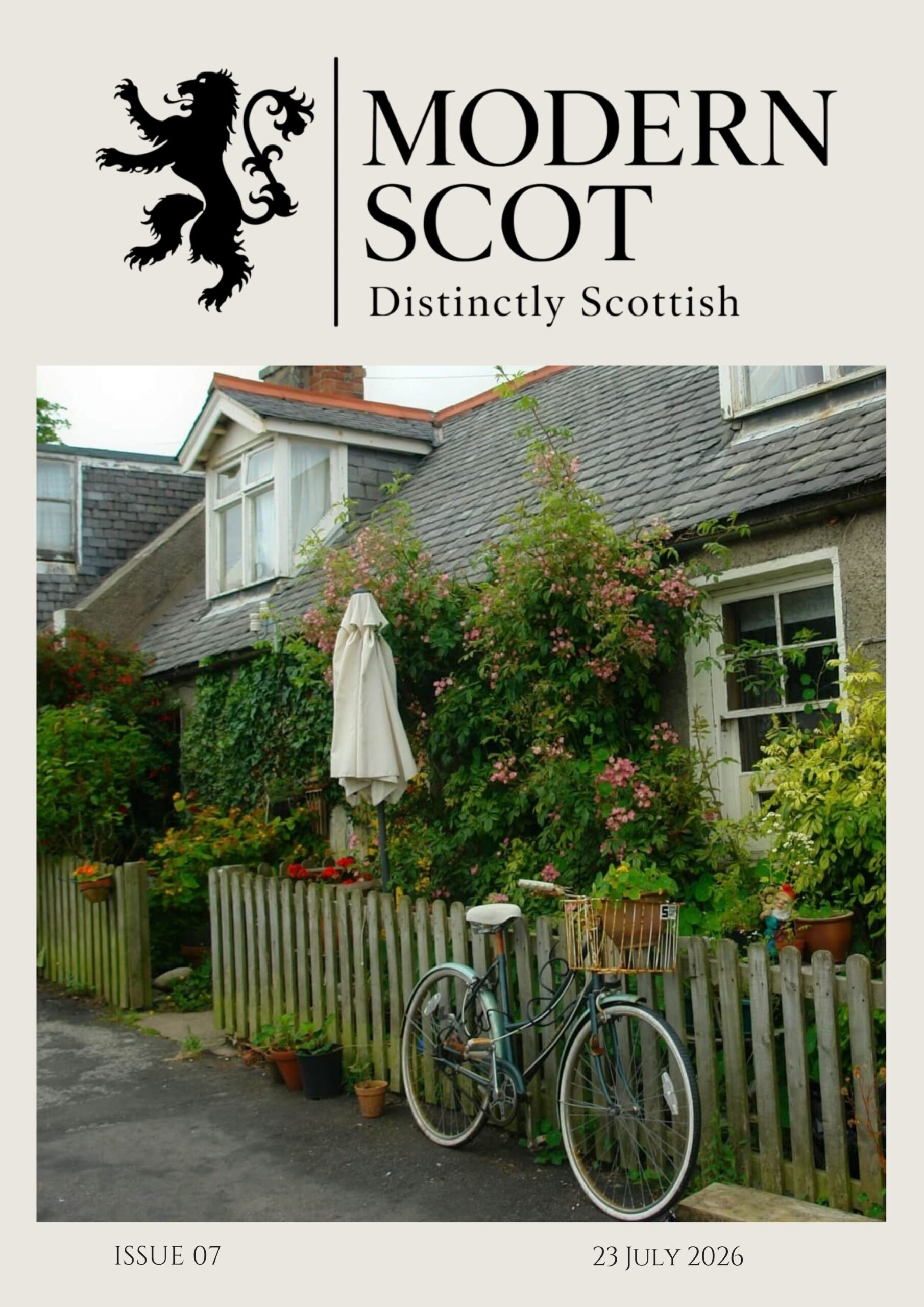
The issue is particularly relevant to Scotland’s towns and cities, where substantial banks, schools, warehouses, churches, offices and houses have survived long after their original purpose has disappeared.
Reuse can provide an alternative to demolition and new construction, but historic buildings can be difficult to reconcile with modern standards for insulation, accessibility and fire protection.
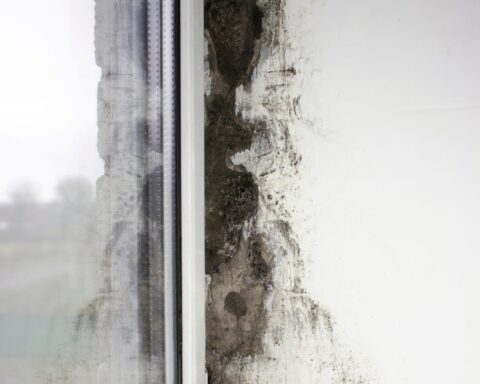
Poorly considered interventions may damage original fabric without necessarily producing an efficient or safe building.
The new guidance seeks to address that tension by encouraging an assessment of the individual structure rather than treating traditional construction as though it were the same as a modern building.
The Scottish Government has also introduced legislation known as Simon and Richard’s Law, named in honour of victims of the Cameron House fire.
Following its passage by Parliament, sprinkler systems became mandatory in traditional buildings newly converted into hotels.
The broader challenge now is implementation.
Guidance can establish better standards and make building owners aware of hidden risks, but much of Scotland’s traditional building stock requires substantial investment simply to remain in good repair.
Preserving the country’s architectural inheritance will depend on whether safe conversion is also financially practical for owners, developers and communities.