
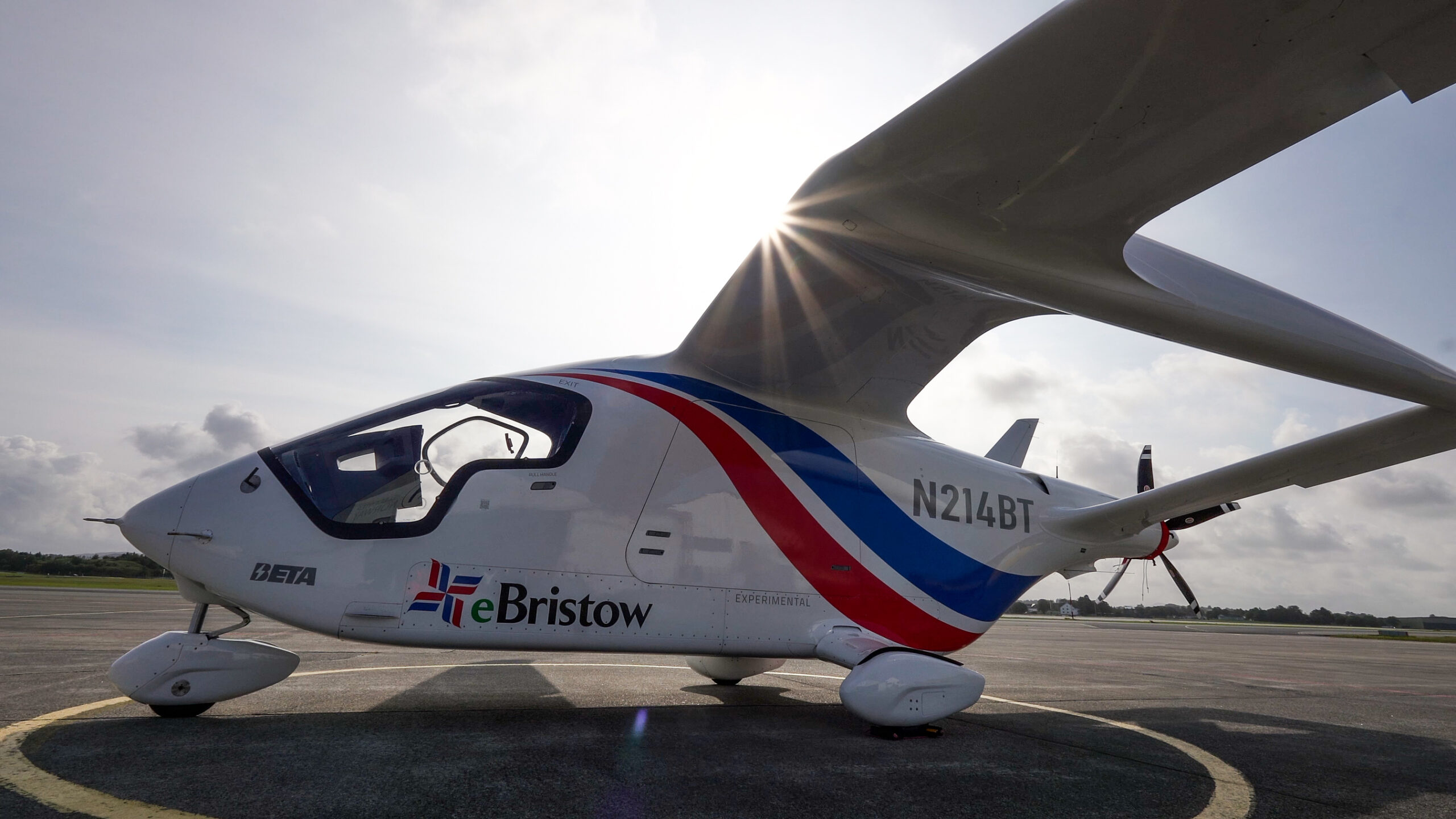
Project SEAN is a three-month government-funded test of electric flying from Inverness Airport. It will examine whether a small battery-powered aircraft, charging equipment and existing airports could eventually support passenger, freight and medical flights across northern Scotland.
A small electric aircraft will spend three months flying between airports in the Highlands and Islands during 2027 as part of a £2.1 million trial funded largely by the UK Government.
The trial is called Project SEAN, an abbreviation of Scottish Electric Aviation Network.
It is not a new airline or a permanent passenger service. Instead, Project SEAN will test whether electric aircraft could eventually become part of Scotland’s regional transport network, particularly on short routes serving remote communities.
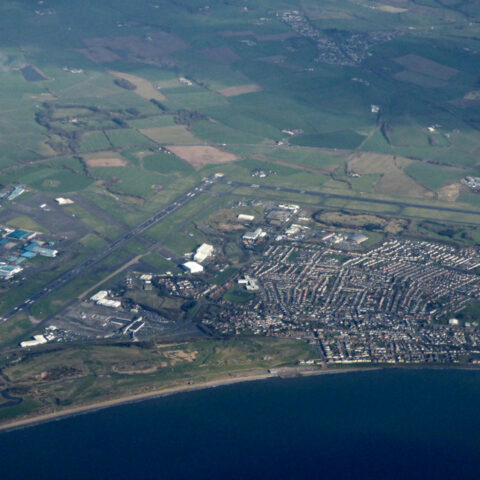
Flights will operate from a base at Inverness Airport and connect with selected Scottish regional airports. Wick John O’Groats Airport is the first destination to have been publicly confirmed.
The project will run for three months in 2027. It will test the aircraft in realistic operating conditions while examining how long it takes to recharge, how much electricity airports would require and whether existing airport facilities are ready for regular electric flights.
The aircraft may be used to simulate passenger, freight and medical-service journeys.
The UK Department for Transport is providing £1,522,896 towards the project’s total cost of £2,125,155. That leaves £602,259 to be provided by the project partners or from other sources.
Bristow Helicopters will lead the consortium carrying out the work. Bristow is an aviation company with extensive experience in helicopter transport, offshore operations and government aviation services.
The other partners are American aircraft manufacturer BETA Technologies, Highlands and Islands Airports Limited, the Highlands and Islands Transport Partnership, Electric Aviation Maven and Skyports Infrastructure.
Highlands and Islands Airports Limited operates Inverness, Wick and nine other airports, including Kirkwall, Stornoway, Sumburgh, Benbecula, Barra, Islay and Tiree. HITRANS is the regional transport partnership covering much of the Highlands and Islands.
Together, the organisations will study the practical elements required to turn an electric aircraft demonstration into a working transport service.
These include identifying suitable routes, assessing passenger and freight demand, planning flights, training pilots, satisfying aviation regulators and determining whether airports have sufficient electricity supplies to recharge aircraft repeatedly.
The programme will use BETA Technologies’ ALIA CX300, a battery-powered aircraft that takes off and lands on an ordinary runway. In principle, it could operate from airports that already serve Highland and island communities.
BETA says the passenger version can carry five passengers. The manufacturer lists a maximum demonstrated range of 336 nautical miles and an optimised charging time of approximately 35 minutes.
Those are manufacturer figures rather than guaranteed results for a scheduled Scottish service.
The usable range of any electric aircraft will depend on the weather, wind, battery temperature, cabin heating, passenger load and the amount of reserve energy required in case the aircraft must divert to another airport.
Charging time will also depend on the equipment and electricity supply available at each location. An airport may be able to recharge one demonstration aircraft without possessing the grid capacity needed to support several commercial flights each day.
This is one reason the project involves more than flying an aircraft from Inverness to Wick.
The ALIA CX300 has already completed demonstration flights across Scotland. During a ten-day programme in March 2026, the aircraft made 23 flights around the UK, including journeys involving Glasgow, Dundee, Aberdeen, Inverness, Wick and Kirkwall.
That earlier programme was conducted with Loganair and Royal Mail. It examined electric aircraft operations on routes used for regional travel and postal deliveries.
Project SEAN must therefore establish more than whether the plane can physically reach a Highland airport. That question has largely been answered.
The new programme is intended to examine whether an electric aircraft can operate repeatedly within a properly planned network and what Scotland would have to build, buy and maintain before regular services could begin.
Loganair is separately preparing for that possibility.
On 20 July 2026, three days before Project SEAN was announced, Loganair said it had signed a term sheet to purchase five ALIA CX300 aircraft, with options for five more.
The airline said it expected the aircraft to support passenger and freight operations from 2029, subject to certification and final commercial arrangements.
Loganair is not listed as a member of the Project SEAN consortium. Project SEAN should not therefore be described as a Loganair project or as the formal introduction of electric aircraft into Loganair’s fleet.
The two developments are nevertheless connected. They involve the same aircraft, many of the same airports and the same central question: whether electric flying can work economically on Scotland’s short regional routes.
Loganair says most of its regional flights are shorter than 100 miles, placing many within the intended operating range of the CX300.
The airline also says the aircraft could be recharged in 20 to 40 minutes using BETA’s fast-charging system.
Loganair chief executive Luke Farajallah has claimed that the aircraft showed the potential to reduce operating costs by as much as 80 per cent.
That is an airline claim, not a finding produced by Project SEAN. The trial has not yet begun and cannot have produced conclusions about costs, charging performance or commercial viability.
The published material does not provide a detailed independent calculation supporting the 80 per cent figure.
It is therefore unclear whether it covers only electricity and direct aircraft maintenance or also includes the full cost of buying or leasing aircraft, installing chargers, strengthening electricity connections, replacing batteries, training staff and maintaining reserve aircraft when an electric plane is unavailable.
Sources
UK Department for Transport — Zero Emission Flight Demonstrator Competition: Round One Successful Projects
https://www.gov.uk/government/publications/zero-emission-flight-demonstrator-competition-successful-projects/zero-emission-flight-demonstrator-competition-round-1-successful-projects
Bristow Group — Consortium Launches Project SEAN To Advance Electric Aviation Across Scotland’s Highlands And Islands
https://www.bristowgroup.com/news-media/press-releases/detail/604/consortium-launches-project-sean-to-advance-electric
Highlands And Islands Airports Limited — Consortium Launches Project SEAN
https://www.hial.co.uk/news/article/264/consortium-launches-project-sean-to-advance-electric-aviation-across-scotland-s-highlands-and-islands
Loganair — Loganair Adds BETA Technologies ALIA CTOL Aircraft To Its Fleet
https://www.loganair.co.uk/news/loganair-adds-beta-technologies-alia-ctol-aircraft-to-its-fleet-following-successful-demonstrations-in-united-kingdom/
BETA Technologies — ALIA Aircraft Specifications
https://beta.team/aircraft
BETA Technologies — Charge Cube
https://beta.team/charge-cube