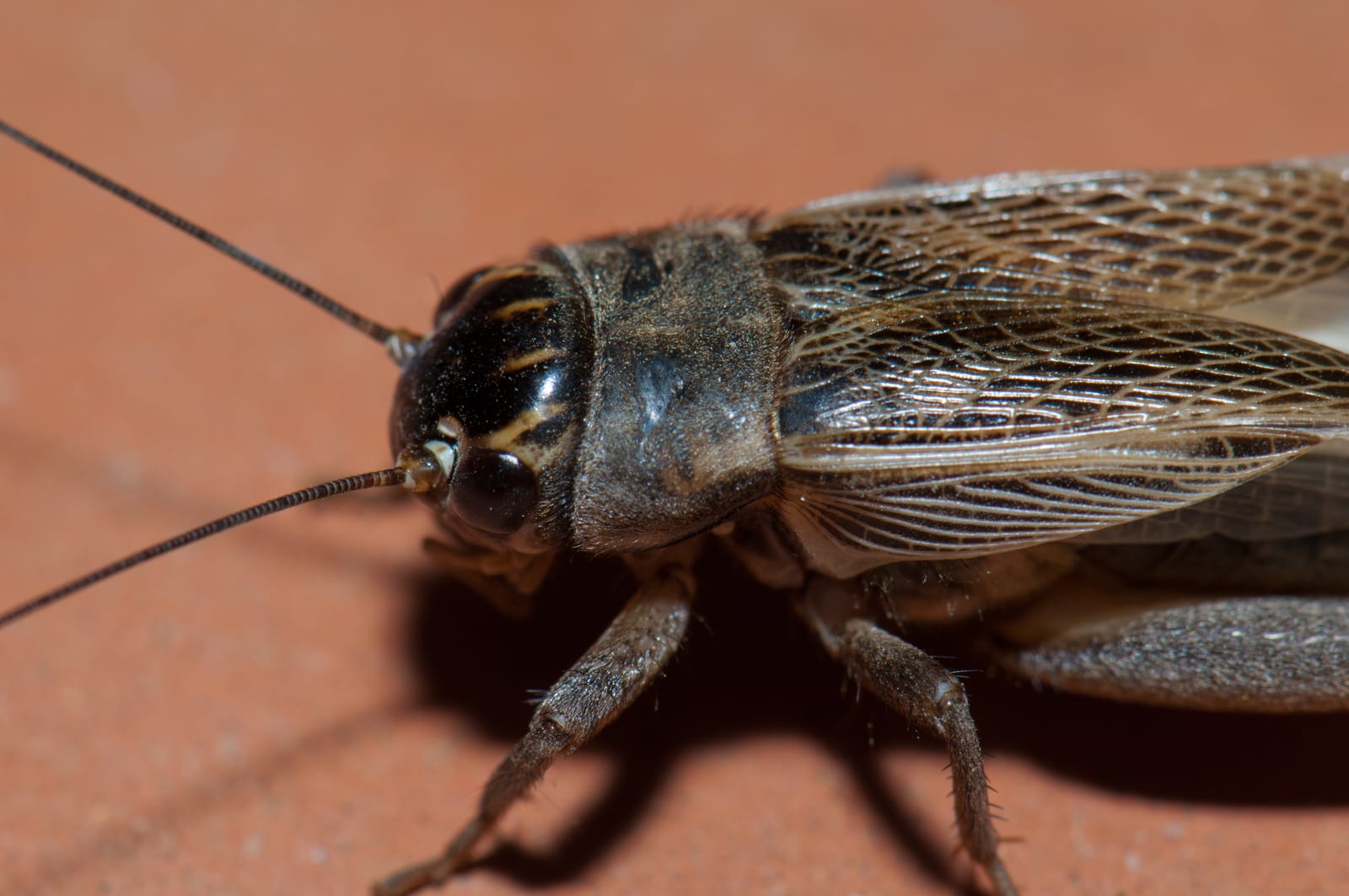
An Edinburgh food business has secured £160,000 in social investment to expand locally produced cricket-protein powder, with a commercial launch planned for early 2027.
The Insect Café, founded by ecologist Nahla Mahmoud, received the funding through Firstport’s Catalyst Fund. The investment is intended to help the business bring farming, processing and distribution in-house and scale a product marketed as Nahla’s Insect Nutrition.
The company began selling baked goods containing cricket flour at Edinburgh markets in 2023 before developing the protein-powder concept. Mahmoud has a background in zoology, insect husbandry and applied research. Firstport says her plans involve growing and processing crickets in Scotland rather than relying entirely on imported protein ingredients.
The funding is not described as an ordinary grant. The Catalyst Fund uses a revenue-based financing arrangement in which repayment is linked to business performance. This may offer flexibility to a growing food producer, but it still represents finance that must be assessed separately from the company’s future sales and operating costs.
The business argues that insect protein could diversify food production and reduce some of the environmental burdens associated with conventional animal protein. Those claims are commercially relevant but cannot be taken as universal facts. Environmental outcomes depend on inputs including feed, energy used for climate control, processing, transport and the comparison product. The announcement does not provide a independently reviewed life-cycle assessment for the proposed Scottish operation.
There is also a distinct regulatory issue. Food Standards Scotland treats edible insects as novel foods. Its current guidance says transitional market access in Great Britain is limited to specified insect species for which valid applications were submitted by the end of 2023, subject to the applicable conditions. House crickets and banded crickets are among the species listed; an insect being edible in another country does not automatically authorise every new product for sale in Scotland.
The announcement does not identify the precise cricket species in the powder or provide the product’s regulatory authorisation details. Compliance, allergen information and labelling will therefore require confirmation before conclusions can be drawn about a specific product’s market status. Protein claims should also be considered in the context of a normal diet rather than assuming that one ingredient is necessary for good nutrition.
Firstport says the first batch of the proposed powder is scheduled for early 2027. For now, the verified development is the financing and production plan, not an established large-scale manufacturing output or a confirmed environmental saving.
Sources
Edinburgh Foodtech Start-Up Secures £160,000 Investment to Bring Locally Produced Insect Protein Powder to Market — Firstport, 4 November 2026. https://www.firstport.org.uk/news/edinburgh-foodtech-start-up-secures-160000-investment-to-bring-locally-produced-insect-protein-powder-to-market/
Edible Insects Guidance — Food Standards Scotland, Accessed 4 November 2026. https://www.foodstandards.gov.scot/business-guidance/running-a-food-business/regulation-and-legislation/regulated-products-and-processes/edible-insects-guidance