
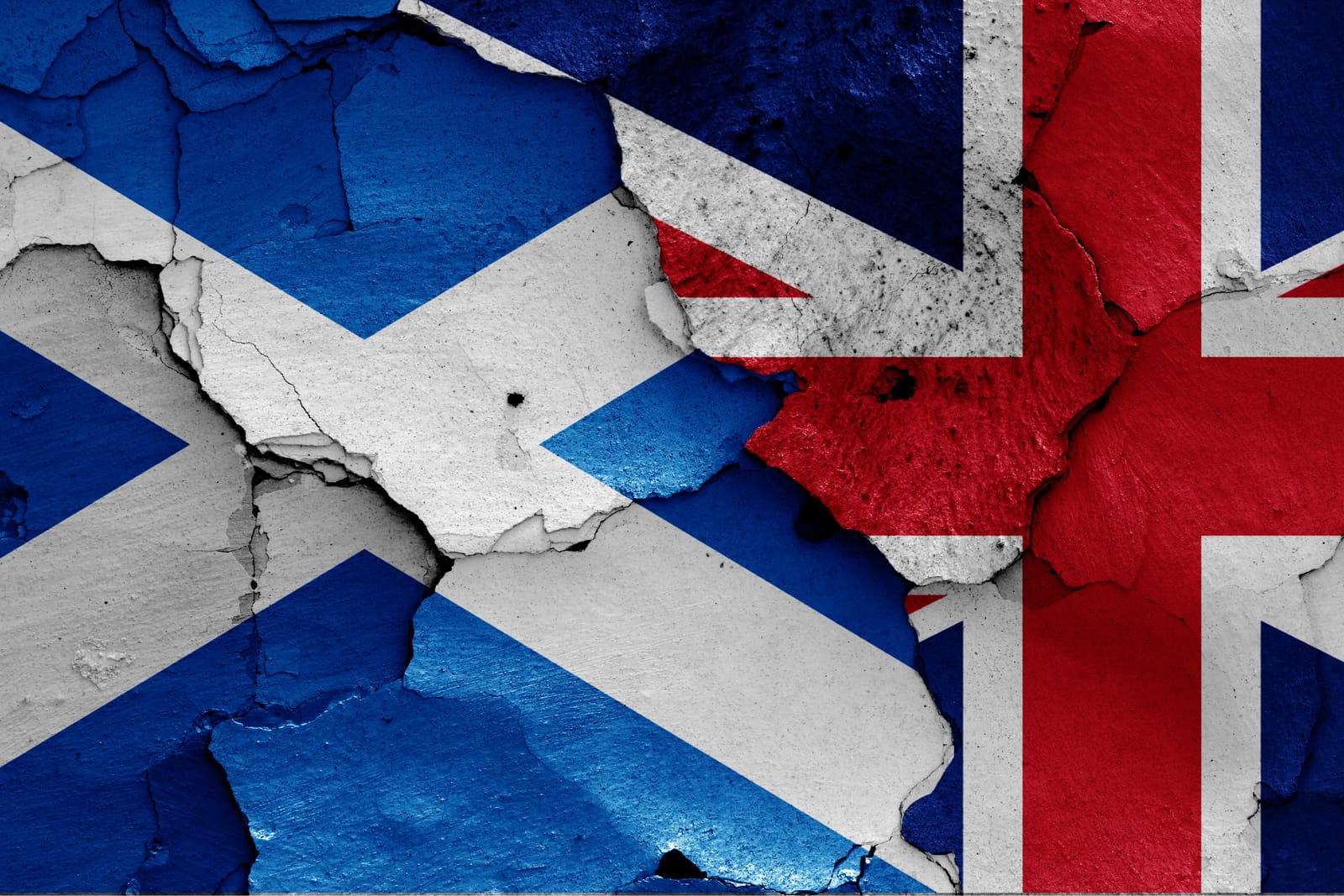
The new Prime Minister promised deeper devolution and more pragmatic relations with Holyrood, but made clear that his government was not preparing to transfer the power required for another independence vote.
The language of co-operation lasted three paragraphs. By the fourth, the boundary was clear.
Andy Burnham used his first telephone conversation with First Minister John Swinney to promise a more collaborative relationship between Westminster and the devolved governments. Downing Street said the new Prime Minister wanted to find common ground, deepen devolution and concentrate on practical measures intended to reduce household costs. It then added that Burnham was focused on practical policies rather than “constitutional changes like further referendums”.
The wording amounts to a refusal, although it stops short of a formal declaration that a Scottish referendum will never be permitted during Burnham’s premiership. It leaves no realistic prospect of an early agreement to transfer the necessary power to Holyrood.
Downing Street published one combined account covering Burnham’s calls with the leaders of Scotland, Wales and Northern Ireland. It did not provide a transcript, attribute every part of the conversation to a particular call or report what Swinney said in response. The reference to further referendums was therefore presented as a general statement of the Prime Minister’s priorities rather than a direct quotation addressed only to Scotland. Its meaning for the Scottish Government is nevertheless difficult to mistake.
Burnham became Prime Minister on 20 July after replacing Keir Starmer as Labour leader and entering Downing Street with promises of political stability, council housebuilding, action on rough sleeping and help with living costs. He also holds the title of Minister for the Union, giving his early approach to Scotland greater constitutional weight than an ordinary statement of government priorities.
His refusal continues the central position maintained by successive Conservative and Labour governments: the Scottish Parliament cannot be allowed to decide for itself when another independence referendum should take place.
That position now carries a clear legal effect. The UK Supreme Court ruled unanimously in November 2022 that Holyrood does not have the power to legislate unilaterally for an independence referendum because the Union and the sovereignty of the UK Parliament are reserved matters. Under the current settlement, a lawful referendum would require either UK legislation or a Section 30 order temporarily expanding the Scottish Parliament’s authority.
A Section 30 order was used before the 2014 referendum. It would require agreement between the governments and approval from the House of Commons, House of Lords and Scottish Parliament. Burnham cannot grant a referendum through a telephone call, but his government’s participation is indispensable. Without it, the legal route used in 2014 remains closed.
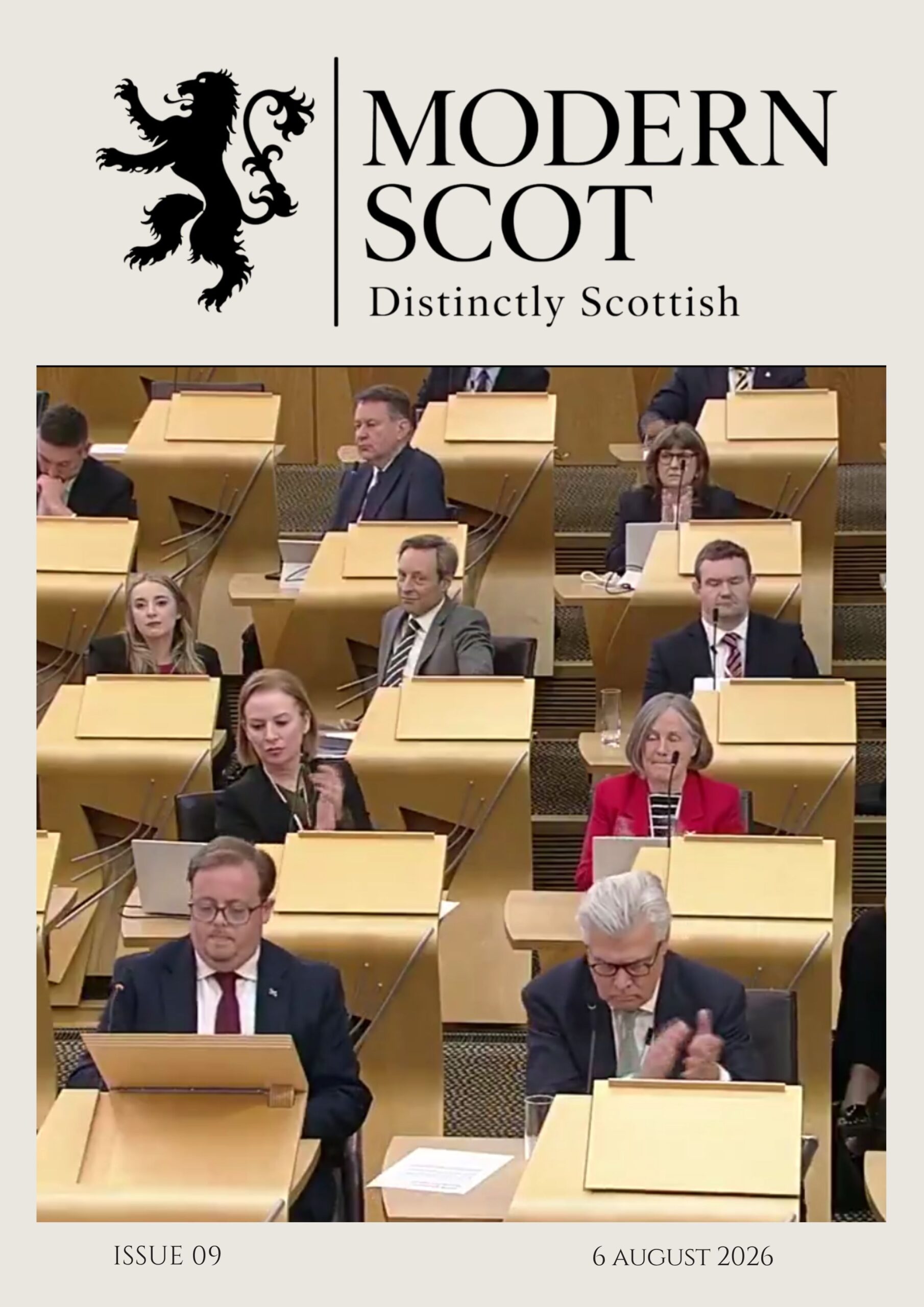
The timing of his intervention is politically important. The May 2026 Holyrood election returned 58 SNP MSPs and 15 Scottish Greens, producing what the Scottish Government describes as the largest pro-independence majority elected to the Parliament. Neither party holds an overall majority alone, but together they occupy 73 of the Parliament’s 129 seats.
On 26 May, MSPs voted by 72 to 55 for a motion calling on the UK Government to make a Section 30 order and transfer referendum powers. The motion also acknowledged that no single party controlled Holyrood and argued that the Scottish Government should use its existing devolved powers more effectively. Burnham’s first conversation with Swinney therefore came less than two months after Scotland’s Parliament formally renewed its request.
The disagreement also exposes the limit within Burnham’s language of deeper devolution. Powers over transport, economic development, public services or local government may be extended while Westminster continues to reserve the authority to decide whether Scotland can vote on leaving the United Kingdom. Burnham’s position offers greater administrative autonomy while keeping the constitutional boundary under UK control.
It is likely to shape relations between the two governments. Burnham has presented himself as an advocate of decentralisation, drawing heavily on his experience as mayor of Greater Manchester and promising to move decision-making away from Whitehall. Scotland, however, is not an English city region. Holyrood already has a national legislature, a separate legal system and a government elected on a programme that includes another independence vote.