
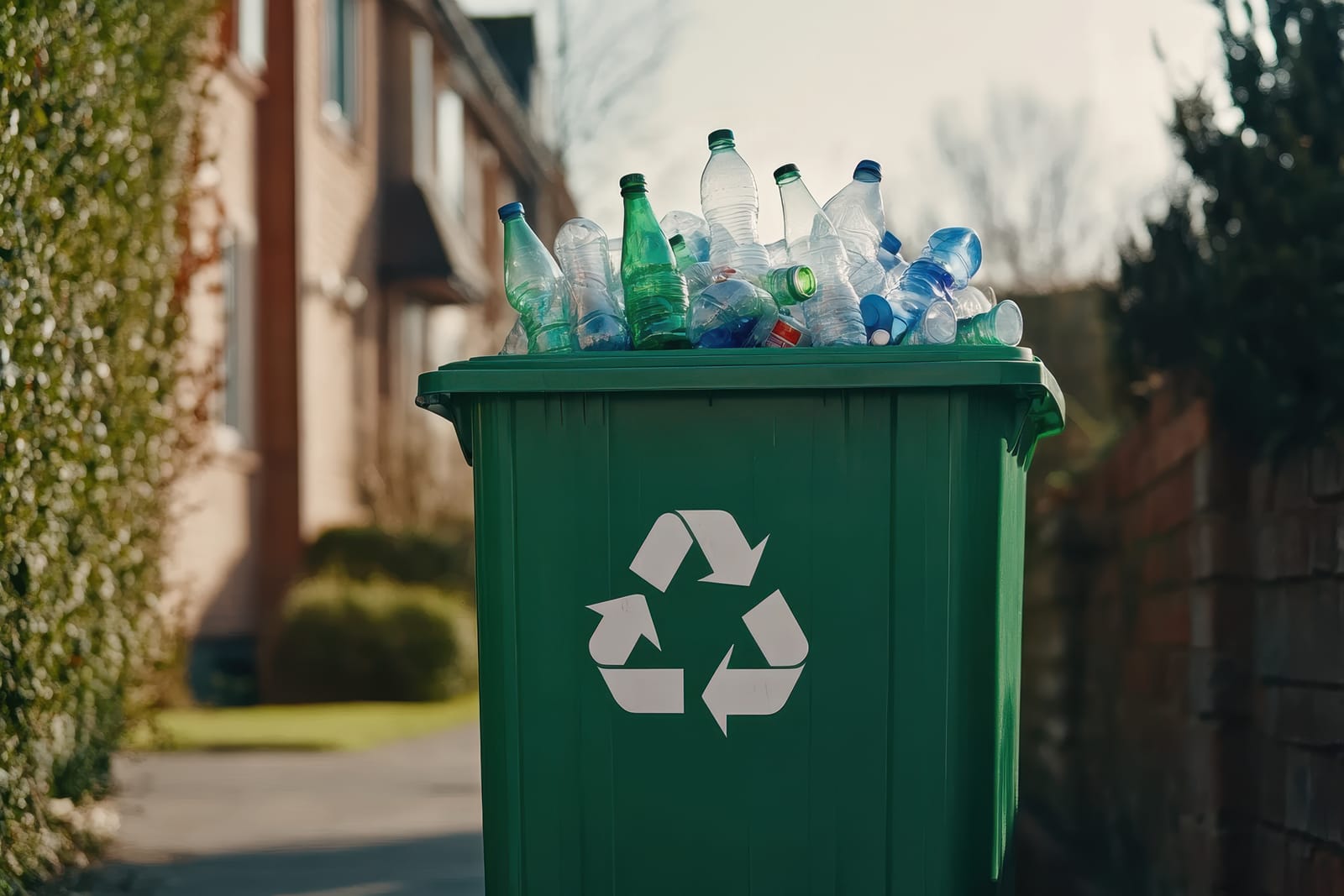
A Forfar pilot described by Angus Council as the first of its kind in Scotland will be rolled out to other Angus recycling centres after diverting 7.74 tonnes of recyclable material from non recyclable waste.
A recycling project at Forfar Recycling Centre has put Angus at the front of a Scottish test in waste reform, after a five month pilot showed that more recyclable material could be recovered when residents were given direct help at the point of disposal.
Angus Council said the project, launched in November 2025 with support from Zero Waste Scotland, was the first of its kind in Scotland. It used an on site sorting station where visitors were helped to separate recyclable items from waste that might otherwise have gone into non recyclable skips.
The council will now keep the sorting station at Forfar and extend the approach to Montrose, Brechin, Carnoustie and Arbroath recycling centres over the next year. Montrose will be the first site in the wider rollout.
The project is not a new form of recycling collection. Its difference lies in the point of intervention. Instead of relying entirely on residents to sort everything correctly before arrival, the Forfar trial placed a sorting station inside the recycling centre, with staff available to help visitors identify recyclable items before they were lost into the wrong waste stream.
Over the five month trial, 7.74 tonnes of recyclable material were diverted from the non recyclable waste skip. Angus Council said the centre’s recycling rate improved by 6.77 percent compared with the same period over the previous two years.
The council also reported a sharper change inside the non recyclable skips themselves. Waste composition analysis carried out in March 2026 found that the amount of recyclable material still present in those skips had fallen by more than half compared with previous analysis from 2022 and 2023.
That is the central significance of the trial. It suggests that recycling performance can be improved not only by telling residents what to do, but by changing what happens at the moment they dispose of waste.
Angus Council said one reason for launching the initiative was evidence that nearly half of the contents of black bags taken to recycling centres in Angus could have been recycled. That finding points to a common weakness in waste systems. Some material is treated as non recyclable not because it cannot be recycled, but because it has been placed in the wrong stream.
For councils, that has a financial consequence as well as an environmental one. Councillor Tommy Stewart, convenor of communities, said it costs Angus Council more to dispose of non recyclable waste than it does to have recyclable materials sorted. The higher disposal cost, he said, diverts money away from other services across local communities.
The pilot also appears to have influenced behaviour before visitors reached the skip. Site staff reported that customers became more likely to arrive with waste already sorted. Visitors also told the council they had developed a better understanding of what could be recycled at Forfar Recycling Centre.
That behavioural change will be important as the scheme expands. A staffed sorting station can correct mistakes on site, but the larger gain comes if residents begin sorting more carefully before they arrive. If that happens, the project becomes less about managing confusion and more about changing routine.
There is also a safety element. During the Forfar pilot, nearly one tonne of electrical equipment, batteries and vapes was diverted to recycling. Councillor Stewart said this helped reduce the fire risk caused when batteries are placed in bins and skips, where they can endanger collection crews and staff working at waste plants.
The council said 80 percent of surveyed site visitors reported disposing of batteries properly. Councillor Stewart thanked Angus residents for their help and said every battery taken to a recycling centre or supermarket recycling point helped reduce risk.
The rollout will now test whether the Forfar results can be repeated across different Angus communities. Each participating centre will receive a sorting station, with an additional member of staff on site for a period to help visitors sort their waste and understand the change.
The next phase will also test the limits of the model. Angus Council’s announcement does not set out the longer term staffing arrangements, the full cost of the rollout, or the level of savings expected from reducing non recyclable waste. Nor does it state what improvement would be considered successful at each of the other centres.
Those questions matter because a pilot can benefit from extra attention, fresh signage and temporary support. The more important test is whether the same results can be sustained once the system becomes part of ordinary recycling centre use.
Even so, the Forfar trial gives the council a clear basis for expansion. It produced measurable waste diversion, improved the recycling rate, reduced recyclable material in non recyclable skips, and helped remove batteries, vapes and electrical equipment from waste streams where they can create safety risks.
For residents, the change will be practical. At Montrose, and later at Brechin, Carnoustie and Arbroath, visitors should expect more direct guidance on separating recyclable material before using the skips.