
 Forestry and Land Scotland and the Royal Botanic Garden Edinburgh have planted 250 oblong woodsia ferns on a Highland scree slope. The work is small in scale, but it carries a larger lesson about fashion, loss, science and Scotland’s duty to repair its own living inheritance.
On a stony slope above Glen Affric, a small fern has been given another chance.
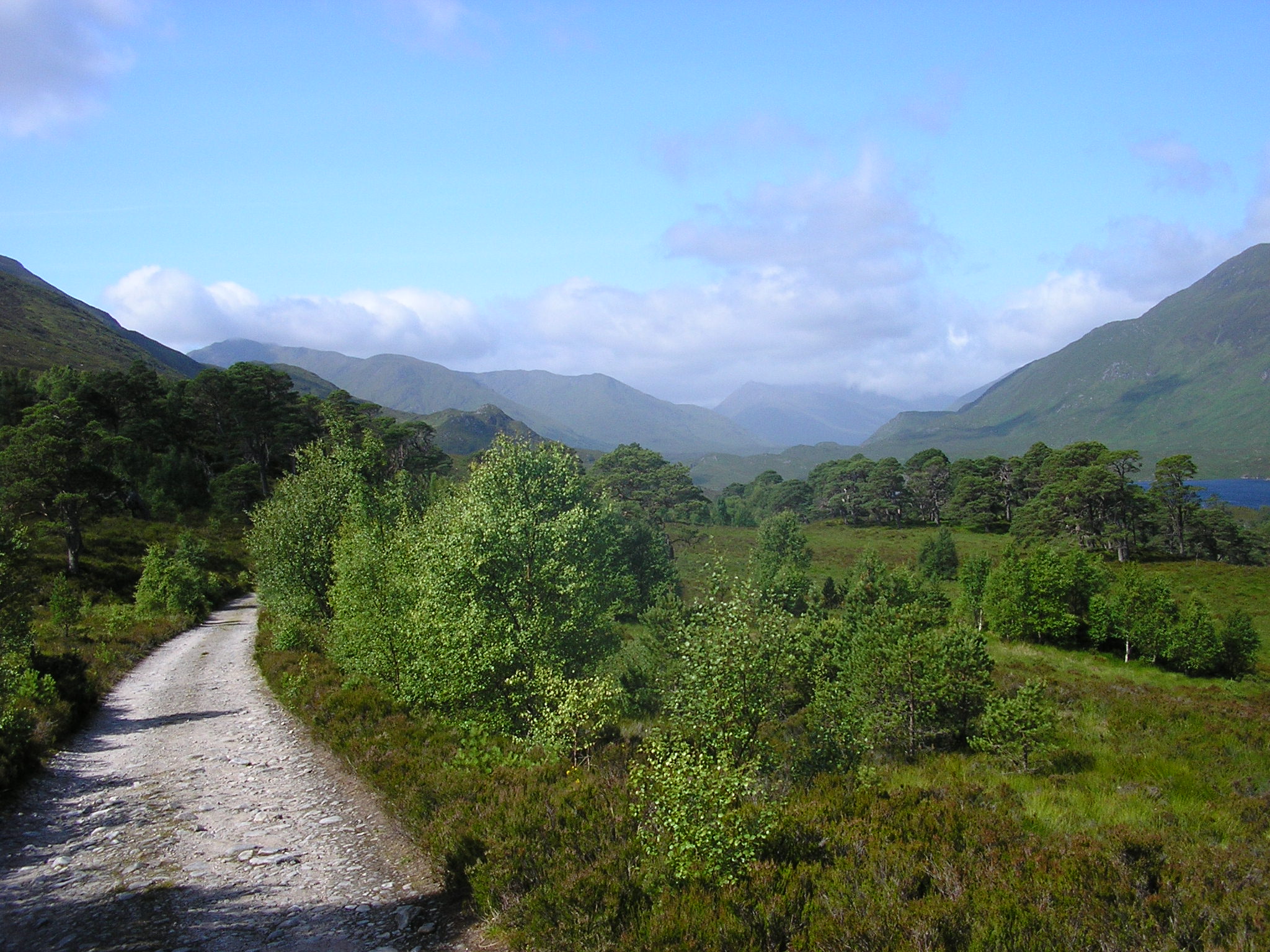
Forestry and Land Scotland and the Royal Botanic Garden Edinburgh have translocated and planted 250 oblong woodsia ferns, Woodsia ilvensis, on a hillside in the glen. The planting took place on a scree slope at around 650 metres, as part of the Scottish Plant Recovery Project, a science led programme working to increase the numbers and distribution of threatened native plants.
The species is described by the Royal Botanic Garden Edinburgh as one of the plants in its Scottish Plant Recovery programme. RBGE says oblong woodsia has never been common in Britain, but was over collected during the Victorian fern craze, leaving only around 200 clumps across five UK populations, three of them in Scotland. It also notes that only one population reproduces and that genetic diversity is low compared with larger populations in continental Europe.
That is the plain science. The history is stranger, and rather more revealing.
In the nineteenth century, ferns became fashionable. The craze was known as pteridomania, and it spread through Victorian Britain with the peculiar enthusiasm to collect, display nature in the parlour. Ferns appeared in gardens, glass cases, ferneries, books, decorative objects and domestic interiors. For some common species, the fashion was harmless enough. For rare mountain plants with small and vulnerable populations, it was not.
RBGE has written that oblong woodsia was virtually wiped out in the Moffat Hills by commercial collectors responding to the Victorian fern craze, which began in the late 1840s, and that botanists collecting for scientific purposes added to the pressure on the species.
That matters because this is not a story of nature failing by accident. It is a story of human appetite, first aesthetic and then scientific, pressing too hard on a plant that had little room for error. The result is still visible more than a century later. Nature has a long memory, especially when the damage is done to something already rare.
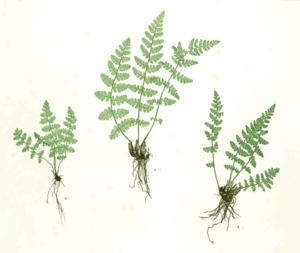
Oblong woodsia is a small mountain fern. The Botanical Society of Britain and Ireland describes it as a diminutive, semi evergreen fern of horizontal cracks and fissures in cliffs and crags, typically on more acidic rocks. NatureScot says it suffered from over collecting and that its tiny, isolated populations are now vulnerable and dwindling.
This is why the planting in Glen Affric should not be dismissed as a charming botanical footnote. It is part of a serious conservation question. Can Scotland rebuild populations of native species that have been pushed close to disappearance, not by one disaster, but by a combination of collecting, isolation, habitat pressure and environmental change?
The answer is not yet known. That uncertainty is part of the story.
RBGE’s Scottish Native Plant Conservation Horticulturist, Erin O’Hare, said the fern is so fragile in nature that finding the right place to plant it is challenging. The project selected nine sites for their scree habitat and for variation in humidity, altitude, aspect and base rock. She also noted that the preferred growing conditions of many endangered rare plants are still debated, meaning the plantings are also a trial of the fern’s environmental requirements.
In other words, this is restoration, but it is also research. The ferns are not simply being put back into the landscape. They are being tested against place, weather, rock, exposure and time. The project will have to learn which conditions allow them to establish, and whether they can do more than survive. The real test is whether they eventually reproduce and form a self sustaining population.
A 2003 paper published through the Royal Botanic Garden Edinburgh noted that a translocation experiment for Woodsia ilvensis had brought together scientists and horticulturists, and warned that high losses of transplants are to be expected. It also said translocation programmes may need to be multi phased in order to build wild populations gradually.
So the Glen Affric planting should be reported with hope, but not triumph. Conservation is often slow, and the language around it should be honest. Planting 250 ferns does not, by itself, save the species. It creates a chance.
Glen Affric is an appropriate place for that chance. It is one of Scotland’s great conservation landscapes, known for ancient Caledonian pinewood, lochs, mountains and long running restoration work. NatureScot lists Glen Affric National Nature Reserve as one of Scotland’s largest remaining ancient pinewoods. Forestry and Land Scotland says its work there is expanding beyond woodland and up to mountain habitats, where some of Scotland’s rarest plants are found.
The fern planting also sits within a wider pattern of restoration in the glen. Forestry and Land Scotland has said Glen Affric has been selected for several Scottish Plant Recovery Project species, including potentially resistant wych elm around the old Ent of Affric and wild apple. FLS has also described recent work in the glen including restoring peatland, expanding native woodland, translocating beavers to Loch Beinn a’ Mheadhoin and supporting RBGE by planting wych elm, wild apple and oblong woodsia.
That wider context is important. Scotland’s environmental future will not be secured only by dramatic species reintroductions or large landscape projects. It will also depend on the patient repair of smaller living threads: trees, ferns, mosses, lichens, fungi, insects and the habitats that allow them to persist. Some of the most important work is quiet, technical and easy to miss.
The oblong woodsia is a good emblem for that kind of work precisely because it is not a grand animal. It has no antlers, no talons, no public relations department. It does not draw crowds to a viewing hide. It asks for a suitable crevice, a tolerable climate and relief from the consequences of human enthusiasm.
A country’s natural inheritance is not made only of the species that appear on postcards. It is made of the small and difficult forms of life that belong to particular rocks, slopes, woods, burns and weather. When one of those species is reduced to a few isolated clumps, the loss is not only botanical, it is cultural.
There is also a useful moral in the Victorian history. Scotland often speaks, rightly, about the damage done by industrial extraction, overgrazing, drainage, pollution and development. But the story of oblong woodsia shows that harm can also come dressed as admiration. The fern was prized. It was wanted. It was collected. That affection became destructive when it lost proportion. Modern conservation has to be wiser than that. It must love Scotland without consuming it.