
Dumfries and Galloway has secured £344,000 for a summer programme of free sport and physical activity for children and young people across the region. The funding will support activities for ages three to 26, with organisers aiming to reduce the cost, transport and access barriers that can keep young people away from sport in rural communities.
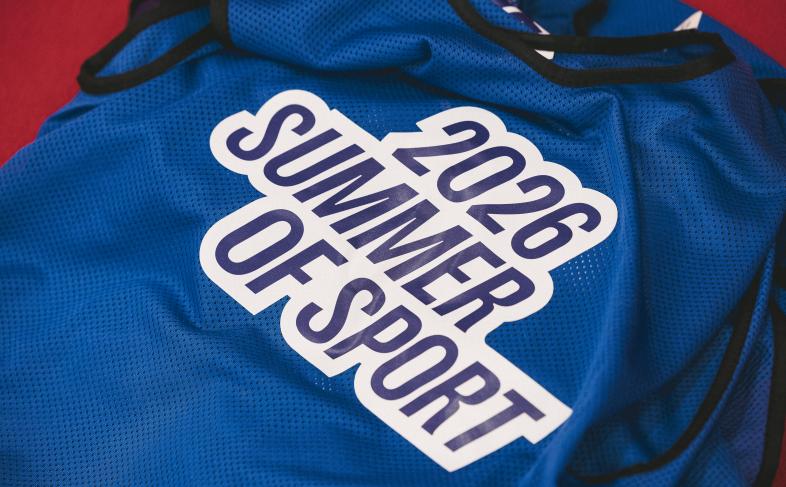
Dumfries and Galloway will receive £344,000 from the Scottish Government’s Summer of Sport initiative to deliver free sport and physical activity opportunities for children and young people across the region.
The programme will be delivered by Dumfries and Galloway Council’s Active Schools and Community Sport team in partnership with sportscotland. It forms part of a national Summer of Sport programme linked to a wider Scottish Government investment intended to use the 2026 FIFA World Cup and Glasgow 2026 Commonwealth Games to encourage more young people to take part in sport and physical activity.
The national programme is aimed at young people aged three to 26. In Dumfries and Galloway, the local plan includes free access to leisure facilities, support for disability sport, investment in secondary schools to help with transport barriers, additional temporary Active Schools roles, support for community clubs and organisations, and leadership routes such as sports academies.
The local detail is important in a region where distance can make participation harder. Dumfries and Galloway covers a large rural area, with towns and villages spread across Annandale and Eskdale, Nithsdale, Stewartry and Wigtownshire. A free activity in a leisure centre may still be out of reach if a young person has no affordable way to get there. Transport, timing, family income and confidence all shape who turns up.
Sportscotland’s own equality research notes that people affected by poverty and low income face significant barriers to taking part in sport, including membership costs, equipment, activity fees, access to safe places, health concerns and the wider strain of the cost of living. For families under pressure, children’s sport can become one of the first things cut back, even when parents understand its value.
A 2025 study on the cost-of-living crisis and children’s sport in the UK found that more than a third of parents and guardians surveyed had reduced spending on sport and physical activity for their children since the crisis began. It also reported that the burden fell unevenly, with cost pressures affecting some families more sharply than others.
Dumfries and Galloway has already identified inactivity as a local concern. Its Physical Activity Strategy 2025 to 2030 states that more than a third of adults and half of school-aged children in the region do not do as much physical activity as recommended. The strategy also links physical activity to mental wellbeing, social connection, prevention of ill health and community resilience.
The region has a history of trying to build activity through local projects rather than relying only on formal sport. A 2017 review of physical activity promotion in Dumfries and Galloway looked at 52 projects across the area and reported around 700,000 recorded engagements with physical activity projects at a total cost of £2.1 million. The review also recommended better monitoring to understand the spread of provision across the whole region.
The new summer programme appears to follow that practical local pattern. It is not limited to one sport or one venue. The funding is intended to work through schools, leisure facilities, local clubs and community organisations, with a particular focus on young people who may face barriers to participation. The reference to care-experienced young people is especially significant, as those children and young adults can face disruption, instability and lower access to ordinary opportunities that others take for granted.