
Logie Timber, based near Forres, has secured support from Highlands and Islands Enterprise for a £71,000 solar project intended to reduce electricity costs and carbon emissions at its Dunphail sawmill.
A Moray timber company is to install solar panels on its sawmill building in a move intended to lower energy costs and reduce the carbon emissions linked to processing Scottish wood. Logie Timber, based on Logie Estate near Forres, has secured up to £30,000 from Highlands and Islands Enterprise towards the cost of buying and installing solar photovoltaic panels at its sawmill in Dunphail. The total project cost is £71,000.
The company said the investment would reduce its reliance on grid electricity and help cut both energy costs and emissions.
The project is a modest intervention in financial terms, but it reflects a practical pressure facing small manufacturers across rural Scotland. Timber firms do not depend only on access to wood. They also depend on the cost of cutting, drying, moving and preparing it for use.
Logie Timber was established in 2018 and is a full circle timber business supplying native Scottish hardwoods and softwoods to the construction, furniture and hobby markets. The company is a supplier of Scottish timber for uses including cladding, decking, furniture and building work.
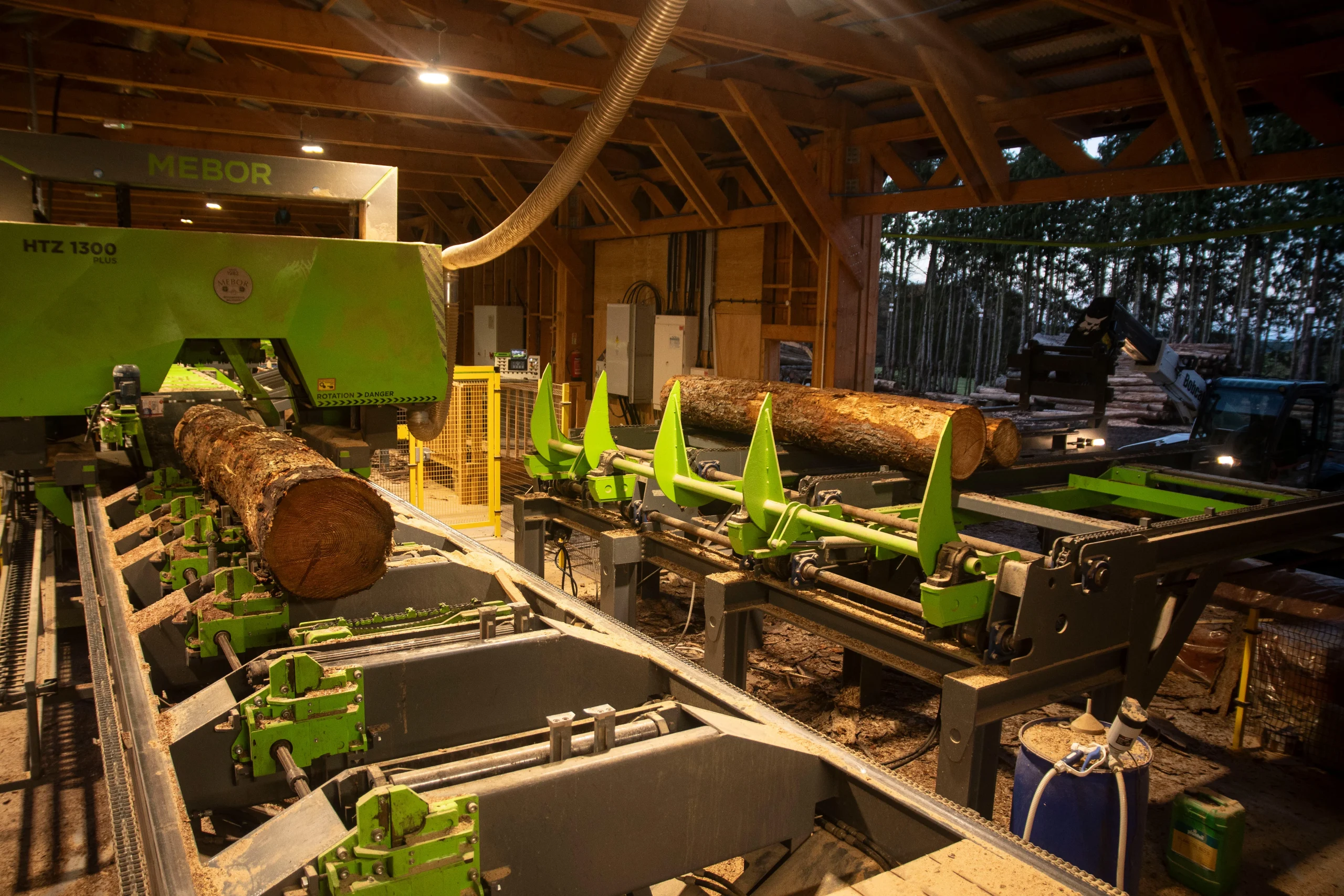
For a sawmill, electricity is part of the cost of production. Machinery, processing, drying and workshop operations all make energy prices a direct business concern. By placing solar panels on the sawmill building, Logie Timber is trying to reduce one of the operating costs that sits behind the finished boards, beams and other timber products it sells.
Alec Laing, the company’s owner and director, said the HIE support had allowed the business to invest in reducing its reliance on imported grid electricity and to take another step towards cutting both energy costs and carbon emissions.
Highlands and Islands Enterprise framed the investment as part of a wider regional economy. Steve Richards, senior development manager with HIE’s Moray team, said timber and forestry were important contributors to the area and provided rural employment. He said Logie Timber was strengthening its resilience by reducing energy costs and contributing to wider carbon neutral ambitions in the region.
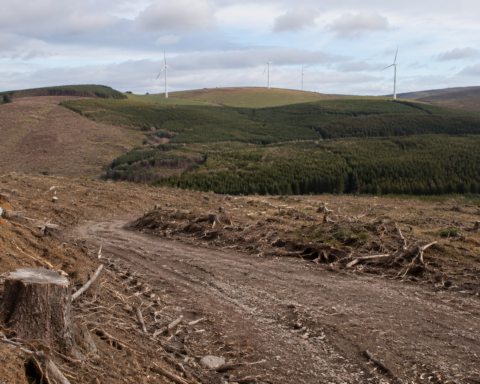
The company’s location is also relevant. Logie Estate sits in an area where forestry, estate management, small scale manufacturing, craft production and construction supply are closely connected. A sawmill in that setting helps turn timber into usable material nearer to where it is grown and worked. That is the practical part of the Scottish timber economy that is often less visible than the debate over planting targets and land use. Before timber can appear in a building, workshop or garden project, it has to pass through businesses that can process it reliably. Those businesses face the same pressures as other manufacturers: power costs, capital investment, equipment, staffing and demand.
The HIE award represents public support for a private business, and the case for that support rests on several claims: lower emissions, reduced energy costs, rural employment and regional economic value. The sums involved are not large compared with major public infrastructure spending, but the principle is the same. Public money is being used to help a local company make a capital improvement.
The test will be whether the project delivers the savings and carbon reduction expected of it. If it does, the investment may strengthen a small timber business while making local processing less exposed to electricity prices. For Logie Timber, the solar panels are a practical addition to the building. For Moray, the project is a small example of low carbon investment in a rural manufacturing business. It does not transform Scotland’s timber sector, but it helps one sawmill reduce the energy burden attached to turning Scottish timber into usable material.