
There are few Scottish food companies whose identity remains as closely tied to place as Walker’s Shortbread. Founded in the Speyside village of Aberlour in 1898 by Joseph Walker, the company began as a small Highland bakery before growing into one of Scotland’s most internationally recognised food brands, exporting shortbread from Moray to markets across Europe, North America, Asia and the Middle East.
For more than a century, Walker’s has built much of its reputation upon consistency rather than reinvention. The company’s recipes remain deliberately simple, relying on flour, butter, sugar and salt in much the same way they did when Joseph Walker first baked shortbread in the family bakery at the close of the nineteenth century. Even as the business expanded internationally, the company retained its production base in the Highlands, with Aberlour remaining central to both its operations and branding.
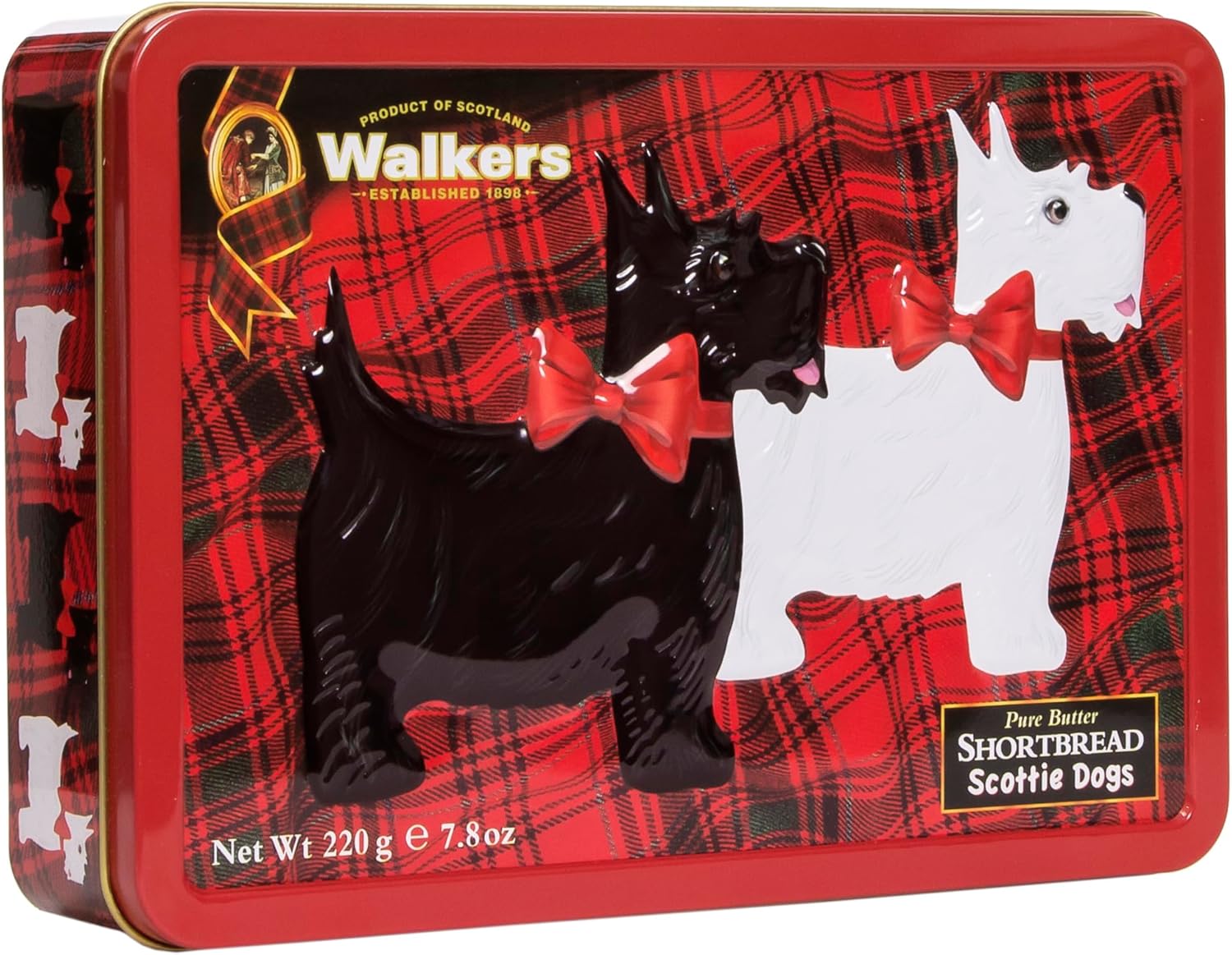 Now, one of the company’s most recognisable products — the Scottie Dog shortbread — is becoming part of a charitable initiative extending far beyond Scotland itself.
Walker’s has announced a multi year partnership with the ASPCA, the American Society for the Prevention of Cruelty to Animals, committing to donate a minimum of $100,000 annually through sales linked to selected Scottie Dog shortbread products in the United States.
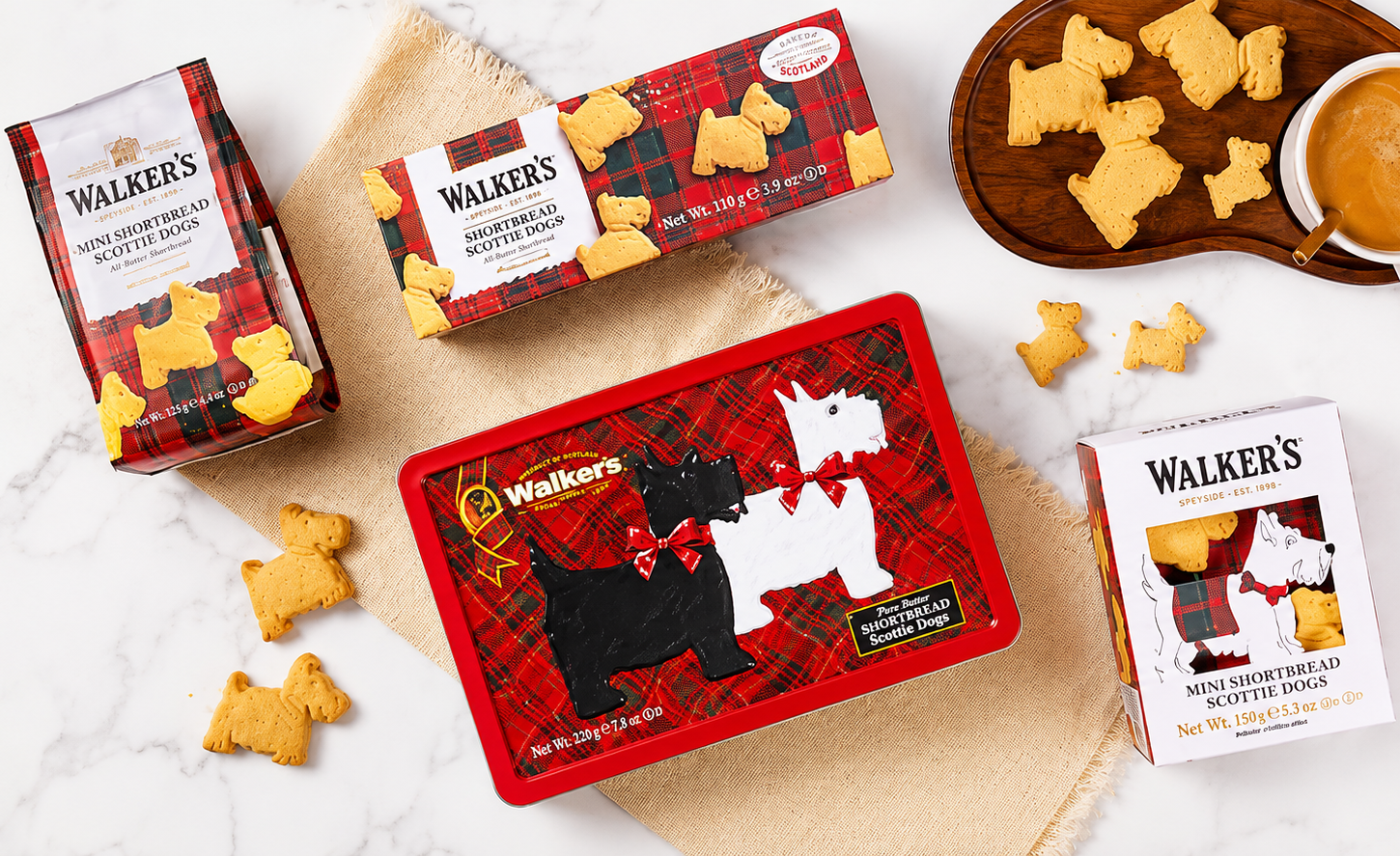
The programme, launched under the title “Shortbread That Saves,” connects purchases of Walker’s Scottie Dog cartons, tins and mini packs directly to animal welfare funding in America. The initiative will be promoted through retail partnerships, marketing campaigns and expanded product distribution across the United States during 2026.
There is something distinctly charming, and distinctly Scottish, about the arrangement.
The Scottie Dog has long occupied a curious position within Scotland’s international image. It functions simultaneously as a recognisable national symbol, a tourist motif and, in Walker’s case, a commercial emblem strongly associated with the company itself. For decades, the Scottie shaped shortbread biscuits have appeared in gift tins, airport shops, department stores and holiday displays around the world, carrying with them a carefully preserved image of Highland Scotland.
Yet behind the branding sits a company with unusually deep continuity.
Walker’s remains family owned more than 125 years after its founding, something increasingly uncommon among food manufacturers of comparable global reach. The business grew steadily throughout the twentieth century as Scottish food exports expanded internationally, particularly in North America where Scottish heritage branding retained strong commercial appeal among consumers seeking products associated with craftsmanship, tradition and place.
The company’s growth also mirrored wider changes within Speyside itself.
Historically associated with whisky distilling, agriculture and river trade, the region gradually developed a broader international food and tourism identity during the twentieth century. Walker’s became part of that transformation, helping anchor Aberlour’s name internationally alongside the whisky industry for which Speyside is more widely known.
Today, Walker’s products are sold across more than 100 countries.
Despite that scale, much of the company’s public identity continues to emphasise its Highland origins rather than global expansion. Tartan packaging, Highland imagery and references to traditional baking remain central to the brand’s presentation, particularly in overseas markets where Scottish provenance itself carries commercial value.
The new ASPCA partnership reflects another subtle shift taking place across many long established consumer brands. Increasingly, companies are attempting to connect heritage products with charitable or social initiatives capable of giving ordinary purchases a broader sense of purpose.
In Walker’s case, the Scottie Dog product itself provides an unusually natural fit for an animal welfare campaign.
The company says the initiative will support the ASPCA’s work caring for vulnerable animals across the United States, with donations tied directly to eligible Scottie Dog product sales beginning from May 2026.
For Scotland, the arrangement also serves as a reminder of how some of the country’s oldest family companies continue to operate internationally while remaining rooted in remarkably small communities at home.
From a village bakery in Aberlour to supermarket shelves and animal shelters across America, the journey of Walker’s Shortbread reflects a particular kind of Scottish commercial story: local in origin, international in reach, and still closely tied to the identity of the place from which it first emerged.