
Independence would not decide Scotland’s future policy. It would decide who gets to decide it.
Scotland’s present problem is not that it has no powers. It has many. The problem is that the powers are divided across two governments, and many of the decisions that shape daily life in Scotland are still made through UK-wide systems designed for the whole state. That may suit some purposes. It may fail others. Scotland’s population is ageing, deaths now exceed births, and official Scottish analysis says inward migration is central to sustaining the working-age population and public services. Yet immigration remains a reserved matter.
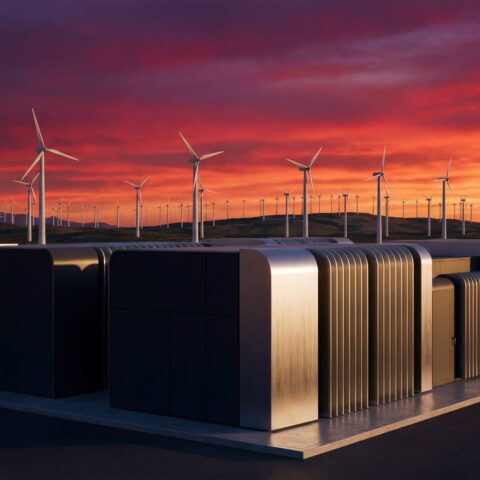
Scotland generated a record 38.5 TWh of renewable electricity in 2025, but Great Britain energy regulation is handled by Ofgem, the regulator for England, Scotland and Wales. That means Scotland can host large parts of the energy transition without controlling the whole market architecture around pricing, networks and regulation.
That is the civic question. What could Scotland do differently if the final levers were in Scotland?
Democracy, constitution and public power
- Write a modern Scottish constitution, setting out rights, responsibilities, limits on government and protections for local democracy.
- Make the Scottish Parliament constitutionally sovereign in Scotland, rather than permanently subject to Westminster’s reserved powers.
- Require referendums or supermajorities for major constitutional changes, so future governments could not casually alter the state.
- Create a written right to local self-government, protecting councils from being hollowed out by central government.
- Entrench public access to information, making government transparency a constitutional principle rather than an ordinary policy preference.
- Give Scottish courts final authority over Scottish constitutional questions, rather than routing ultimate constitutional disputes through UK structures.
- Design a Scottish citizenship law, including rules for residence, naturalisation, dual citizenship and diaspora connection.
- Create a national civic register, allowing every resident to understand voting rights, public entitlements and democratic participation.
- Set Scotland’s own parliamentary election rules without Westminster restriction, including voting age, franchise and electoral reform.
- Create stronger recall and ethics rules for national office-holders, including clearer penalties for misconduct.
Economy, tax and public finance
- Control all major taxes, including corporation tax, VAT policy, national insurance equivalents, capital gains and inheritance tax.
- Design a Scottish tax system around Scottish economic conditions, rather than adapting a UK framework built for a much larger economy.
- Create a Scottish treasury with full fiscal responsibility, including borrowing, reserves and long-term investment planning.
- Set a national industrial strategy tied to Scottish assets, including energy, food, forestry, marine industries, universities, life sciences, whisky, tourism, space and advanced manufacturing.
- Use public procurement to build Scottish supply chains, within international trade rules.
- Create a Scottish sovereign wealth or resilience fund, funded where possible from energy, seabed, infrastructure, natural capital or strategic public assets.
- Set corporation tax incentives for firms headquartered in Scotland, especially where ownership and skilled jobs remain here.
- Design tax relief for rural repopulation and island enterprise, rather than relying on UK-wide business policy.
- Create a Scottish development bank with stronger powers, able to take equity stakes in nationally important firms and infrastructure.
- Align tax, planning, education and immigration policy into one national economic plan, which devolution currently makes difficult because key levers sit in different hands.
Currency, banking and financial security
- Choose a currency path democratically, whether sterling transition, Scottish currency, or another model, with the institutions to support it.
- Create a Scottish central bank or monetary authority, if Scotland chose its own currency.
- Regulate Scottish financial stability directly, rather than relying entirely on UK institutions.
- Design deposit protection under Scottish law, subject to the chosen banking and currency settlement.
- Issue Scottish government bonds as a sovereign state, creating a direct market for national investment.
- Build a public payments system for Scotland, improving resilience if private banking systems fail or withdraw from rural areas.
- Create a Scottish national savings instrument, allowing citizens to invest directly in public infrastructure.
- Set rules for community banking access, especially in rural and island areas.
- Use financial regulation to support mutuals, credit unions and community lenders, rather than leaving them marginal.
- Create national emergency finance mechanisms, so crises such as energy spikes or pandemics could be met with Scottish-designed fiscal tools.
Energy, land and natural resources
- Create a Scottish energy market policy, rather than operating inside the present Great Britain framework.
- Design electricity pricing that recognises Scotland’s generation capacity, including possible regional, social or resilience tariffs.
- Set national rules for public or community ownership of new renewable energy assets.
- Create a Scottish grid strategy tied to Scottish household benefit, not only export and wider GB balancing needs.
- Negotiate energy exports as a sovereign interest, whether with the rest of the UK, Ireland, the EU or Nordic markets.
- Build a public stake in major offshore wind, hydrogen, storage and grid projects.
- Require stronger local benefit from energy infrastructure, including community funds, ownership shares or reduced bills where lawful and practical.
- Use Crown Estate and seabed revenues within a national energy settlement, with clearer links to communities affected by infrastructure.
- Create a national energy security reserve, including storage, backup generation and islandable community systems.
- Treat energy as strategic infrastructure rather than only a market commodity.
Immigration, population and rural survival
- Create a Scottish immigration system matched to Scotland’s demographic needs.
- Introduce rural and island visas, encouraging settlement in areas facing depopulation.
- Create a Scottish graduate retention visa, helping international students stay and work after studying in Scotland.
- Set sector visas for care, construction, engineering, agriculture, hospitality, universities and healthcare.
- Make migration part of a repopulation strategy, rather than merely a border control debate.
- Allow councils or regions to sponsor settlement programmes, linking housing, jobs and local services.
- Create a diaspora return route for people with Scottish family or cultural connection.
- Design citizenship education for new Scots, rooted in law, rights, responsibilities and civic participation.
- Use immigration policy to stabilise school rolls, care services and island economies.
- Link population policy to housing, transport and local economic planning.
Work, wages and industrial rights
- Set Scottish employment law, including basic workplace rights, dismissal protections and collective bargaining frameworks.
- Create national sector bargaining in key industries, such as care, hospitality, construction, energy and transport.
- Set a Scottish minimum wage or living wage standard, matched to Scottish cost pressures.
- Regulate zero-hours contracts under Scottish law.
- Strengthen trade union rights in Scotland.
- Create a national skills guarantee for workers displaced by oil, gas, automation or industrial change.
- Make apprenticeships part of industrial policy, not merely training statistics.
- Require fair work conditions in publicly supported contracts.
- Create stronger rights for gig economy and platform workers.
- Tie migration, skills and labour law together, so Scotland can attract workers without undercutting wages.
Employment law is largely reserved under the present settlement, which means Scotland can promote “fair work” but cannot redesign the whole legal foundation of employment rights on its own.
Social security, pensions and poverty
- Create a fully Scottish social security system, rather than topping up or modifying parts of a UK structure.
- Design benefits around Scottish housing, energy and rural transport costs.
- Set a Scottish child benefit or child income floor, if voters chose to fund it.
- Create a Scottish pension policy, including decisions on state pension age, uprating and transitional protections.
- Design disability support without UK assessment models.
- Create a national carers’ income settlement, recognising unpaid care as public infrastructure.
- Set unemployment support alongside retraining and local job creation.
- Build automatic benefit take-up into tax and public service systems.
- Create emergency income protection for communities hit by industrial closures.
- Treat poverty reduction as a constitutional duty, requiring government to report honestly on whether policy is improving lives.
Scotland has gained some social security powers, including disability and carers’ benefits and the ability to create new benefits in devolved areas or top up reserved benefits, but the whole system is not devolved.
Housing, land and community wealth
- Create national rules linking immigration, housing supply and local infrastructure, rather than treating them separately.
- Regulate second homes and short-term lets through national tax and ownership rules.
- Create stronger land value taxation or land reform tools, if the electorate supported them.
- Require transparency of beneficial ownership of land and property.
- Build a national public housebuilding programme using sovereign borrowing powers.
- Create a Scottish mortgage guarantee or public lending scheme for first-time buyers where supply exists.
- Use tax powers to discourage land banking and empty homes.
- Give communities stronger purchase rights over strategic local assets.
- Create national rural housing obligations for areas with labour shortages.
- Treat housing as economic infrastructure, essential to hospitals, schools, farms, care services, tourism and energy projects.
Foreign policy, Europe and trade
- Apply to join the European Union, if Scotland chose that route.
- Seek EFTA or European Economic Area participation as an alternative, if voters preferred a different European settlement.
- Negotiate direct trade agreements as Scotland, rather than being represented through UK trade policy.
- Rebuild freedom of movement with Europe, if Scotland joined a European framework that provided it.
- Create direct Scottish representation in international institutions, including the UN system where membership allowed.
- Open Scottish embassies or missions in priority countries, focused on trade, culture, energy, education and diaspora.
- Negotiate fisheries, agriculture and food export rules as a Scottish interest.
- Create a Scottish international development policy, focused on areas where Scotland has expertise.
- Set a Scottish sanctions and human rights policy, within international law.
- Market Scotland globally as a state, rather than as a devolved nation inside UK branding.
Foreign affairs, international relations and treaty-making are reserved now. An independent Scotland would have to negotiate its international position, not inherit it automatically in every case. That is a difficulty, but it is also the very point: statehood would give Scotland the right and burden of direct representation.
Defence, security, broadcasting and national culture
- Create a Scottish defence policy, based on Scotland’s geography, maritime interests, Arctic approaches, cyber risks and North Atlantic position.
- Decide the future of nuclear weapons on Scottish territory.
- Create Scottish armed forces appropriate to national defence and international obligations.
- Build a Scottish coastguard, maritime security and resilience strategy around Scottish waters.
- Create a Scottish intelligence and national security framework under Scottish democratic oversight.
- Regulate broadcasting from Scotland, including public service media obligations.
- Create a Scottish public broadcaster, with statutory independence and national cultural duties.
- Set national rules for digital platforms, media plurality and political advertising.
- Protect Gaelic, Scots and Scottish cultural production through national media law.
- Create a national resilience strategy covering cyberattack, energy disruption, food security, pandemics, severe weather and infrastructure failure.
Defence, national security, broadcasting and most telecommunications remain reserved. Scotland can fund culture and support language policy now, but it cannot design the whole state architecture of defence, national media regulation or international security while inside the UK.
The most important point is not that every one of these choices would be easy, cheap or automatically wise. Some would be difficult. Some would require compromise. But they are choices a normal independent country can make.
The present settlement allows Scotland to manage many domestic services, but not the full system around them. It can treat patients, but not fully control immigration for the workforce. It can set planning policy, but not the whole energy market. It can support fair work, but not write employment law. It can promote exports, but not sign trade treaties. It can respond to poverty, but not design the whole tax, currency, welfare and macroeconomic framework. It can speak internationally, but not act as a state.
Independence would not solve Scotland’s problems. It would make Scotland responsible for solving them. The serious case is not that freedom guarantees wisdom, but that without freedom Scotland cannot fully align its laws, economy, population, energy, welfare, trade and public institutions around the needs of the people who live here.