
Schools, young filmmakers and Gaelic media students from across the Highlands have been shortlisted for FilmG 18, Scotland’s Gaelic short film competition, ahead of the awards ceremony in Glasgow in June.
Highland schools, young filmmakers and Gaelic media students have secured a strong presence in the shortlists for FilmG 18, the latest edition of Scotland’s Gaelic short film competition. The shortlisted entries include work from Skye, Inverness, Lochaber, Ross shire, Caithness and Sabhal Mòr Ostaig, with winners due to be announced at the FilmG Awards at the SEC in Glasgow on Thursday 11 June 2026. FilmG said this year’s competition received 157 entries across its three age groups, including 38 in the 18 plus competition, 60 in the under 18 competition and 59 in the newly introduced under 12 competition.
The Highland showing matters because FilmG is not simply an awards scheme. It is one of the practical routes through which Gaelic speakers and learners can gain experience in writing, filming, performing and editing for the screen. For a language whose future depends not only on classrooms but on everyday creative use, short film gives young people a way to make Gaelic visible, current and public.
FilmG describes itself as the Scottish Gaelic short film competition, created to support people to make films in Gaelic, build practical screen skills and help new Gaelic screen talent emerge. It is owned by MG ALBA and delivered by Astar Media.
The Highland Council announcement points to the breadth of local participation. Secondary schools shortlisted include Ardnamurchan High School, Lochaber High School, Inverness Royal Academy, Plockton High School, Nairn Academy, Alness Academy and Thurso High School. Fèis Rois has also been shortlisted in the Heritage category for Òran.
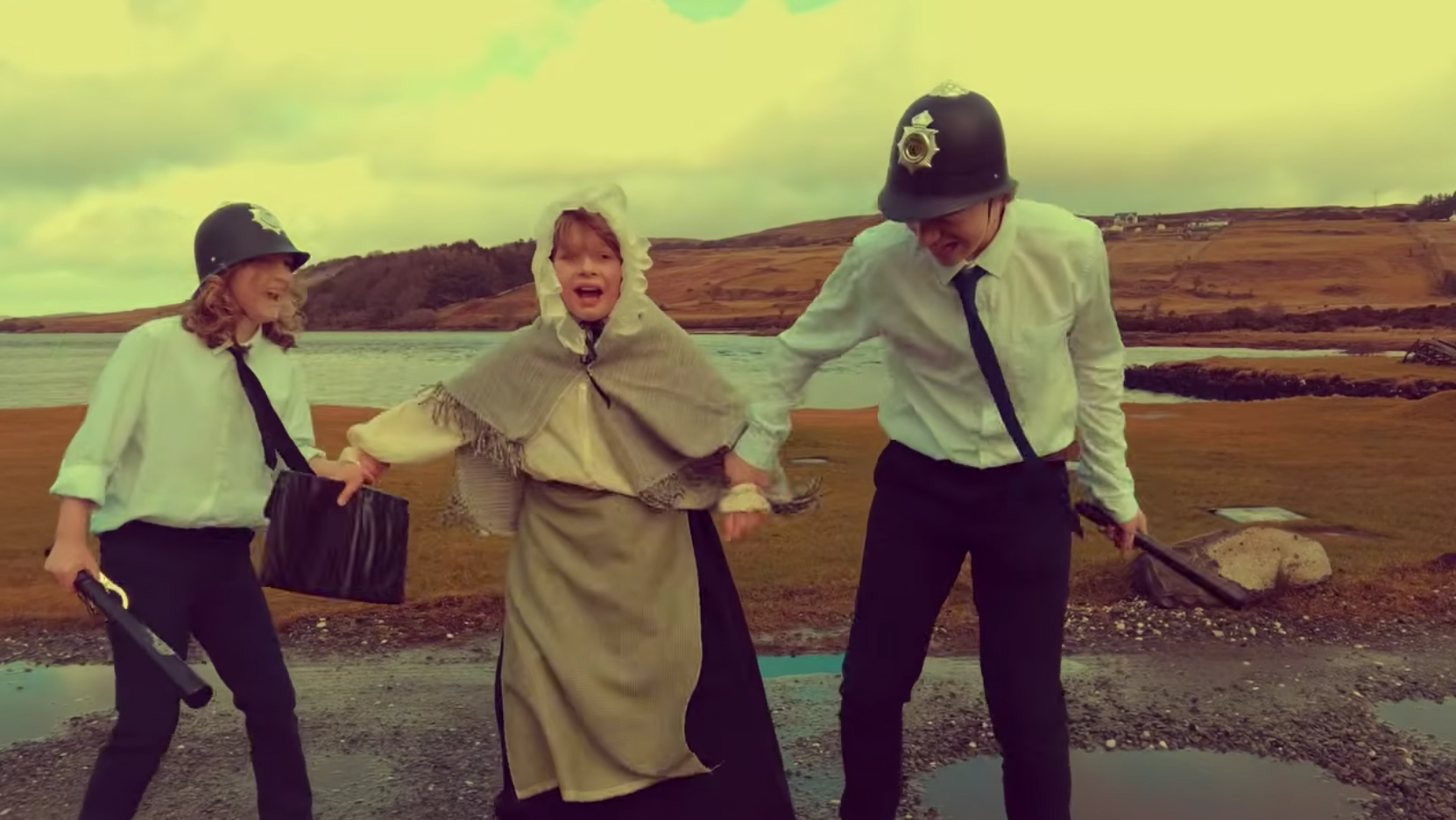
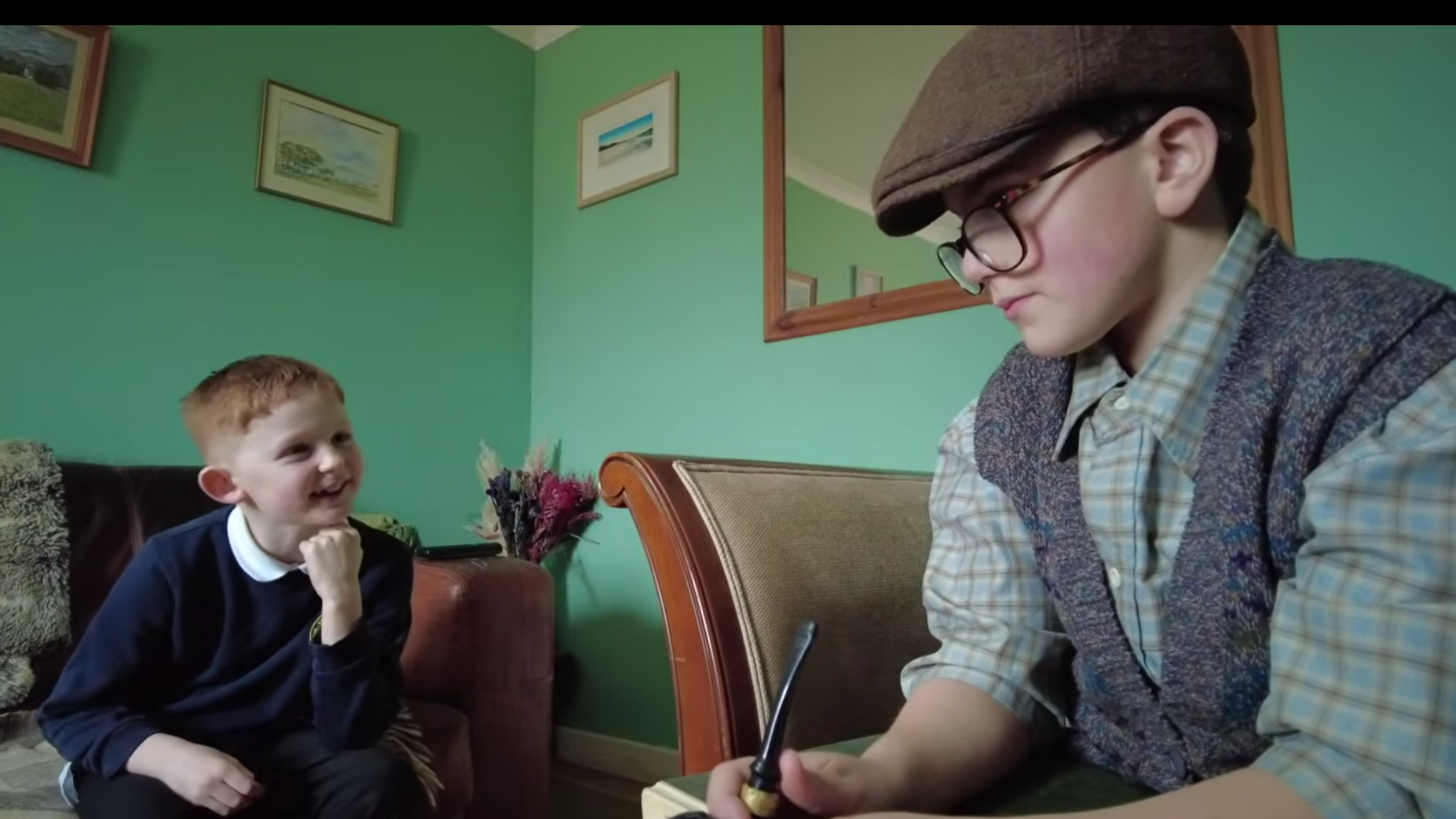
The newly introduced under 12 competition gives the Highland result a further dimension. Broadford Primary School, Dunvegan Primary School, Club FilmG Stafainn, Lochcarron Primary School and Dingwall Primary School are among the Highland entries shortlisted across Drama, Comedy, Heritage and FilmG Choice Award categories.
That spread is significant. The shortlist is not confined to one school, one town or one part of the Highlands. It reaches from the west coast and Skye to Inverness, Ross shire and Caithness. It also includes Sabhal Mòr Ostaig, the Gaelic college on Skye, whose role in Gaelic education and media training gives the competition a link between school age participation and more developed Gaelic creative practice.
FilmG’s history gives the 2026 shortlist more weight. MG ALBA says the competition was launched in 2008 and has accepted more than 1,000 film entries since then, generating new Gaelic content and supporting a digital community in the language. Astar Media supports the competition through school workshops, filmmaker mentorship and help with kit and personnel.
That practical support matters. A short film competition can sound like a small cultural event, but for young entrants it can involve script writing, camera work, sound, editing, acting, translation, direction and collaboration. Those are the basic skills of screen production. In Gaelic, they also become part of language development.
The competition’s roots are tied to the wider development of Gaelic media. MG ALBA previously described FilmG as a competition launched in 2008 with the aim of uncovering new talent for development for BBC ALBA, the Gaelic digital service launched in the same year. A FilmG impact assessment said the competition was open to young people and adults and was intended to nurture new Gaelic media talent.
That makes Highland participation especially relevant. The region includes communities where Gaelic has historical depth, but also places where the language depends increasingly on schools, cultural organisations and media to create opportunities for use. A film made by pupils in Gaelic is not only a competition entry. It is evidence of the language being used for drama, humour, local memory, argument and imagination.
The inclusion of primary schools in the new under 12 section may prove particularly important. If Gaelic screen participation starts before secondary school, pupils can encounter the language as something they use to create, not only something they study. Languages survive more strongly when they are connected to work, friendship, performance and play.
There is also a wider Scottish point. Gaelic is often discussed through policy, numbers and risk. Those subjects are necessary, but they can make the language sound fragile before it sounds alive. FilmG offers a different view. It presents Gaelic as a working language for young people making stories, comedy, heritage films and creative work for public audiences.
The Highland entries also show how Gaelic creativity is distributed across different kinds of place. Skye and Lochaber bring one set of linguistic and cultural associations. Inverness and Nairn bring another. Caithness and Easter Ross complicate any simple map of where Gaelic belongs. The presence of entries across the region shows that Gaelic media activity is not limited to the most obvious heartlands.
The awards ceremony in Glasgow will provide the national platform. The competition itself is already doing much of the work before the winners are named. Every shortlisted film represents a process of organising a team, shaping an idea and presenting Gaelic on screen. For young entrants, that process may matter more in the long term than the award.
There is a careful distinction to make. A strong shortlist does not by itself prove that Gaelic is secure in the Highlands. Nor does it solve the pressures facing the language in communities where speaker numbers remain a concern. What it does show is that schools, cultural groups and young filmmakers are continuing to create in Gaelic, and that a national competition is giving that work a route to visibility.
FilmG’s organisers have made all shortlisted films available to watch online at https://www.filmg.co.uk/filmg-18-shortlists/