
Flooded coal workings beneath Ayrshire could provide a new source of heating for a working NHS hospital under a government-funded investigation into using Scotland’s industrial past to replace fossil-fuel heating systems.
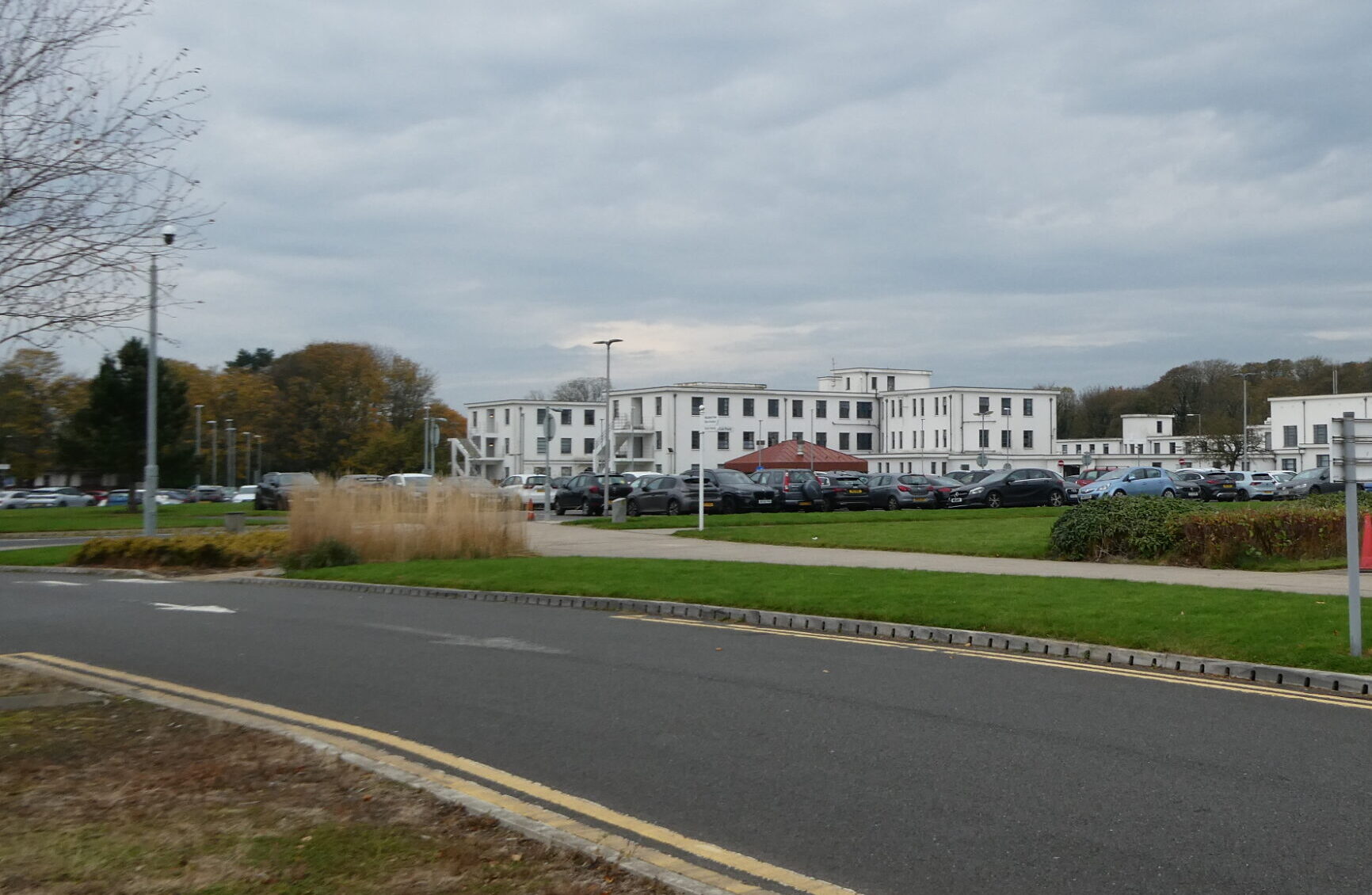
NHS Ayrshire and Arran has been awarded £30,000 to examine whether water held in abandoned mine workings could supply heat to Ayrshire Central Hospital in Irvine, including three listed buildings within the hospital campus.
The award, announced by the Scottish Government on 25 November, will finance a feasibility study rather than construction. The proposed system has not yet been approved, and its technical or financial viability has not been established.
The investigation forms part of Scotland’s Public Sector Clean Heat Development Fund, which is providing approximately £246,000 to ten projects examining alternatives to conventional heating systems.
The proposed hospital scheme could eventually connect to a wider heat network serving Irvine, although no such connection has been authorised.
Ayrshire’s former coal workings represent a potentially substantial underground thermal resource. After mining ceases, abandoned shafts and galleries can gradually fill with groundwater. The surrounding rock maintains the water at temperatures that can be used in conjunction with heat pumps to provide heating.
The technology does not involve burning coal or extracting the fuel remaining underground.
In a typical arrangement, mine water is pumped to the surface and passed through a heat exchanger. Heat is transferred to a separate circulation system and raised to the temperature required by buildings using electrically powered heat pumps.
The mine water can then be returned underground or managed through an authorised system, depending on the engineering design and environmental permissions.
The process requires electricity, but under suitable conditions can deliver more heat energy than the electrical energy consumed by the heat pumps.
The availability of old workings does not establish that a particular site can economically recover heat from them. Temperature, depth, groundwater movement, water chemistry, underground connections and the distance between the heat source and buildings all influence the cost and performance of a scheme.
Those conditions will have to be examined at Irvine.
The Ayrshire Central Hospital proposal brings together two expensive infrastructure problems: the continuing cost of heating public buildings and the long-term legacy of Scotland’s former mining industry.
NHS properties must provide dependable heating and hot water, often across buildings constructed at different periods and with different mechanical systems.
At Ayrshire Central Hospital, the presence of three listed buildings adds conservation requirements to any proposal involving replacement heating equipment, new pipework or alterations to building fabric.
The Scottish Government has identified the hospital campus as a possible connection point for an eventual Irvine heat network. That could allow several buildings to share a central heat source rather than installing separate systems in each property.
However, the funding announcement does not identify the particular mine workings proposed for investigation, their measured water temperatures or the capital expenditure that would be needed to construct a functioning system.
Scottish Enterprise commissioned research into the commercial potential of mine-water heating in 2025. Undertaken by the University of Strathclyde, the study examined the circumstances under which developers and building owners would consider using abandoned mines as sources of thermal energy.
The researchers identified potential advantages in using mine water as part of district heating systems, including the possibility of storing heat underground and serving buildings close to former coalfields.
They also identified substantial barriers.
The cost of exploratory drilling, uncertainty over underground conditions, electricity prices and the expense of constructing heat networks were among the difficulties reported by industry participants.
The study drew on interviews with twelve participants, providing qualitative evidence of commercial and regulatory concerns rather than a financial assessment of the proposed Ayrshire hospital scheme.
It recommended examining mine-water technology as part of wider heating networks rather than assuming that individual buildings could support viable projects independently.
The findings are relevant to Irvine, where the hospital proposal is being examined alongside the possibility of wider network connections.
Scotland already has experience of investigating heat recovery from abandoned coal workings. Scottish Enterprise previously supported an options appraisal at the former Frances Colliery in Fife, where mine water has been pumped to the surface as part of environmental management arrangements.
The Ayrshire study will add another potential application, this time involving the heating requirements of a substantial NHS estate.
The Scottish Government has also announced more than £15 million for seventeen public-sector organisations undertaking clean-heating projects. Those awards principally support the installation of equipment, including heat pumps, insulation and energy-efficiency improvements.
The £30,000 allocated to NHS Ayrshire and Arran belongs to the earlier development stage and does not provide capital for constructing the proposed hospital system.
The feasibility work will have to establish whether there is an accessible underground heat source, whether the hospital can use it economically and what permissions and investment would be required.
No construction timetable or estimated operational savings have been published.
Sources
Improving Public Buildings Across Scotland — Scottish Government, 25 November 2026
https://www.gov.scot/news/improving-public-buildings-across-scotland/
Unlocking the Economic Potential of Minewater Geothermal in Scotland — Scottish Enterprise and University of Strathclyde, 2025
Frances Colliery Minewater Heat Recovery Scheme — Scottish Enterprise, 2022