
Community ownership of Scottish land and buildings increased during 2025, but newly published government statistics show that nearly three-quarters of the land held by community organisations remains concentrated in the Western Isles.
The figures, released on 24 November, identify 978 community-owned assets across Scotland at the end of 2025, an increase of 34 over the previous year.
Those assets are held by 554 community organisations.
The land and buildings included in the register cover approximately 214,883 hectares, equivalent to 2.8% of Scotland’s total land area.
Of that, 153,681 hectares lie within Na h-Eileanan Siar, accounting for 72% of all community-owned land recorded nationally.
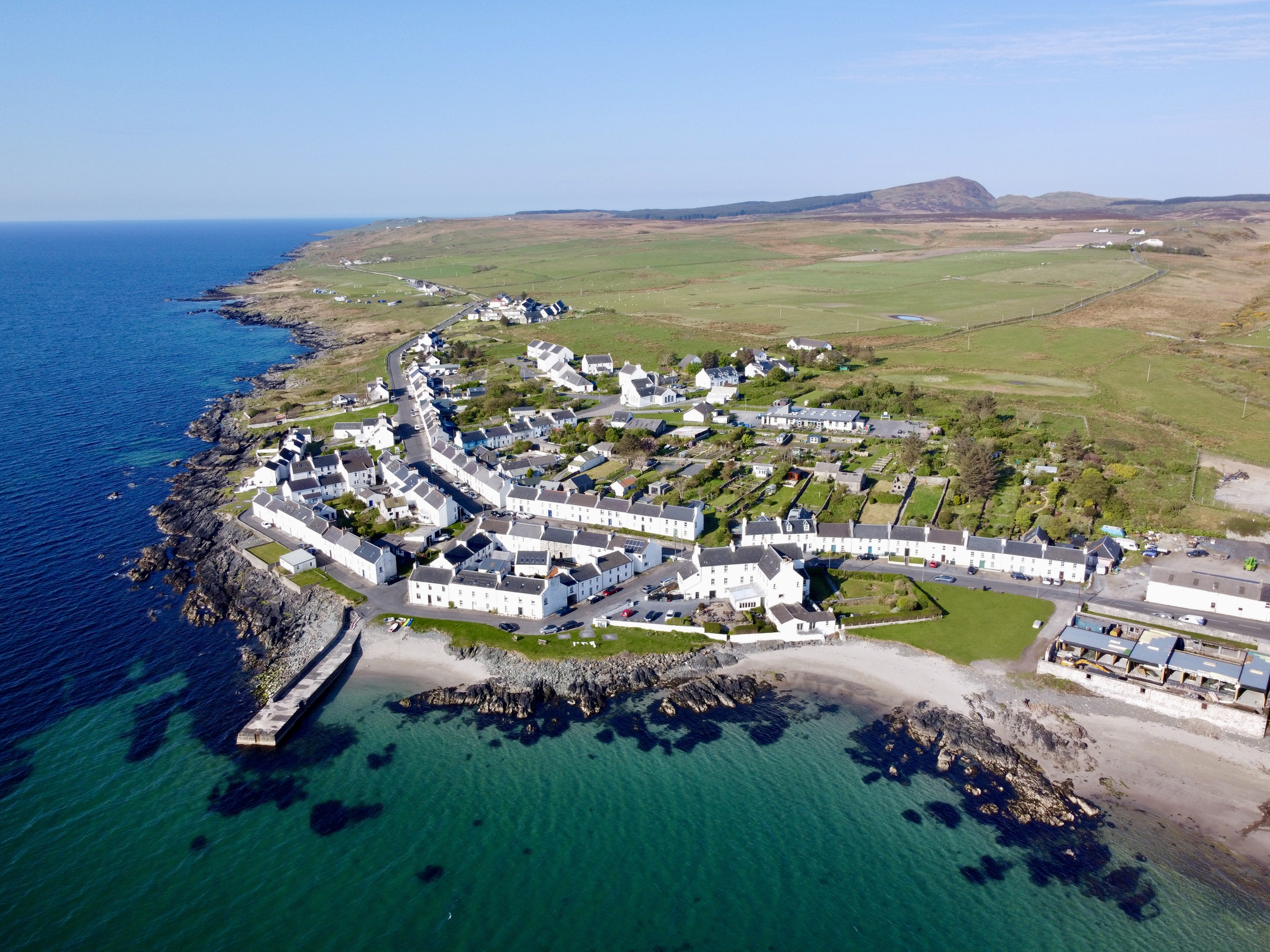
The concentration reflects decades of community land acquisitions in the Western Isles, where settlements, crofting communities and local trusts have taken ownership of substantial estates.
Although the statistics show an increase in the number of assets, the amount of land newly entering community ownership has grown more slowly.
The area recorded in 2024 was 213,803 hectares. By the end of 2025, the total had increased by approximately 1,080 hectares.
That represents a rise of around 0.5% in the total land area under community ownership, compared with a 4% increase in the number of registered assets.
The difference reflects the varied character of community acquisitions.
A large rural estate can add thousands of hectares to the register through a single transaction. The purchase of a community hall, former church, shop or other building may add an asset to the national total while contributing comparatively little land.
The geographical figures reveal a similar pattern.
Highland and Argyll and Bute together account for 380 community-owned assets, approximately 39% of the Scottish total.
Rural areas contain 80% of recorded assets but account for more than 99% of the land area under community ownership.
These figures show that Scotland’s community ownership movement includes two different forms of acquisition: substantial rural landholdings and smaller local properties acquired for specific community purposes.
The statutory framework has developed considerably since the Land Reform (Scotland) Act 2003 established new rights for community organisations seeking to acquire land.
Subsequent legislation introduced additional opportunities to purchase neglected or abandoned property and acquire assets held by public authorities.
Those powers have increasingly been used outside the areas traditionally associated with large community land buyouts.
In St Andrews, a community organisation has acquired an abandoned property known as Poet’s Neuk on the town’s High Street.
The Scottish Government identifies the case as the first use of the relevant compulsory purchase powers introduced through the Community Empowerment (Scotland) Act 2015.
The property had been owned by an Isle of Man-based owner, and the acquisition followed action intended to return the neglected site to productive community use.
A separate project in Leith has received more than £500,000 from the Scottish Land Fund towards the purchase of Leith St Andrew’s Church, following the Church of Scotland’s decision to sell the building.
Such acquisitions have different financial and administrative requirements from the purchase of extensive rural estates.
A building may require immediate expenditure on repairs, insurance, utilities and statutory compliance before it can operate sustainably.
Community organisations acquiring large estates face different responsibilities involving land management, housing, infrastructure, agricultural tenancies, environmental obligations and commercial income.
The latest figures record the purchase price of new assets but do not provide a comprehensive account of the continuing expenditure required to maintain them.
Community organisations paid just over £4.8 million for the 34 assets acquired during 2025.
The Scottish Land Commission has separately examined the obstacles facing communities seeking to acquire and manage property.
Its recommendations, published in July, identify difficulties involving finance, organisational capacity and the practical operation of community acquisition rights.
Some groups must demonstrate long-term financial viability before acquiring an asset, while the expenditure required to establish that viability can itself become a barrier to purchase.
The national register also includes property rights and facilities that are neither conventional landholdings nor buildings.
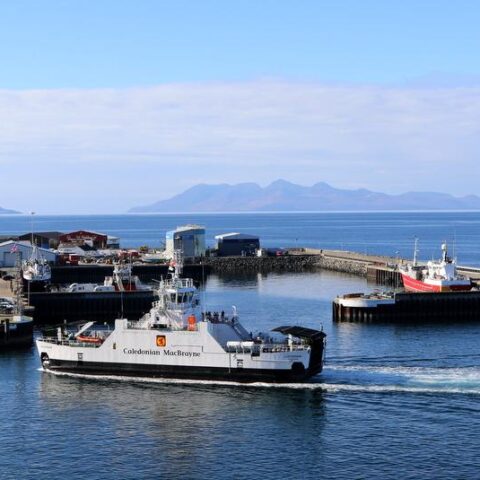
Twenty-three recorded assets fall within this category, including a ferry, a small boat, a pontoon and salmon fishing rights.
Those entries reflect the diversity of assets held by community organisations and the different services that community ownership can support.
The Scottish Government describes the latest annual increase as continuing growth in community control of property.
The underlying statistics show that this growth remains unevenly distributed. The Western Isles continue to account for most of the land, while much of the recent increase in the number of assets involves smaller acquisitions elsewhere.
Sources
Community Ownership in Scotland 2025 — Scottish Government, 24 November 2026.
https://www.gov.scot/publications/community-ownership-in-scotland-2025/
Increase in Community Ownership — Scottish Government, 24 November 2026.
https://www.gov.scot/news/increase-in-community-ownership/
Community Ownership in Scotland 2024 — Scottish Government, 2025.
https://www.gov.scot/publications/community-ownership-in-scotland-2024/
Next Steps for Community Ownership in Scotland — Scottish Land Commission, 14 July 2026.
https://www.landcommission.gov.scot/next-steps-for-community-ownership-in-scotland/1-executive-summary
Community Empowerment (Scotland) Act 2015 — UK Legislation.
https://www.legislation.gov.uk/asp/2015/6/contents